Portuguese
  Spanish


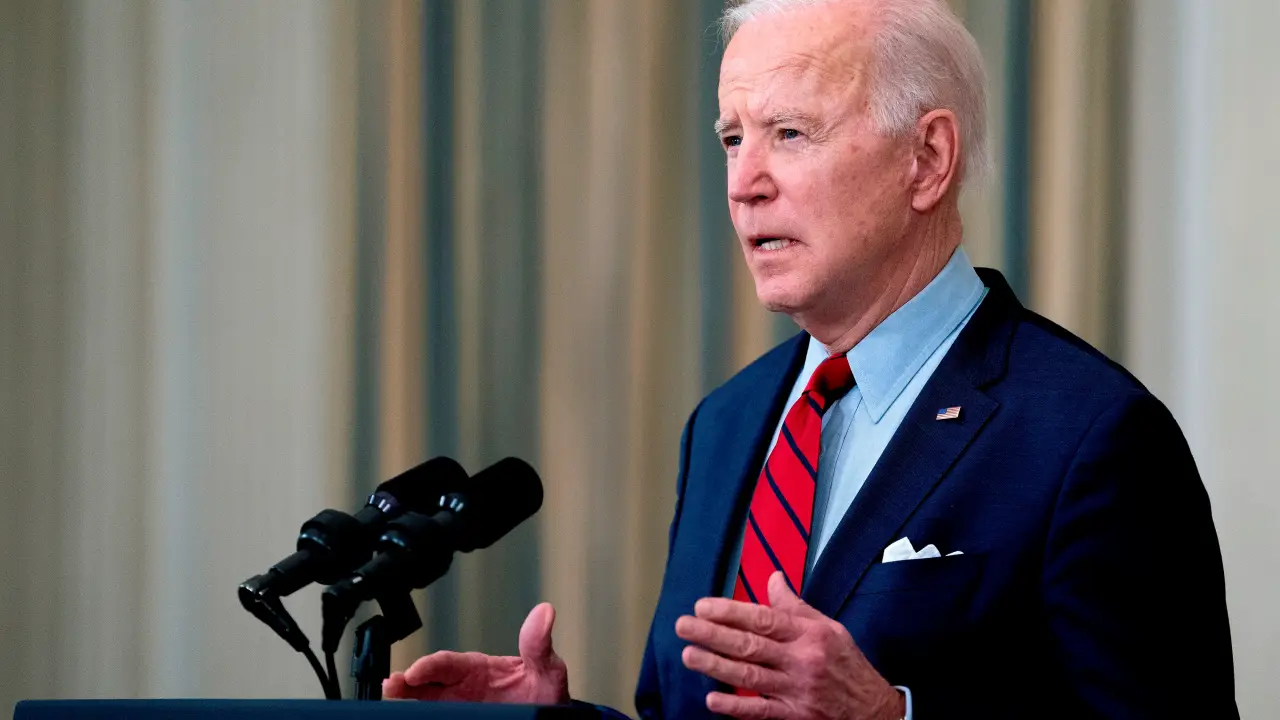

The United States Responded to Venezuelan Dictator Nicolás Maduro’s Claim That Sanctions on the South American Country Remained “Unchanged” Until Concrete Measures Were Taken to Change the Dictatorial Government to a Democracy.
“As long as Maduro and his followers continue to oppress the Venezuelan people and divert resources to corrupt practices, we will continue to pressure the regime through sanctions,” said a spokesman for the U.S. State Department in an interview with EFE.
Maduro does not believe in a return to democracy and is asking for an agreement with Biden. On Thursday, Maduro asked U.S. President Joe Biden to lift “all sanctions” against Venezuela that the dictator deemed “criminal.” A State Department spokesperson insisted that Maduro sit down with the unified opposition platform to “solve Venezuela’s problems and restore democracy and the rule of law in the country.”
The Biden administration conditioned the lifting of sanctions on an agreement reached between Maduro and the opposition during negotiations in Mexico City. The United States has not recognized Maduro’s opponent, Juan Guaidó, as interim president for two weeks, despite the dictator’s denials. However, the country also does not recognize the legitimacy of Nicolás Maduro’s government, stating that the regime is a dictatorship and a return to democracy.
-
European Parliament Approves Digital Euro, Aiming to Challenge Visa and Mastercard’s Dominance and Transform Payments Across Europe by 2029

-
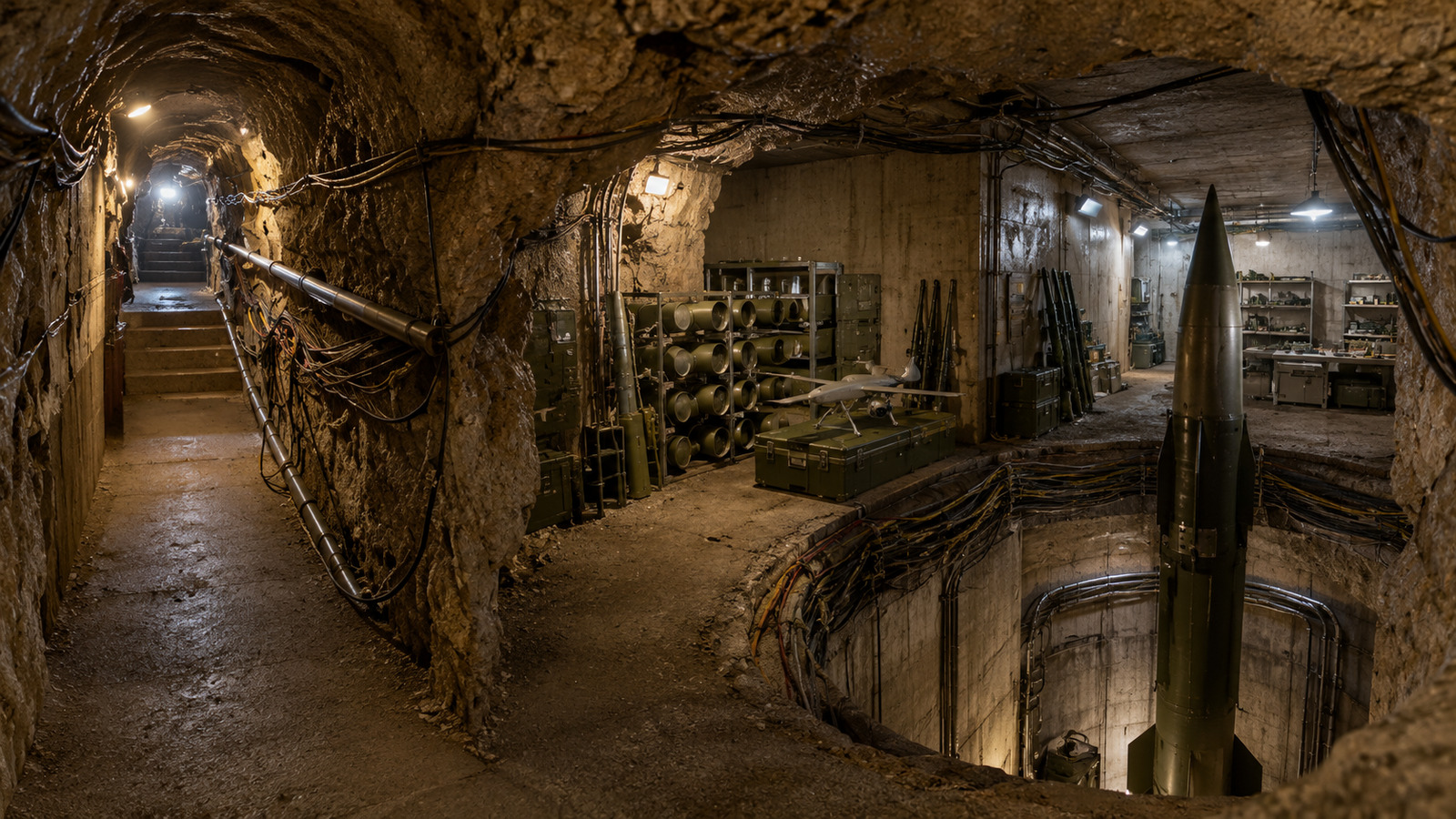
Israel finds Hezbollah militarized tunnel over 200 meters long under village, with 4 missile launch shafts, 12 chambers, anti-tank missiles, drones, and weapons depots at a depth of 25 meters.

-
Ukraine launches largest drone attack on Moscow since 2022, Russia claims to have intercepted nearly 200 aircraft near the capital, Kapotnya refinery targeted again, and offensive reignites alert about war reaching the Russian energy heart just a few kilometers from the Kremlin.

-
Truck drivers, freight, and fines from 2022 take center stage in politics: Chamber approves MP with amnesty, mandatory tracking by CIOT, million-dollar penalties, and new minimum wage for those who spend more than 24 hours on the road.


Maduro Believes The Relationship with The U.S. Needs to Be Established
The Venezuelan president, Nicolás Maduro, said at the beginning of 2023 that the country is “fully prepared” to normalize relations with the United States (U.S.). In an interview with Telesur, Venezuela’s state television, Maduro stated that he is available to restore diplomatic, consular, and political relations with the current and future U.S. governments.
Caracas had suspended relations with Washington in 2019, after former President Donald Trump recognized opposition leader Juan Guaidó as interim president and imposed sanctions on the country, including an embargo on oil.