





 Portuguese
  English
  Spanish
  5 min of reading
  8 comments


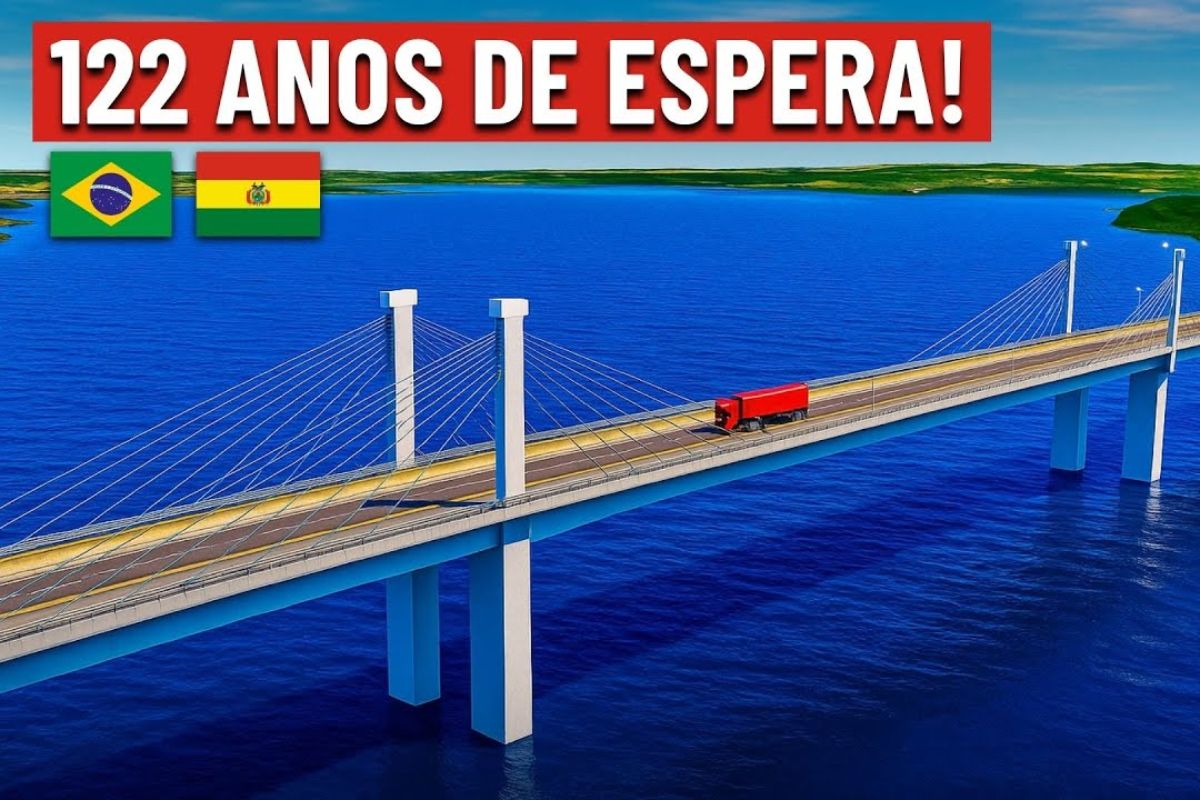


The Bridge Promised 122 Years Ago Between Brazil and Bolivia Advances With Binational Work, 1.22 km Long and Potential to Shorten Routes to Asia by Up to 20 Days, Reopening a Key Chapter in South American Integration.
After a century of ups and downs, the bridge promised 122 years ago between Brazil and Bolivia has finally entered a concrete phase of implementation. The structure will connect Guajará-Mirim, in Rondônia, to Guayaramerín, in Bolivia, fulfilling a historic expectation dating back to the early 20th century and potentially reconfiguring logistical flows in Western Amazon.
In addition to its symbolic value, the bridge promised 122 years ago carries a project with direct economic impact: reducing transportation time and transportation costs, integrating bioceanic corridors, and strengthening export chains that currently rely on longer routes. The structure is 1.22 km long and 17.3 m wide, with an estimated execution schedule of 36 months and an announced investment of 421 million reais.
A Historic Debt That Crosses the Amazon
The genesis of the bridge promised 122 years ago is linked to the Treaty of Petrópolis, signed in 1903, which ended the dispute over Acre.
-
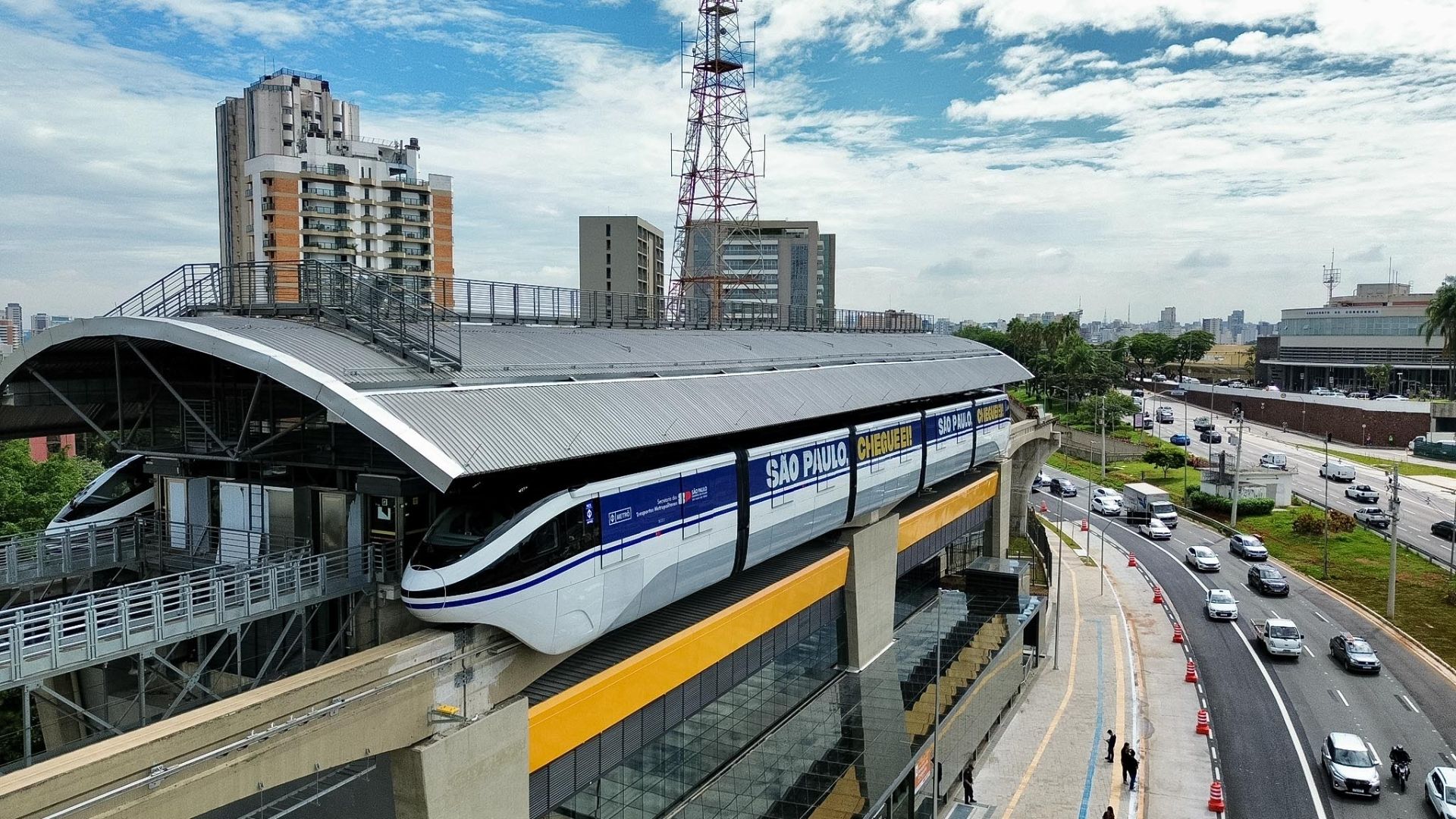
Congonhas receives the monorail promised for the 2014 World Cup after more than a decade of delays and becomes the first airport in Brazil with integrated subway.
-
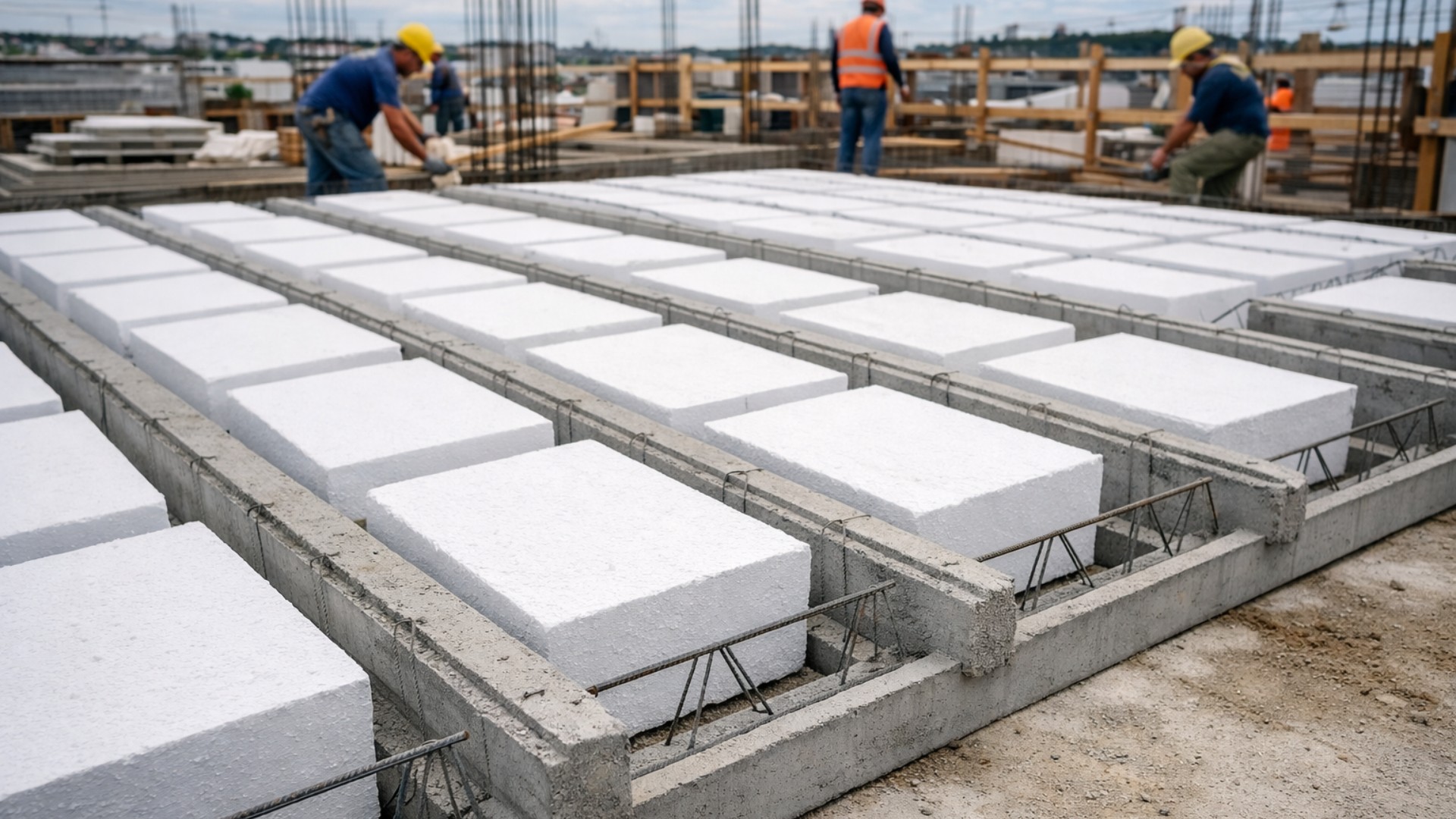
Goodbye, concrete: a new trend in civil construction reduces the weight of the structure by up to 30%, accelerates projects by up to 40%, cuts costs on steel and labor, and improves thermal insulation with EPS.
-
Russian engineers create an innovative propeller blade for aircraft that could completely change the way airplanes and helicopters operate.

-
Couple finishes building PVC chalet on the beach on the last day, with air conditioning and curtains, but discovers the bathroom drain is inverted: water escapes from the drain, risking breaking the floor, and the rush continues before the trip.


The agreement included compensation and infrastructure to ensure greater commercial access for Bolivia, a condition that, in practice, has never fully materialized.
The Madeira-Mamoré railway was built and inaugurated in 1912 but had a short operation and was deactivated in 1972.
The binational bridge remained a pending promise, becoming a symbol of an incomplete diplomatic agreement that affected local routines and the potential for regional integration.
Where the Bridge Will Be Built and How the Crossing Will Be
The axis of the work connects Guajará-Mirim and Guayaramerín, replacing the current ferry crossing on the Mamoré River, which is subject to queues, intermittent operation, and weather unpredictability.
With the bridge promised 122 years ago, the flow of people and goods gains predictability and scale, with direct access to the roadway networks of both countries.
The structural solution includes 1.22 km in length and 17.3 m in width, a parameter sufficient for bidirectional vehicular traffic.
On the Brazilian side, the connection integrates with BR-425; on the Bolivian side, a road of about 6 km to the urban centers is planned.
The service order was formalized in 2025, with a deadline of 36 months for completion.
Why the Bridge Shortens the Way to Asia
The logistical logic is clear: the bridge promised 122 years ago is part of a land corridor that connects Brazil, Bolivia, Peru, and Chile to Pacific ports.
As a result, shipments that currently take long routes through the Atlantic can shift to Pacific exits, reducing travel time by about 15 to 20 days depending on the chosen route.
This shortening generates freight savings, reduced capital time immobilization, and greater predictability for grain, meat, mineral, and manufactured goods chains.
The corridor also decongests traditional routes and diversifies strategic options for exporters.
Direct Impacts for Those Living on the Border
The ferry crossing between the two cities is a historical bottleneck.
The bridge promised 122 years ago is expected to directly benefit about 180,000 people in the area of influence, with daily gains in mobility, access to services, and economic circulation.
For truck drivers, students, health professionals, and small merchants, the bridge reduces downtime and operational costs, improves logistical efficiency, and decreases vulnerability to interruptions or seasonal ferry operations.
Costs, Schedule, and Scale of the Work
The announced investment is 421 million reais, with an estimated execution of 36 months from the service order.
The bridge promised 122 years ago has a capacity compatible with strategic axes and connects to the existing network, which reduces the need for extensive complementary works on the Brazilian side.
On the Bolivian side, the construction of the access road is an essential part of the corridor’s performance, ensuring operational adherence between the bridge and urban routes.
Site planning, licensing, environmental issues, and customs interface are areas that need to advance alongside the physical schedule.
Security, Inspection, and Binational Governance
All border infrastructure increases legal flow and also requires joint protocols for migration control, customs, and public security.
The bridge promised 122 years ago demands coordination between inspection forces, intelligence, and risk management to mitigate illegal activities and reinforce the safety of users and goods.
Integrated operation, coordinated schedules, and 24-hour monitoring systems will make a difference in the final result.
The effectiveness of the logistical corridor depends on harmonized customs practices and clear operational agreements between the two countries.
Environment and Integration With Local Policies
The Amazon region imposes environmental responsibilities that go beyond the work itself.
The bridge promised 122 years ago should be accompanied by traffic management, bank protection, proper drainage, and waste control to avoid cumulative impacts.
Long-term success also involves urban infrastructure and public services in the twin cities at the border, ensuring that the growth induced by the corridor comes with urban quality, citizenship, and environmental preservation.
What the Bridge Represents for South American Integration


Fulfilling the bridge promised 122 years ago closes a historic gap and places Brazil and Bolivia at the center of a practical integration project, with logistical and symbolic effects.
It is a connection that brings economies closer, reduces distances, and creates new international insertion alternatives.
If the execution respects the schedule, security, and governance, the work tends to become a landmark of credibility and a successful case in cross-border infrastructure.
The decisive test will be transforming promise into efficient and sustainable operation.
The bridge promised 122 years ago is more than concrete over the Mamoré River.
It is the chance to close an open historical chapter and open a shorter, more predictable, and competitive route for people and goods.
The final outcome will depend on how Brazil and Bolivia coordinate security, environment, customs, and services.
And you? Do you believe the bridge will truly integrate local economies and shorten the path from Brazil to the Pacific, or do you see the risk of the work becoming just a logistical shortcut with no proportional social benefits? Share your view on the Amazon border in the comments.






Não se falou da ilha de Guajará-Mirim, entre as duas cidades e que até hoje não se sabe a qual país pertence. E é certo que a tal ponte passará pela ilha. Mas, é um ótimo projeto.
Acho que que vai ser ótimo para o desenvovimento da região
Acho que vai ser um ótimo caminho sim