





 Portuguese
  English
  Spanish
 3 min of reading
  1 comment




A Railway Linking the Atlantic to the Pacific Could Change Everything. And It Starts Here in Brazil.
Have you ever thought about loading a cargo of soy in Bahia and seeing it arrive at the Pacific without relying on the Panama Canal? That’s what is at stake. Brazil and China have just signed an agreement that could lead to the largest transcontinental railway in the history of South America, known as the bioceanic railway: a logistics corridor between Ilhéus (BA) and the port of Chancay (Peru), connecting the Atlantic and Pacific oceans by rail.
The project is not simple — but it is grand. It is in the hands of Infra S.A., a company of the Ministry of Transport, in partnership with China Railway Group Limited, the largest railway state-owned enterprise in the world. What is currently underway are technical, environmental, and economic studies. If approved, the route will cut through five Brazilian states, rise through the Andes, and connect the country to the Asian market like never before.

28 Days Instead of 40: Time Is Money — And China Knows It
Today, exporting soy or ore to Asia takes, on average, 40 days via the Panama Canal. The new railway promises to reduce this time to as little as 28 days, saving nearly two weeks! And we’re not just talking about time. Less time means lower logistics costs, more competitiveness, and more money in the pockets of exporters.
-
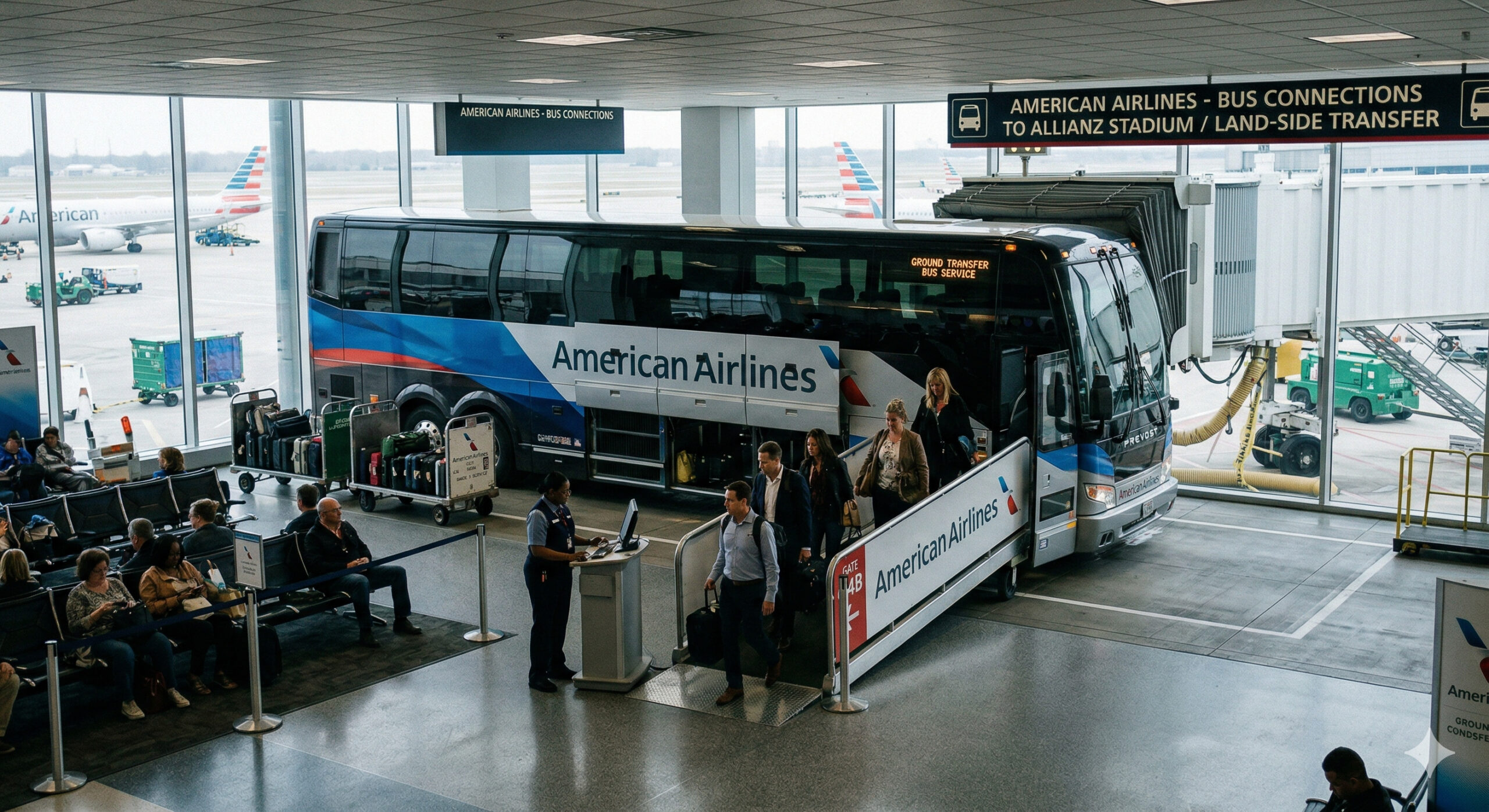
American Airlines starts selling trips as if they were flights, with check-in and baggage check at the airport, but on short routes, passengers board luxury buses connecting cities to major hubs in the U.S.
-
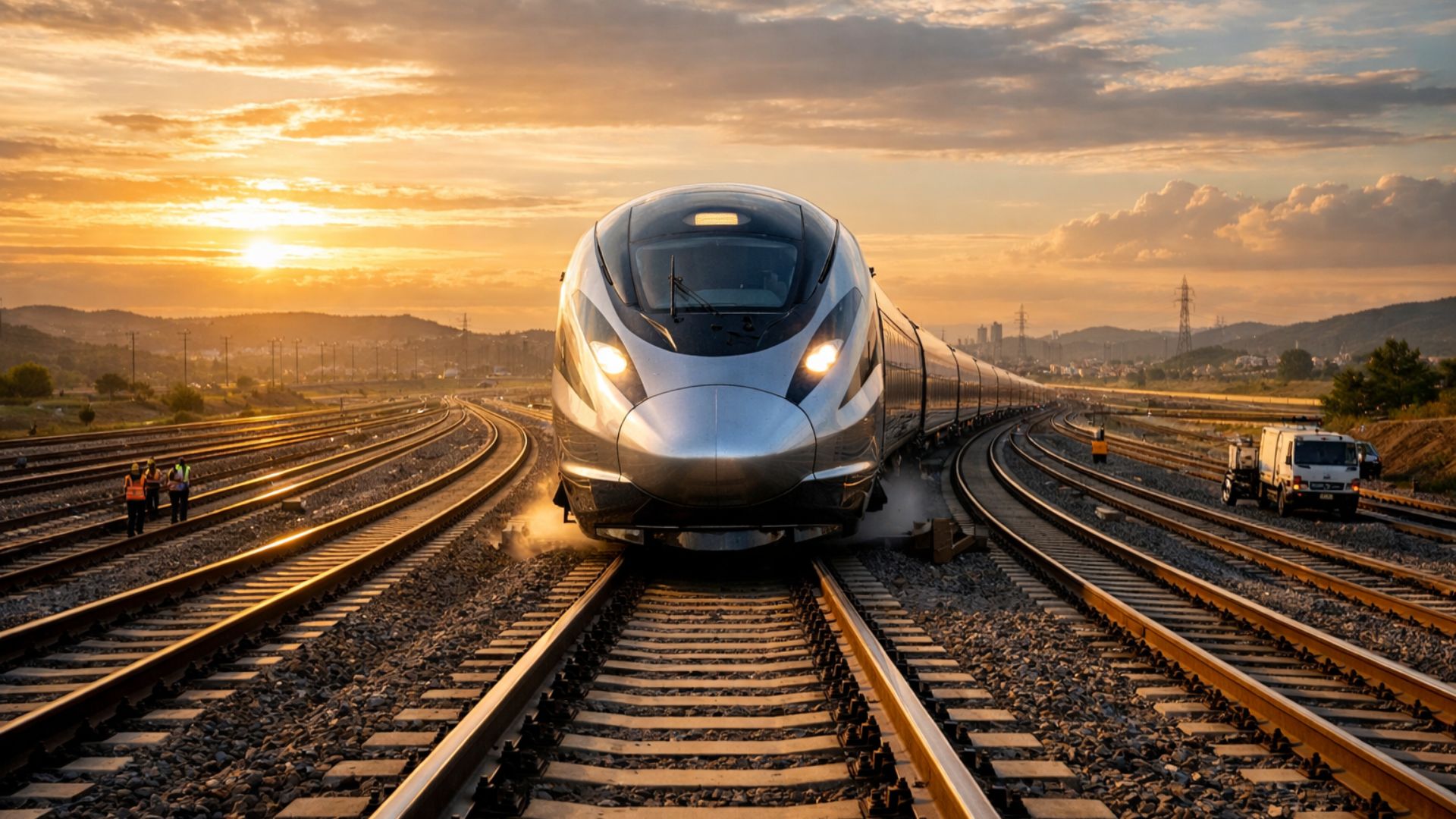
São Paulo surprises the world with a colossal railway network project that promises over 1,000 km of tracks, R$ 194 billion in investments, and 40 projects connecting the capital to the interior with fast and sustainable trains.
-
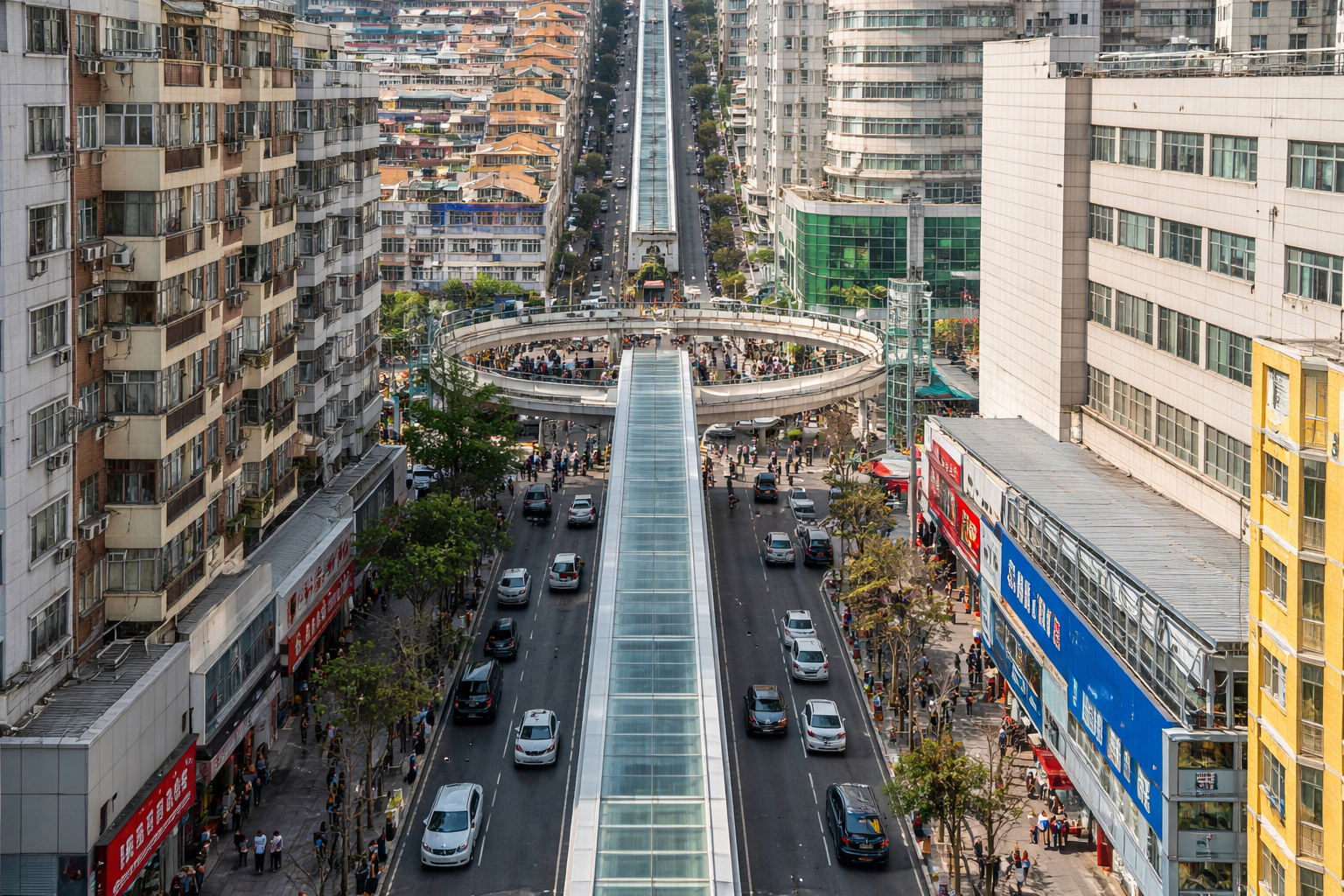
The world’s largest escalator, measuring 905 meters in China, reduces urban travel time from 1 hour to about 20 minutes and transforms mobility in mountainous regions with an engineering solution adapted to the terrain.
-
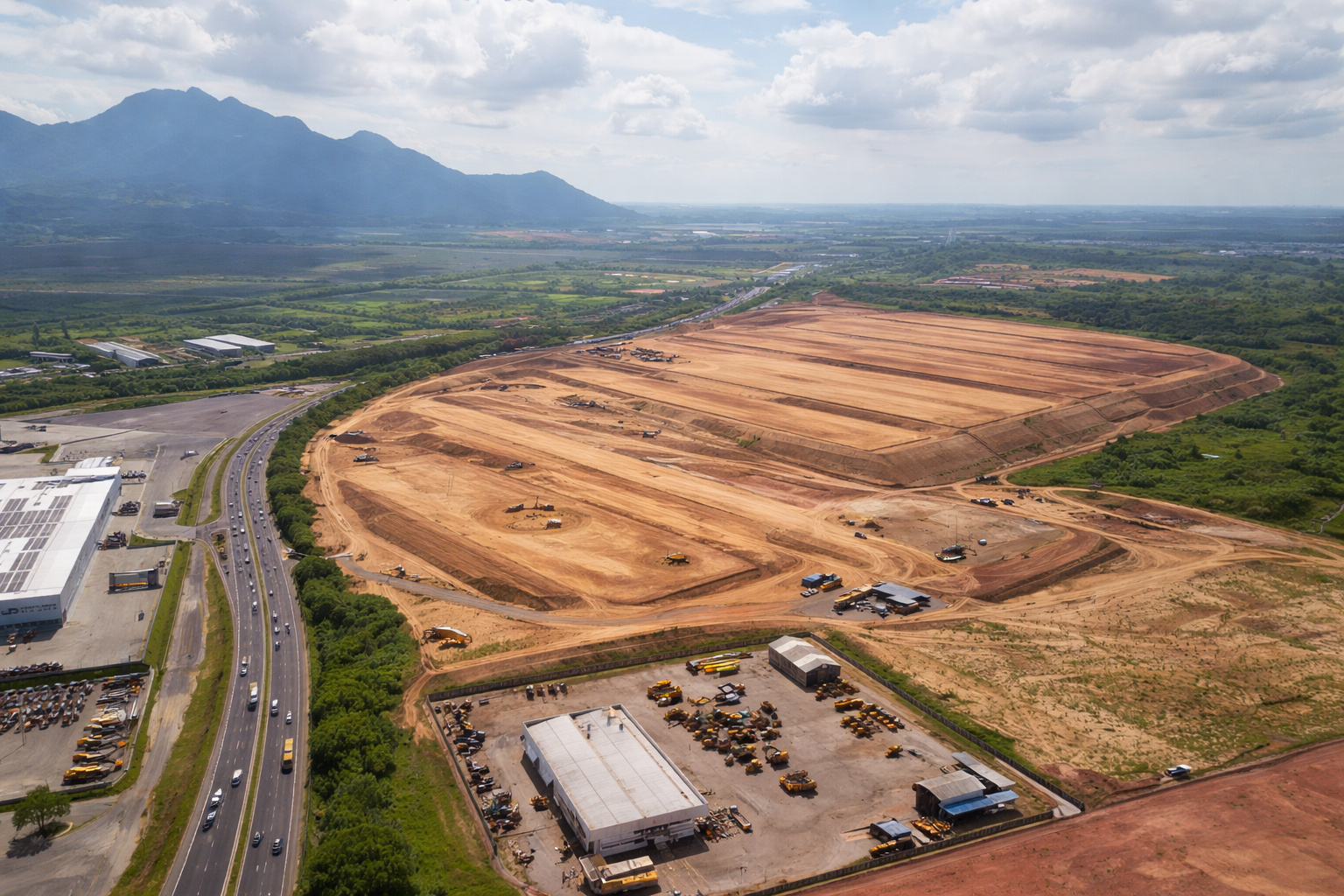
A R$ 300 million logistics giant is taking shape in Serra with over 100,000 m² and raises a question: how can this transform e-commerce and distribution in the state?

The railway will cross the states of Bahia, Goiás, Mato Grosso, Rondônia, and Acre, connecting to segments already under construction, such as Fiol and Fico, and will continue to the Peruvian coast, where the modern Port of Chancay, with a strong Chinese presence, is already ready to receive large-scale cargo. And Brazil? It’s not yet an official member of the New Silk Road, but in practice, it is already boarding this agenda.

A Billion-Dollar Challenge — With Geopolitical and Strategic Returns
Don’t be fooled: crossing the Andes with rail tracks is cutting-edge engineering. The challenges are immense: climate, altitude, environmental impact, infrastructure, and, of course, cost. The budget has not yet been disclosed, but it is estimated that the studies will take up to five years. The execution? It will depend on how much interest, investment, and political pressure there is.
What is at stake is not just a railway. It is a new way for Brazil to communicate with the world. Today, we are excessively dependent on maritime logistics. With this railway, we could turn the tables — creating a strategic alternative and positioning ourselves as a central link between Asia and South America.








Se for na gestão peti sta, vai ser igual a transposição do São Francisco só desvio de dinheiro até secar o recursos e vim um com serenidade e terminar a obra