





 Portuguese
  English
  Spanish
  3 min of reading
  0 comments


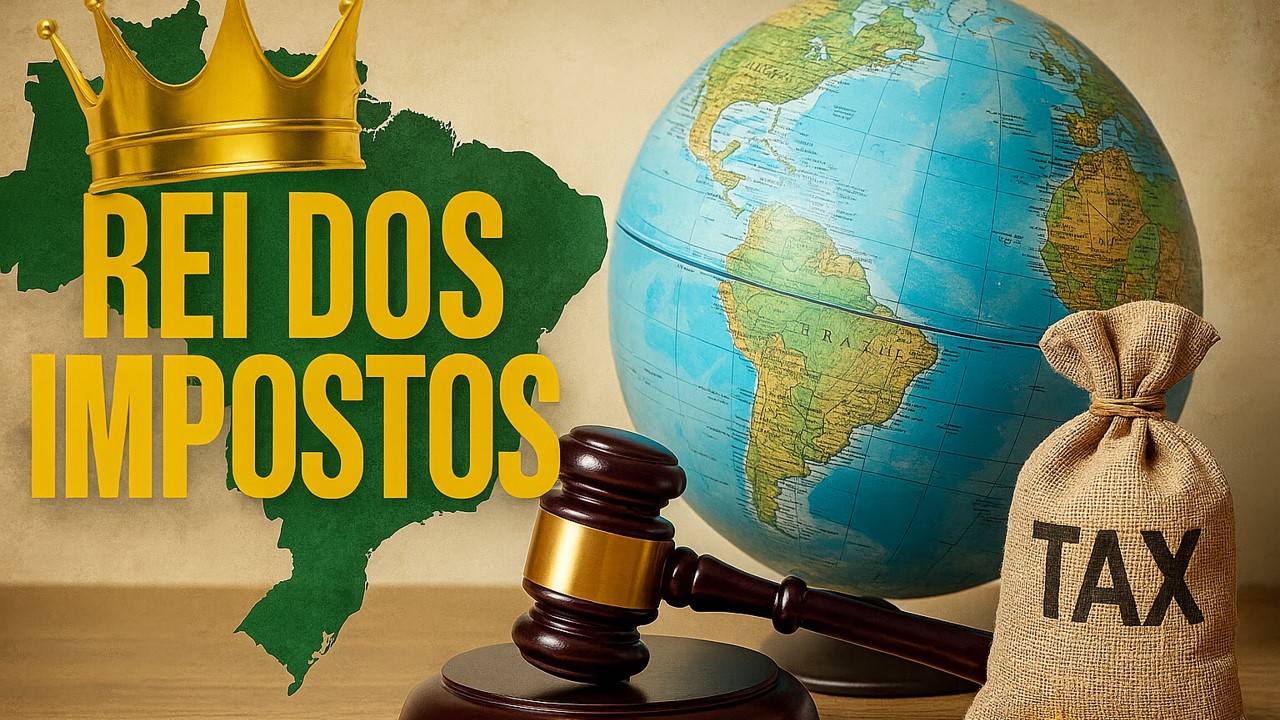
Study Reveals That Brazilians Work Up to 153 Days a Year Just to Pay Taxes – and the Return to the Population Ranks Among the Worst in the World
Brazil appears once again at the bottom of an international ranking on the use of collected taxes. According to the 14th Index of Return to Social Well-Being (IRBES), the country ranks last among 30 nations with the highest tax burdens. Despite the high tax burden, the country offers one of the worst social returns to its population.
At the top of the ranking are Ireland, Switzerland, the United States, and Australia — all countries with a high social return index. The study, conducted by the Brazilian Institute of Planning and Taxation (IBPT), reinforces a scenario already known to Brazilians: one of a taxpayer who pays a lot but receives little in return.
Even with one of the highest tax burdens on the planet, Brazil is less efficient even compared to neighbors like Argentina and Uruguay.
-
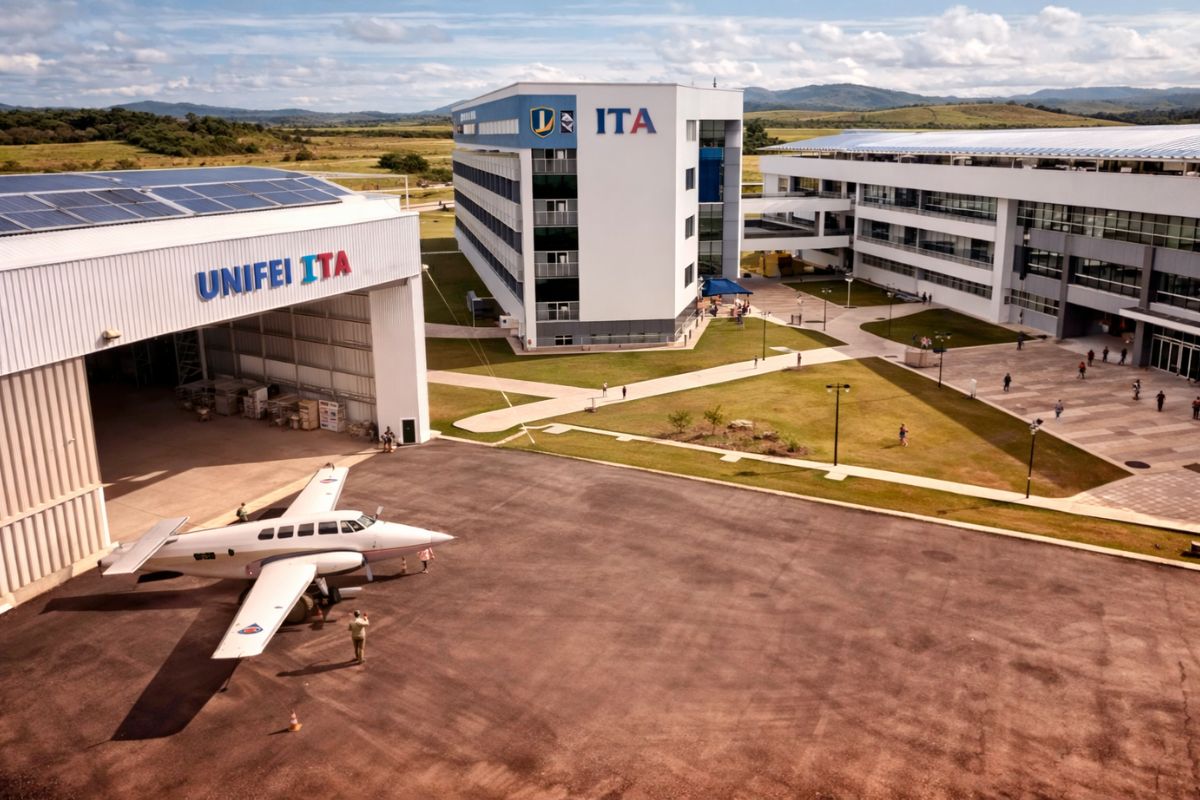
The institute that trained the greatest aerospace engineers in Brazil has just opened its first campus outside São Paulo after 75 years: ITA Ceará will have R$ 445 million, new courses in energy and systems, and classes are expected to start in 2027.
-
Luciano Hang, owner of Havan, goes to Juiz de Fora after the tragedy in February, brings R$ 1 million, hands out R$ 2,000 cards, and donates up to R$ 15,000 to victims in the region.

-
The Brazilian passport allows legal residence in dozens of countries without the need for a prior visa, and most Brazilians are unaware that they can apply for residency directly upon arriving in nations in South America, Africa, and even Europe.

-
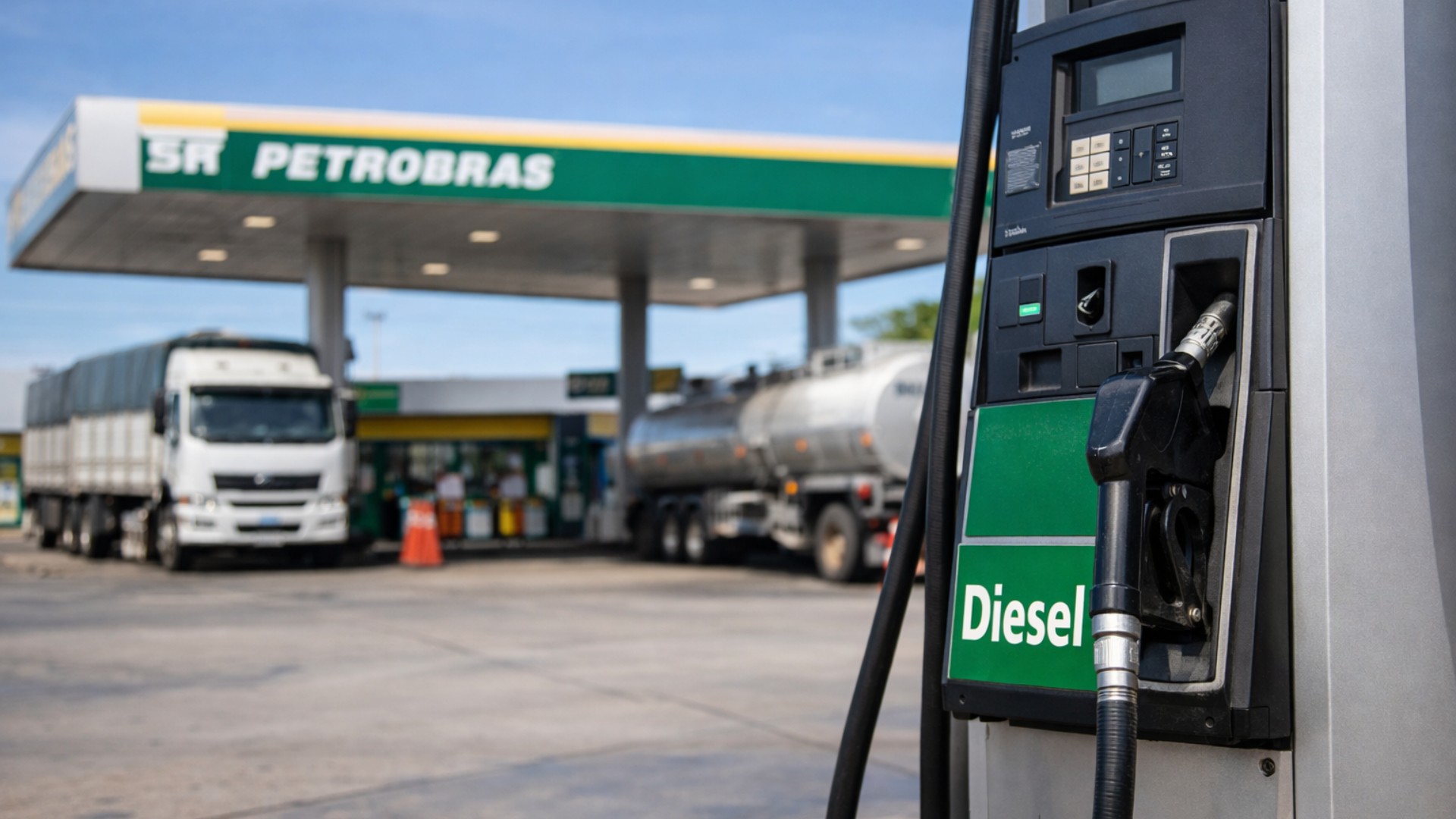
Petrobras sends a message to Brazilian truck drivers after fuel collapse and reveals plan to have 100% domestic diesel.

How Much Do Brazilians Work to Sustain the System?
The IBPT study shows that, with the recent increase in the IOF (Tax on Financial Transactions), Brazilians need to work even more to support the tax system. In 2024, it took 149 working days just to pay all taxes in Brazil. By 2026, the estimate has already reached an impressive 153 days – over five months of the year dedicated to financing the State.
Taxes on Vehicles: The Car You Buy Is Not Just Yours!
Buying a new car in Brazil is almost an act of economic resistance. It is estimated that up to 44% of the final value of a vehicle goes to taxes. There are layers of taxes in Brazil like IPI, ICMS, IPVA, PIS, and Cofins that together make the automobile one of the most heavily taxed goods in the national economy.
Meanwhile, in countries like the U.S., vehicle taxation is much lower. On average across OECD countries, the corporate income tax (including profit taxes) stands at 23.6%, compared to 34% in Brazil.
And What About Corporations, Do They Also Feel the Fiscal Burden?
The situation is also critical in the corporate world. The IRPJ and the CSLL can reach up to 34% of companies’ profits in Brazil, deterring foreign investments and harming the business environment. This combination of high tax burden and low social return creates a cycle of distrust and stagnation.
While developed countries use taxes to provide quality health, education, and public mobility, Brazil still fails to deliver the basics. The high tax burden does not translate into safe streets, well-equipped schools, or well-structured hospitals. The problem, therefore, is not just how much is collected — but how (and for whom) it is spent.
What do you think about taxes in Brazil? Share your thoughts in the comments!








-

Uma pessoa reagiu a isso.