





 Portuguese
  English
  Spanish
  3 min of reading
  0 comments



Hidden Potential and Opportunities for the Country
Brazil has one of the largest mineral potentials in the world. However, much of this wealth remains unexplored.
Thus, the country faces a strategic opportunity: to invest in geological mapping, expand mineral research, and transform raw resources into higher value-added products.
The Ministry of Mines and Energy has reported that it has studied in depth only about 30% of the national territory.
-
USA and China compete for Brazil over resources that could be worth trillions — rare earths put the country at the center of a global dispute

-
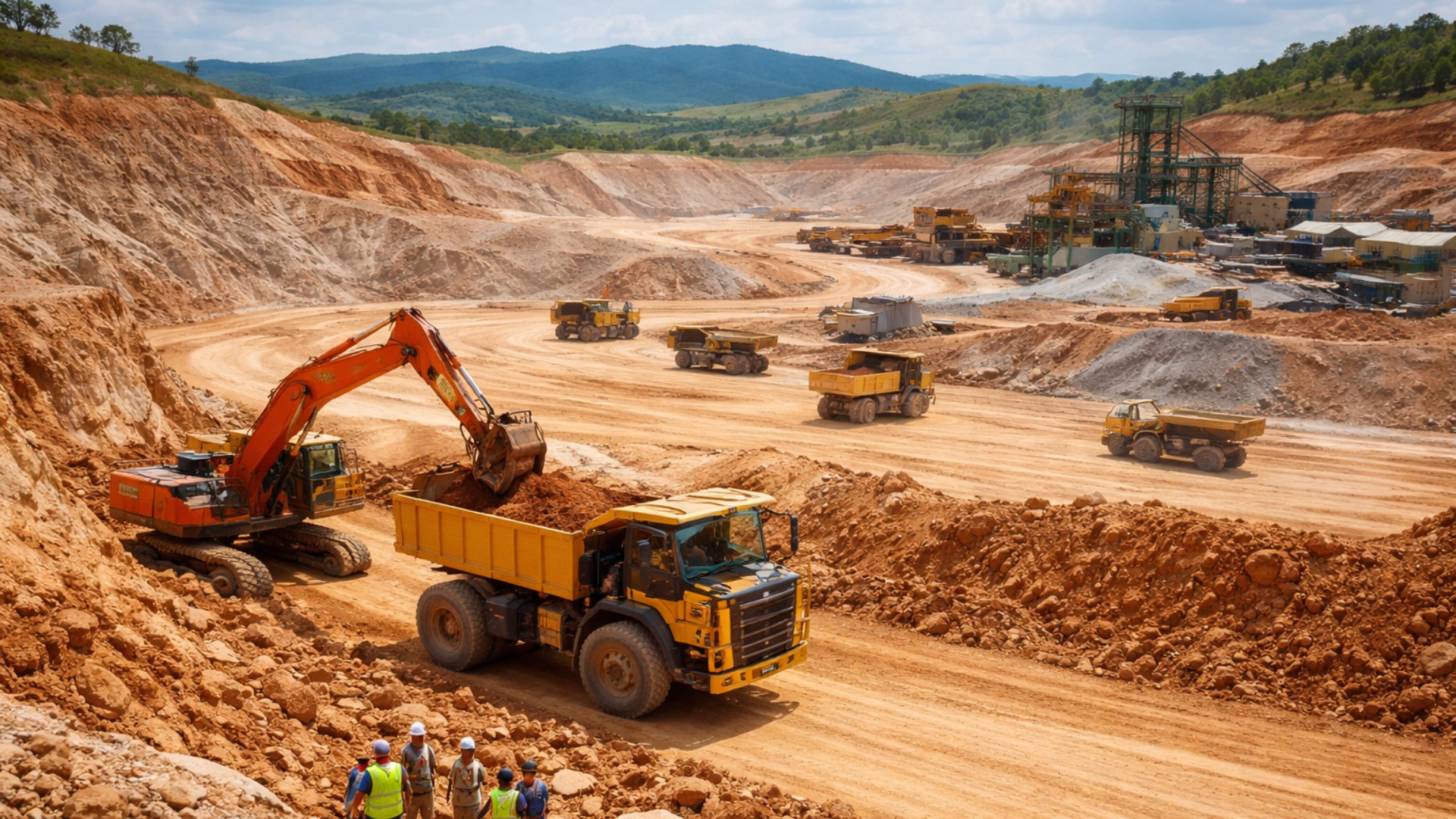
After China, it’s now the turn of the USA to ‘secure’ a share of Brazil’s natural resources: the country buys critical rare earths for R$ 3 billion and enters the center of the global technology dispute.
-
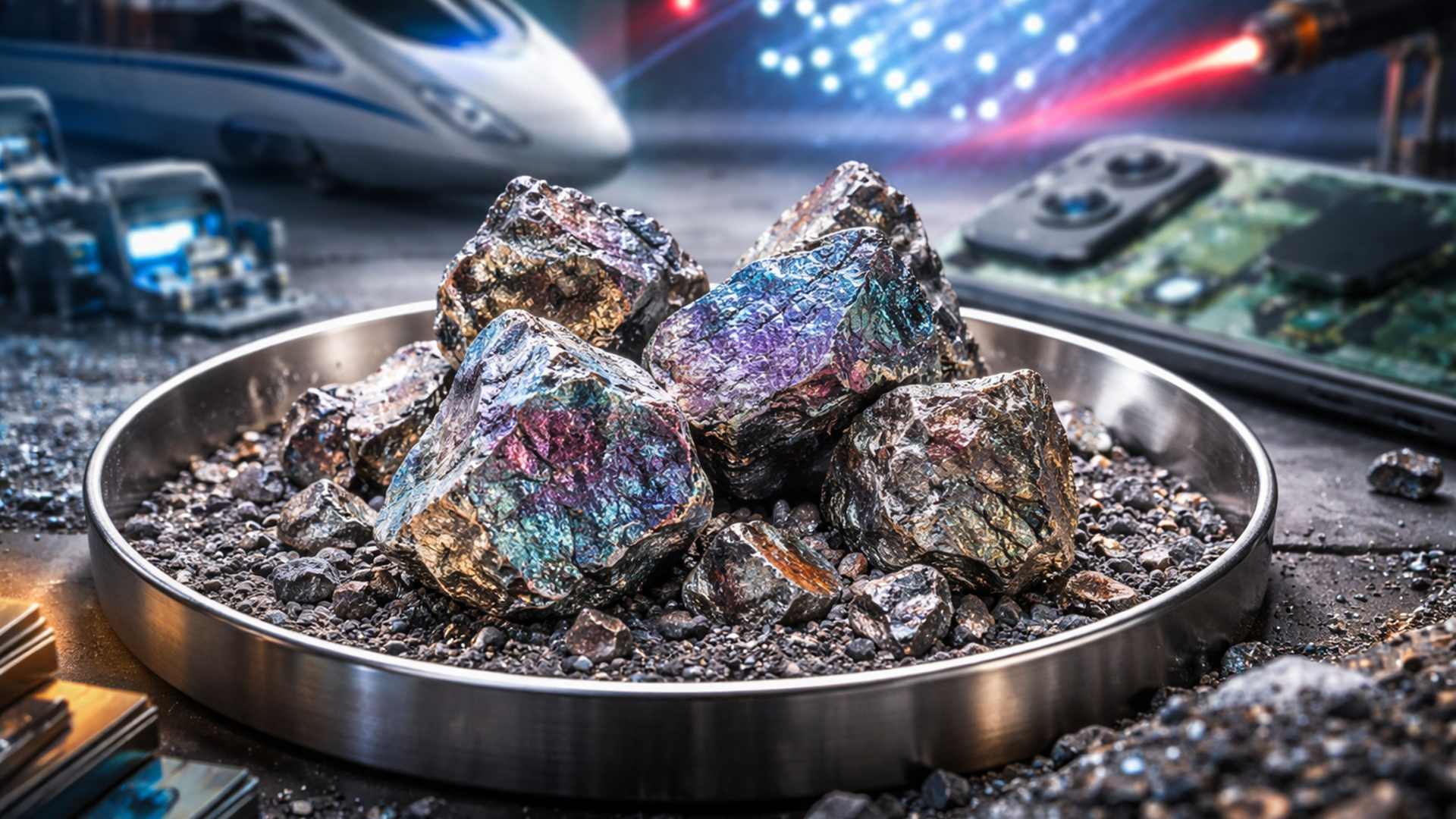
Rare earths are in everything, from cell phones to bullet trains, and what almost no one realizes is why they have become the target of such a delicate global war.
-
Brazil extracts 26.3 million tons of ore from what was previously treated as waste, transforming residues into wealth, producing over 3 million tons of sand, and demonstrating how national mining is relearning to generate value.
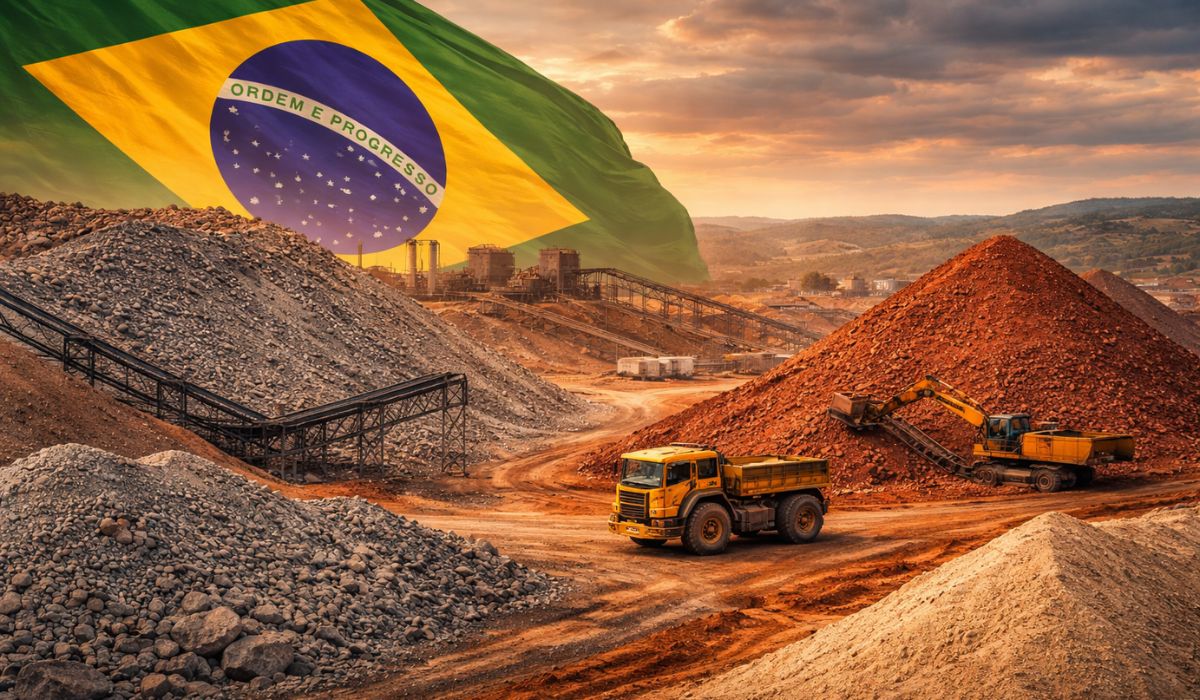

This demonstrates an open field for new discoveries and investments that can change the national economy.
Minas Gerais and New Frontiers of Mining
Historically, Minas Gerais has established itself as a mining hub. However, the state reaffirms this role with recent discoveries of lithium and niobium.
Experts consider these minerals essential for modern batteries and special alloys.
The Geological Service of Brazil highlighted that such discoveries are already attracting international investors.
In addition to Minas Gerais, regions in the North and Midwest also show significant potential.
However, they face limitations in infrastructure and logistics.
Thus, investments in transportation and energy in these areas become crucial to enable new mining hubs capable of generating jobs and boosting local economies.
Obstacles Limiting Growth
Despite the potential, mineral exploration faces technical, regulatory, and market challenges.
Bureaucratic processes, such as prolonged environmental licensing, delay projects and discourage investors.
Meanwhile, complex regulations increase costs and make expansion less attractive.
Another critical point is the lack of processing industrial plants.
Today, much of the minerals are exported without processing, which reduces economic gain.
To reverse this scenario, Brazil needs to invest in technology and infrastructure.
This ensures that strategic minerals are processed internally before export.
Recent Policies and Strategic Initiatives
The Brazilian government recently announced measures to unlock the sector.
Among them are tax incentives, updates to regulations, and the creation of monitoring councils.
Moreover, international alliances are being established to expand geological mapping.
The National Bank for Economic and Social Development confirmed that new research and development funds should inject capital into projects aimed at sustainable exploration.
As a result, these initiatives seek to strengthen national competitiveness.
They also position Brazil in the global market for strategic minerals.
Economic and Social Impacts for Mining Cities
In the regions directly affected, the expansion of mining can transform the local reality.
In municipalities in Minas Gerais and Pará, studies by the National Confederation of Industry indicate that new projects should generate thousands of jobs.
In addition, they will increase tax revenues and public investments.
However, experts emphasize that this development needs to occur sustainably.
Practices that preserve the environment and respect traditional communities must be a priority.
If well managed, the advancement of mining can combine economic growth with lasting social benefits.
Thus, Brazil’s mineral wealth can be used responsibly.





Seja o primeiro a reagir!