





 Portuguese
  English
  Spanish
  4 min of reading
  0 comments


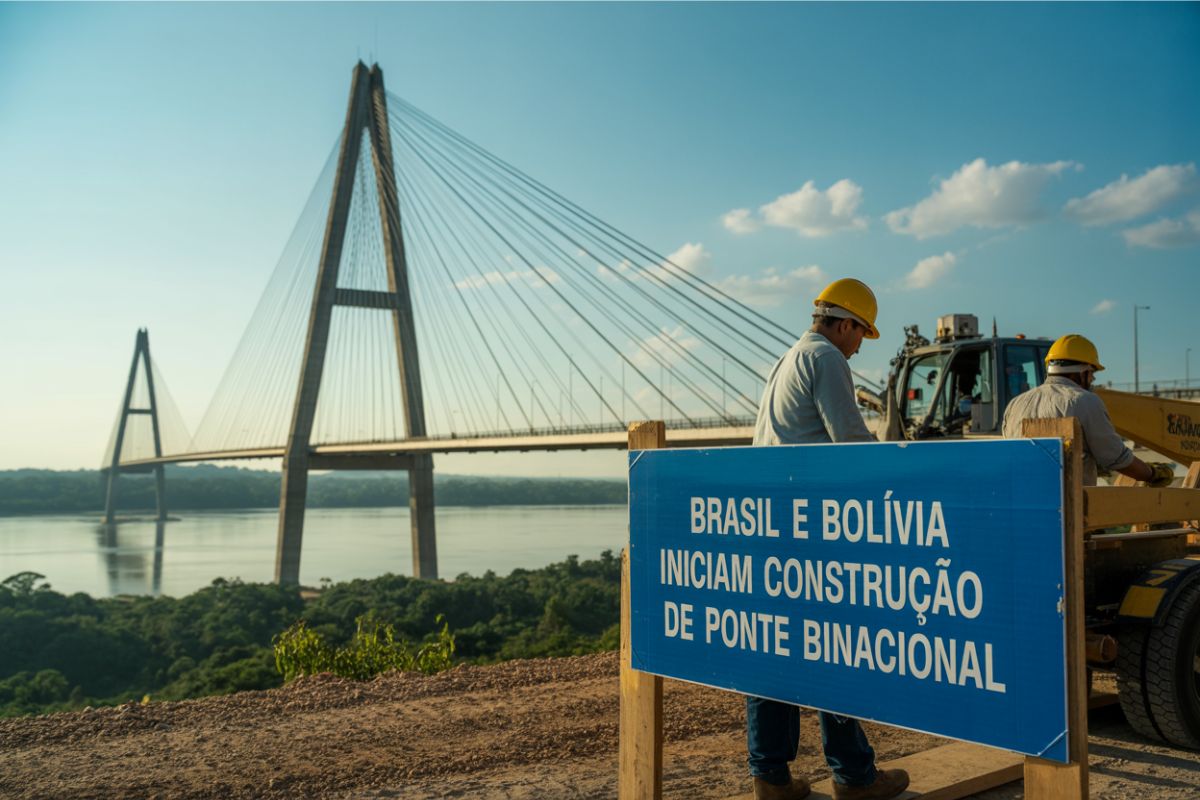
Brazil and Bolivia Begin Historic 1.2 km Bridge Over the Mamoré River: Promise Made 122 Years Ago Finally Starts to Become a Reality
The mega structure over the Mamoré River will have a length of 1.2 km, an investment of R$ 430 million, and symbolizes a new era of integration between the countries, 122 years after the Treaty of Petrópolis.
The wait of more than a century is coming to an end. The governments of Brazil and Bolivia have officially started the construction of the Guajará-Mirim Binational Bridge in the state of Rondônia, which will connect the Brazilian municipality to the Bolivian city of Guayaramerín in the Beni department. The project, which will cross the Mamoré River with an extension of 1,220 meters and a width of 17.3 meters, is part of the New PAC and represents the fulfillment of one of the most symbolic clauses of the Treaty of Petrópolis, signed in 1903.
The project is estimated at R$ 430 million and will be executed within 36 months, with resources from the Brazilian government. The launch of the bidding and the work order took place at two moments: an event in Brasília at the Ministry of Transport, attended by authorities from both countries, and another in Porto Velho (RO), with the participation of President Luiz Inácio Lula da Silva and the Bolivian Minister of Public Works, Édgar Montaño.
-
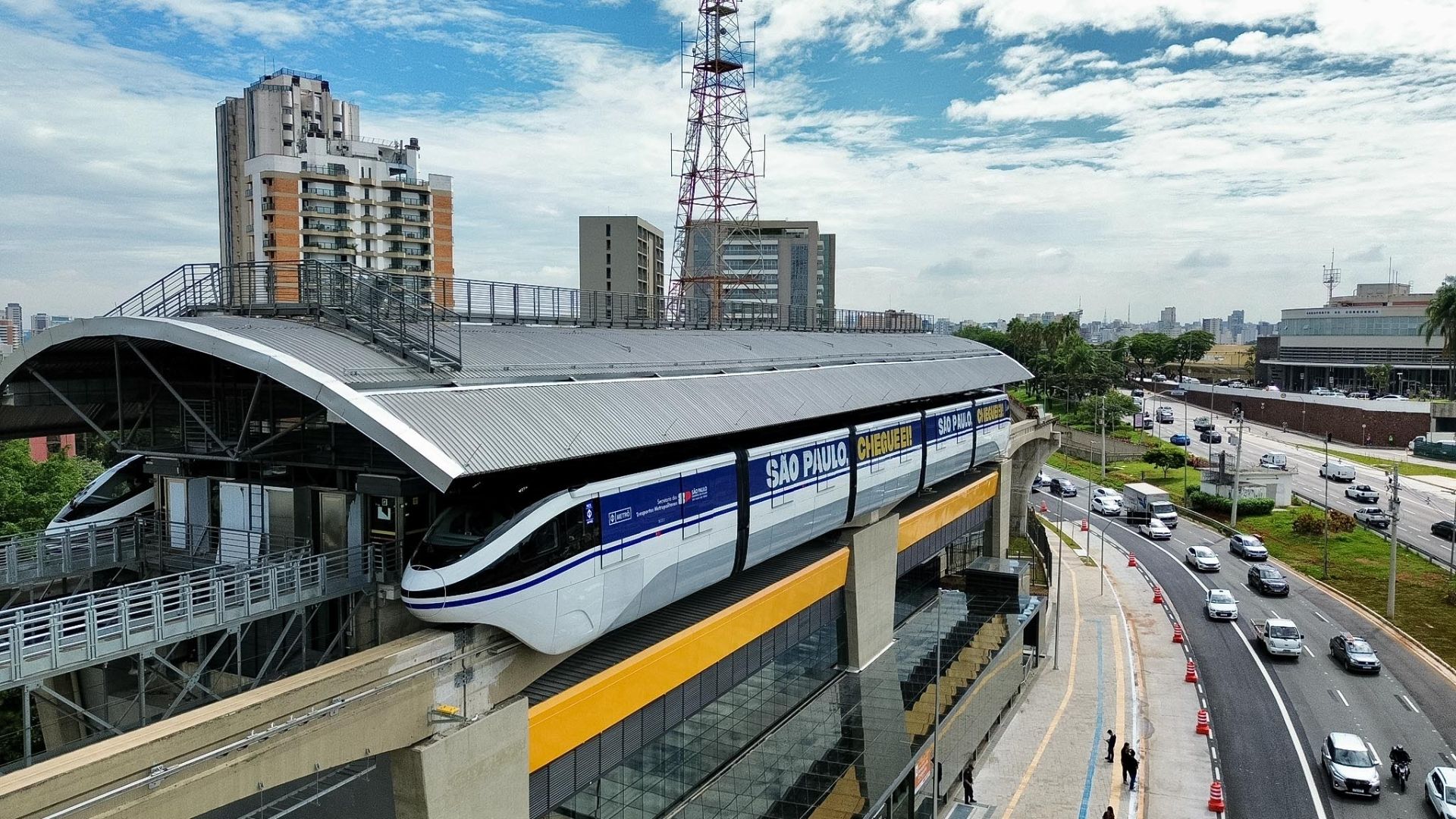
Congonhas receives the monorail promised for the 2014 World Cup after more than a decade of delays and becomes the first airport in Brazil with integrated subway.
-
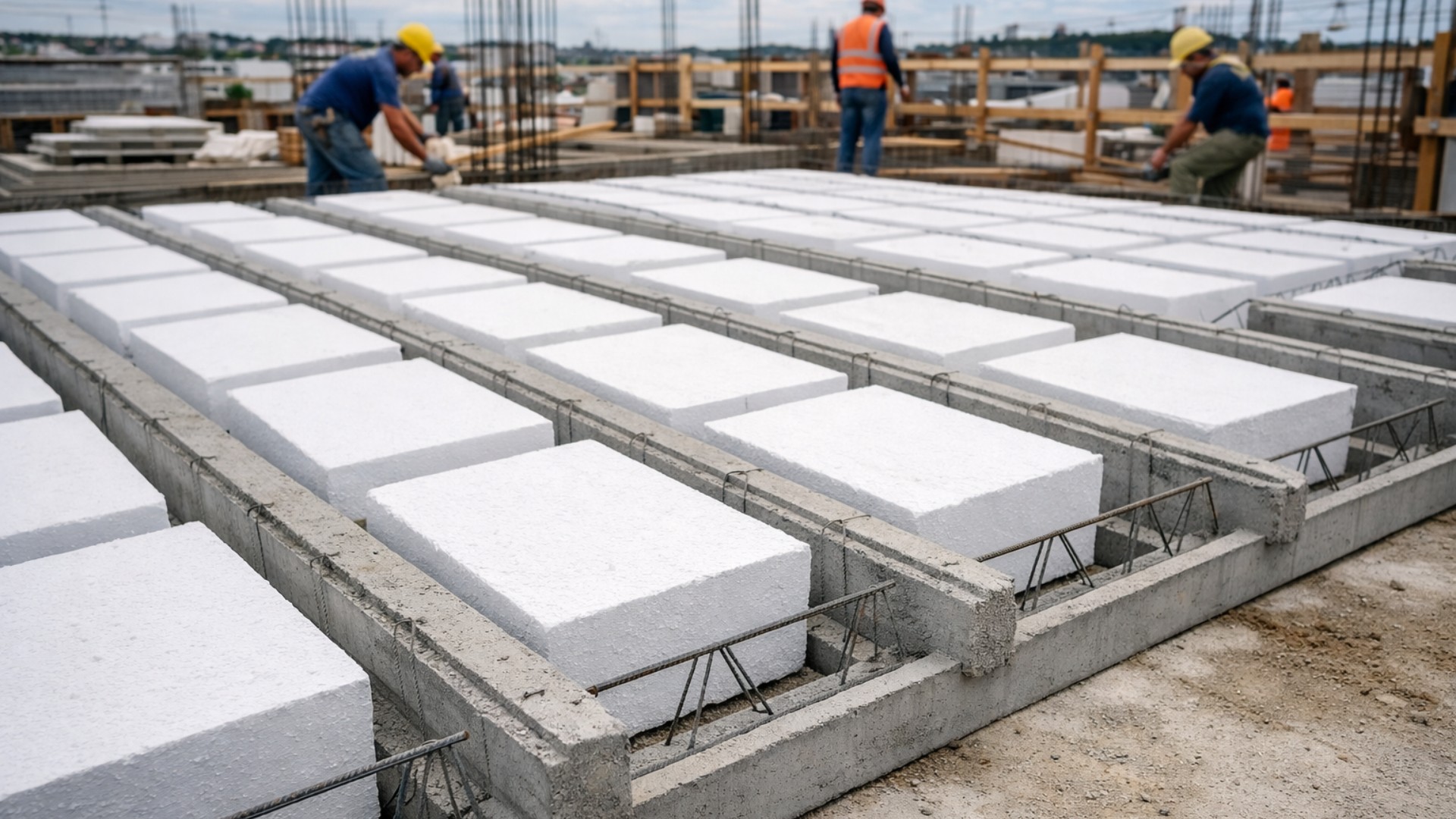
Goodbye, concrete: a new trend in civil construction reduces the weight of the structure by up to 30%, accelerates projects by up to 40%, cuts costs on steel and labor, and improves thermal insulation with EPS.
-
Russian engineers create an innovative propeller blade for aircraft that could completely change the way airplanes and helicopters operate.

-
Couple finishes building PVC chalet on the beach on the last day, with air conditioning and curtains, but discovers the bathroom drain is inverted: water escapes from the drain, risking breaking the floor, and the rush continues before the trip.


A Historic Project With Geopolitical and Logistical Impact
The construction of the bridge seals an old promise made by Brazil to Bolivia, in the context of the cession of territory that today forms the state of Acre. The Treaty of Petrópolis provided for compensations for the loss of more than 190,000 km² of Bolivian territory, including the commitment to facilitate integration between the countries.
Now, more than 120 years later, the new crossing takes on a central role in two strategic projects for the neighboring countries: for Brazil, the bridge enables the so-called “Exit to the Pacific”, allowing the flow of Brazilian products through Bolivian highways to Chilean ports, with lower logistical costs. For Bolivia, the infrastructure guarantees direct access to the Atlantic Ocean via the port of Porto Velho, consolidating its maritime connection with the international market.
Road Access on Both Sides of the Border
The bridge structure will be complemented by robust road access. On the Brazilian side, it is planned to construct a stretch of 3.7 km linking the bridge head to km 142.7 of BR-425/RO, the main highway in the region. BR-425/RO plays a fundamental role in Amazon logistics: with 148 km in length, it connects BR-364/RO, in Abunã, to the border with Bolivia, passing through the municipalities of Nova Mamoré and Guajará-Mirim. The highway has paved lanes and variable shoulders, serving regional and international traffic.
On the Bolivian side, access to the bridge will have approximately 6 km in length, with the final connection defined by the country’s authorities. For this, Bolivia has already secured funding from CAF (Development Bank of Latin America and the Caribbean) to conduct the necessary studies and will invest around 2.8 million bolivianos in road infrastructure projects.
Ceremony and International Participation
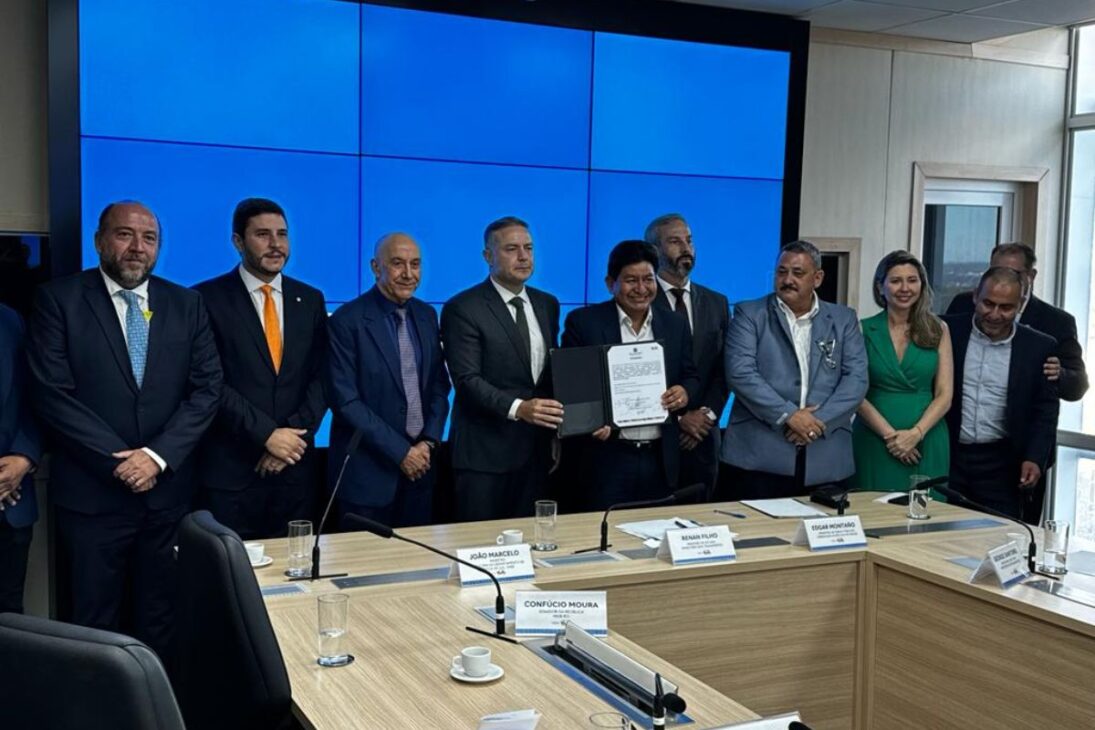
The official launch of the project was marked by an event in Brasília at the Ministry of Transport, which was attended by Minister Renan Filho, National Secretary of Road Transport Viviane Esse, Director of the South America Department João Marcelo Galvão de Queiroz, and the Governor of Rondônia Marcos Rocha.
Also present were the General Director of DNIT, Fabrício Galvão, the Superintendent of DNIT in Rondônia, André Santos, federal representatives from the state, and representatives from the Bolivian embassies in Brazil and from Brazil in La Paz. The Mayor of Guajará-Mirim, Raissa Paes, and the Mayor of Guayaramerín, Angel Freddy Maimura Reina, were also present.
During the ceremony, a contract was signed for the construction of a viaduct at the intersection of BR-364/435, accessing the city of Colorado do Oeste, also in Rondônia. The estimated value of this project is R$ 28.7 million.
Regional Integration, Jobs, and Development
The construction of the binational bridge represents more than a historic promise: it is a milestone in the physical, economic, and political integration of South America. In addition to facilitating the flow of people and goods, the structure is expected to generate hundreds of direct and indirect jobs, boost tourism, and strengthen agricultural and commercial production in the Amazon region of both countries.
“The project symbolizes not only the union between two peoples but also a new era of opportunities, with more jobs, access to international markets, and logistical development,” emphasized the Governación del Beni in an official statement.
For the Bolivian Minister Édgar Montaño, the start of construction is “a victory of diplomacy, integration, and the vision of the future that unites the two countries through concrete and transformative infrastructure.”







Seja o primeiro a reagir!