





 Portuguese
  English
  Spanish
  4 min of reading
  0 comments


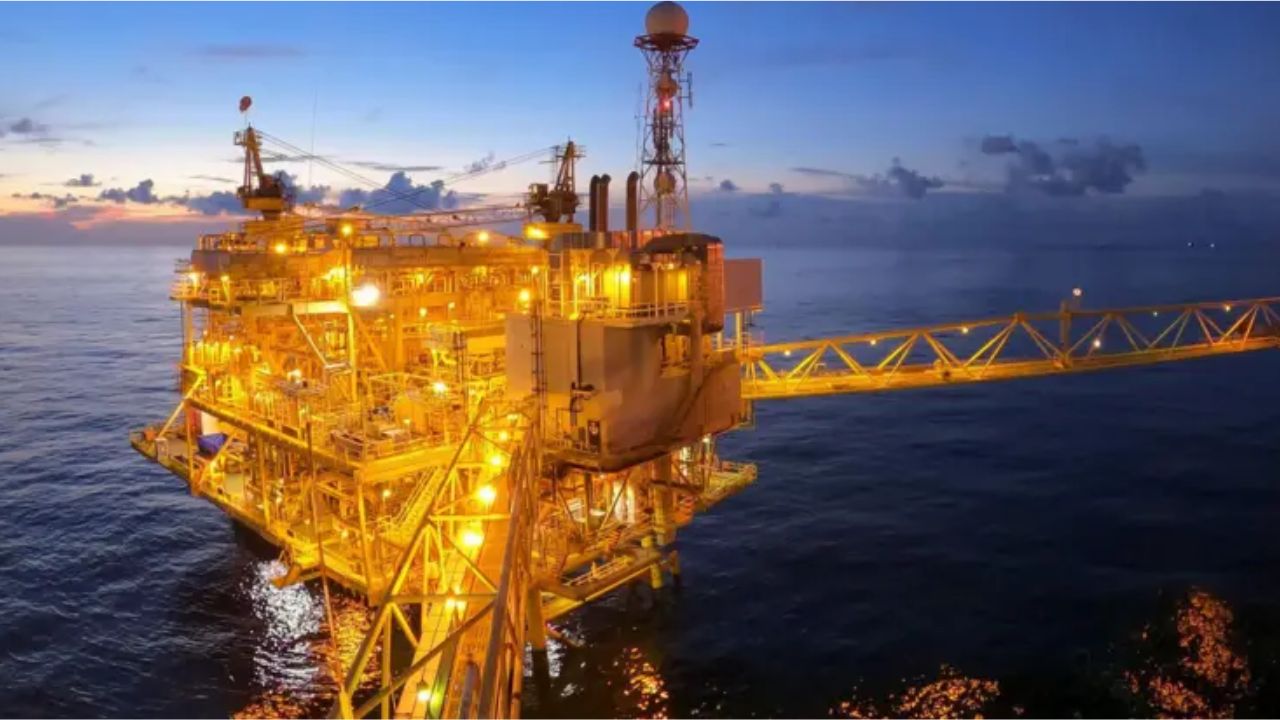
Brazil Leads Oil Production In South America With Pre-Salt And Drives The Fastest Growth In The World Until 2030.
South America is undergoing a historic transformation in the oil industry, led by Brazil. According to the National Agency of Oil, Natural Gas and Biofuels (ANP), the country recorded a record of nearly five million barrels per day in June 2025, establishing itself as a key player in the sector.
This advancement comes at a time when the region stands out as the fastest-growing in the world in fossil fuel production, with a projected increase of 30% by 2030, outpacing the Middle East and the United States.
The rapid growth is primarily supported by Brazilian pre-salt, the Stabroek block in Guyana, and the Neuquén Basin in Argentina, reshaping the global energy map.
-
A major turn in the Justice system suspends tax increases and directly impacts oil and gas companies in Brazil by affecting costs, contracts, and financial planning, leaving uncertain what could happen to the sector if these costs had increased.

-
Brava Energia begins drilling in Papa-Terra and Atlanta and could change the game by reducing costs in oil while increasing production and strengthening competitiveness in the offshore market.
-
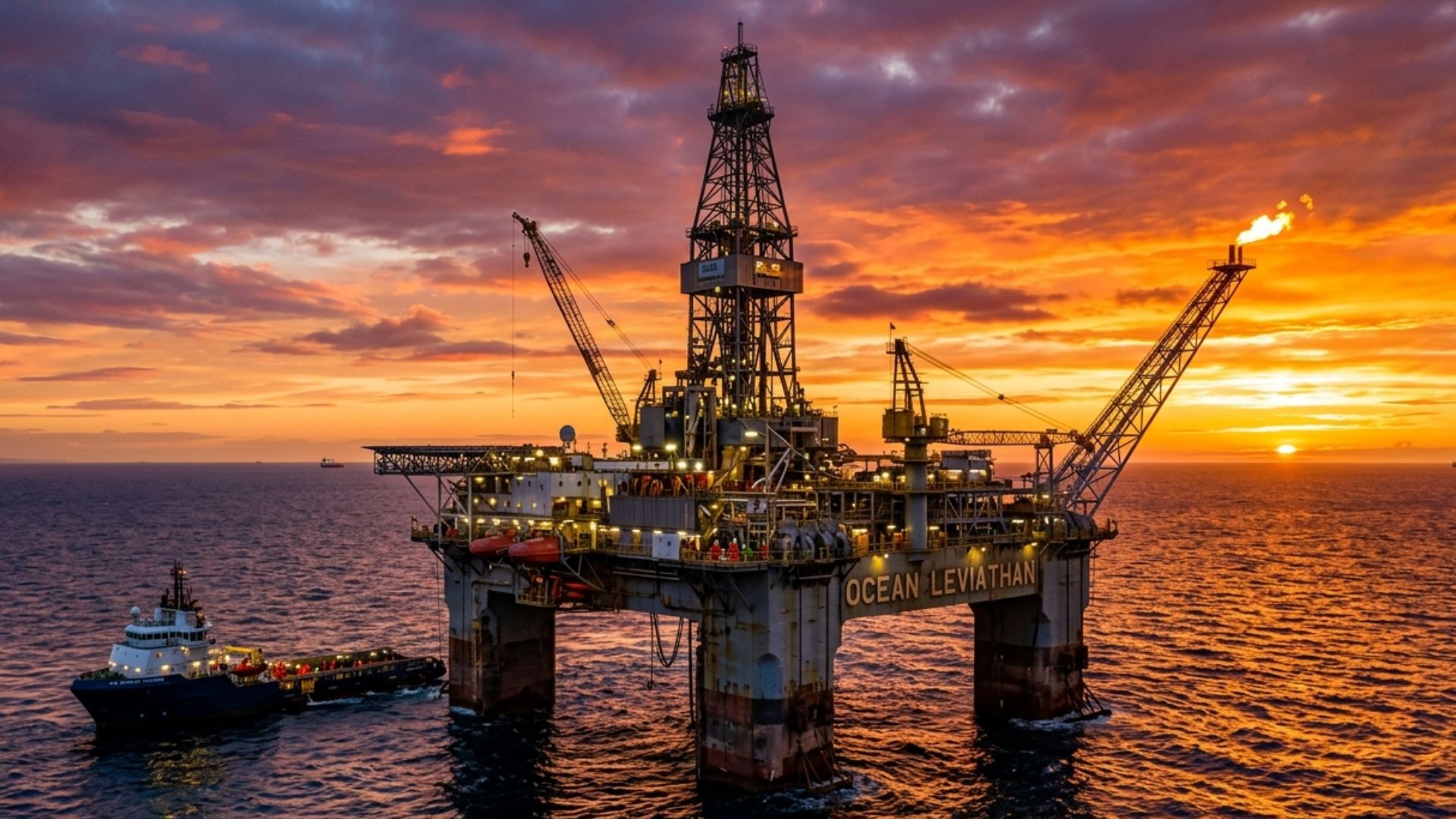
Petrobras surprises the world again by announcing a new discovery in the pre-salt with excellent quality oil.
-
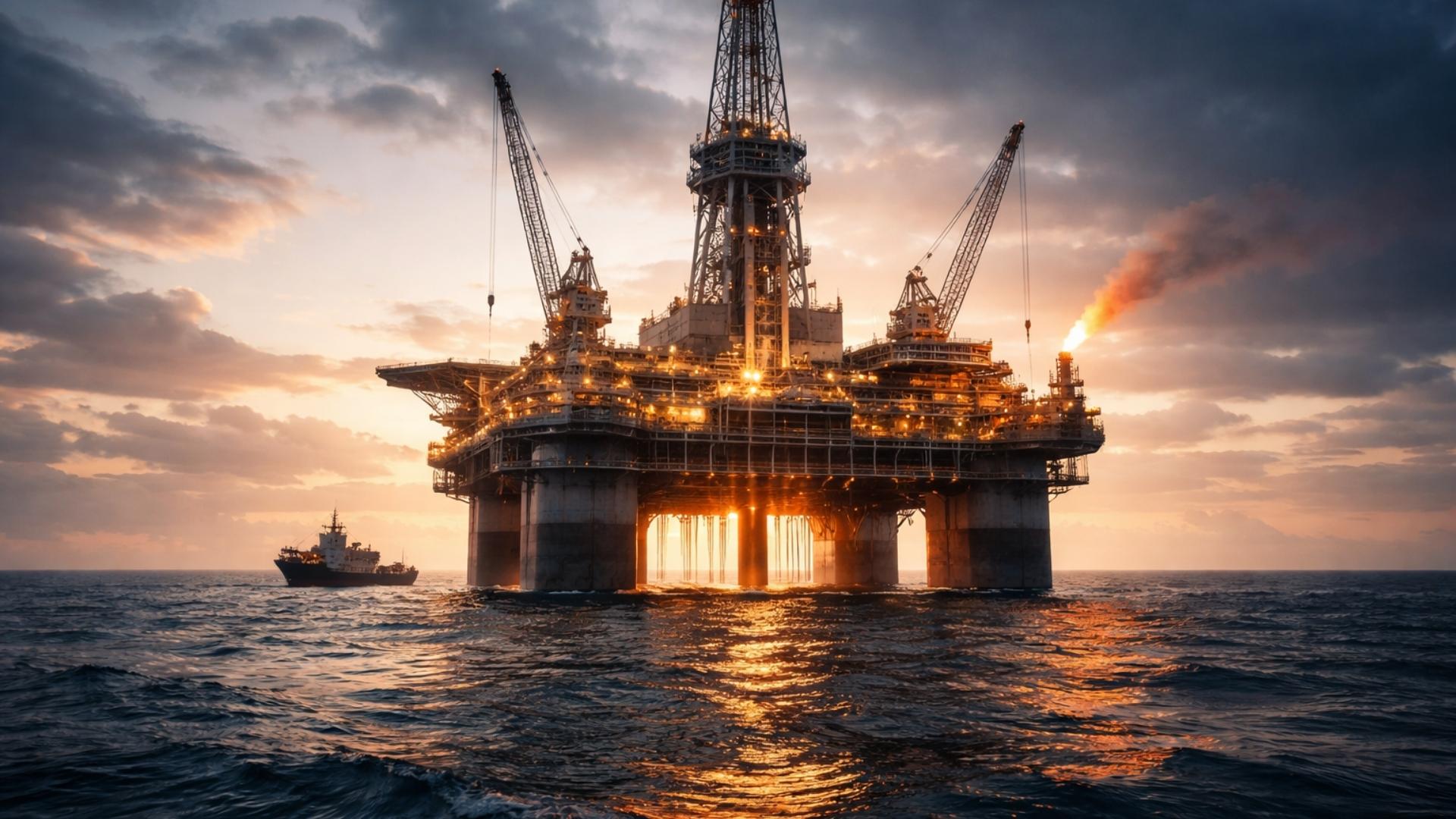
Offshore industrial demand in Macaé skyrockets with the recovery of oil and gas and could grow by up to 396% by 2026 in the Campos Basin.
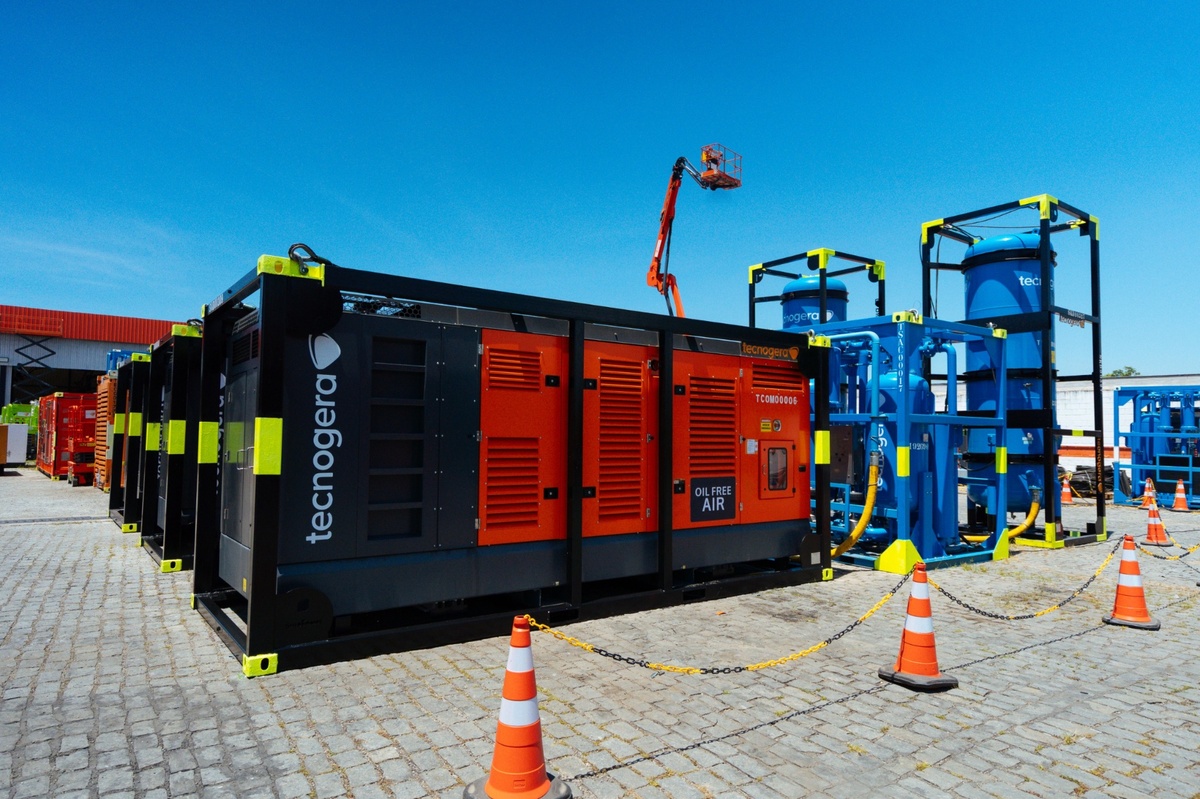

Brazilian Pre-Salt Attracts Investments And Strengthens The Industry
The main driver of growth in Brazil is the pre-salt, a submarine geological formation located beneath thick layers of salt that holds immense reserves of oil and gas.
Considered one of the most promising fields on the planet, the pre-salt has transformed the country into a magnet for billions in investments.
Projects like Búzios, Mero, Sépia, and Atapu are among the largest in the world in deep waters and feature strong participation from Petrobras, which is expanding its production units to ensure a continuous increase in supply.
According to Flávio Menten, an analyst at Rystad, “South America is the largest deepwater producing region in the world.” This profile places Brazil in a strategic position to meet global demand while financing energy transition policies.
Guyana And Argentina Enter The Global Oil Map
While Brazil consolidates its leadership, Guyana surprises with one of the most significant reserves on the planet.
Since the discovery of the Stabroek block in 2015, the small country of just over 800,000 inhabitants has been experiencing a true oil boom.
Led by ExxonMobil, the consortium operating in the offshore area is already planning to double production by 2030.
In Argentina, the Vaca Muerta formation, located in Neuquén Province, has become a benchmark in shale oil and gas exploration. In July 2025, production reached a year-on-year growth of 28%, the highest in the region’s history.
Experts, such as researcher María Cristina Pacino from the National University of Rosario, emphasize that the speed of this advancement “will depend on investment in infrastructure.”
A pipeline of over 400 kilometers is expected to come online by the end of 2026, connecting Vaca Muerta to a terminal on the Atlantic.
The Challenge Of Maintaining The Pace Beyond 2030
Despite rapid growth, analysts warn that the South American oil industry faces a significant challenge: sustaining the pace after 2030.
The continuation of the boom will depend on the discovery and exploration of new reserves, as many mature fields are showing signs of depletion.
Pietro Ferreira from Wood Mackenzie notes that current projects combine “high productivity and low carbon intensity,” a determining factor for maintaining investment attractiveness in the sector.
Studies from McKinsey Energy Solutions indicate that by the end of the decade, production in the region could grow by up to 35%, with an average annual increase of 4% to 5%. The global average, in comparison, is unlikely to exceed 1%.
Energy Transition And Environmental Dilemmas
The advancement of oil in South America also generates intense debates. On the eve of COP30, which will be held in Brazil in November 2025, President Luiz Inácio Lula da Silva stated that “it is from this wealth that we will have money to build the dreamed energy transition.”
However, critics consider it contradictory to finance renewable energies with revenues from fossil fuels.
While environmental organizations push for greater investment in solar, wind, and green hydrogen energy, the oil sector emphasizes that production costs in the region are lower than in other parts of the world.
Additionally, experts warn that the global economy risks facing oil scarcity after 2030 if new fields are not explored.
South America, The New Axis Of The Global Industry
With competitive costs, abundant reserves, and large-scale projects, South America is on track to establish itself as the most dynamic growth center in the global oil industry.
Brazil, driven by the pre-salt and the strategic actions of the National Agency of Oil, Natural Gas and Biofuels, remains a key player in this energy landscape.
At the same time, Guyana and Argentina are increasing their relevance, transforming the continent into a protagonist of a new era.
The challenge, however, will be to balance economic development with environmental pressures, in a global scenario that demands energy transition but still heavily relies on oil.







-

Uma pessoa reagiu a isso.