





 Portuguese
  English
  Spanish
  5 min of reading
  0 comments


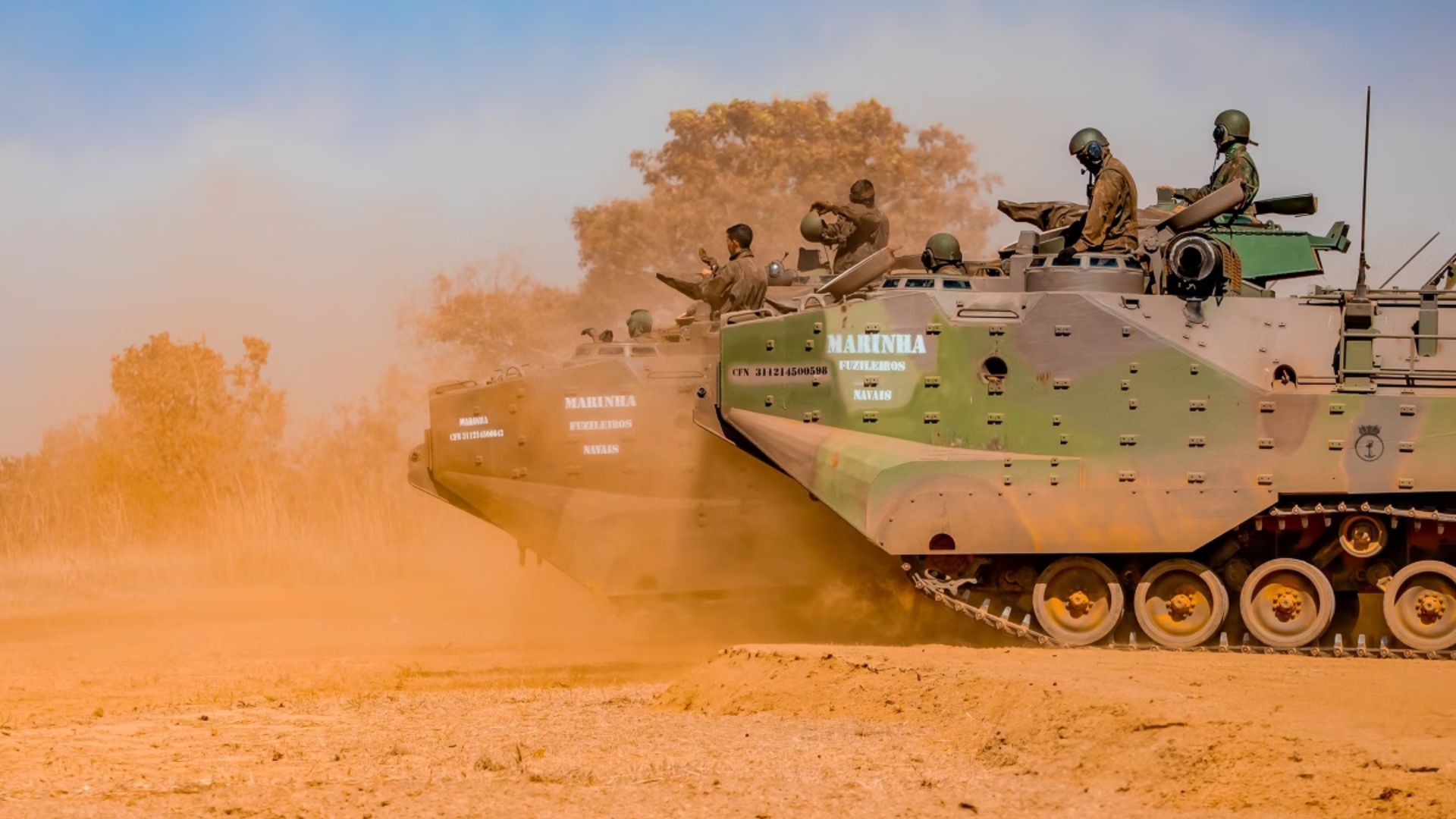
Army, Navy, and Air Force Participate in War Exercise in the Amazon with Armored Vehicles, Fighter Jets, Astros Missiles, and the Ship “Atlântico,” in Operation Testing Logistics, Interoperability, and Cyber Defense in Realistic Combat Scenario.
Brazil began on Thursday (02) one of the largest military training exercises in recent years in the Amazon.
The Atlas Operation, which will last until the next day 11, brings together around 10,000 military personnel from the three Forces, employing Astros missile systems, fighter jets, armored vehicles, and naval assets.
The focus is to test, in a realistic environment, the defense capability of the region and the interoperability between the Navy, Army, and Air Force.
-
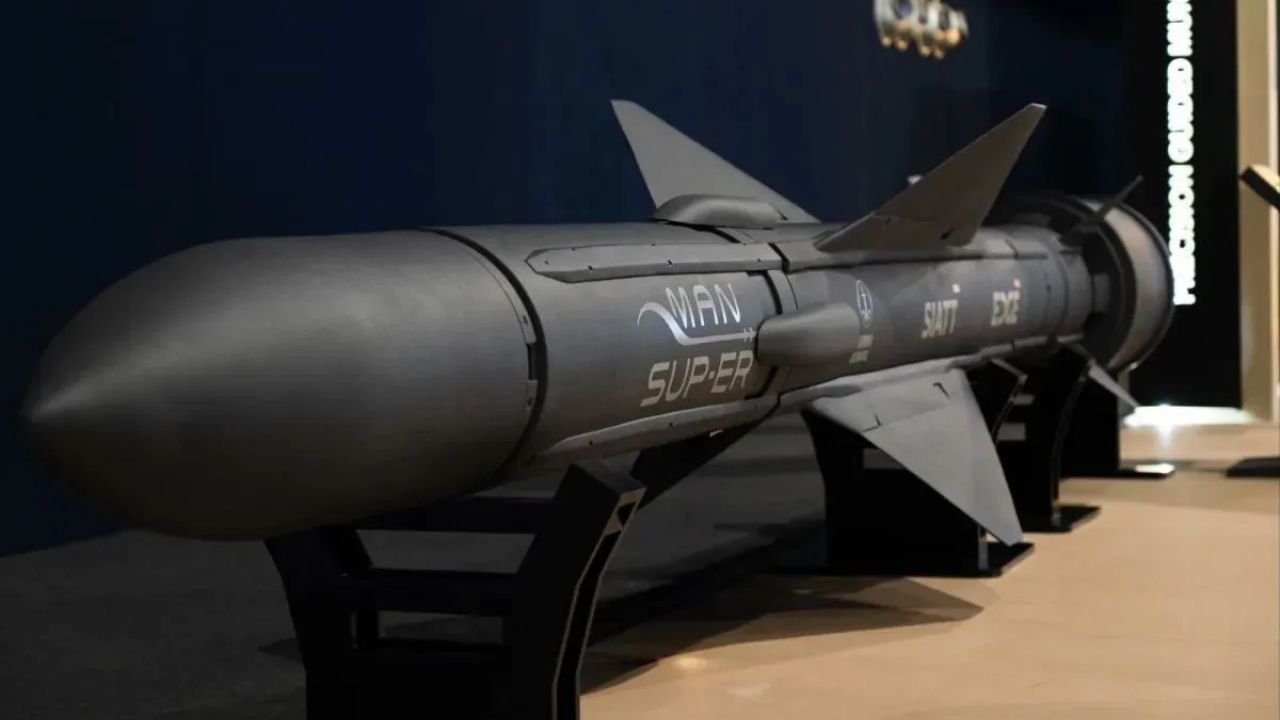
Brazil accelerates the evolution of the MANSUP missile, designing an air-surface version with a range exceeding 200 km, advanced guidance, and precision strike capability against land and naval targets, paving the way for a new generation of national armaments with global potential.
-
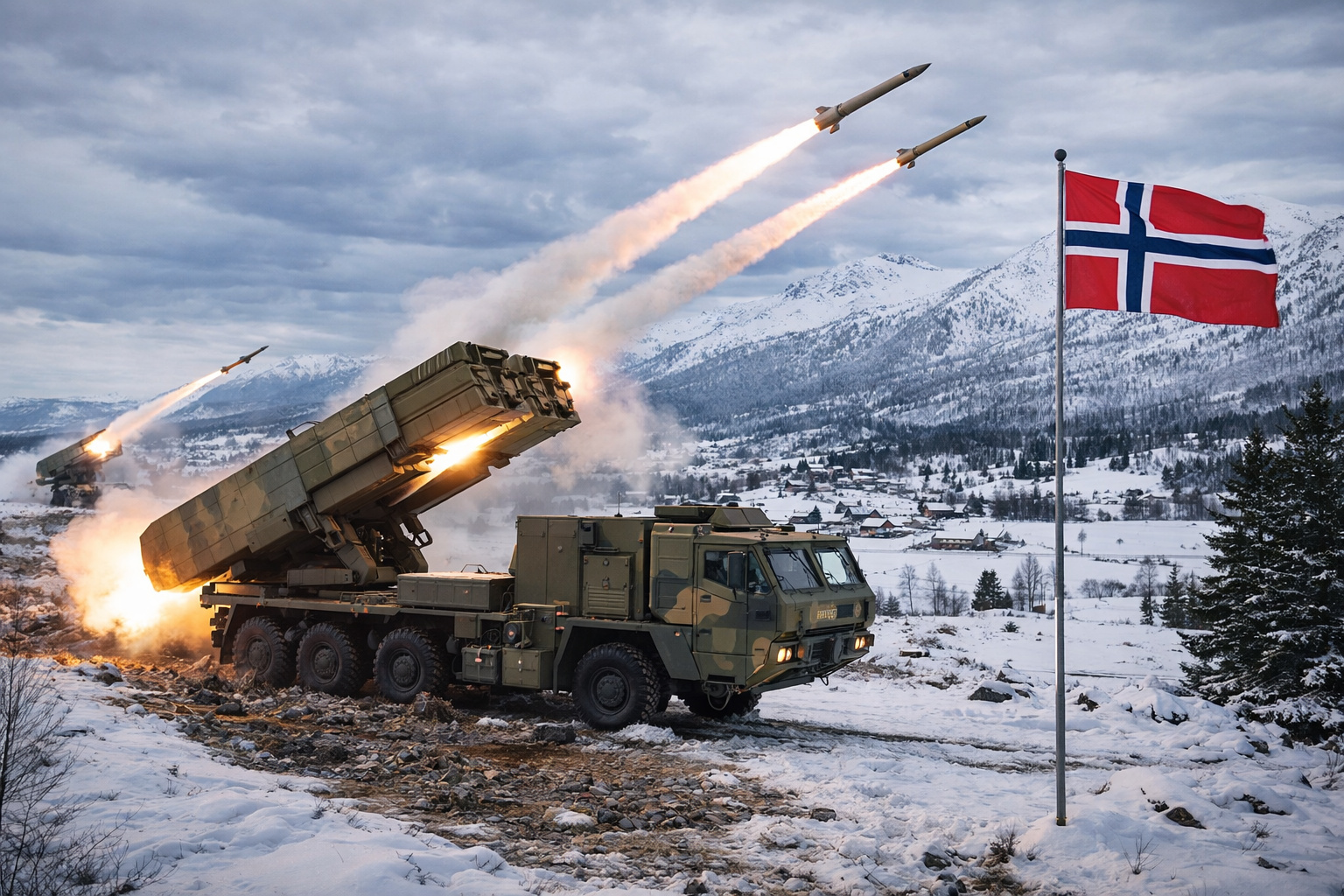
South Korea signs a $922 million deal with Norway, bringing Chunmoo launchers capable of firing guided missiles up to 290 km with an accuracy of 15 meters to Europe and turning the system into a key component of the new global race for precision artillery.
-
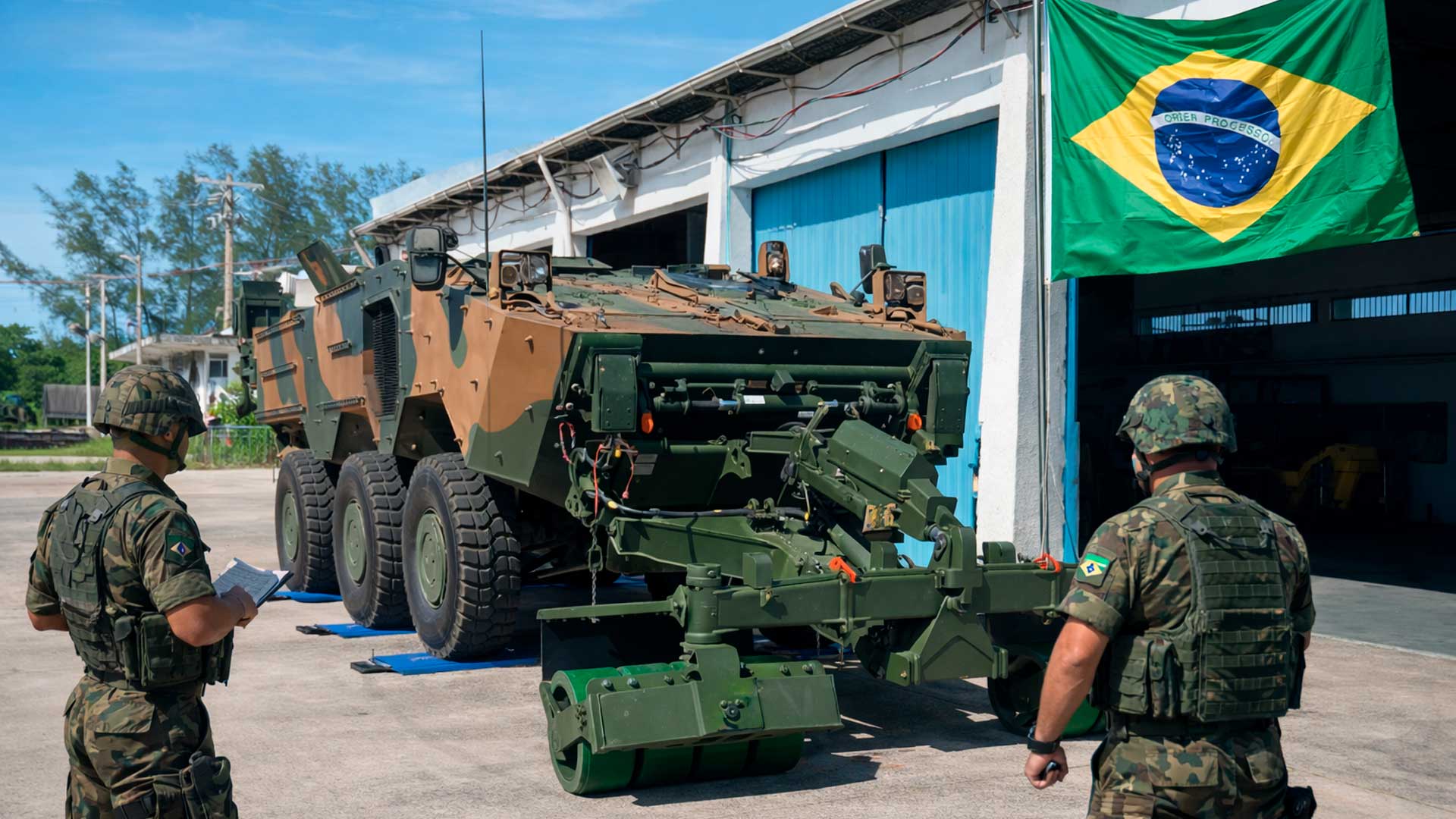
Brazil advances with decisive tests until June, the 6×6 Guarani armored vehicle with engineering equipment enters the most important phase and can enhance the operational capability of the Army.
-
Furnas Airport is handed over to the Navy and becomes a strategic base with complete military operations, attack drones, and international mobilization at Furnas Lake.
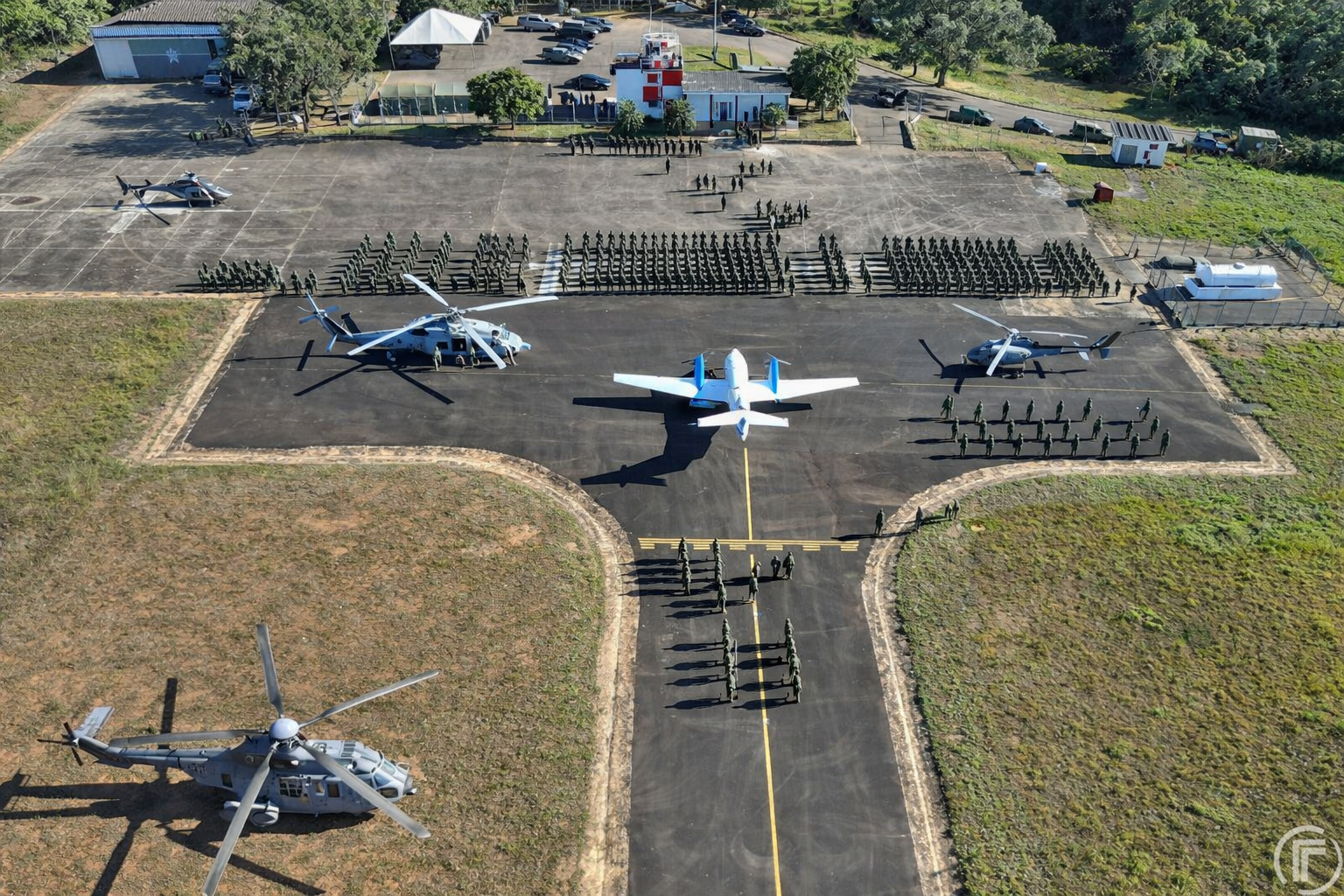

The mobilization occurs in the states of Amapá, Amazonas, Pará, and Roraima, sensitive areas due to the presence of transnational crimes and international interest in the forest.
On the ground, the commands plan, deploy, and execute simulated combat actions as they would in a real conflict.
The program also includes cybersecurity exercises, as digital threats are part of the current defense scenario.
While the activity focuses on protecting sovereignty and strategic assets, the recent history adds context.
Between the end of 2023 and the beginning of 2024, tensions between Venezuela and Guyana over Essequibo led Brazil to reinforce its military presence in the far north, with the deployment of 28 armored vehicles to Roraima.
In 2025, diplomatic friction continues between the United States and Venezuela, keeping the region alert and reinforcing the value of exercises that accelerate joint response.
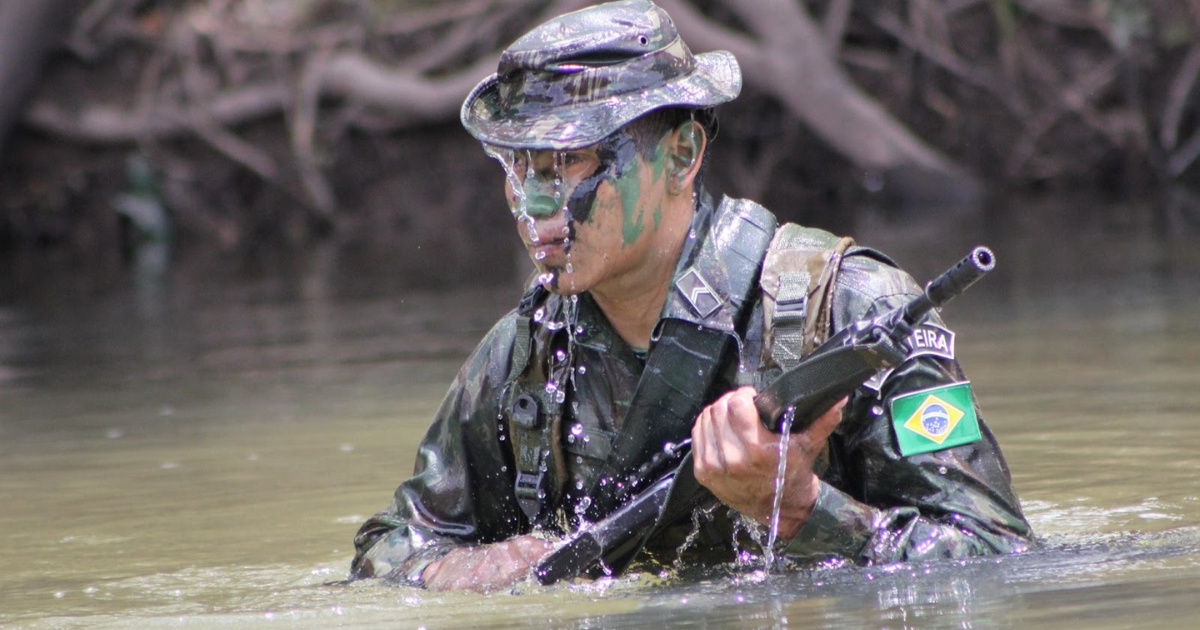
Amazon in Focus: Why Train Now
The Amazon region combines hostile geography, long distances, and extensive borders.
In this environment, Brazil has developed expertise in jungle warfare, internationally recognized.
The Atlas Operation aims to preserve this differential and assess logistics, command and control, as well as the capacity for strategic troop movement and equipment in short time frames.
In addition to the military component, the national agenda weighs in.
The exercise takes place on the eve of the COP30, scheduled for November in Belém, an event that will bring delegations from dozens of countries.
The coordinated presence of the Forces in the Amazon region has the effect of demonstrating readiness and deterrence, without altering the routine nature of training.
The Design of the Operation: From Armored Vehicles to Missiles
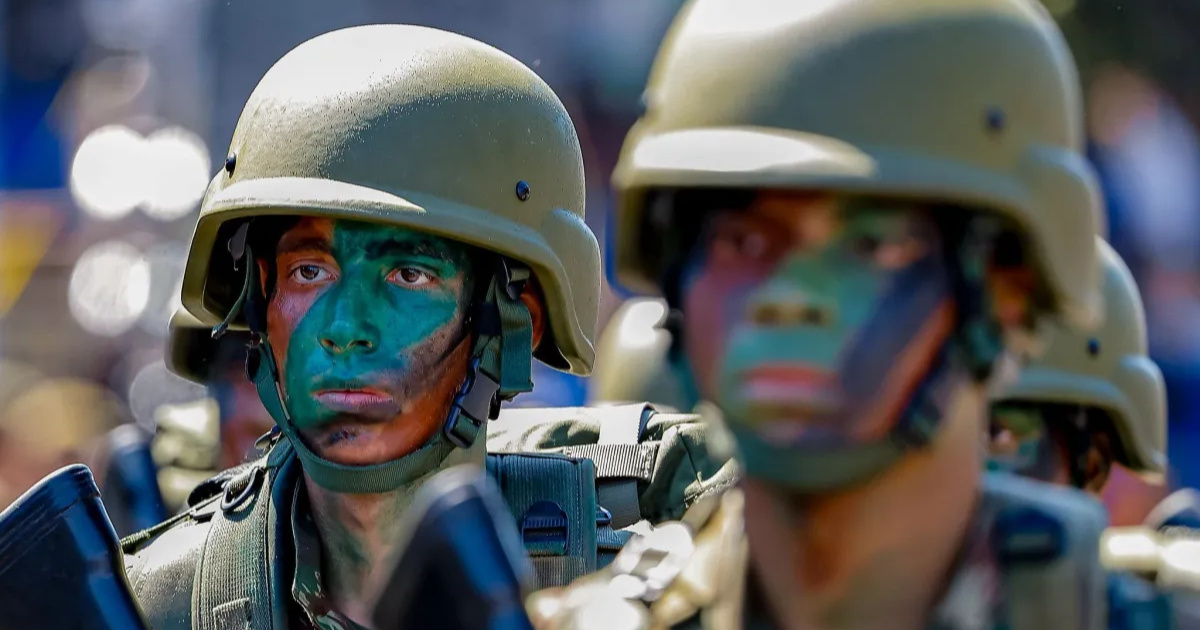
On the ground segment, the Army employs more than 40 armored vehicles, 434 vehicles, nine helicopters, and 3,600 military personnel.
Part of this material traveled from Rio Grande do Sul to Roraima, a distance comparable to that of Lisbon to Moscow, highlighting the logistical effort.
The transport was coordinated by the Coter (Land Operations Command) and the Colog (Logistics Command).
Among the most impactful vectors is the Astros rocket system, a key piece of national saturation artillery, capable of employing different munitions according to the target and range.
Also planned are armored vehicles such as the VTE Leopard, suitable for shock actions and support to troops in adverse terrain.
In the Air: Attack, Surveillance, and Support
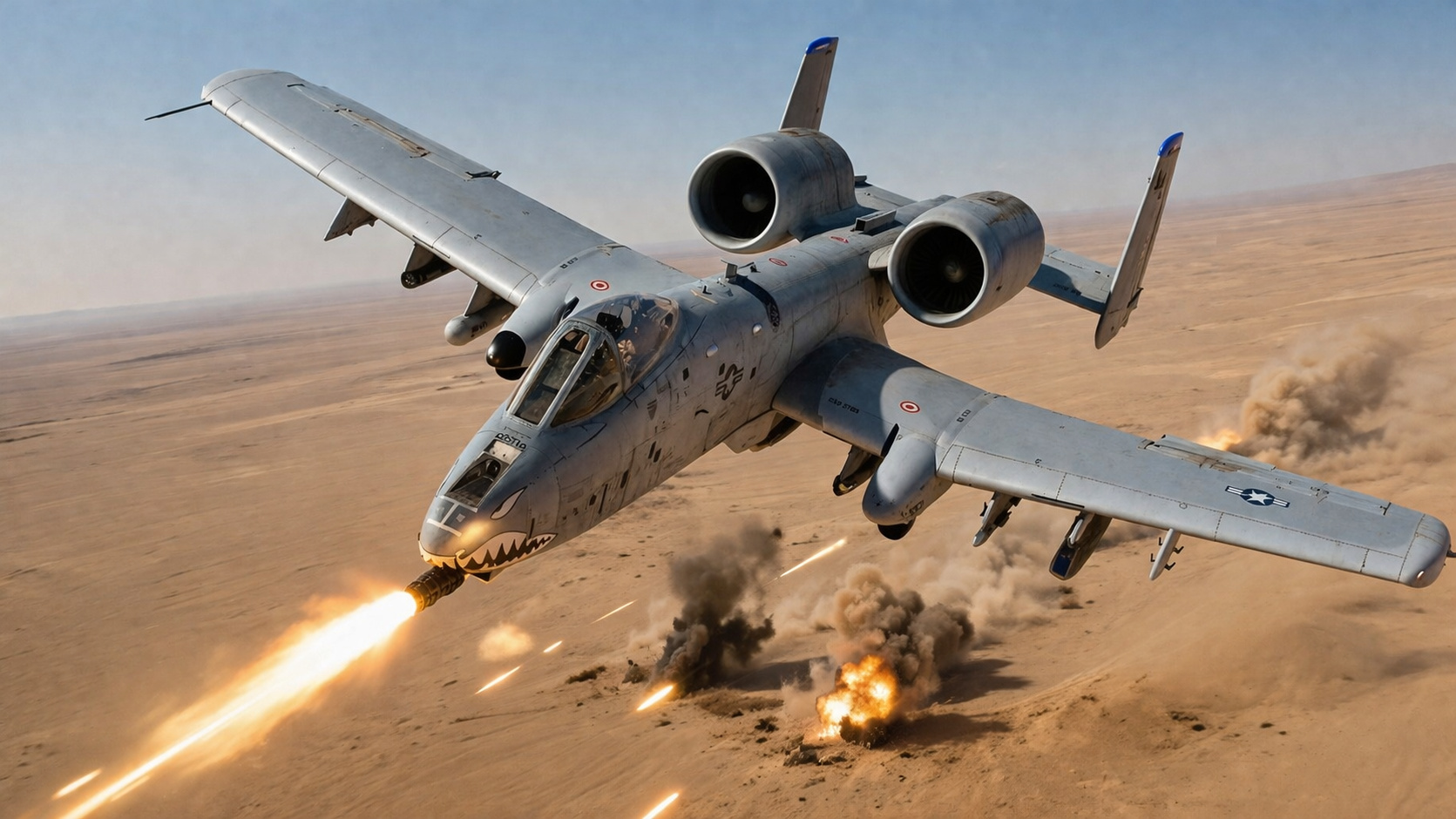
The Brazilian Air Force participates with attack aircraft AMX A-1M and A-29 Super Tucano, which combine close air support and precision weapon use.
These platforms operate in close coordination with ground forces, conducting escort, reconnaissance, and engagement simulation missions.
At bases in the region, deployed squadrons adjust flight profiles to the Amazon environment, marked by unstable weather, low predictability, and long infiltration corridors.
At Sea: The “Atlântico” as a Joint Platform
The Brazilian Navy is involved in the exercise with the Multipurpose Aircraft Carrier (NAM) “Atlântico”, the largest warship in operation in Latin America.
With 208 meters in length and about 20,000 tons, the ship left Rio de Janeiro on September 13, transporting 1,044 military personnel, two dogs, and 700 tons of equipment from the three Forces.
On board, armored vehicles, helicopters, weapons, and missiles were loaded.
In total, the “Atlântico” carried 80 vehicles, distributed among Army (49), Navy (20), and Air Force (11).
In addition to functioning as a barracks ship and command center, the “Atlântico” offers flight deck and hangar for helicopters, allowing for air assault operations, aeromedical evacuation, and logistic support.
In scenarios like the Amazon, this platform expands the operational range of forces on the ground and in the air, facilitating the rapid movement of personnel and equipment.
Coordination and Interoperability
The Ministry of Defense structured the Atlas Operation to test the synergy among the Navy, Army, and Air Force.
The planning includes phases of constructive simulation, employing scenarios and wargames, and stages of field, in which troops carry out missions in the area, under defined rules and deadlines.
Interoperability is assessed in routines such as unified command and control, secure communications, integrated logistics, and coordinated fire usage.
In parallel, cyber exercises simulate intrusion attempts, denial of service, and misinformation, now treated as vectors of hybrid conflict.
The protection of critical networks and incident response thus becomes an inseparable part of training.
Risk Environment: Transnational Crime and Intelligence
The Amazon is a drug trafficking route, has a history of illegal mining and smuggling, and appears in international reports as an area of interest for espionage networks and criminal groups.
In this context, the military presence seeks to deter and disrupt illicit activities, support security agencies, and ensure the freedom of action of the State.
In the event of a regional crisis, the training allows to scale the response without improvisation, integrating border surveillance, river patrol, and actions on unprepared runways.
Logistics in the Jungle: The Crucible
Operating in the Amazon involves overcoming long distances, low infrastructure density, and extreme weather.
For this reason, the operation prioritizes supply chains of fuel, ammunition, food, and maintenance, with an emphasis on multimodal transport.
Brazil’s experience in jungle warfare relies on constant training to maintain readiness and preserve the tactical knowledge accumulated over decades in specialized centers in the region.








Seja o primeiro a reagir!