





 Portuguese
  English
  Spanish
  4 min of reading
  0 comments


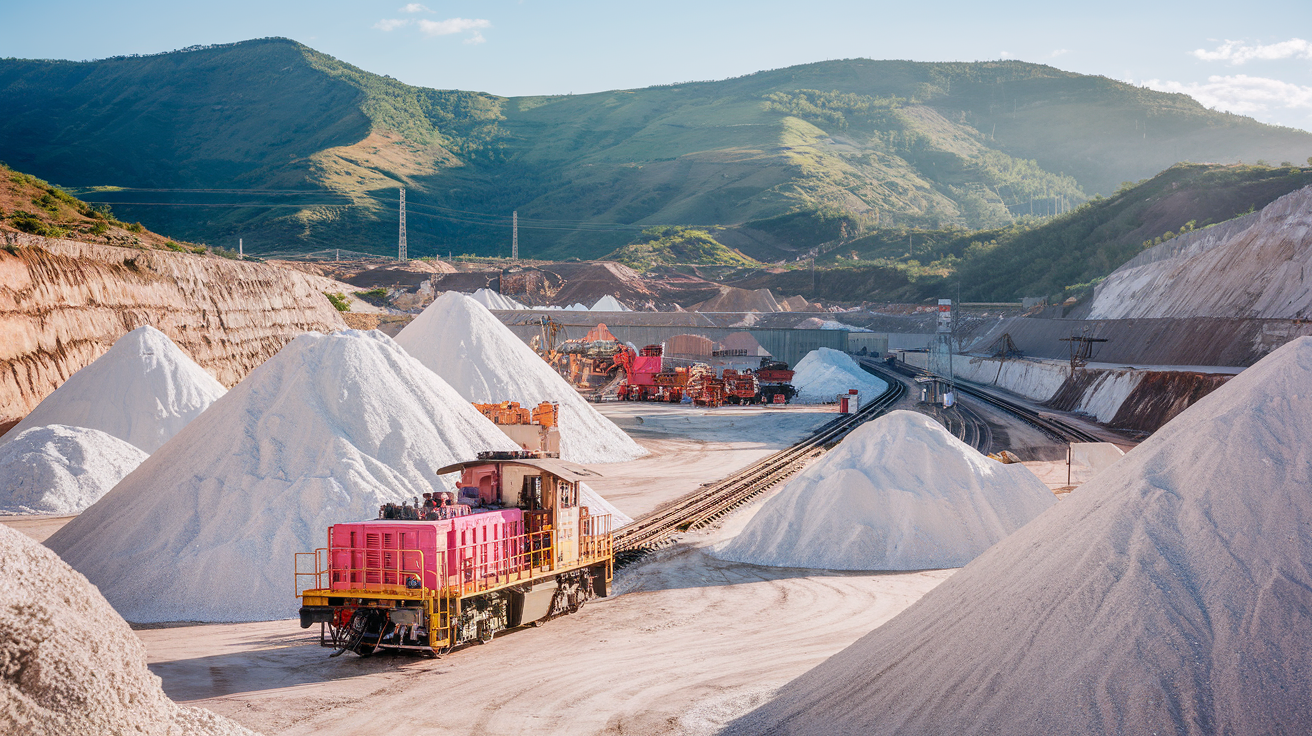
China and the U.S. Intensify Investments in Brazilian Minerals: Understand How the Rivalry Between the Powers Affects Brazil, Boosts the Economy, and Redefines the Global Market for Natural Resources.
Investments in Critical Minerals: Apparently, a new strategic dispute between China and the United States is gaining momentum, this time to secure access to essential sources of critical minerals. These resources are indispensable for the production of advanced technologies, such as batteries, semiconductors, electric vehicles, and defense equipment, placing them at the center of global tensions. In the last week of November, at least three significant initiatives highlighted the intensification of this race for dominance in the mineral sector, underscoring the geopolitical and economic importance of the issue. While China seeks to consolidate its role as the world’s largest supplier, the U.S. is ramping up efforts to diversify its supply chains and reduce dependence on the Asian giant.
Check out the main strategies adopted by these countries, the impact of this dispute on the global market, and why critical minerals are considered one of the pillars of future economies. Additionally, we will analyze how this competition may influence other nations, emerging markets, and even the stability of international relations.
China and U.S. Investments in Strategic Minerals
On the Chinese side, China Nonferrous Mining Metal Company (CNMC) acquired Mineração Taboca, a producer of tin, tantalum, and niobium, which was controlled by the Peruvian group Minsur, for US$ 340 million.
-
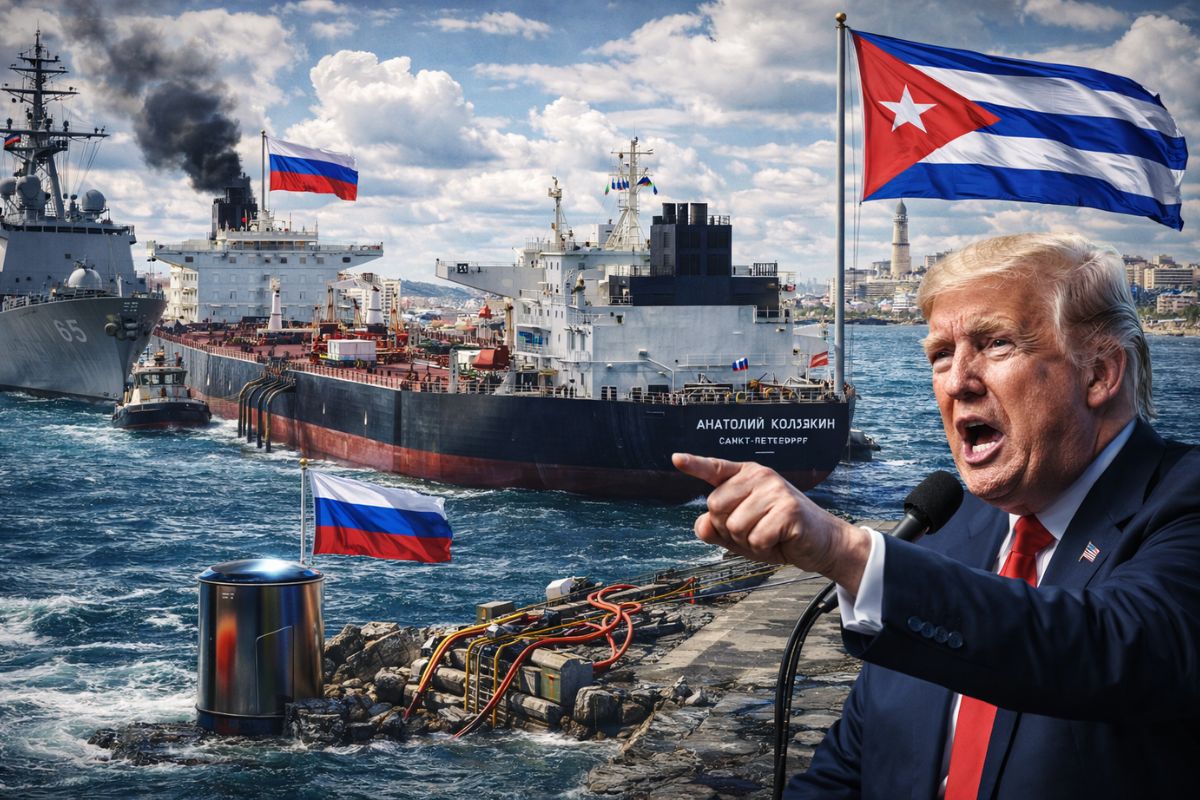
Russia has broken the U.S. maritime blockade to send oil to Cuba and is now loading a second ship while Trump says that “Cuba is next” in a possible military action against the island.
-
Spain challenges the USA and closes its airspace for operations against Iran, raising global tension and provoking the threat of a trade rupture.

-
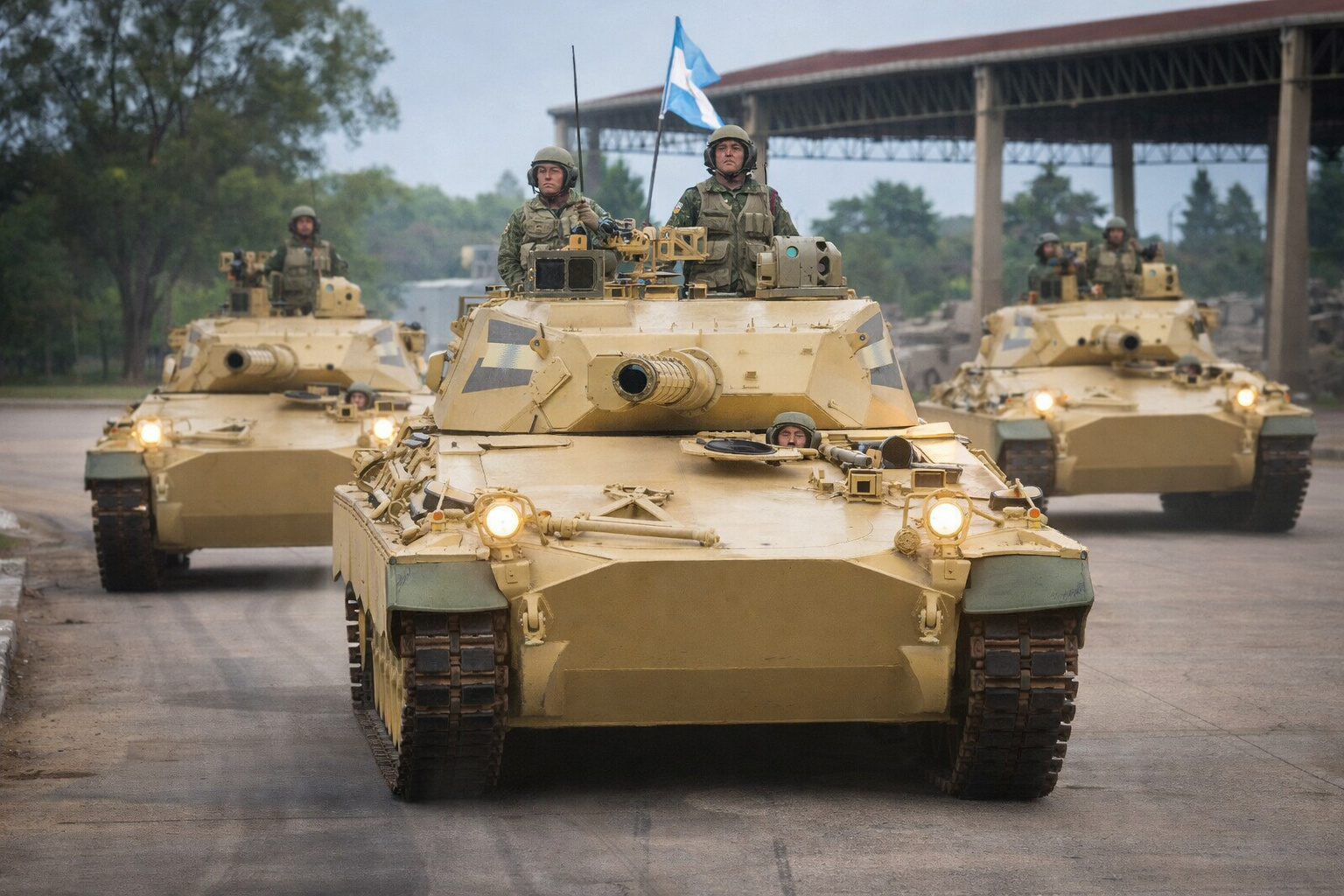
While no other country manufactures tanks in Latin America, Argentina activates the TAM 2C-A2 and raises a curiosity about the technological lag in the region.
-
A Russian ship with 730,000 barrels of oil has just arrived in Cuba while Mexico negotiates fuel sales through private companies: the communist island is desperately seeking alternatives after losing its supply from Venezuela due to American military action.


In addition, another Chinese company, Baiyin Nonferrous, finalized a purchase agreement for Mineração Vale Verde, a copper producer in Alagoas controlled by the investment fund Appian Capital, for a value not confirmed by Appian, of US$ 420 million.
Regarding the Americans, the Export-Import Bank of the United States committed to financing US$ 266 million for Lithium Ionic to build its Bandeira lithium project in the Lithium Valley, Minas Gerais.
Mineração Taboca, in its Pitinga mine located in the municipality of Presidente Figueiredo in Amazonas, boasts significant reserves of minerals such as tin, with niobium, tantalum, zirconium, uranium, and rare earths.
An assessment study conducted a few years ago indicated total resources of 618 million tons of ore, with 164 million tons measured, 260 million inferred, and 194 million indicated. Furthermore, the study pointed to an additional potential of 568 million tons, raising the total resources to 1.186 billion tons.
Why is China Investing in the Brazilian Mine?
Tin, one of the materials extracted from the mine, is a fundamental material for the production of semiconductors, strategic items in the race for global technological leadership. Although the transaction does not pose a direct threat to the country’s national security, analysts express concern about the strategic image of the country on the global stage following the sale.
The dispute between China and the U.S. is not limited to the mineral sector; it extends to the economic sector, technological dominance, military, and geopolitical realms. In recent years, Beijing has intensified its search for strategic minerals in regions such as Latin America, while Washington tightens sanctions against Chinese companies linked to semiconductors and advanced technology.
According to experts, the purchase of Taboca reflects the growing presence of Chinese investments in Latin America, a region described as a “playground for China”. “Latin America has opened its doors, often carelessly, allowing Beijing to acquire strategic assets such as mining companies of great importance to the global market.
Understand How the Investment Dispute Between China and the U.S. May Affect Brazil
Recently, the dispute between China and the U.S. in the mineral sector took another step, and the Asian country banned the export of strategic materials (such as gallium, germanium, antimony, and graphite) to the United States. The measure, announced on December 3, is a response to American restrictions on China’s access to technological components and is expected to have global repercussions, including for Brazil.
A report from the United States Geological Survey (USGS) estimates that China’s blockade could generate an economic impact of up to US$ 3.4 billion in the U.S., but the repercussions may extend well beyond American territory. Although Brazil is not a major exporter of strategic minerals, the rising cost of electronically imported products from China and the U.S. could directly affect Brazilian consumers and businesses.







Seja o primeiro a reagir!