





 Portuguese
  English
  Spanish
  3 min of reading


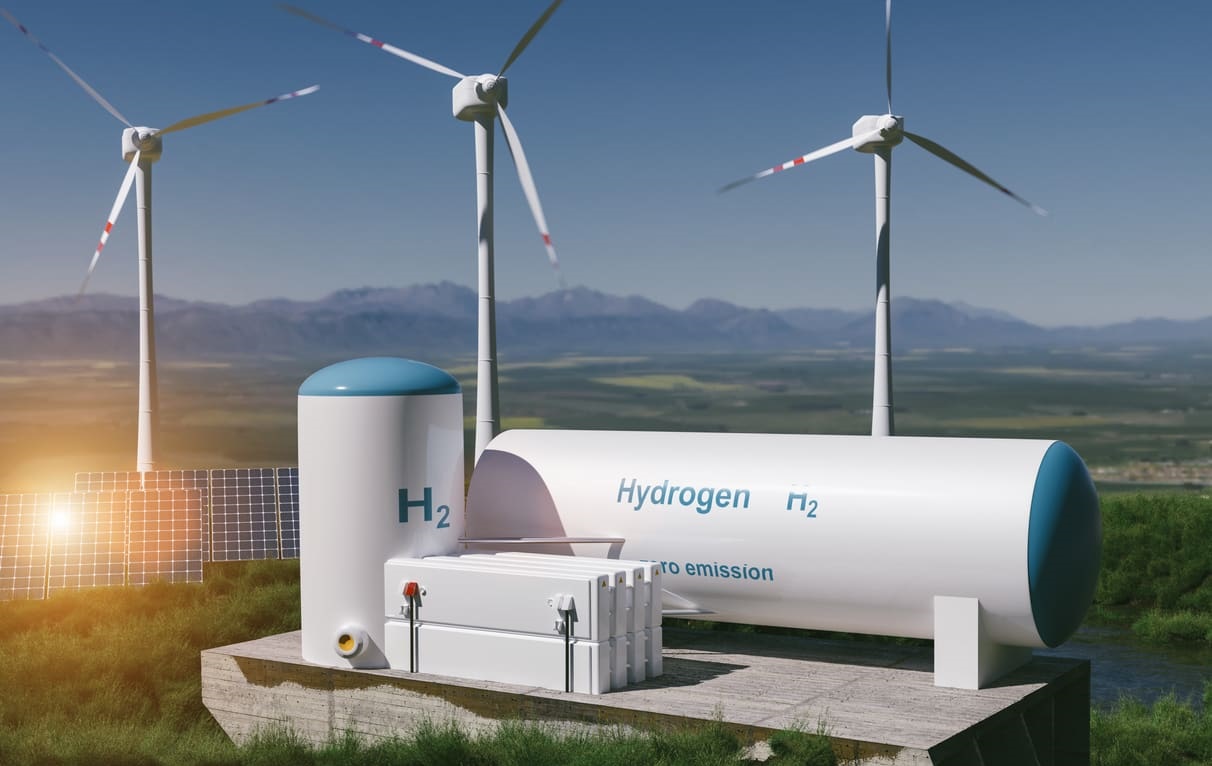
The Reduction of Pollutant Gas Emissions Will Lead to a Real Transition in the Energy Market Over the Coming Years. The Roland Berger Study Indicates That This Will Be the Moment for Brazil to Become a Leader in the Green Hydrogen Sector.
The expectations of the consulting firm Roland Berger for the future of the Brazilian energy market are quite positive. A study by the company indicates that Brazil can become a global leader in the production and supply of green hydrogen as the energy sector transitions. The country could generate R$ 150 billion per year in the green hydrogen market with increased utilization of the resource in the global scenario.
Transition in the Energy Market Could Transform Brazil Into a True Leader in Green Hydrogen Utilization, Says Roland Berger
A recent study conducted by the consulting firm Roland Berger indicates that Brazil could generate R$ 150 billion per year in the green hydrogen market over the coming years.
The country is one of the ones with the greatest potential for resource utilization, provided it makes the right investments in the renewable energy market.
-
The Brazilian state accelerates industrial competitiveness with a focus on the extraction of strategic minerals to boost the energy transition in Goiás.

-
A Canadian retiree creates a hydroelectric system on a real river, generating energy continuously throughout the day and demonstrating how the power of water can supply a house with stability even in a simple structure.

-
Petrobras reaffirms its commitment to the market and ensures that it will carry out the energy transition safely to maintain national sovereignty.

-
Researchers discover a possible hydrogen deposit of up to 46 million tons beneath an ancient coal basin, and the volume could exceed half of the entire global production.

Published on January 20, the research Green Hydrogen Opportunity in Brazil highlights the country’s high potential in the coming years.
Despite this, a change in the international energy scenario is necessary. This is because Roland Berger forecasts high revenue in the green hydrogen sector if the Paris Agreement is fulfilled as planned.
Thus, most of the energy consumed on the planet will originate from green hydrogen, thereby creating a global market estimated at over US$ 1 trillion in direct sales of the molecule.
This would create the ideal scenario for Brazil to invest in the production and commercialization of the resource in the global energy market.
The Roland Berger study highlights that global hydrogen consumption will need to increase by at least six times over the next 30 years to achieve decarbonization targets.
Furthermore, the consumption of green hydrogen will need to rise from the current 90 million tons/year to 527 million tons/year by 2050.
However, according to the consulting firm, Brazil has sufficient capacity to achieve these numbers in the energy market over the coming decades.
Brazil Is Already Investing in This Market and Can Prepare to Achieve Projections from the Roland Berger Study in the Future
Although the Roland Berger study may seem distant from the current Brazilian market, the country is already investing in the green hydrogen segment in the renewable energy sector.
On the last day of the 19th, the company EDP Brazil held an event to launch the first large-scale green hydrogen molecule in Latin America, in São Gonçalo do Amarante, Ceará.
This launch marked another step taken by the country towards a global hydrogen market in the coming years.
The Minister of Mines and Energy, Alexandre Silveira, highlighted on the occasion: “It was very important for us to be here at this moment to reaffirm our commitment to working in partnership with the private sector, with state governors, to register that we will be undertaking efforts to make the energy matrix increasingly cleaner.”
In this way, the current ministry of the Lula Government reinforces its position as a supporter of the renewables sector in the country.
With the necessary efforts in the national energy market over the coming years, Brazil can meet the projections made by the Roland Berger green hydrogen study.







Seja o primeiro a reagir!