





 Portuguese
  English
  Spanish
  3 min of reading
  0 comments


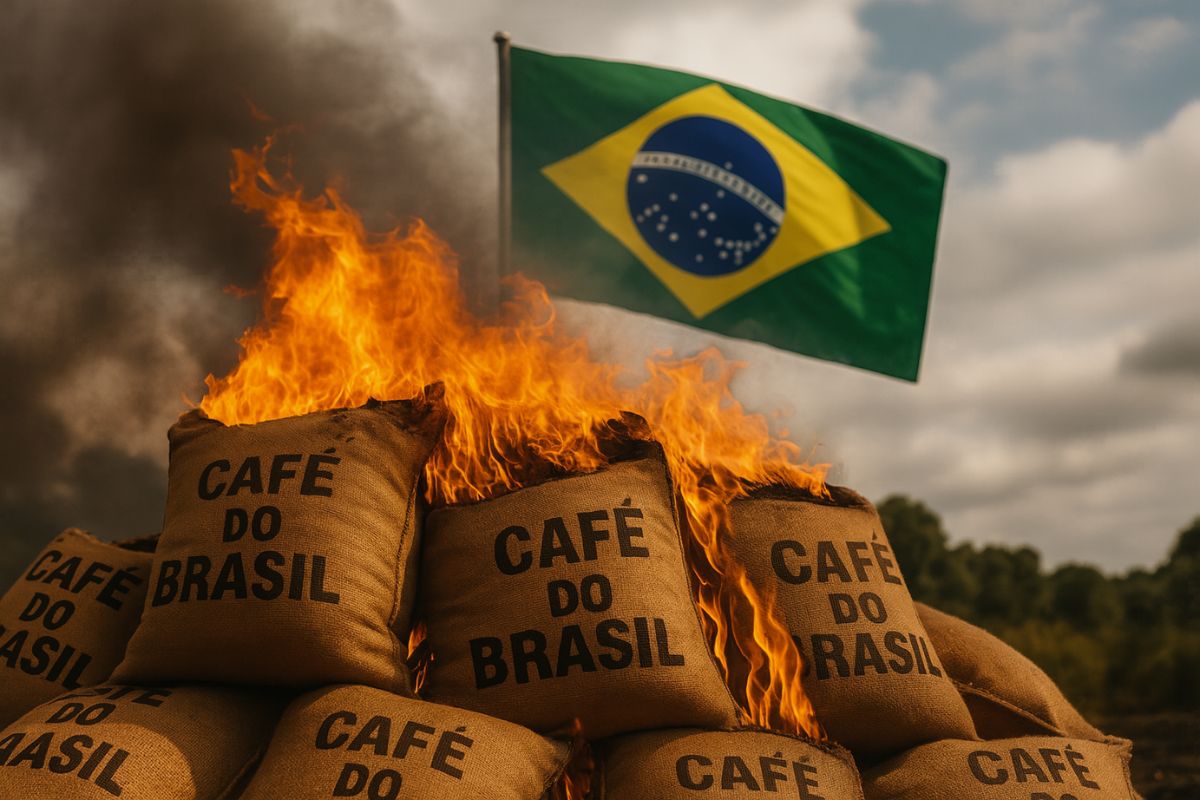
Can you imagine throwing away millions of bags of the product that sustains your country’s economy? That’s exactly what happened in Brazil between 1931 and 1944. In an attempt to save its collapsing economy, the government literally decided to burn coffee; an extreme measure that still intrigues and shocks those who know the history.
The Old Relationship Between Brazil and Coffee
Brazilian coffee became a protagonist in the late 19th century as the country moved away from monarchy and towards a republic. In 1889, with the coup that ousted Dom Pedro II, the large coffee farmers strongly supported the new order, seeking to abolish slavery and attract European immigrants to the fields.
Global Crisis and Price Collapse
By 1906, overproduction began to raise concerns. To contain falling prices, governors turned to international loans and purchased excess stocks. This maneuver kept Brazil at the top of the global market but created a fragile system.
-
He started running at 66 years old, broke records at 82, and is now a subject of study for having a metabolic age comparable to that of a 20-year-old, in a case that is intriguing scientists and inspiring the world.

-
Oldest tree on the planet reappears after 130 years of searches: Wattieza, 385 million years old, was 10 meters tall and had no leaves or seeds; Gilboa fossils in New York solved the mystery in 2007.

-
A 48-square-meter house assembled in hours with 4,000 bricks made of recycled plastic that does not absorb moisture, has natural thermal insulation, and costs less than 90,000 reais in a complete kit.

-
Luciano Hang revealed that Havan’s air fleet has already accumulated more than 20,000 landings, 10,000 flight hours, and 6 million kilometers traveled, and he says that without the planes, the company would never have grown so quickly.


When the Great Depression of 1929 hit, the situation collapsed. More than half of the country’s exports came from coffee, and the United States was the main buyer. When the American market crashed, Brazil suffered a brutal blow: the value of a bag dropped 90% in just a few months.
That instability led to the coup of 1930, which brought Getúlio Vargas to power. Vargas promised to break with the large landowners but found himself mired in the same economic dilemma: how to save the trade balance and restore external confidence?
The Radical Decision: Burn Coffee
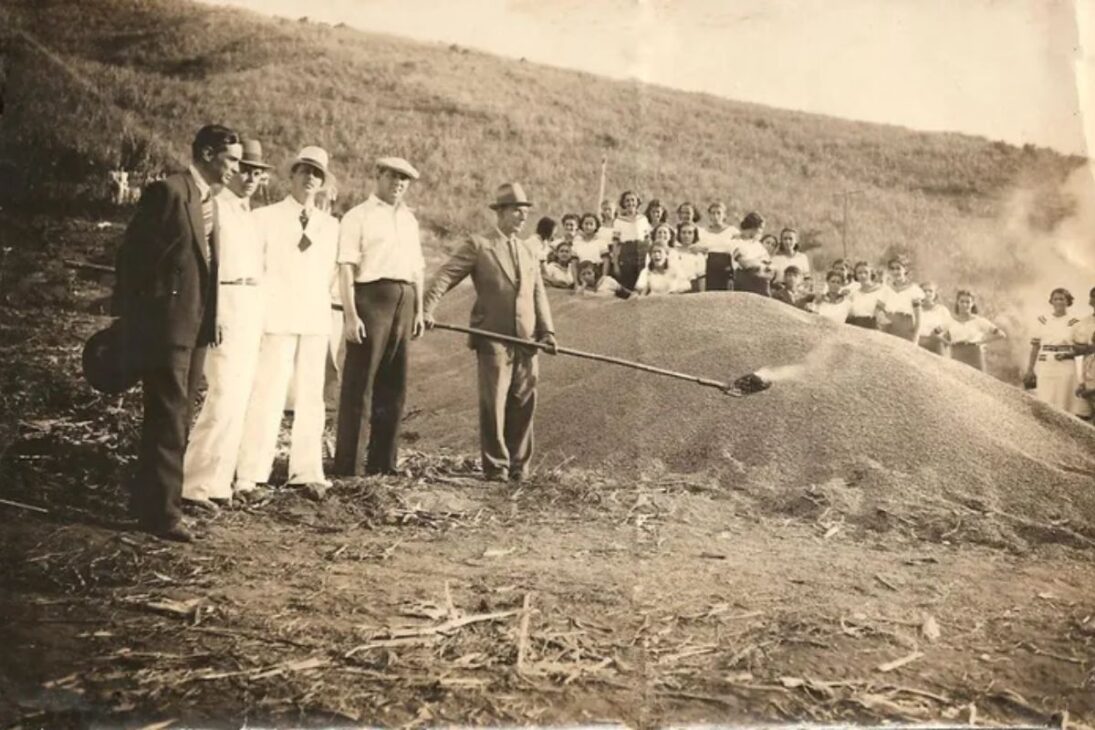
With no way out, the government decided to buy stocks and burn them to reduce supply and try to raise prices in the international market. Thus, between 1931 and 1944, about 78 million bags (equivalent to more than three years of domestic consumption) were destroyed.
The burning primarily took place at the port of Santos in São Paulo. The smell of burnt coffee spread along the coast and was reported in newspapers of the time. Some batches were dumped into the sea, dubbed “marine coffee”, and even used as fuel in factories.
In 1932, Vargas created the National Coffee Council, which began controlling stocks and setting policies to try to revive the economy. But the effects were devastating: many farmers went bankrupt, credit vanished, and the country sank even deeper into crisis.

Impacts and Lessons
The episode of coffee burning became one of the most controversial chapters in Brazil’s economic history. Not only did it mark the end of the so-called “Coffee with Milk Republic”, but it also served as a warning about the dangers of extreme dependence on a single product in exports.
For many historians and economists, such as Cláudio Gonçalves, a professor of economic history at UFRJ, “the burning of coffee was proof that short-term decisions can turn out to be much more costly in the long run”.
Today, the Brazilian economy remains diversified, but coffee continues to be a national passion and one of the main exports; see here updated data about the current importance of the grain.
What do you think of this story? Do you agree with such extreme measures during economic crises? Leave your comment or share it with someone who would be surprised by this little-known part of our past!








Seja o primeiro a reagir!