





 Portuguese
  English
  Spanish
  4 min of reading
  2 comments


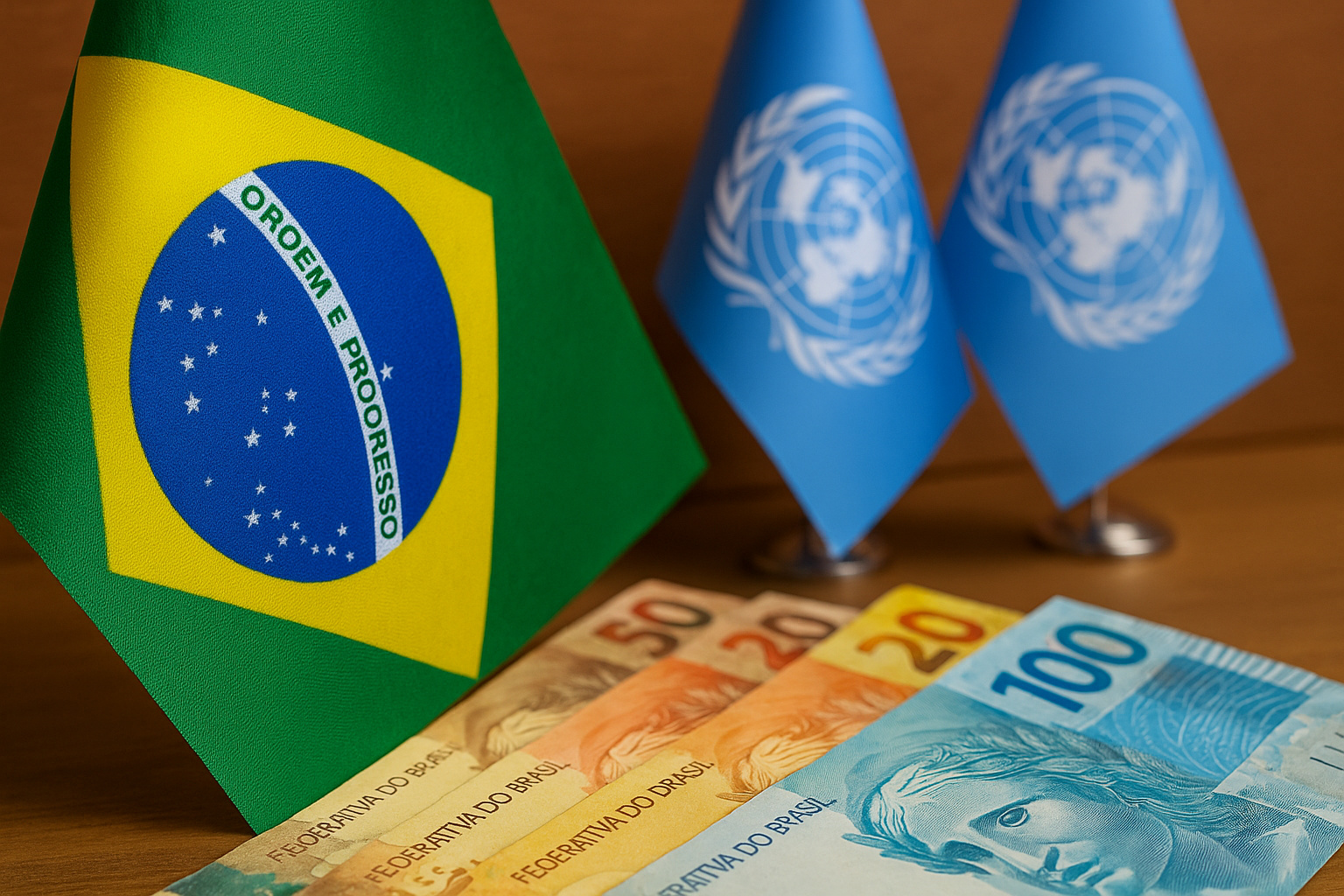

International Debts Are Paid With A Focus On Diplomacy And Sustainability
Between January and July 2025, the Brazilian government paid off more than R$ 1.3 billion in debts with 62 international organizations.
This information was disclosed in a joint statement by the Ministry of Planning (MPO) and the Ministry of Foreign Affairs (MRE) on July 15, 2025.
This strategic move reaffirms Brazil’s alignment with multilateralism.
It also reinforces the essential role of the United Nations (UN) in the face of increasing global challenges.
As a result, the country is now part of a select group of nations making regular contributions that are up to date with the UN.
This fact strengthens Brazil’s international prestige.
-
USA and China compete for Brazil over resources that could be worth trillions — rare earths put the country at the center of a global dispute

-
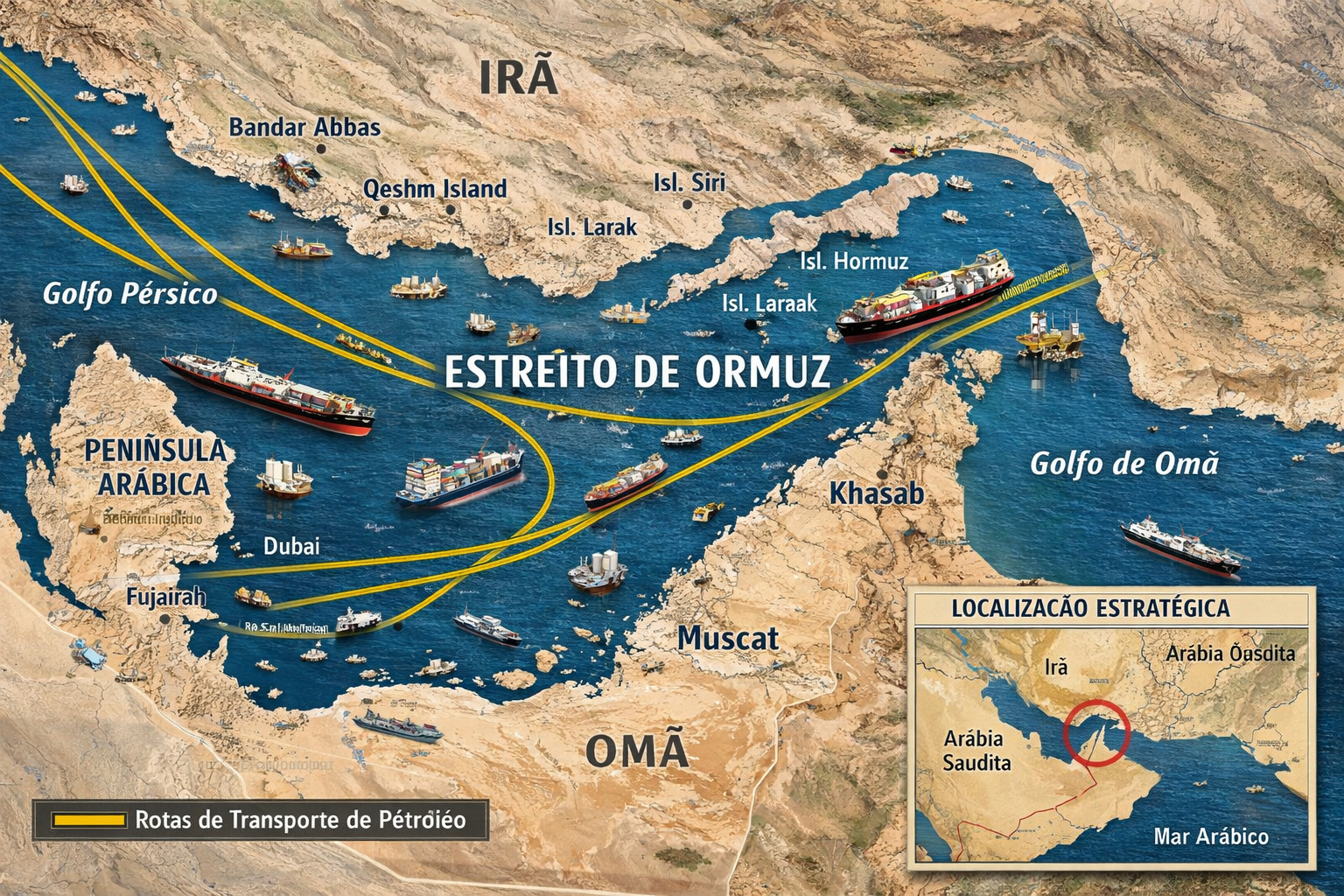
Global summit with over 40 countries pressures Iran for a blockade in the Strait of Hormuz and warns of direct impact on oil, food, and the global economy.
-
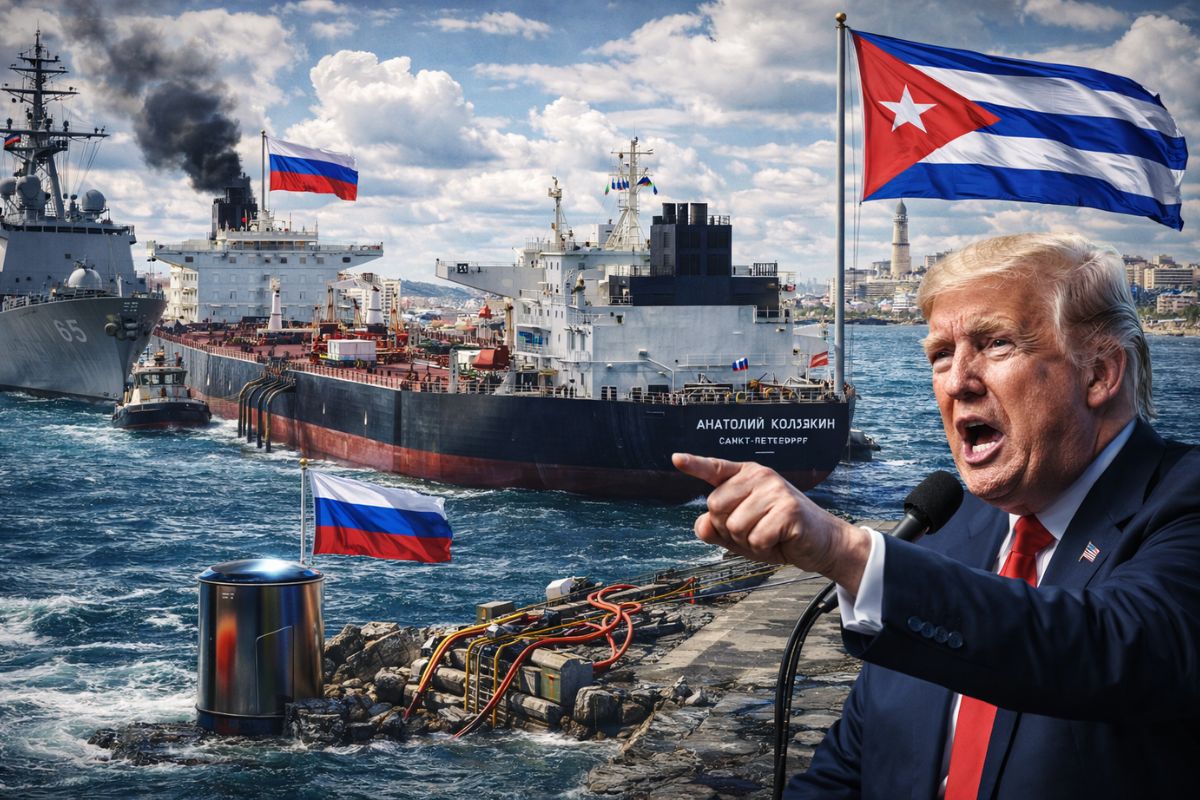
Russia has broken the U.S. maritime blockade to send oil to Cuba and is now loading a second ship while Trump says that “Cuba is next” in a possible military action against the island.
-
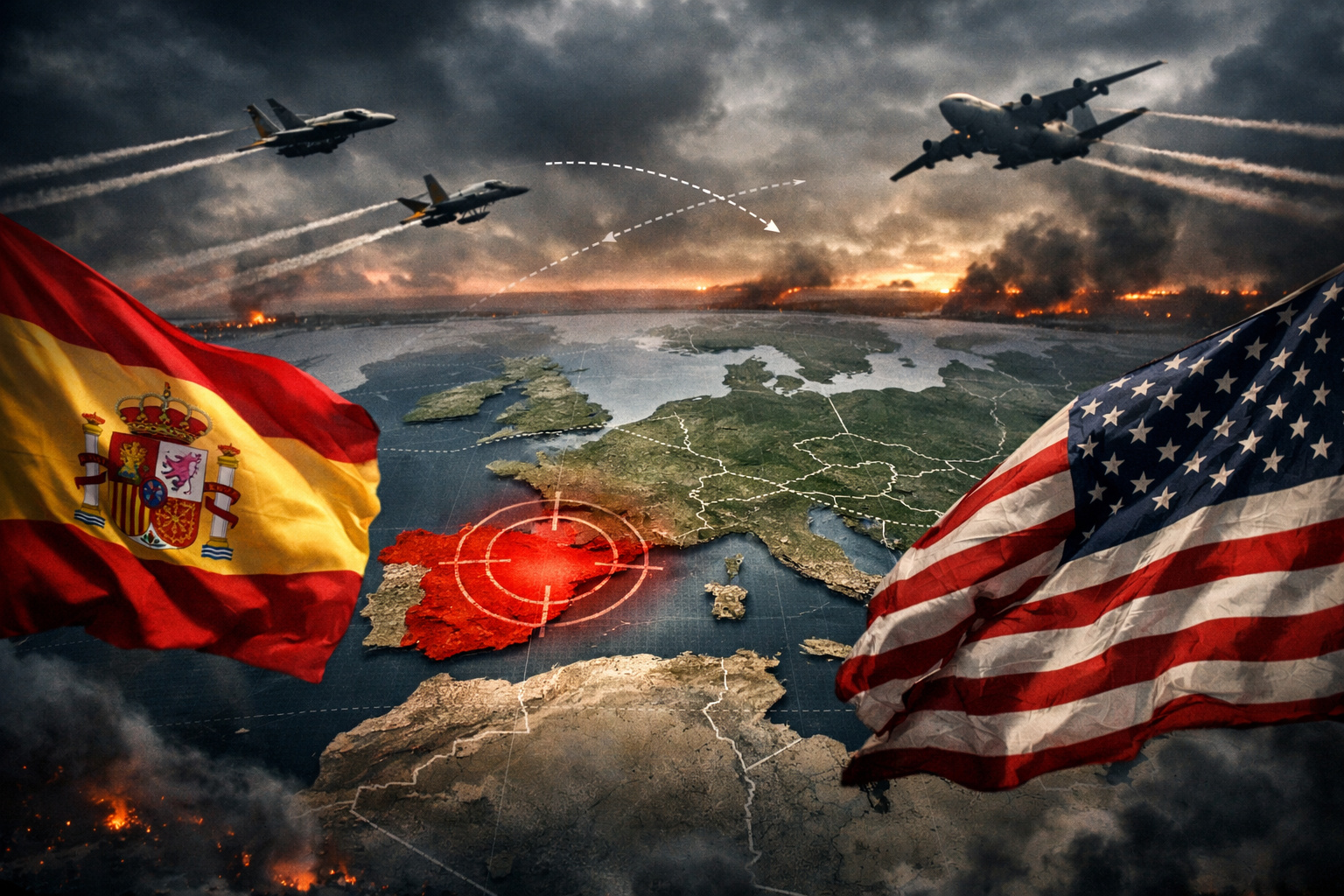
Spain challenges the USA and closes its airspace for operations against Iran, raising global tension and provoking the threat of a trade rupture.

The payments include full quotas directed to key entities such as the World Health Organization (WHO).
Additionally, they cover the World Trade Organization (WTO) and the Organization of American States (OAS).
Contributions to the International Criminal Court (ICC) and the European Organization for Nuclear Research (CERN) were also included.
The Mercosur Secretariat (SM) and the Latin American Integration Association (ALADI) also benefited.
Finally, the amounts covered the Residual Mechanism for Criminal Tribunals (IRMCT) and various UN-sponsored peace missions.
These payments reiterate Brazil’s involvement in promoting global peace and justice.
Financial Organizations Also Received Full Payments
Brazil also honored obligations to multilateral financial institutions.
This action ensures greater strategic participation of the country in international decisions.
Among the main payments made are amounts directed to the International Finance Corporation (IFC), linked to the World Bank.
Moreover, the government paid its commitments to the Development Bank of Latin America and the Caribbean (CAF).
The Financial Fund for the Development of the Plata Basin (FONPLATA) also received the benefit.
According to the Ministry of Planning, the transfer to the IFC has a direct impact on Brazil’s ability to influence financing projects in the private sector.
This influence is aligned with the national development agenda and the attraction of sustainable investments.
On the other hand, the amounts paid to the CAF and FONPLATA reflect Brazil’s interest in regional integration.
Especially in supporting structural initiatives in infrastructure, mobility, technology, and social inclusion in neighboring countries.


Environmental Payments Target COP 30 in Belém and Reinforce The Country’s Sustainable Image
Brazil also settled commitments with organizations focused on environmental protection and biodiversity.
These actions align with preparations for the 30th United Nations Climate Change Conference (COP 30).
The government will host COP 30 in Belém, Pará, in November 2025.
This large-scale environmental event is an opportunity to consolidate Brazil’s sustainable image.
The contributions reinforce the country’s positioning on environmental, climate, natural resources, and Amazon rainforest protection issues.
The regularity of the transfers ensures international credibility to host events like COP 30.
According to the ministries, the proper fiscal management of resources shows that the government prioritizes diplomatic commitments without compromising the internal budget.
Political and Regional Integration Strengthened with Support to CPLP, OLADE, and OTCA
In addition to contributions to major global organizations, Brazil also made transfers to entities that promote regional and cultural integration.
These entities include the Community of Portuguese Language Countries (CPLP).
Also on the list are the Amazon Cooperation Treaty Organization (OTCA) and the Latin American Organization of Energy (OLADE).
These payments demonstrate the country’s interest in maintaining stable relations with partner nations.
They promote technical, energy, and environmental cooperation.
Regional diplomacy, according to the MRE, is a pillar of the new cycle of Brazilian foreign policy.
This policy seeks to regain the country’s international prominence.
The ministries stated that the payments reinforce the commitment to multilateralism and international cooperation.
This commitment encompasses areas such as trade, finance, health, human rights, science, technology, environment, and sustainable development.
Diplomatic Commitment And Fiscal Balance As Pillars Of International Action
The government stated, furthermore, that the settlement of international debts does not compromise, in any way, internal fiscal balance.
The government conducted the regularization with planning and, above all, with responsibility.
In July 2025, the ministries emphasized that this effort is part of a broad agenda to reposition Brazil in the global scenario.
The strategy, in this sense, does not aim only at the formal fulfillment of obligations.
Moreover, it seeks to regain Brazilian influence in multilateral forums, which reinforces international action.
Similarly, it strengthens the country’s image as an agent committed to peace, sustainable development, and human rights.
Finally, the MPO and MRE emphasized that these actions are part of a continuous and strategic process.
The objective, above all, is to rebuild Brazil’s international credibility based on fiscal responsibility and diplomatic prominence.








ste volume enorme no Brasil ?!?! Se for dívida, ok, mas se foi para financiar estas entidades, este governo tinha que ser deposto, porque para mim isso e um absurdo gastar trilhões de reais, quando dentro do país, milhões passam fome, a saúde é péssima, e o salário, ohhh, deste tamanhinho.
Porquê não usou tod