





 Portuguese
  English
  Spanish
  3 min of reading
  0 comments



Lula Reacts Against U.S. Interference in Brazil and Promises New Planes for the Presidency. A Diplomatic Tension Is in the Air, and the President Doesn’t Mince Words in Defending National Autonomy!
President Luiz Inácio Lula da Silva has returned to the center of attention by strongly criticizing a movement he considers an “interference” by the United States in Brazilian affairs.
What motivated this reaction was the request for information from the U.S. Department of Justice directed at Saab, the Swedish aircraft manufacturer, regarding the contract to purchase the Gripen fighters signed with Brazil in 2014.
The issue, which generated significant repercussions, touches on Brazil’s autonomy regarding its defense decisions and raises questions about the extent of U.S. influence in strategic agreements with other nations.
-
Global summit with over 40 countries pressures Iran for a blockade in the Strait of Hormuz and warns of direct impact on oil, food, and the global economy.
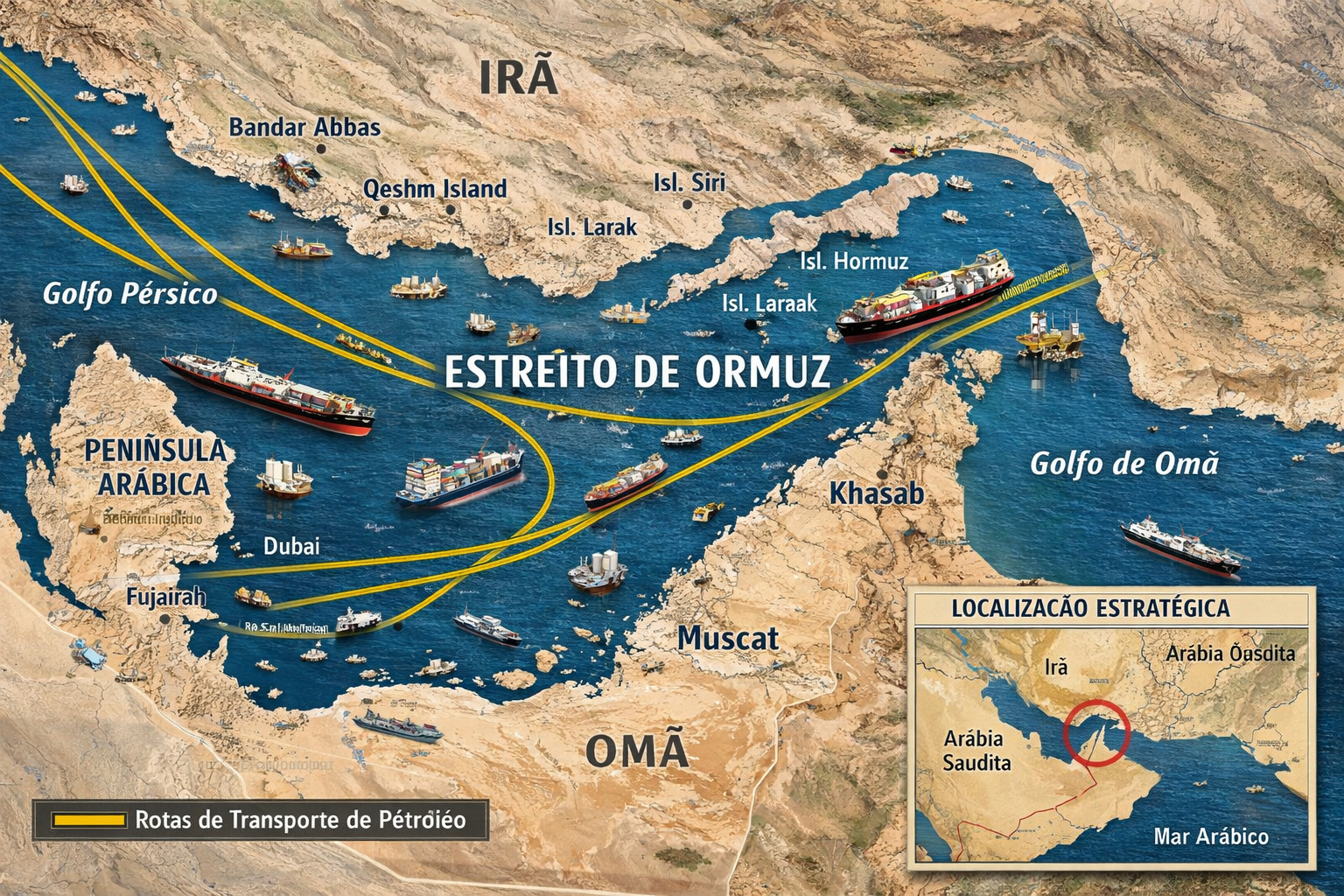
-
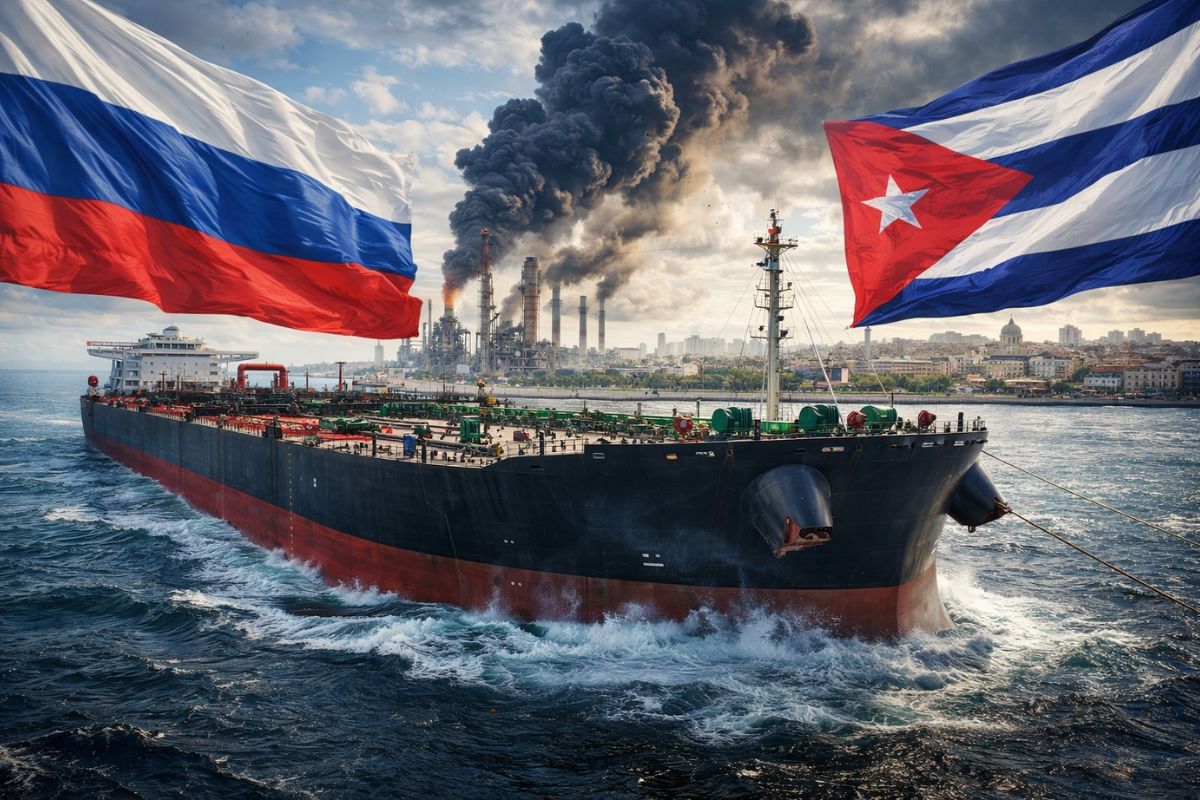
Russia has broken the U.S. maritime blockade to send oil to Cuba and is now loading a second ship while Trump says that “Cuba is next” in a possible military action against the island.
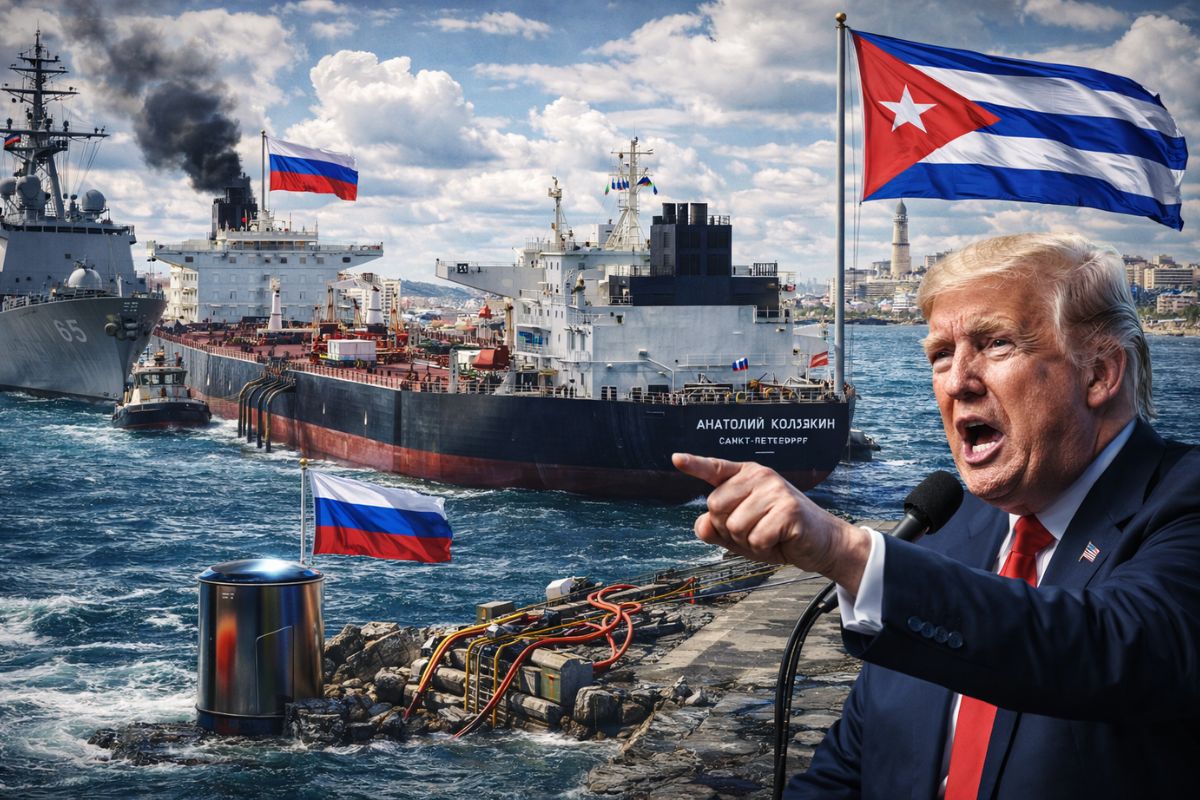
-
Spain challenges the USA and closes its airspace for operations against Iran, raising global tension and provoking the threat of a trade rupture.
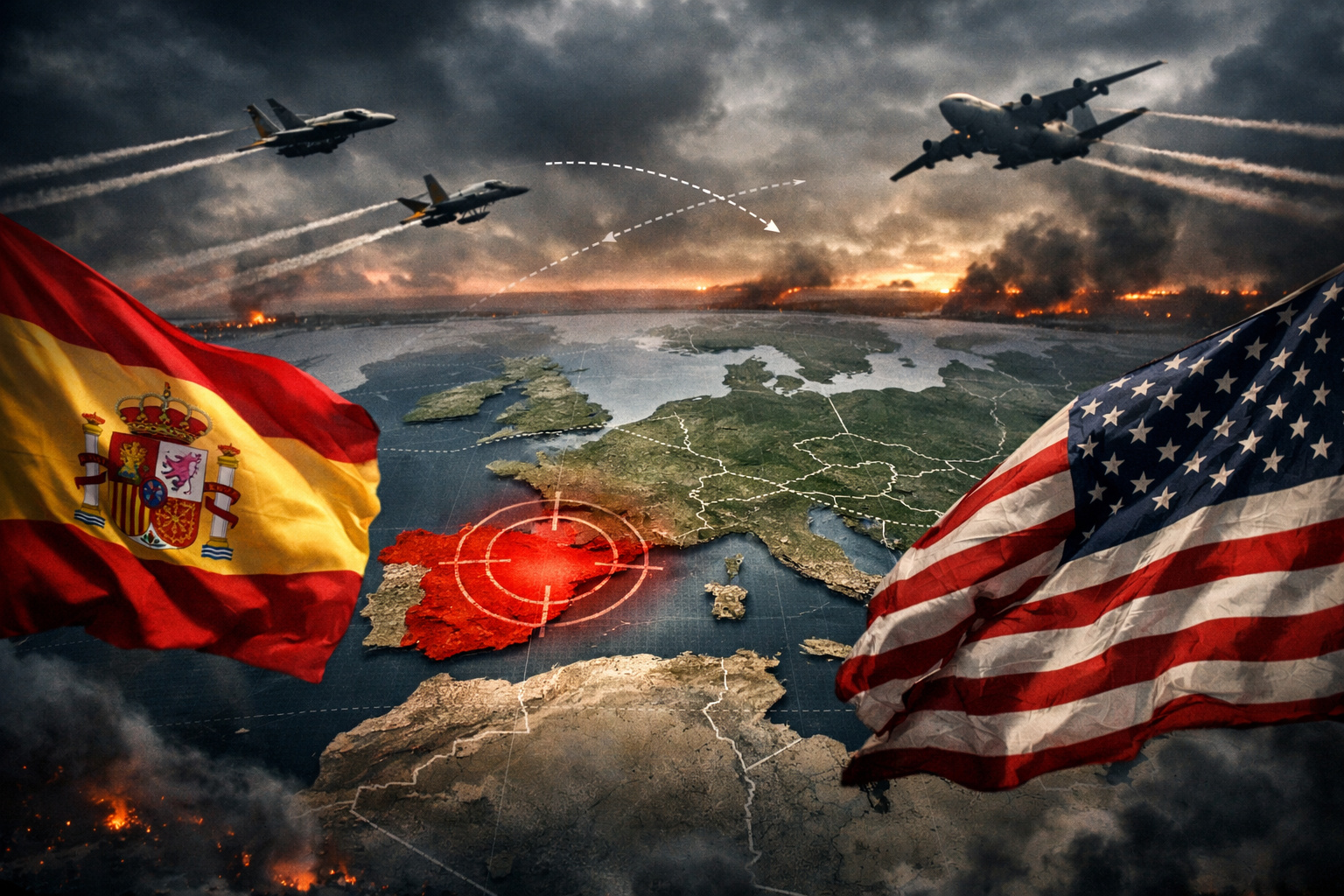
-
While no other country manufactures tanks in Latin America, Argentina activates the TAM 2C-A2 and raises a curiosity about the technological lag in the region.
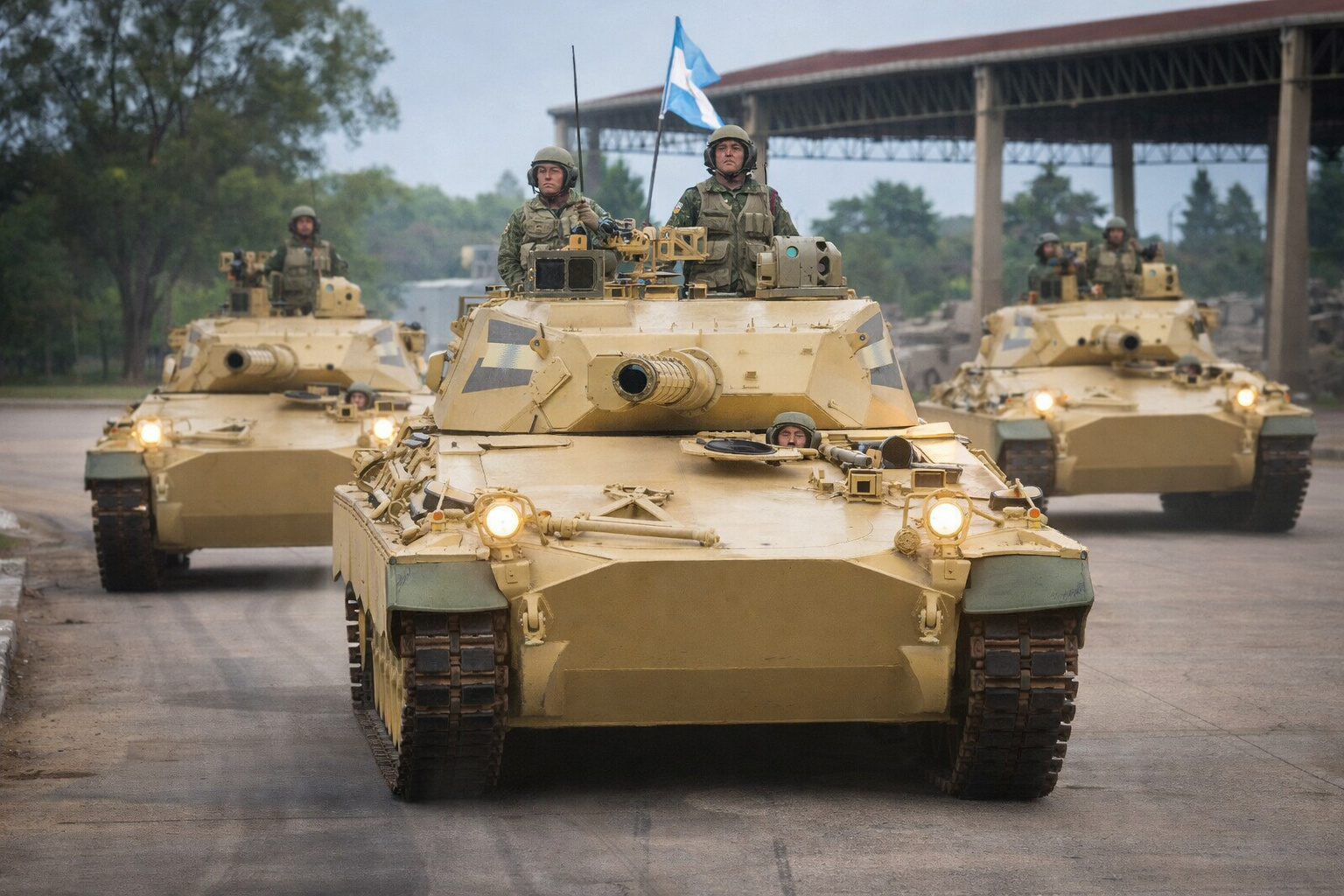

The situation gained more momentum during an interview with Lula at the radio station O Povo/CBN in Fortaleza this Friday (11).
The president seized the opportunity to express his dissatisfaction with the incident and also launched another initiative: the intention to renew the fleet of presidential aircraft.
This measure arises after technical problems with the presidential plane that was to bring him back from Mexico, raising the need for a new analysis of the safety and efficiency of the available aircraft for high government positions.
The Controversy of the Gripen Fighters
The contract between Brazil and Saab for the purchase of Gripen fighters was signed in 2014, during the administration of former President Dilma Rousseff.
The agreement, which involved billions of dollars, was considered a milestone for the modernization of the Brazilian Air Force (FAB).
However, the recent request for information from the U.S. has brought to light speculations about possible irregularities in the purchasing process.
According to reports, the U.S. investigation is focusing on uncovering potential indications of corruption or fraud.
For Lula, however, the U.S. intervention represents an attack on national sovereignty.
According to the president, decisions regarding the country’s defense must be exclusively in the Brazilian interest and cannot be subject to the influence of other nations.
He emphasized that Brazil is capable of conducting internal investigations, if necessary, and stated that he has already requested clarifications from the Ministry of Defense regarding the U.S. government’s approach.


Renewal of the Presidential Fleet: A Strategic Necessity?
In addition to defending Brazil’s autonomy, Lula also announced the intention to renew the fleet of presidential aircraft, covering not only his personal use but also that of the ministers.
This decision is justified by a series of technical problems the president faced recently during his trip to Mexico.
According to him, the aircraft experienced failures during the return flight, which reinforced the need to modernize the fleet to ensure greater safety and efficiency.
The president emphasized that the renewal of presidential planes is part of a broader plan to ensure that government representatives can fulfill their commitments safely and without setbacks.
According to experts, this update could result in a more modern fleet less prone to mechanical failures, in addition to providing more comfort to its occupants.
Reactions in the Political Scene Following Lula’s Statement
Lula’s statement generated diverse reactions in the Brazilian political scene.
While some support the decision to confront U.S. interference, others point to the importance of maintaining good diplomatic relations and avoiding unnecessary escalations of tension.
The renewal of the presidential fleet also divides opinions, with some lawmakers believing that the costs involved could be invested in other priority areas.
On the other hand, supporters of the president argue that, given the increasing complexity of the international landscape, it is essential for Brazil to maintain its capacity to act independently and to have the necessary resources for that.
The future of this situation remains uncertain, but it seems that Brazil is ready to defend its position firmly.
Do you think Brazil should renew its presidential fleet, or would it be better to invest in other areas?








Seja o primeiro a reagir!