





 Portuguese
  English
  Spanish
  5 min of reading
  54 comments


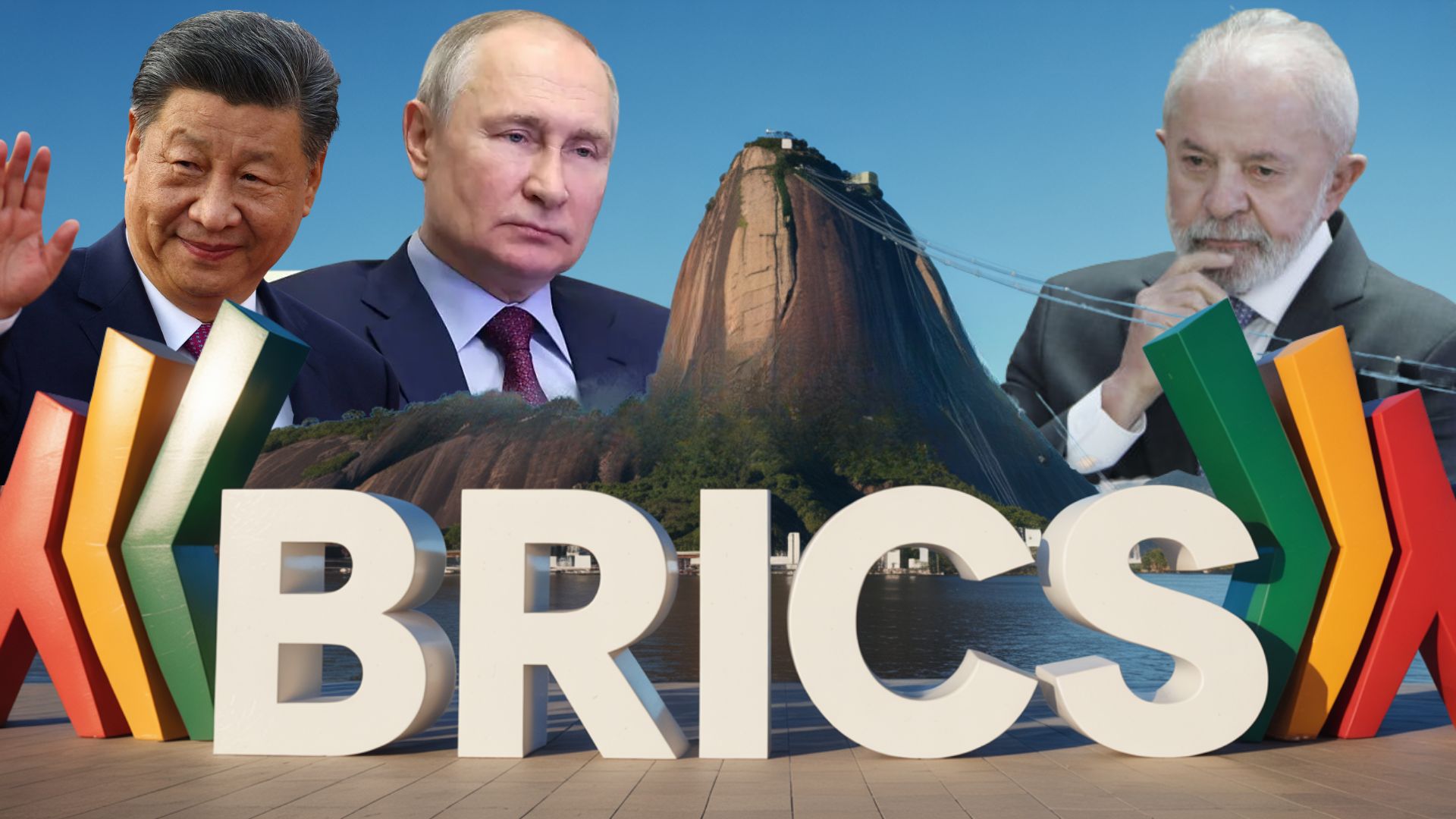


Brazil Signs Strategic Agreements with Russia and China to Expand Cooperation in Infrastructure, Finance, and the Environment, Strengthening Joint Action in the BRICS and the G20 and Signaling Diplomatic Movements with Global Impact.
The Brazilian government officially published, in the Official Gazette of the Union this Monday (11), two memoranda of understanding with Russia and China to create permanent mechanisms for economic and financial dialogue.
The documents establish stable channels of cooperation in multilateral forums such as BRICS and G20 and open space for joint projects in infrastructure and the environment. There are no creation of legal obligations or automatic financial commitments.
What Was Formalized
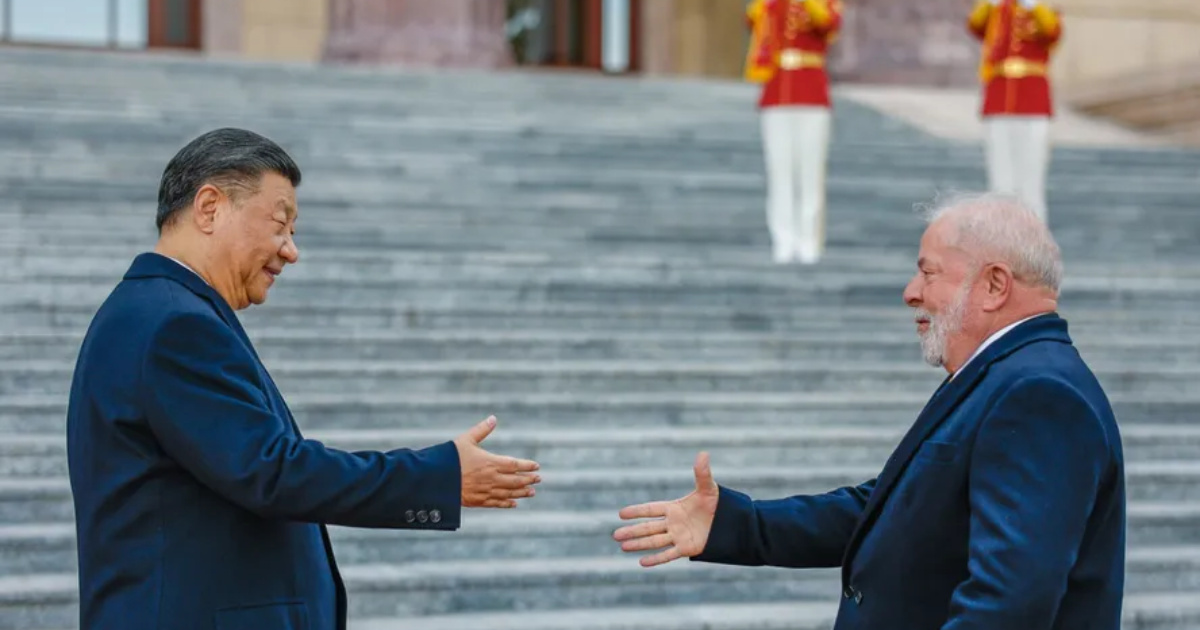
On the Russian side, the memorandum, signed by Fernando Haddad and Anton Siluanov, establishes a Bilateral Economic and Financial Dialogue.
-
“No one will make us change the Pix,” says Lula after the US report.

-
Lula responds directly to Trump and says that Pix is from Brazil and will not change under pressure from anyone, after a report from the United States pointed out the Brazilian payment system as an American trade barrier.

-
Amazon has just announced a new fee on all deliveries, and your online purchases will become more expensive starting April 17, including for those buying from the United States here in Brazil.

-
He sold his share for R$ 4 thousand, saw the company become a giant worth R$ 19 trillion, and missed the opportunity of a lifetime.


The coordination will be the responsibility of senior representatives from both ministries, with in-person or virtual meetings and an agenda defined by mutual agreement.
The aim is to bring together experts, exchange technical information, and integrate the debate into activities already conducted by the Brazil–Russia Intergovernmental Commission for Economic, Commercial, Scientific, and Technological Cooperation.
In the case of China, the memorandum deepens understandings from 2024 and May 2025 to align national development strategies.
On the Brazilian side, the agenda includes the New Brazil Industry (NIB), the Growth Acceleration Program (PAC), the Ecological Transformation Plan, and the South American Integration Routes Program; on the Chinese side, the Belt and Road Initiative.
Cosban remains the main instance for bilateral coordination.
Work Axes and Confidentiality
The memoranda list priority areas for cooperation, which cover macroeconomic policies at national, regional, and global levels; facing economic challenges and discussing reforms; tax cooperation; infrastructure financing; new fronts for bilateral cooperation; and coordinated action in forums such as BRICS, G20, and international financial institutions, as well as other topics of common interest.
The parties commit to bear their own expenses and to keep confidential the exchanged information, unless expressly authorized.
Brazil–Russia Dialogue: Permanent Technical Channel
The arrangement with Moscow creates a technical channel for continuous monitoring of the situation, exchanging experiences, and designing potential joint initiatives.
The proposal is for the meetings to serve to listen to experts and feed into discussions already underway in the Brazil–Russia intergovernmental mechanism, in order to accelerate practical steps on economic and financial issues.
This is a political milestone aimed at coordination and not a treaty with compulsory obligations.
In addition to strengthening tax cooperation and the discussion on project financing, the dialogue aims to align positions in multilateral organizations and deepen cooperation within the financial framework of BRICS.
The guideline is to maintain open and predictable communication between the ministries, with flexibility in format and frequency.
Brazil–China Axis: Integration of Strategies and Finances
The memorandum with Beijing emphasizes cooperation in finance and specifies China’s support for the Forever Tropical Forest Fund, a Brazilian initiative expected to gain traction as a central deliverable of the COP30, which will be held in Belém (PA).
The text also highlights the importance of developed countries contributing to international mechanisms for the protection of tropical forests.
The indication of funding from China to the fund, reported in July, reinforces Brazil’s effort to diversify sources of climate financing, attracting emerging economies beyond traditional contributions.
The architecture of the mechanism, presented by Brasília in 2023, provides for financial incentives linked to preserving forest areas, with multilateral governance.
BRICS and G20: Coordination in Multilateral Forums
The documents reiterate the intention to coordinate policies and positions in critical debates at BRICS and G20, based on an agenda that includes macroeconomic stability, financing for development, and reform of international financial governance.
In 2025, Brazil has a prominent role in articulating the financial pillar of the BRICS, which helps explain the prioritization of technical channels with strategic partners.
Although the memoranda do not detail specific projects or define quantitative goals, the emphasis on infrastructure and regional integration signals long-term interest.
Coordination could, for example, accelerate studies and modeling for initiatives that fit into national investment plans, respecting each country’s safeguards and rules.
No Legal Obligation or Fixed Values
The two understandings make it clear that they do not create legal obligations or automatic financial commitments.
Each party bears its own costs in joint activities, and the exchange of information will follow confidentiality rules.
These clauses are common in memoranda designed to open doors and organize dialogue before negotiating binding instruments or specific contracts.
In practice, the immediate effect is institutional: to create work routines and focal points to accelerate decision-making when opportunities arise, whether in infrastructure projects, tax cooperation, or environmental initiatives with regional impact.
The detailing of projects, budgets, and timelines will depend on future stages.

Next Steps and Environmental Expectation
With COP30 on the horizon and the climate agenda at the center of Brazilian diplomatic priorities, the confirmation of support for the Forever Tropical Forest Fund gains prominence.
The partnership with China may broaden the range of financiers, while Brazil tries to build convergence with other economies, both emerging and developed, to enable contributions and disbursement rules focused on conservation results.
Meanwhile, the channel with Russia offers predictability for sensitive topics on the economic agenda, from monitoring the macro picture to financing alternatives.
Concrete evolution will depend on the ability to transform technical dialogue into negotiated initiatives on a case-by-case basis, compatible with national laws and priorities.








Eo cachaceiro vai cada vez se afastando mais das democracias e do mundo livre. Os **** úteis não sabem o que os espera.
cada um cada. um mais eu nao gosto !disso” mais acho q logo ! isso vai aumentar e uma: guerra naçoes contra naçoes .
Agora phudeu de vez