





 Portuguese
  English
  Spanish
  5 min of reading
  0 comments


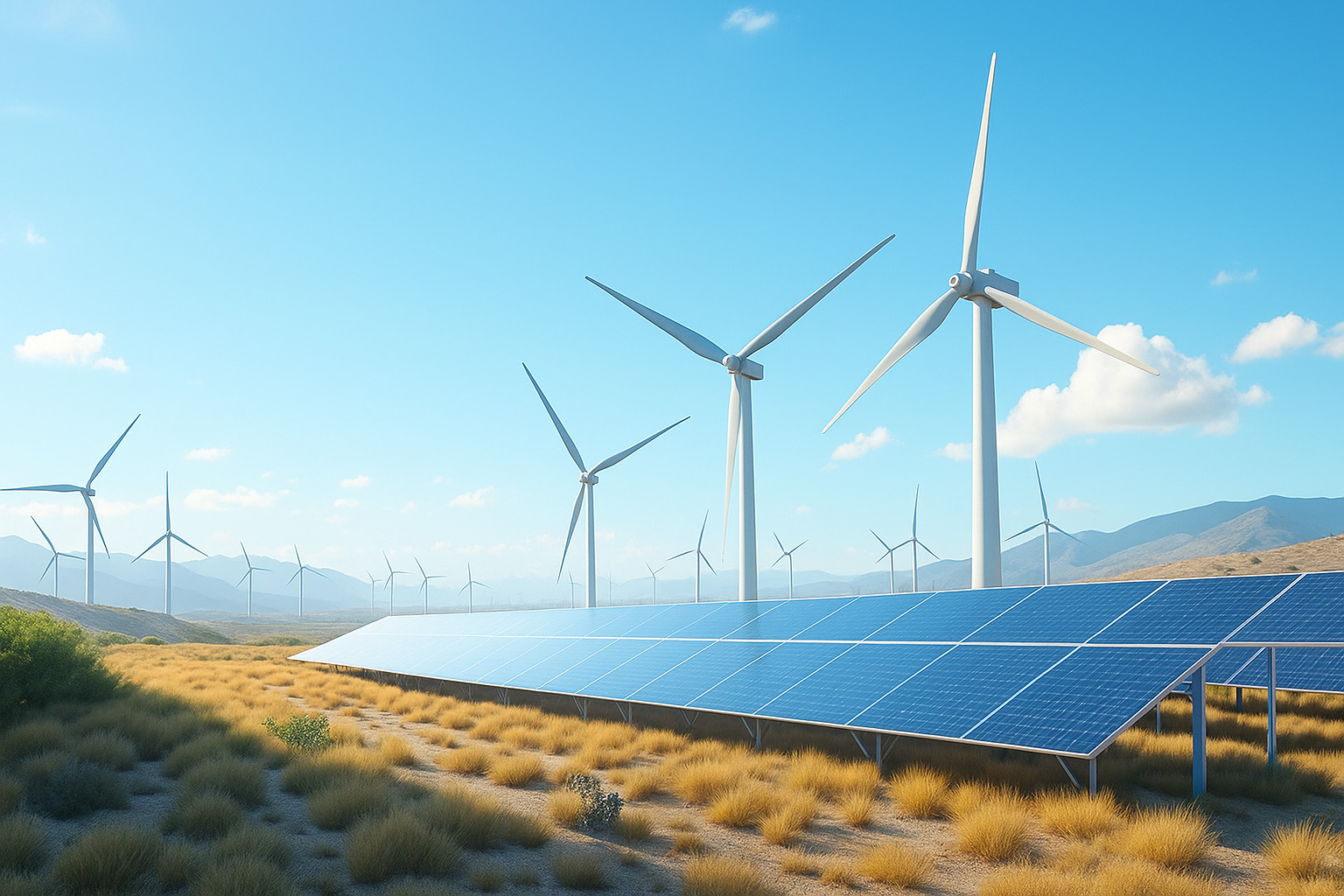
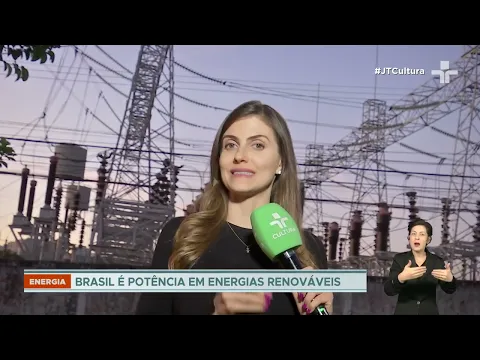
Brazil Leads Among the Largest Powers in Renewable Energy, Expanding the Clean Matrix and Generating Positive Impacts for the Economy and the Environment.
Brazil occupies a prominent global position, consolidating itself as one of the largest powers in renewable energy. This advancement reflects decades of investments and policies aimed at diversifying the energy matrix, integrating sources such as solar energy, wind energy, and biofuels.
In recent years, the global energy landscape has undergone a significant transformation, driven by the urgent need to reduce greenhouse gas emissions. In this context, Brazil has leveraged its geographical and climatic advantages to invest in sustainable technologies, which has generated expressive environmental and economic benefits.
Furthermore, the Brazilian energy matrix has become an international reference for maintaining a high share of clean sources, even in the face of population growth and increasing electricity demand.
-
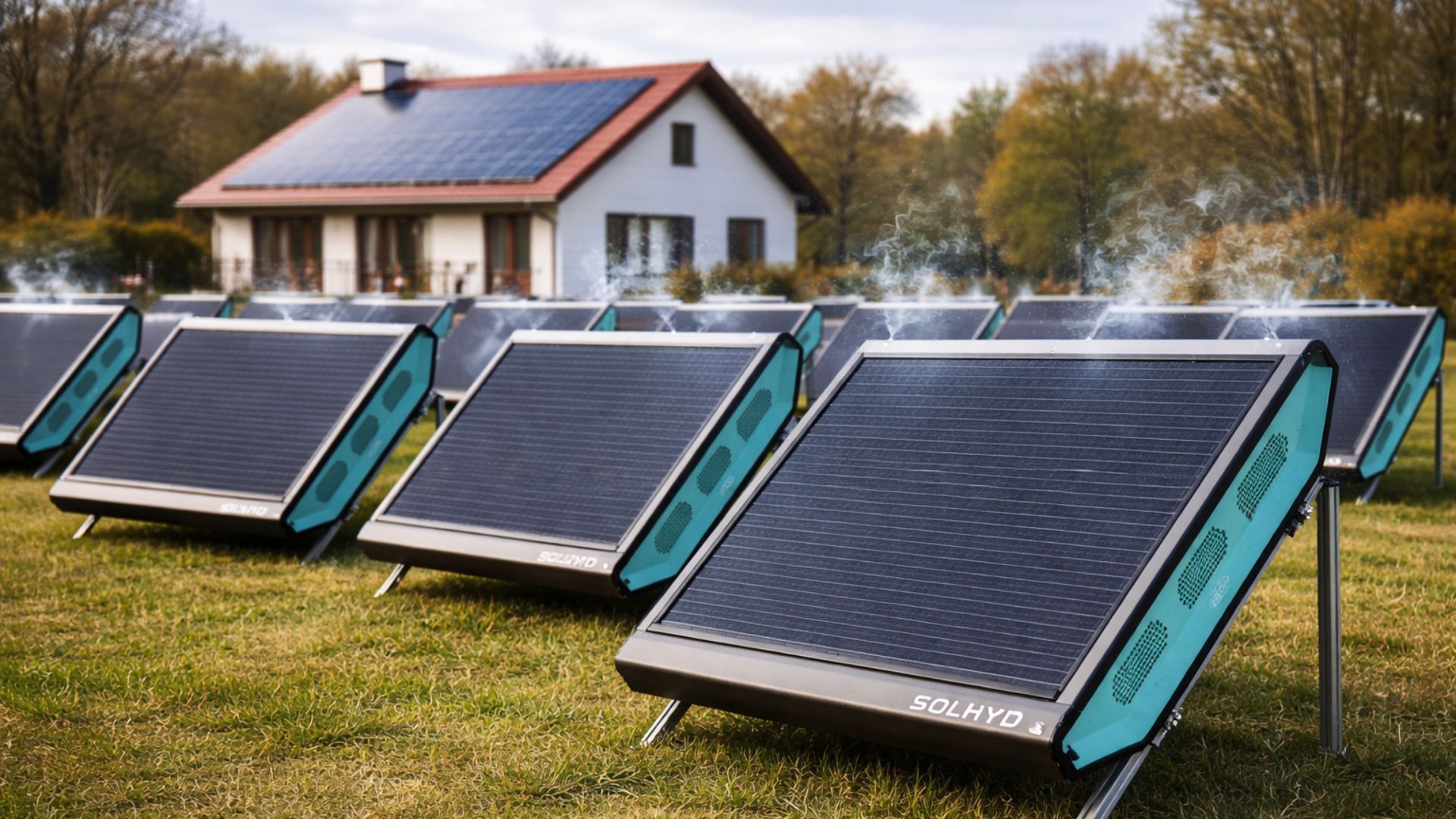
Green hydrogen at home: Belgium launches new technology that makes solar panels produce fuel from the moisture in the air, which could boost the energy transition.
-
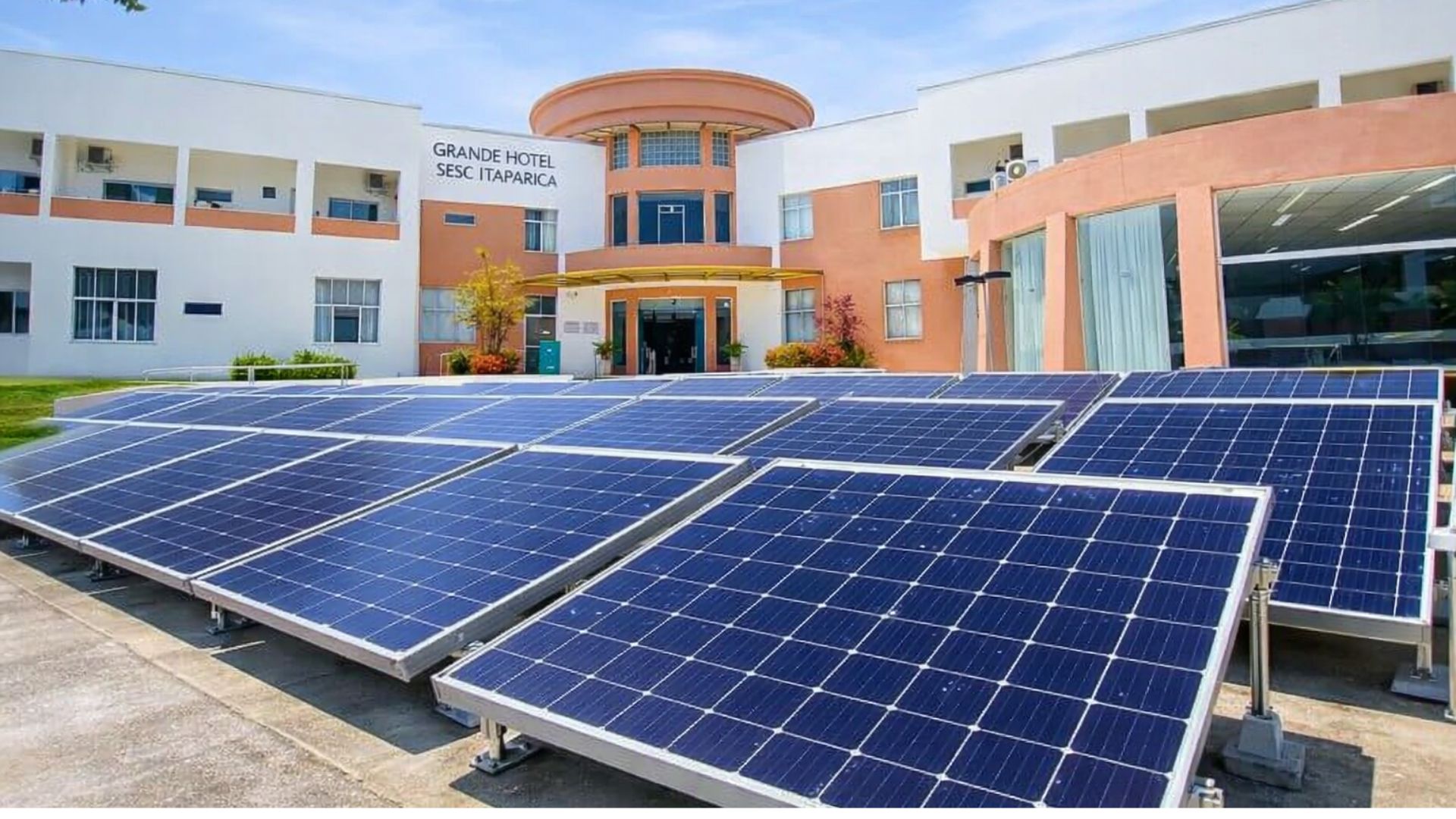
Sesc-BA bets on renewable energy with the support of EDP and drives the energy transition with a direct impact on cost reduction and the sustainability of its operations in Bahia.
-
Technology giant breaks global sustainability records: How Amazon’s leadership in renewable energy procurement transformed the global energy market in the past year.

-
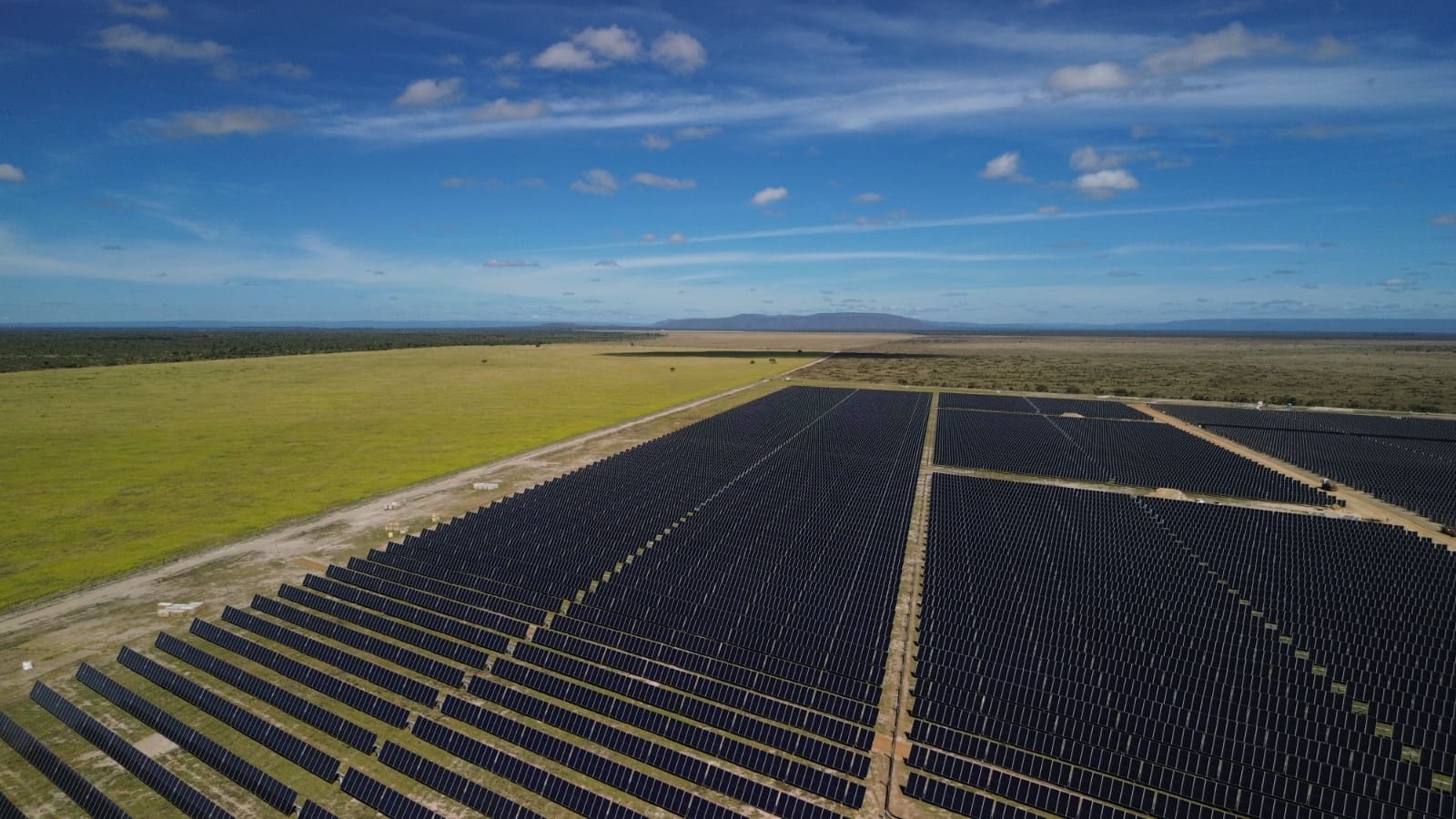
Alert in the electric sector: Atlas Renewable Energy confirms billion-dollar investment and Brazil risks losing a share of the new investment in Latin America to neighboring countries.

The Historic Path to Leadership in Renewable Energy
Historically, Brazil already had a differentiated energy matrix, with a strong reliance on hydropower since the mid-20th century. However, starting in the 2000s, the country began to diversify more rapidly by investing in solar and wind energy.
This movement gained momentum particularly after technological advancements that reduced installation costs and improved production efficiency. At the same time, public policies encouraged producers and consumers to adopt more sustainable solutions, creating a favorable environment for new projects.
According to the National Electric System Operator (ONS), renewable sources will represent more than half of the Brazilian electric matrix in less than four years. The projection for 2029 indicates that solar and wind energy will account for 51% of installed capacity, surpassing hydropower, which will have a share of 41.5%.
This transition demonstrates not only a technological shift but also a solid economic strategy to reduce dependence on fossil fuels.
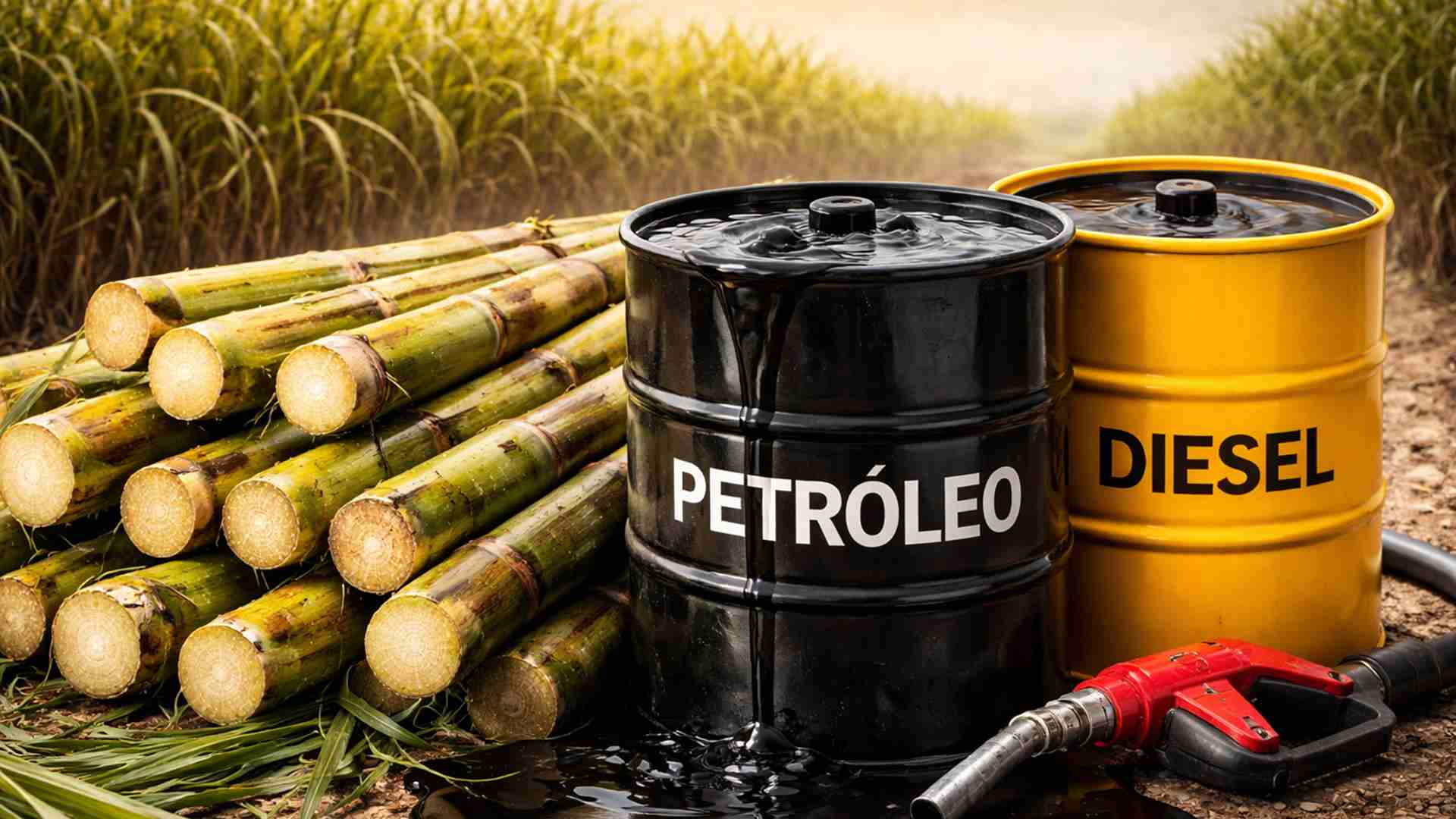
It is worth highlighting that this trajectory was built from large government programs, such as Proálcool, which in the 1970s encouraged the production of ethanol from sugarcane. This program is a landmark in national energy history, as it positioned Brazil as a world pioneer in the production of biofuels.
More recently, the development of renewable energy auctions has boosted the growth of solar and wind parks. These auctions created a healthy competitive environment among companies, ensuring more accessible prices for the population and expanding access to clean energy.
Economic and Environmental Impacts of Brazilian Advancements
The growth of renewable energies in Brazil generates direct impacts on the economy. Solar energy alone was responsible for over 450,000 new jobs in the last year, strengthening productive chains and stimulating regional development.
The positive effect goes beyond job creation. By reducing the use of fossil fuels, Brazil contributes to the global economy. In 2024, according to the International Renewable Energy Agency, the world saved about $467 billion by replacing polluting sources with clean alternatives.
This economy directly reflects on consumers’ wallets and the competitiveness of Brazilian companies in the international market. After all, cheaper and cleaner energy means lower production costs and greater attractiveness for foreign investments.
The country also stands out in the production of biofuels, which reinforce the role of agribusiness in the energy transition. Ethanol and biodiesel are already part of the national reality, helping to reduce greenhouse gas emissions and diversify the matrix.
In addition, the development of renewable energies promotes important social benefits. By generating jobs and income in traditionally less favored regions, such as the interior of the Northeast and Minas Gerais, these projects contribute to reducing regional inequalities and fostering economic inclusion.
These positive impacts reinforce that the energy transition in Brazil aligns not only with environmental goals but also with social and economic development targets.
Diversification, Innovation, and the Importance of Distributed Generation
The diversification of sources is a crucial factor for Brazil to consolidate itself among the largest powers in renewable energy. Wind energy, for example, is growing rapidly, especially in the Northeast, where climatic conditions are extremely favorable. At the same time, solar energy is expanding in both large plants and distributed generation systems, allowing consumers to produce their own electricity.
This distributed generation has revolutionized the Brazilian electric sector, giving consumers more autonomy and reducing transmission losses. However, the advancement of this mode requires that regulation keeps pace with innovations, ensuring legal security and adequate incentives.
Biofuels also maintain a relevant role. Ethanol, produced primarily from sugarcane, continues to reduce emissions in the transport sector. Additionally, biodiesel, derived from vegetable oils and animal fats, complements the energy transition by replacing part of fossil diesel. This combination strengthens energy security and reduces dependence on polluting sources.
Moreover, scientific research plays a fundamental role in this process. Brazilian institutions and international partnerships develop technologies to increase the efficiency of solar panels, wind turbines, and biofuel production processes, which contributes to reducing costs and expanding generation potential.
Challenges to Maintain Growth
Although Brazil is in a prominent position, there are still significant challenges. One of them is to increase investments in infrastructure, especially in energy transmission, to connect producing regions to areas of high consumption.
Another point is to ensure regulatory stability, an essential factor for attracting new projects and investors. Bureaucracy and delays in project approvals still pose obstacles that can slow the pace of expansion.
Additionally, the country needs to develop storage technologies to deal with the intermittency of solar and wind sources. High-capacity batteries and other solutions allow for the use of energy generated during peak production times even when the sun isn’t shining or the wind isn’t blowing.
Another important aspect is the participation of the private sector, which must continue to grow and engage in clean energy projects. Public-private partnerships and tax incentives will be essential to sustain this growth.
Prospects for the Future
The global scenario points to a continuous growth of renewable energies. With an abundance of natural resources and accumulated experience, Brazil has the conditions to expand its leadership. If it can align technological innovation, consistent public policies, and robust investments, the country may not only meet its domestic demand but also become an exporter of clean energy and technical knowledge.
Therefore, the consolidation of Brazil among the largest powers in renewable energy is not just the result of favorable circumstances but rather the fruit of decades of planning and a constant commitment to sustainability. The journey still requires ongoing efforts, but the path is open for the country to maintain its prominent position and contribute to a more balanced planet.








-

-

3 pessoas reagiram a isso.