





 English
  Francês
  Alemão
  Italiano
  Japonês
  Norueguês
  Portuguese
  Spanish
  3 min of reading


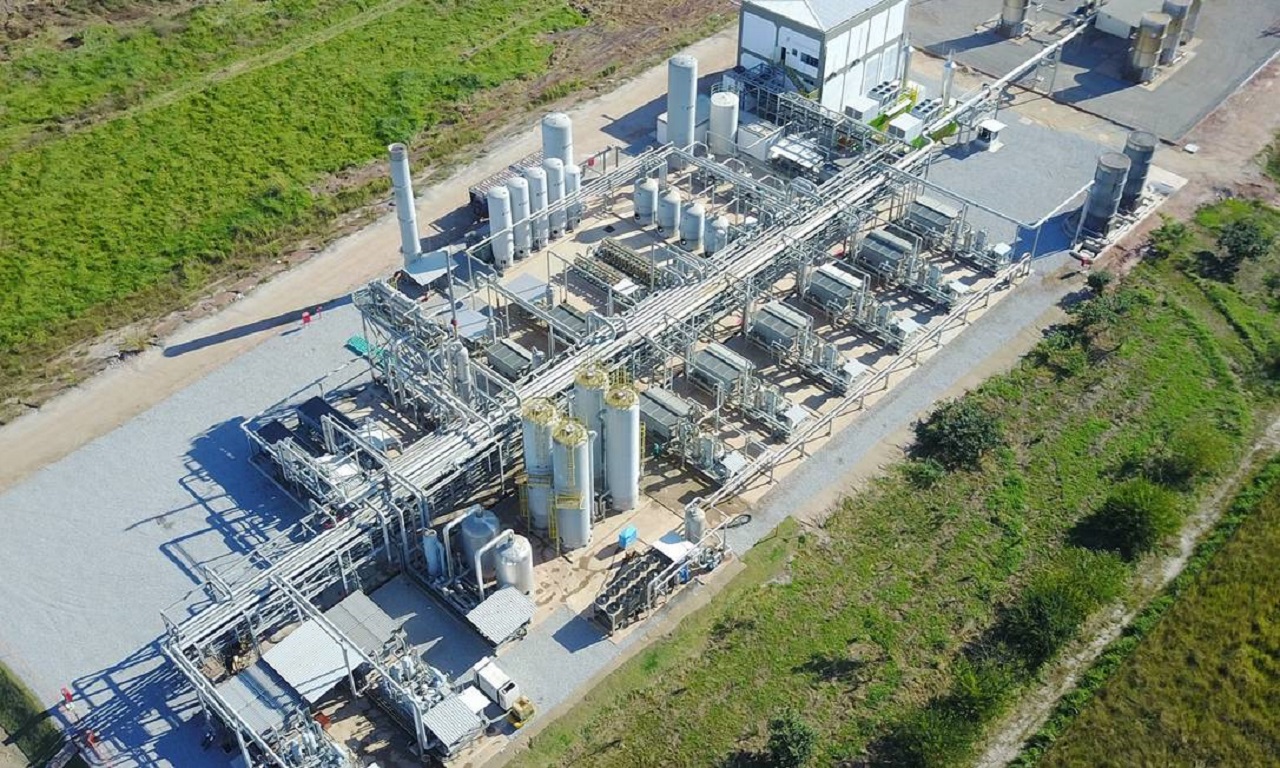
Brazil Will Receive Investments in 27 New Biogas Plants with Potential for Connection to the Pipeline Network in the Coming Years.
Natural gas distributors and biogas producers have already mapped investments in 27 new biogas plants with potential for connection to the pipeline network in the coming years in Brazil. The survey was conducted by the joint working group formed by the Brazilian Biogas Association (Abiogás) and the Brazilian Association of Gas Distributing Companies (Abegás) in May, with the aim of improving the use of biogas by state concessionaires.
Brazilian Biogas Production Could Reach 2.2 Million m³/Day by 2027
It is important to emphasize that biogas is the name given to the renewable fuel generated from the purification of biogas, produced in the sugar-alcohol industry from organic residual materials such as vinasse and filter cake from sugarcane, generated from the cultivation and processing of sugarcane. The expectation of the entities is that, with the investments, Brazilian production will reach 2.2 million m³ per day in the pipelines by 2027.
Of this amount, 1.3 million m³ per day is expected to come from biogas generated in the sanitation sector, such as landfills. Investments in the sugar-energy sector, in turn, are expected to generate the equivalent of 700 thousand m³ per day, and the agro-industrial sector more than 200 thousand m³ per day.
-
Renewable energy advances over protected areas in Brazil, and a survey by the Energy Transition Observatory reveals silent impacts that challenge environmental conservation and pressure sensitive traditional territories.

-
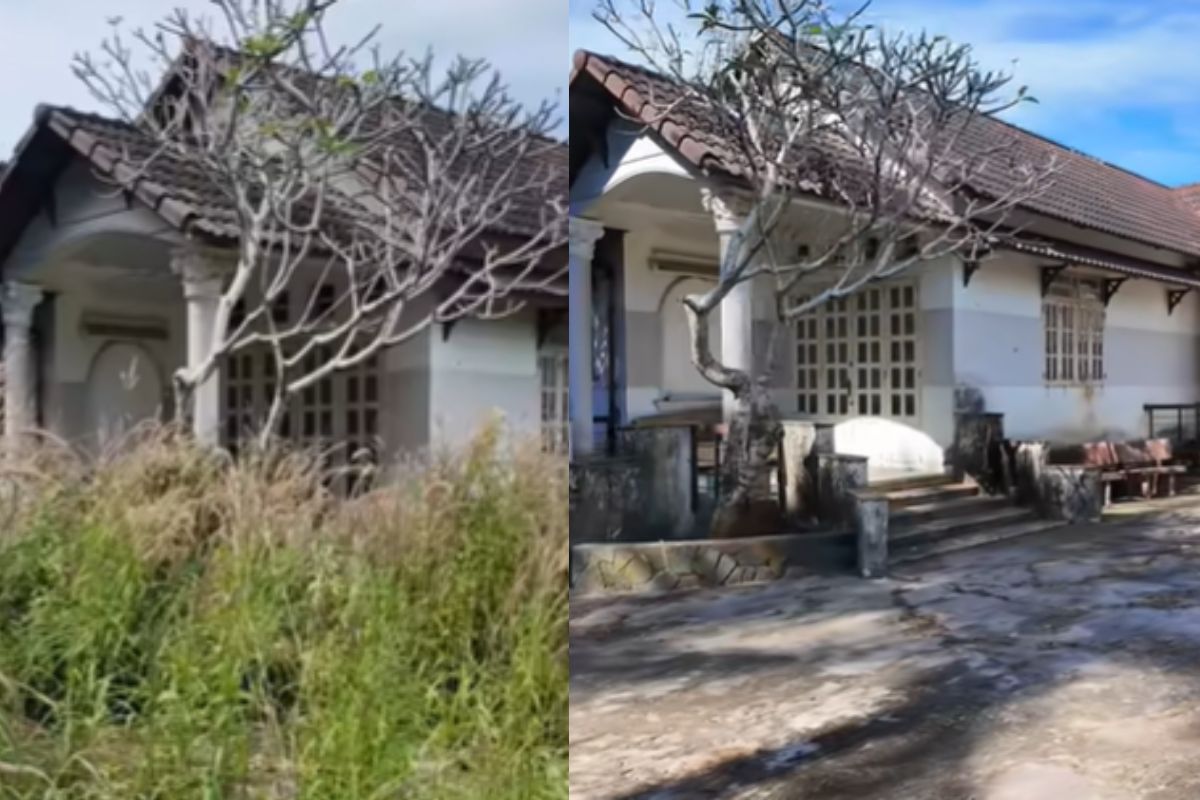
Abandoned house for 15 years disappears in the woods, shocks owner with unrecognizable scenery and is reborn in an intense transformation after almost 90 hours of work in just 10 days.
-
Rio Grande do Sul accelerates energy transition: State invests in renewable technologies and consolidates decarbonization strategies and pathways to attract billions in new industrial investments.

-
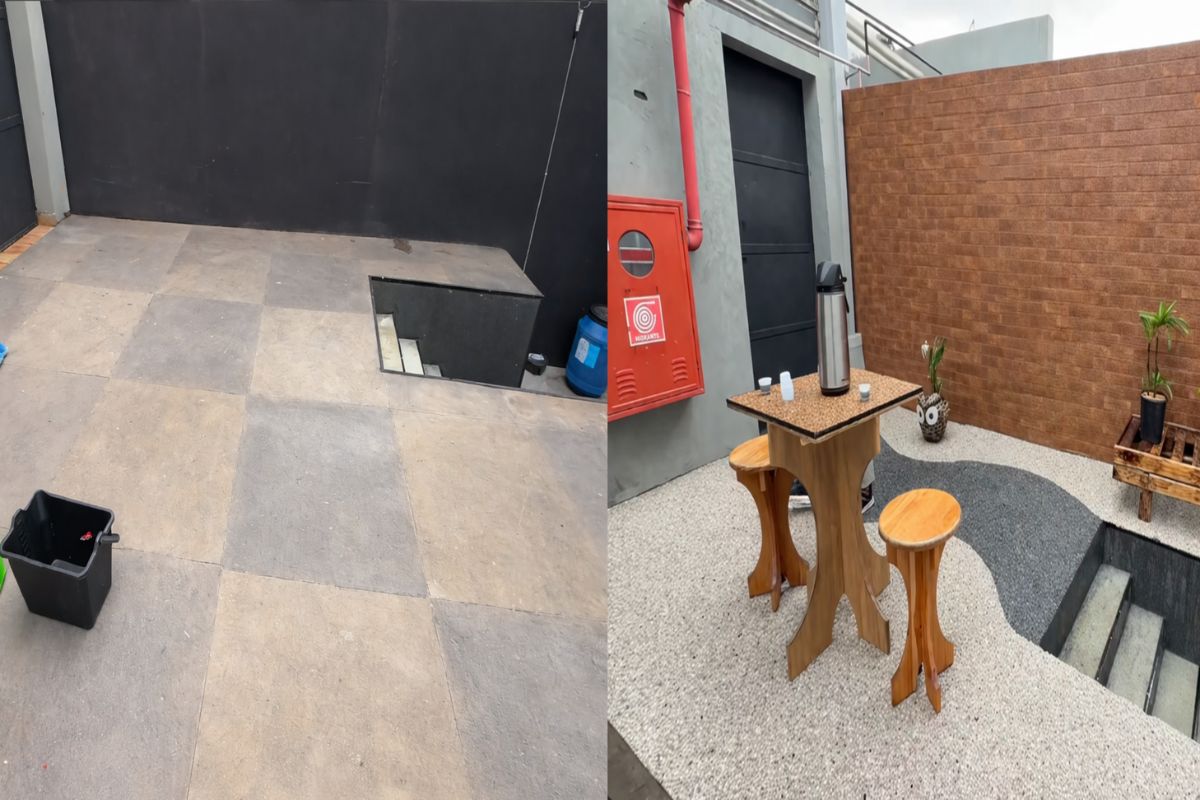
In just three hours, a natural stone floor transforms the entrance of the house with an organic effect, immediate drainage, and a sophisticated non-slip finish that doesn’t puddle water, dries quickly, and impresses with the final result.

São Paulo currently has 15 plants connected to the pipeline network, making it the state with the most investments in new projects, followed by Rio Grande do Sul, with 6. New projects have also been mapped in Rio de Janeiro, Mato Grosso, Pará, Goiás, Amazonas, and Mato Grosso do Sul.
Investments in Biogas Plants Will Contribute to Diversifying the Supply Portfolio of Concessionaires
According to Marcelo Mendonça, Director of Strategy and Market at Abegás, in two years, during the next major window for molecule purchases by distributors, the share of renewable fuel in the pipelines will be slightly higher in Brazil, helping state concessionaires diversify their supply portfolios. Besides the 27 new biogas plants already mapped in the short term, Mendonça states that Brazilian production will advance even further in the next five to ten years.
The director emphasizes that Brazil currently produces less than 1% of its potential, which would be around 100 million m³ per day. Currently, 400 thousand m³ per day are produced, and only 100 thousand m³ per day are injected into the pipeline network.
This is indeed very little, considering that this potential of 100 million cubic meters includes areas where the production and distribution of biogas are very difficult. If it were possible to make 20% of that feasible, it would be a significant advance, which could change the landscape of biogas distribution in Brazil’s pipelines, according to Mendonça.
Biogas Could Boost the Heavy-Duty Vehicles Sector
However, Mendonça does not believe that all biogas plants will necessarily be connected to the distributors’ pipeline network.
According to the executive from Abegás, it would be a great waste for Brazil to ignore the potential use of the product in the heavy-duty vehicle fleet, such as trucks and buses, which often does not depend on the interconnection between the biogas plant and the pipeline network.
The director notes that it is necessary to promote other new markets. His estimate is that utilizing 30 million m³ per day of biogas to replace the diesel used by these vehicles would save Brazil between US$ 6 billion and US$ 7 billion annually.








Seja o primeiro a reagir!