Portuguese
  Spanish


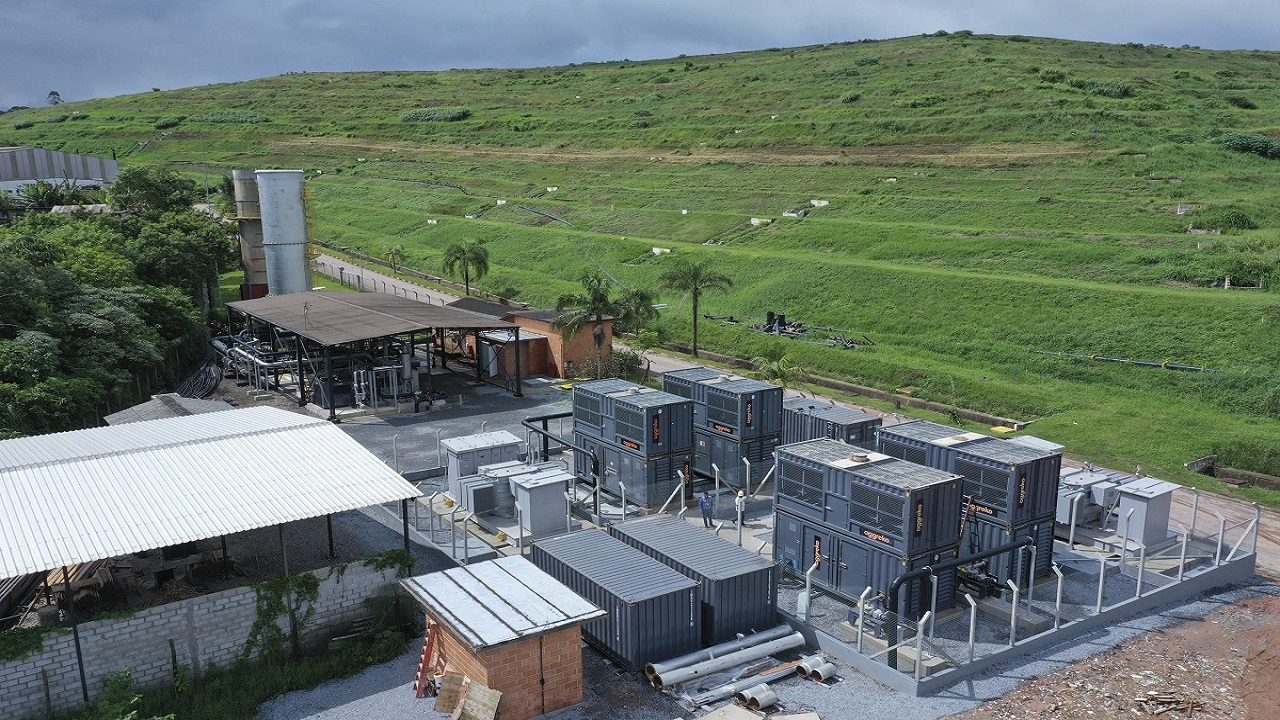

Aggreko and Eva Energia Partnered for the Construction of a New Plant in São Paulo That Produces Electricity from Biogas Generated from Landfills. The Plant Has 5 MW of Installed Capacity
The companies Aggreko and Eva Energia partnered for the construction of another plant for generating electricity through biogas generated from landfills. The first unit was installed in Seropédica, a metropolitan area of Rio de Janeiro, and now it’s Mauá’s (SP) turn, which will gain another plant this month. The facility will be installed at the Lara Central Waste Treatment Plant and is capable of generating up to 5 MW of power, representing about 27% of the installed capacity of Eva Energia, a company of the Grupo Urca Energia.
Aggreko and Eva Energia Plant Has Nearly All of Its Production Already Sold
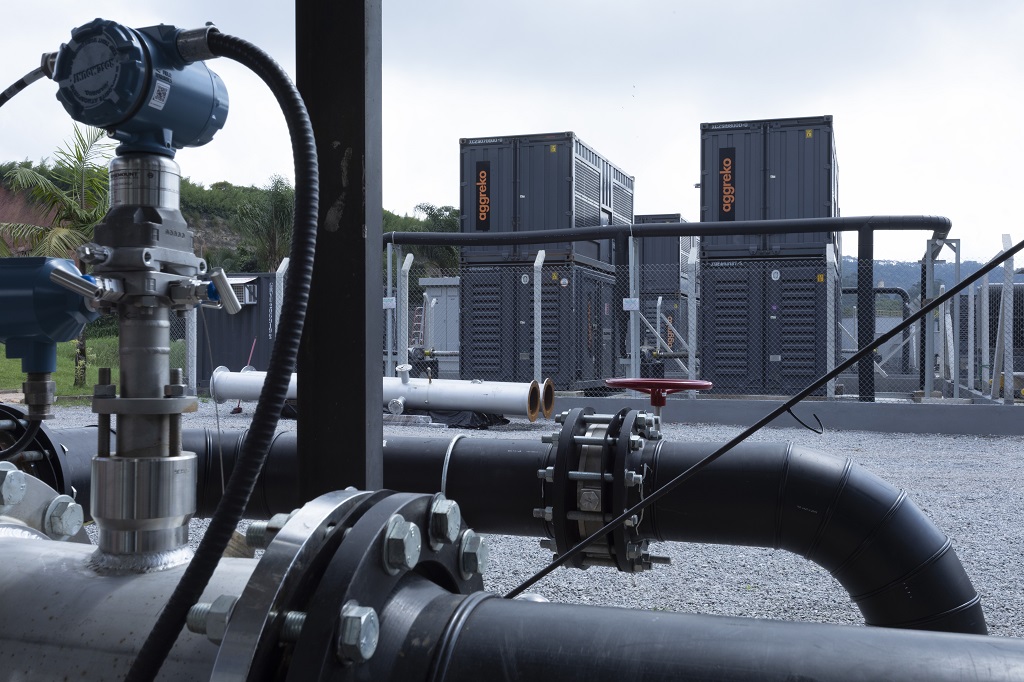
According to Eva Energia, almost all of the electricity generated at the plant in São Paulo has already been sold. The company has contracts established with clients from the retail, beverage, food, transportation, and financial sectors to negotiate energy in the form of distributed generation. Meanwhile, Aggreko provides the generators for the plants in São Paulo and Rio de Janeiro to operate, where clean energy production comes from biogas from landfills.
According to Sidnei Vital Guimarães, the business development manager at Aggreko and also responsible for the bioenergy sector, projects like this are essential for the transition of electricity, focusing on a 30% reduction in methane emissions by the next decade, compared to 2020 levels.
-
Mother Who Called Herself a ‘Pinterest Failure’ Learned Wood Furniture Restoration from Videos, Now Earns Around $15,900 Monthly

-
Denmark Constructs World’s Largest Immersed Tunnel to Connect with Germany, Sinking 217-Meter Concrete Sections in the Baltic Sea
-
Low-Cost Concrete Panel House Goes Viral: Investor Reveals Prefabricated Kit Structure for Around $1,500, Assembled in 30 Days, with Plans for Rental and Resale Income

-
Polymeric Mortar Revolutionizes Brazilian Construction with Efficient, Clean Application and Uniform Finish



Guimarães emphasizes that the company is pleased with the start of operations of the electricity plant from biogas, demonstrating that the success of the venture comes from the hard work and dedication of the teams at Eva Energia and Aggreko over the months.
Biogas Plants May Be the Solution to Several Environmental Problems
According to Eva Energia’s CEO, Eduardo Lima, the use of biogas derived from landfills and pig farming waste for electricity production helps solve various environmental and climate-related issues and aligns with the current movement for low carbon emissions and decentralization of the energy sector.
The executive emphasizes that utilizing these energy sources provides a better destination for urban waste from landfills, reduces pollutant gas emissions, offers clean electricity to companies that need to meet their ESG goals, and enables a safe transition to energy, in a decentralized manner without intermittency.
Use of Landfills for Biogas Production Is Increasing in Brazil
The search for a cleaner source of electricity by companies, with a reduction in CO2 emissions, has resulted in an expansion in electricity production through biogas in landfills.
The goal is to continue operating with distributed generation projects, a model that is considered compatible with the company’s goal of promoting decarbonization and decentralization of energy generation.
Once this goal is achieved, R$ 240 million will be invested in projects in Brazil, resulting in the generation of 163 thousand MW/h per year, which is equivalent to the energy consumption of 81 thousand homes per year.
The estimate is that the investment plan will be completed between the end of this year and the beginning of next year. It is important to emphasize that landfills are the third-largest source of anthropogenic methane emissions worldwide.