





 English
  Francês
  Alemão
  Italiano
  Japonês
  Norueguês
  Portuguese
  Spanish
  4 min of reading


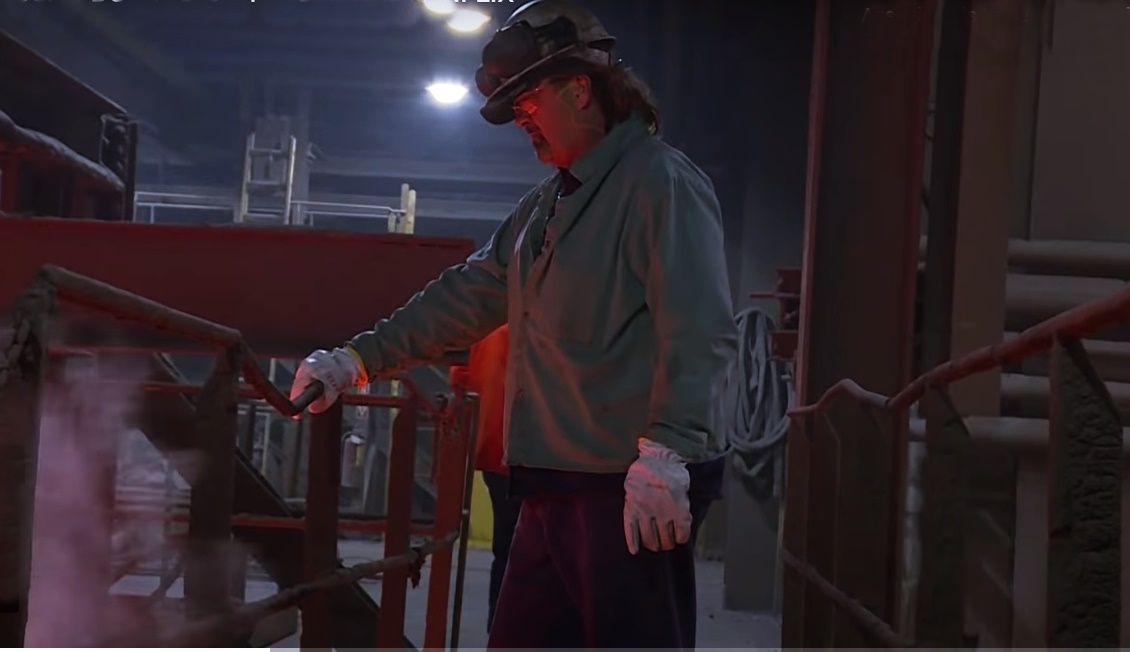
Brazil Holds 90% of All Global Niobium Reserves. The Investment in Research Already Practiced Will Ensure the Country’s Prominence in the Global Niobium Revolution
Niobium, a transition metal capable of transforming the properties of other materials and abundant in Brazil, becomes a true wild card for the industry, present in distinct segments such as urban mobility, infrastructure, energy, health, and aerospace engineering. Brazil, the largest reference in the production of the metal worldwide, will become a key player in the global technological revolution that this metal promises to bring.
Also Read
- The World Leader in Niobium Production, CBMM, Closes International Partnership and Adopts Canadian Technology to Increase Battery Performance in Electric Vehicles
- They Discover the Third Largest Niobium Deposit in the World
- The State of MG Gains the First Factory of Niobium Nanomaterials in the World
- Niobium and Graphene: Brazil and Japan Sign Cooperation Agreement to Explore the Production and Use of the Minerals
- Luxury Car from British Manufacturer BAC Will Contain Niobium Supplied by the Brazilian Company CBMM
- Brazil is the Largest Global Supplier of Niobium, a Mineral Found on a Large Scale in Indigenous Reserves in the Amazon
The world’s leading niobium producer, the Brazilian CBMM, invests between R$ 150 million and R$ 200 million in its technology program, aimed at developing new solutions and applications based on niobium for different sectors.
Brazil Holds 90% of All Global Niobium Reserves
90% of the global niobium market belongs to Brazil, with CBMM being a pioneer in developing its numerous applications. “If we go back six decades, the market was practically zero. CBMM, in addition to developing processes in Araxá, has done a great job explaining to the world the benefits of adding this metal in various applications, both in Brazil and abroad. Perhaps this is the main virtue that made the company a global reference,” said Giuliano Fernandes, head of marketing and communication at the mining company.
-
‘Interlocking brick’ made of earth arrives in the construction industry with cost reductions of up to 40% on the project.
-
Espírito Santo will receive the largest engineering project in its history with the duplication of BR 262, which will have 50 viaducts, 28 bridges, and 2-kilometer tunnels cutting through the most challenging mountainous region of the entire state.

-
A project of nearly 9 million reais already has the first kilometer paved in Santa Catarina and promises to completely transform the access between Jaraguá do Sul and Rio dos Cedros in an area where tourism is growing at a rapid pace.

-
A couple builds a system to bring water from the spring to their land, climbs a hill with materials on their backs, and creates a simple, cheap, and sustainable solution to ensure their own water supply.




But After All, What is This Abundant Metal in Brazil Used For?
Over the years, with advances in materials science, the main characteristics of niobium have been discovered: high thermal and electrical conductivity, malleability, ductility — which is the ability to deform without breaking —, high resistance to corrosion, heat, and wear. Among its numerous applications, the most well-known is related to metallurgy, a segment that has used the metal for over half a century.
To give you an idea, 80% of CBMM’s sales volume serves the steel industry. When combined with purified niobium, steel becomes considerably more resistant, which is why the metal has expanded into the energy sector. The ferroniobium alloy is also essential for gas transportation. “All gas pipelines use niobium. Small amounts alter the composition of steel. When you refine the grain and give properties to the steel, it becomes stronger and tougher. So, for gas pipelines, it’s extremely important,” explained Rogerio Pastore, head of global market development (energy sector) at CBMM.
Nanocrystals, materials 10,000 times smaller than a grain of steel, are produced in strip forms, from an alloy with approximately 6% niobium in its composition. The new composition is stirring the electronics and automotive industries. “They have excellent magnetic properties. And today, with this cell phone revolution, they are in greater demand. It’s a material that grows at almost exponential rates every year,” pointed out Pastore.
Additionally, this magnificent metal has a transformative power in wirelessly charging cell phones. “The function of the nanocrystal strip inside the cell phone is to ensure that the device does not interfere with the charger and vice versa.”
Besides contributing to the evolution of wireless technology, nanocrystals provide high precision in energy meters. In the automotive industry, using niobium batteries in electric cars reveals the element’s cooperation for a more sustainable world. “The improvement in vehicle safety requires more resilient and advanced materials, and niobium has proven to be a great ally in this revolution that has occurred,” said Fernandes.
Niobium Promises to Revolutionize the Aviation Market
Aviation is also part of the revolution brought by this incredible metal. Currently, researchers are exploring the possibility of making a niobium-based alloy for aircraft turbines. Science, on its part, is working on applications to lead us to longer flights.
The Falcon 9 rocket, launched last November towards the International Space Station, carried the Dragon capsule with four crew members, and it contains special alloys based on or containing niobium in the propulsion engines and at the tip of the rocket.
The investment in research and development has allowed Brazil to take the first steps and become a reference in this segment for over six decades. This same investment will ensure the country remains at the forefront of the global niobium revolution.








Seja o primeiro a reagir!