





 Portuguese
  English
  Spanish
  5 min of reading
  0 comments


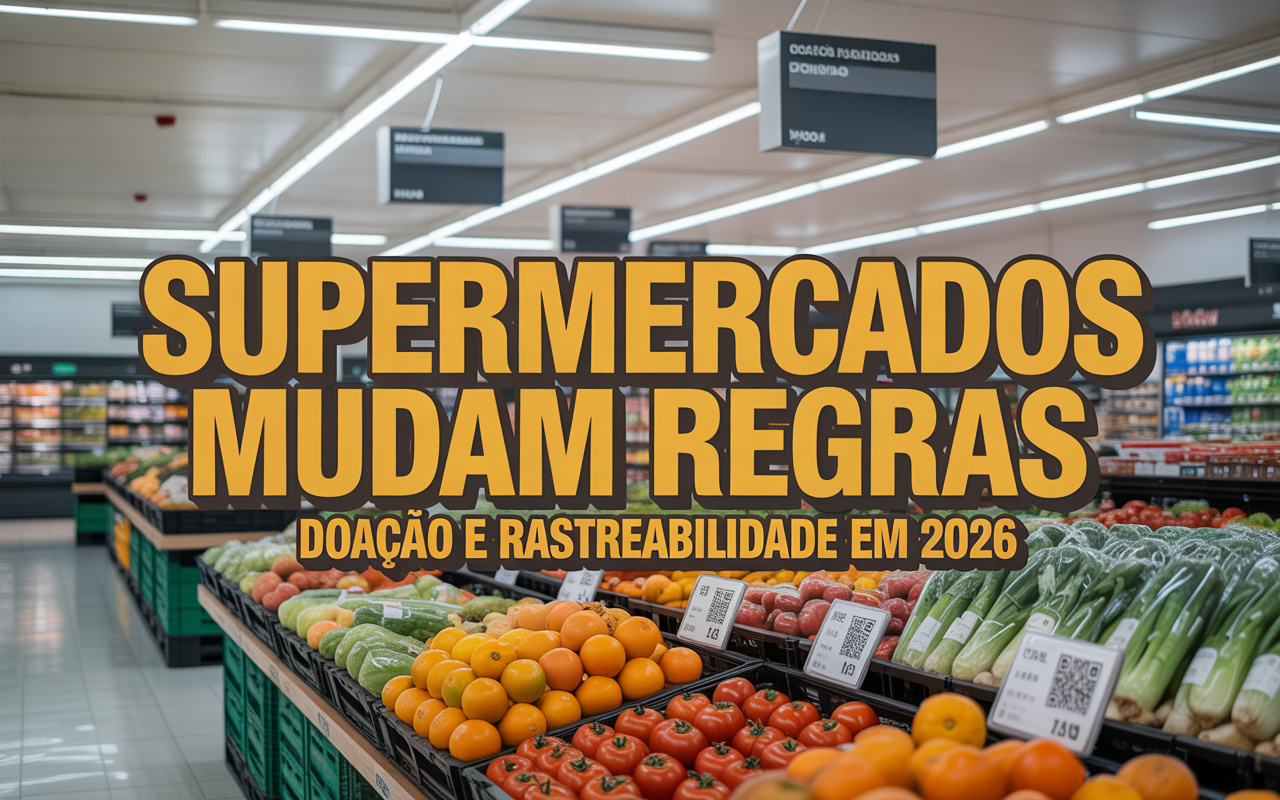
Brazil Has New Policy And Bills On Waste; Supermarkets Adjust Donations, Traceability And Operations. Consumers Note Changes In 2026.
The fight against food waste has entered the political, legal, and economic agenda of Brazil in an unprecedented way. What used to circulate in speeches about the environment, social responsibility, and food insecurity has now become part of state policies, draft laws in Congress, and strategies of major retail chains. And while much of the population is thinking only about price, expiration, and promotions, the food sector is undergoing a silent process of structural transformation.
The turning point occurred starting in 2025, with the enactment of the National Policy for Combating Food Loss and Waste, which sets federal guidelines for reducing losses, encouraging the donation of surplus food, and providing legal security. At the same time, 2026 began with draft laws in progress in Congress aimed at expanding the reach of this policy, creating sustainability seals, traceability mechanisms, donation obligations, and even penalties for disposing of food fit for consumption.
The combination of an active policy and draft laws with potential regulatory impact has produced an immediate effect: networks such as Carrefour, Assaí, Atacadão, GPA, and Sonda have begun to adjust their internal processes, train teams, and establish partnerships with social entities to prevent waste at the retail level.
-
77.2% of Brazilians support lowering the age of criminal responsibility and reinforce pressure for changes in criminal legislation in the country, a national survey indicates.

-
The law that many elderly people are still unaware of protects those aged 60 and over against abusive charges from banks, guarantees debt renegotiation, and prevents loans and credit cards from consuming their entire retirement pension.

-
Portugal approves Nationality Law: Brazilians from CPLP will have to live for 7 years to obtain citizenship (waiting for title does not count), rules tighten for children born in the country, Sephardim are excluded, and it awaits a decision from President António José Seguro.

-
Your neighbor is undergoing construction and debris has fallen on your property? This could lead to compensation and make the owner, responsible party, and construction company pay for the damages.

National Policy For Combating Food Loss And Waste: The Legal Framework That Changes The Game
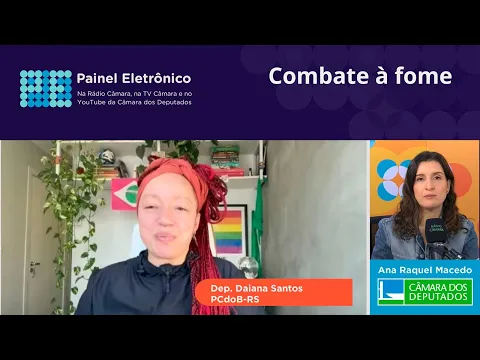

The National Policy enacted in 2025 creates a set of norms and principles that guide the actions of producers, distributors, retailers, and social entities.
What makes this policy relevant is the formalization of the donation of food fit for consumption, even when close to expiration, with legal protection for those who donate, as long as sanitary conditions are respected.
This policy was built from PL 2.874/2019, which went through years of proceedings before being approved and turning into law. It creates guidelines for:
• reducing losses throughout the supply chain,
• encouraging the donation of safe food,
• cooperation between government and the private sector,
• strengthening food banks and solidarity networks,
• integration between ministries and federal agencies.
For retail, the most sensitive aspect is the elimination of legal insecurity. Until 2024, many supermarkets simply discarded food that could be donated because they feared lawsuits in case of poisoning or contamination. With the policy in effect, when sanitary regulations are followed, legal responsibility ceases to be a risk, and surpluses can proceed to donation.
The Draft Laws In Progress That Expand The Reach Of The Policy
The current policy has paved the way for a broader debate. In 2026, there are at least two relevant draft laws progressing in Congress.
The first is PL 690/2019, currently in the Federal Senate, which creates the National Sustainability Seal for establishments that demonstrate practices in reducing waste, donating surpluses, and tracing food.
The aim of the seal is to create a layer of transparency between the company and the consumer and to encourage positive behaviors in retail.
The second is PL 502/2025, which discusses the possibility of penalizing the disposal of food fit for consumption, establishing fines and oversight mechanisms for supermarkets, wholesale clubs, and distributors. This project is still under debate because it involves operational costs, logistics, and food safety parameters. Even without approval, its mere existence alters the landscape, as it indicates a potential tightening of regulations.

These projects frequently appear in hearings, with participation from representatives of the industry, retail, agriculture, and hunger-fighting entities.
There is no consensus among the actors, but there is a clear trend to elevate food waste to the level of regulated theme, not just voluntary.
Economic And Operational Repercussions In Food Retail
Supermarkets are the most visible link in the food supply chain but also the most sensitive to perishability. Products like fruits and vegetables, fresh meats, and baked goods have short windows between receipt, display, and expiration. When there is no fine stock management, waste is inevitable.
The new policy and the draft laws under discussion compel retail chains to rethink operations. This includes:
• tracking systems for expiration,
• trained teams to allocate surpluses,
• partnerships with local food banks,
• reorganization of perishable logistics.
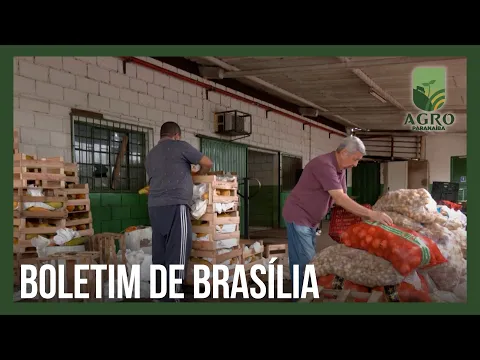
Industry experts state that donations cease to be just a best practice and become a governance component. In some cases, retail chains manage to reduce costs by decreasing disposal fees while reinforcing an institutional image associated with sustainability.
Why The Issue Also Involves Competitiveness And Branding
The advancement of PL 690/2019 regarding the sustainability seal touches on a sensitive point: the competition for reputation. In saturated markets, differentiation is not only about price and product mix but also about environmental, social, and sanitary compliance.
Carrefour and Assaí, for example, publish ESG (Environmental, Social and Governance) reports with goals for reducing losses and donation programs. These actions, which were previously voluntary, may become certified requirements if the PL progresses.
For retail specialists, creating a national seal could establish a new competitive standard, forcing companies to document waste metrics with the same rigor as traceability and origin.
The Impact On Consumers And The Cultural Turn In 2026
The consumer’s perception is also changing. In stores, there will be a more frequent appearance of:
• foods close to expiration with reduced prices,
• more detailed labels on expiration dates,
• visual communication about combating waste,
• awareness campaigns.
This alters the way Brazilians consume. The idea that products with reduced shelf life are necessarily inferior is starting to be questioned, and “conscious buying” practices are gaining traction.
Furthermore, the discussion about food insecurity adds an ethical layer to the topic. According to estimates from international organizations like the FAO, about a third of all global food production is lost or wasted.
In Brazil, recent studies indicate that millions live with moderate or severe food insecurity, while tons of food are discarded daily.
What makes this moment historic is not just the approval of a policy or the progress of isolated PLs, but the regulatory convergence. Brazil is beginning to treat food waste as a public issue, with economic, social, and environmental impacts.
The retail adapts. Congress debates. Consumers observe. And the question that is beginning to gain traction is simple and provocative: in a country with millions facing food insecurity, how long will it take for surplus donation or penalties for disposal to become a legal obligation and not just a corporate choice?









-

Uma pessoa reagiu a isso.