





 Portuguese
  English
  Spanish
 3 min of reading
  0 comments


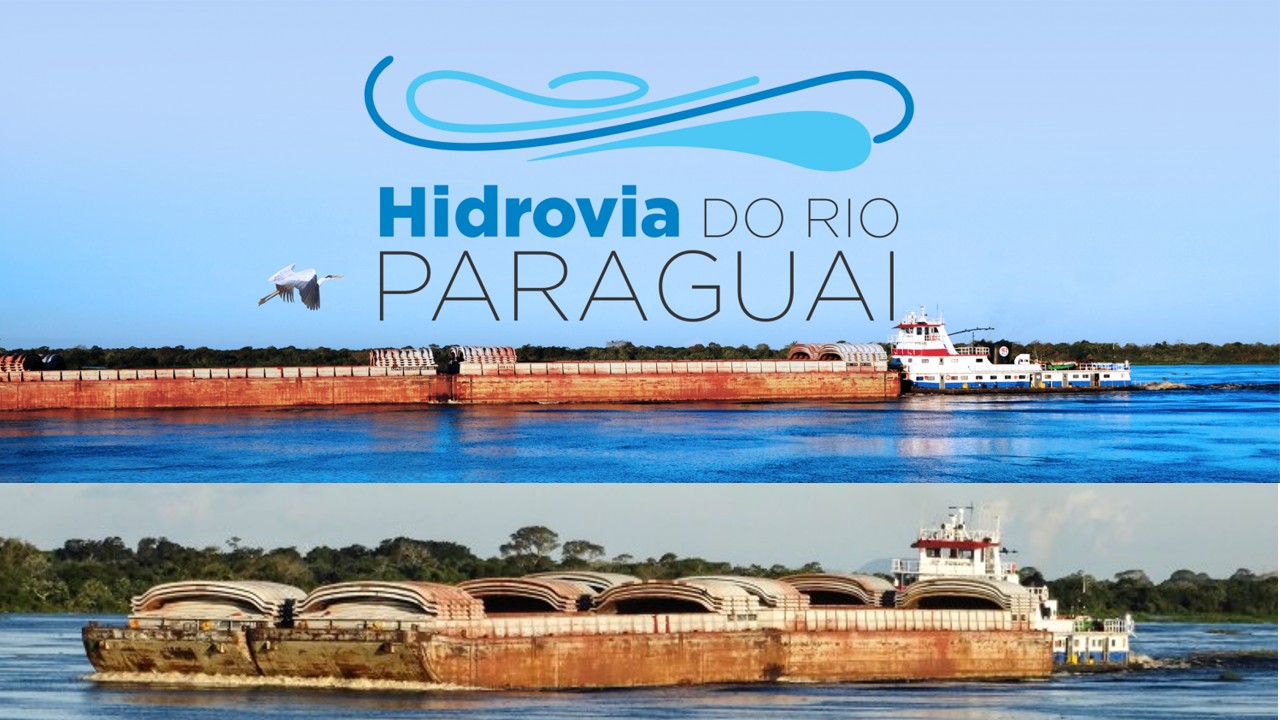
The First Waterway Concession in Brazil Transforms the Paraguay River into a Strategic Axis of Sustainable Logistics, with Auction Planned for 2025 and Investments Focused on Competitiveness and Environmental Preservation.
Brazil is about to inaugurate a groundbreaking model in its transportation matrix: the country’s first waterway concession. The Ministry of Ports and Airports has already sent the project for the auction of the Southern Stretch of the Paraguay River, between Corumbá (MS) and the mouth of the Apa River, at the border with Paraguay.
This stretch covers 600 kilometers in national territory and occupies a strategic position for the drainage of production from the Midwest, mainly grains and iron ore.
According to Minister Silvio Costa Filho, the concession inaugurates a new cycle for Brazilian logistics:
-
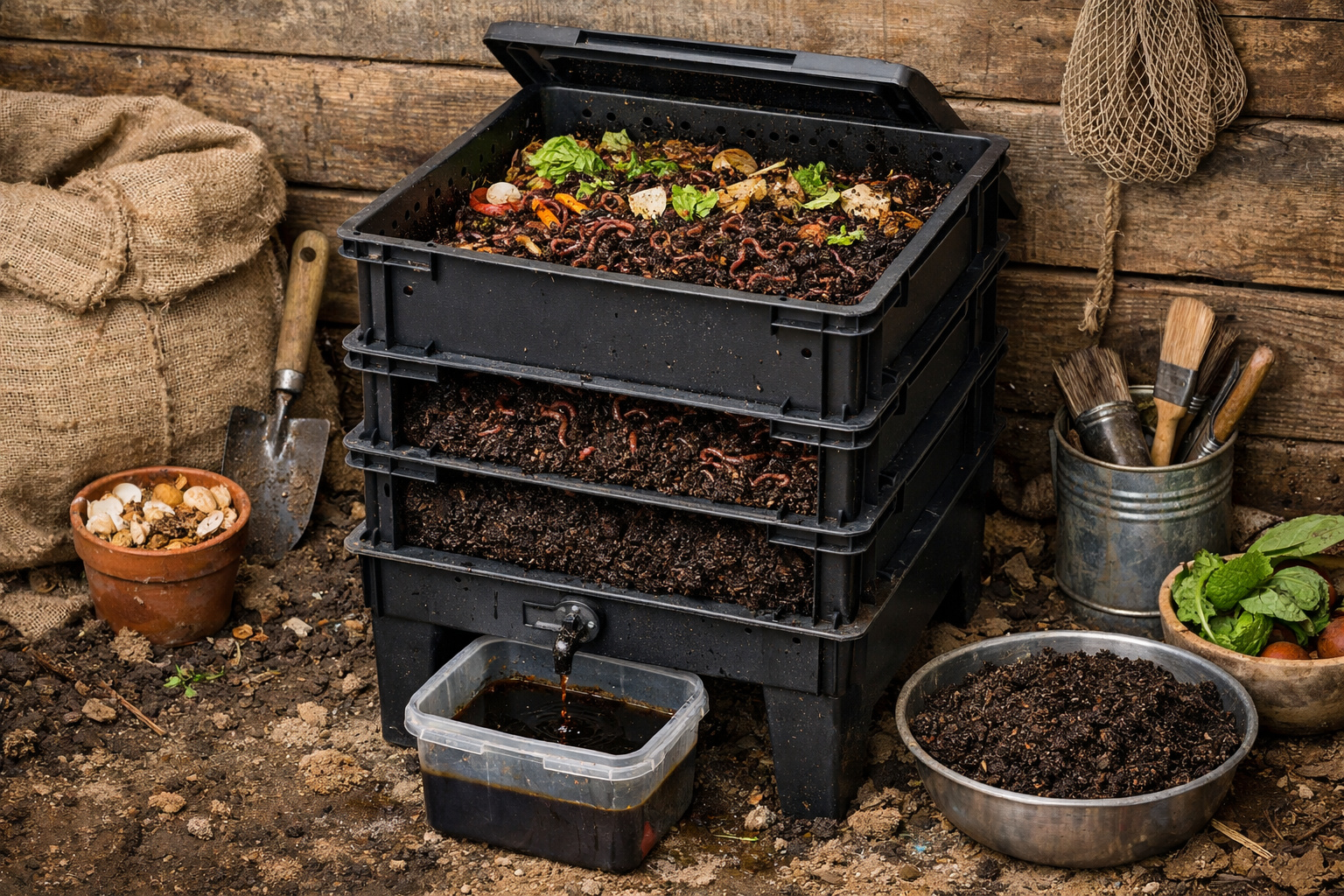
6 sources of free fertilizer that you are throwing away every day and can transform your garden without spending anything.
-
With a water crisis on the radar, Sabesp invests in reclaimed water for data centers and transforms sewage treatment into a solution that saves millions of liters and protects public supply.

-
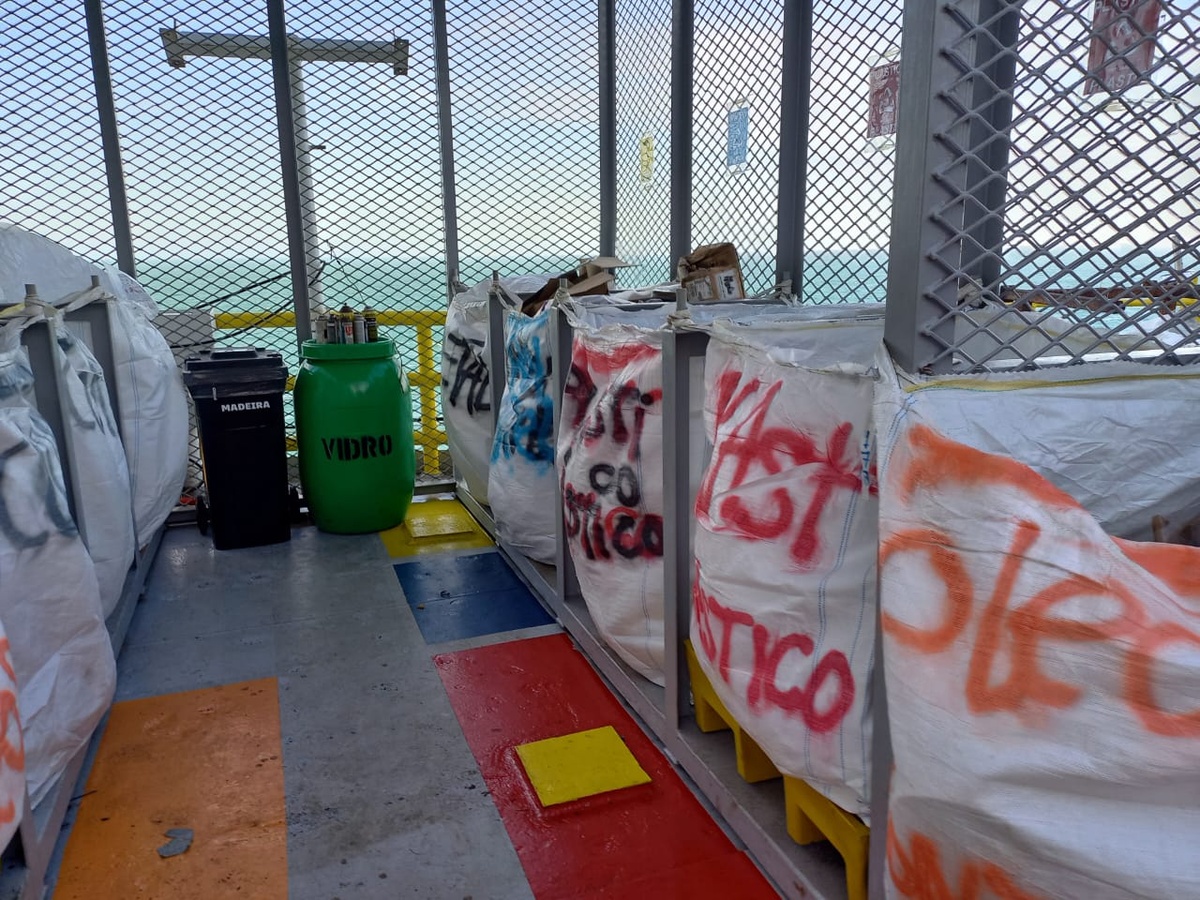
Foresea achieves 100% offshore waste reuse in 2025, eliminates landfill disposal, and consolidates sustainable strategy with 1,500 tons recycled.
-
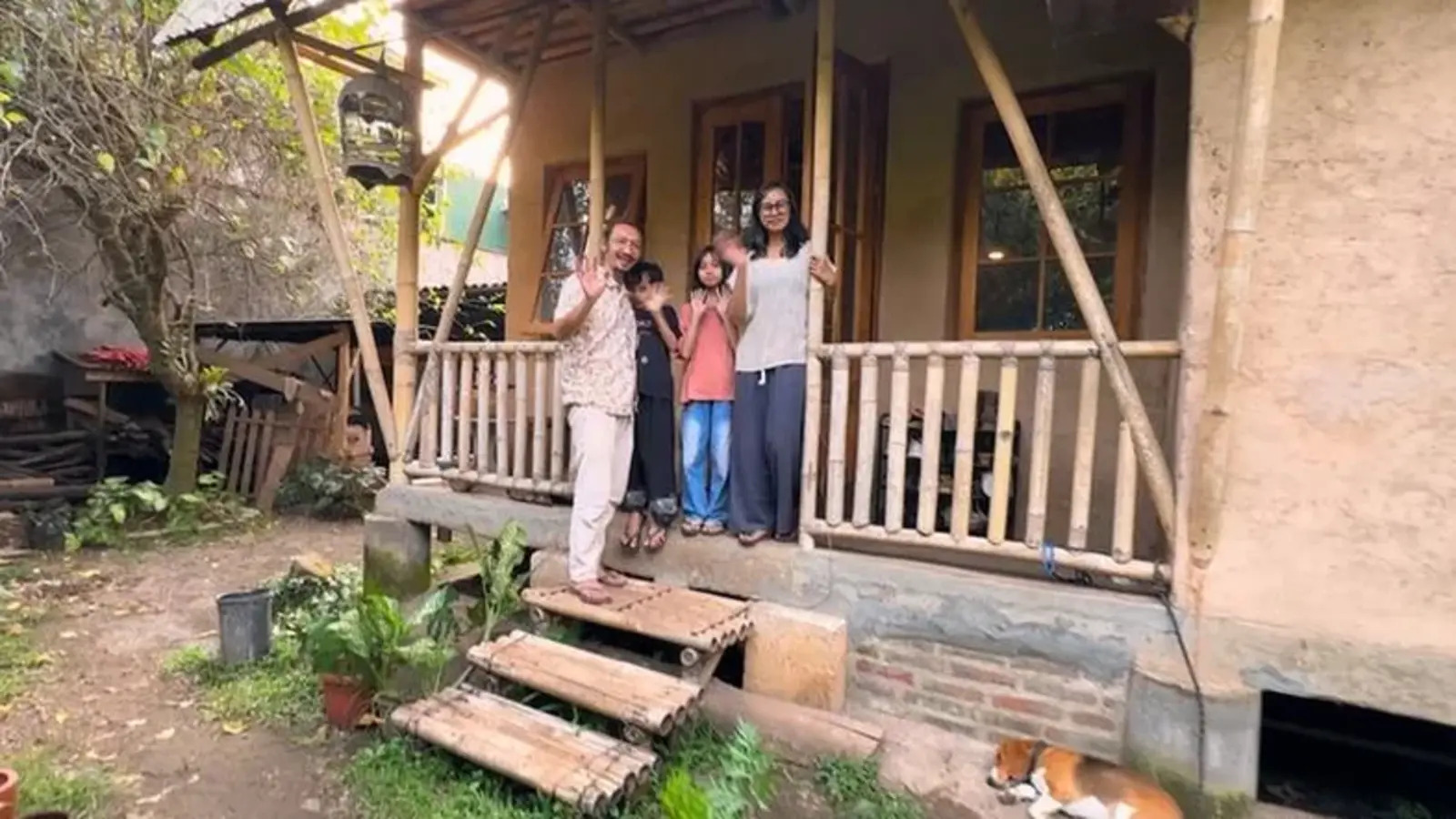
With earth, bamboo, straw, and lime mortar, a specialist builds a house for just over $460 and draws attention for its cost being much lower than traditional construction.

“Investing in waterways is a strategic priority. It reduces costs, integrates regions, increases competitiveness, and helps decarbonize transport.”
More Efficient Logistics and Planned Investments
Water transport on the Paraguay River faces limitations, especially during dry periods. In 2023, the river allowed the transport of 7.9 million tons of cargo. However, in 2024, the volume dropped to 3.3 million, reflecting a lack of predictability.
With the concession, the government plans to triple transport by 2035. The contract will have an initial validity of 20 years, potentially extending up to 70 years.
In the first five years, R$ 43.2 million in investments are planned, of which 20% will go to environmental preservation and monitoring actions. The winning company will also be required to carry out dredging, marking, signaling, hydrographic monitoring, and environmental management.
Sustainability as a Central Axis
Water transport emits 27 times fewer pollutants than road transport, according to industry studies. Thus, by shifting part of the cargo transport to the waterway, Brazil reduces greenhouse gas emissions and reinforces its commitment to the Paris Agreement.
Furthermore, the change diminishes collateral impacts. Just in Mato Grosso do Sul, the Institute for the Conservation of Wildlife (ICAS) recorded 13,000 wildlife roadkill incidents in the last three years. Therefore, by reducing dependence on road transport, the country also helps preserve local fauna.
Consequently, the concession of the Paraguay River combines logistical efficiency and environmental preservation, becoming a reference in sustainable transport.
Currently, the Paraguay River remains closed on average for 65 days a year, which compromises transport reliability. The expectation with the concession is to reduce this number to just eight days annually.
This result will come from structural measures, such as:
- permanent dredging to keep the riverbed navigable throughout the year;
- modern signaling and continuous marking, allowing even night navigation;
- real-time monitoring, enhancing the safety of vessels and cargo.
With greater predictability, companies and producers will have more confidence in using the waterway, which is likely to increase its share in the Brazilian transportation matrix.
Future Expansion of Brazilian Waterways
Today, Brazil utilizes 20,000 kilometers of navigable rivers, but experts estimate that the potential reaches 60,000 kilometers. Therefore, the concession of the Paraguay River is seen as a pilot project, capable of paving the way for similar initiatives in other strategic stretches.
According to the federal government, the measure brings benefits beyond cost reduction. The concession strengthens regional integration and enhances the competitiveness of Brazilian agribusiness in international markets.
In Mato Grosso do Sul, the Southern Stretch of the Paraguay River will be the first to receive the model, but there are already expectations for new concessions in different river basins.
The first waterway concession in Brazil, on the Paraguay River, symbolizes a decisive step toward the modernization of national logistics. The project combines infrastructure, sustainability, and competitiveness, creating conditions for more efficient and less polluting transport.
With planned investments, lower environmental impact, and efficiency gains, the initiative is likely to transform how the Midwest connects to ports and global markets. Thus, the waterway ceases to be a secondary alternative and takes on a central role in Brazilian logistics integration.






Seja o primeiro a reagir!