





 Portuguese
  English
  Spanish
  5 min of reading
  0 comments


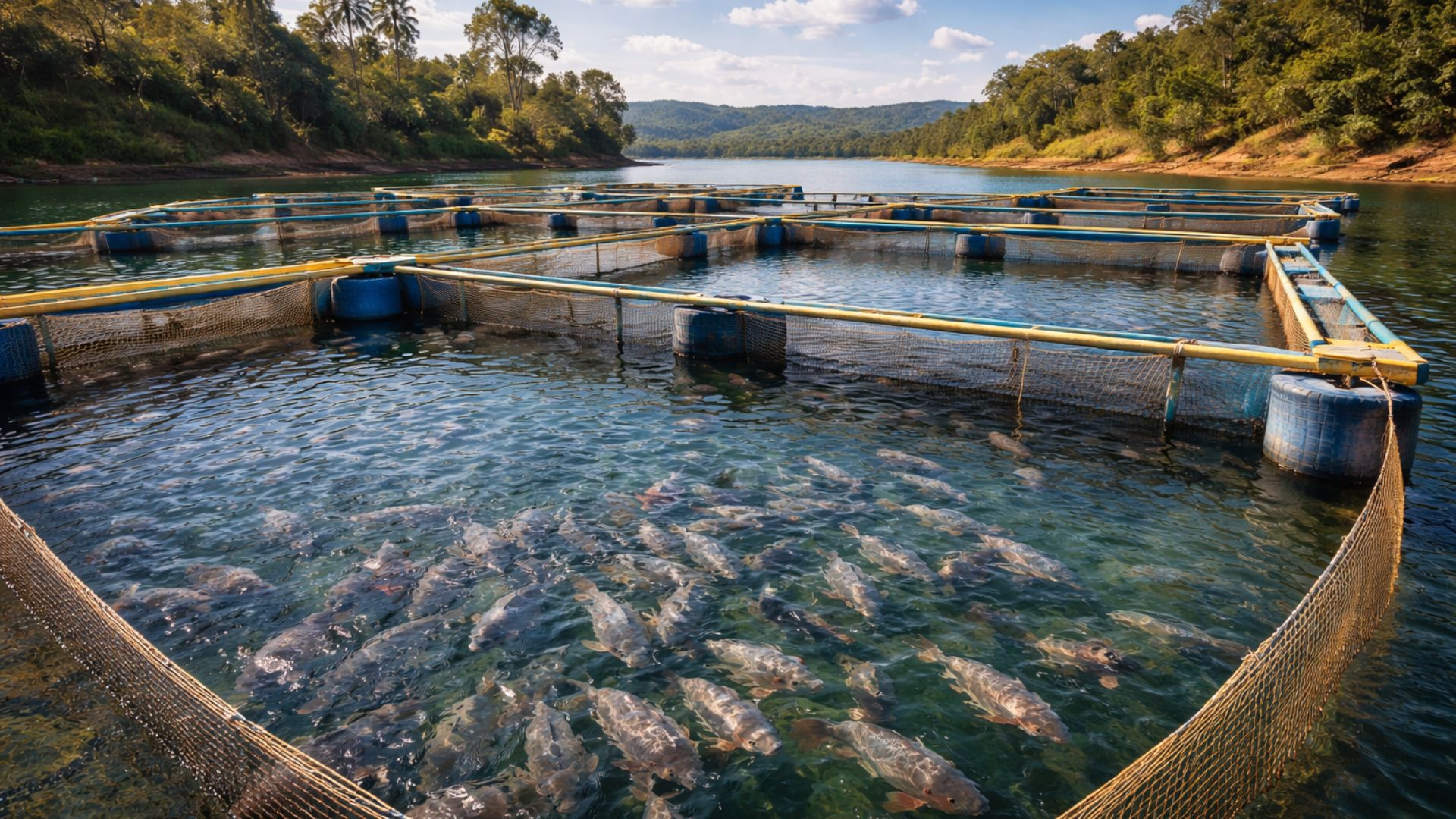
Summer Concentrates Productive Factors, Warm Consumption, and Growth Projections for Brazilian Tilapia, with Companies Estimating Revenue Increase and Producers Adjusting Management to Meet Seasonal Peaks and Expansion of National Supply.
The hottest period of the year usually brings together factors that directly impact the tilapia supply chain in Brazil.
Between December and March, producers face a scenario marked by high temperatures, increased domestic consumption, and greater commercial predictability, a combination that leads industry companies to project revenue growth.
In this context, Brazilian Fish stated it expects to increase revenue by 15% in the first quarter of 2026, compared to the same period in 2025.
-
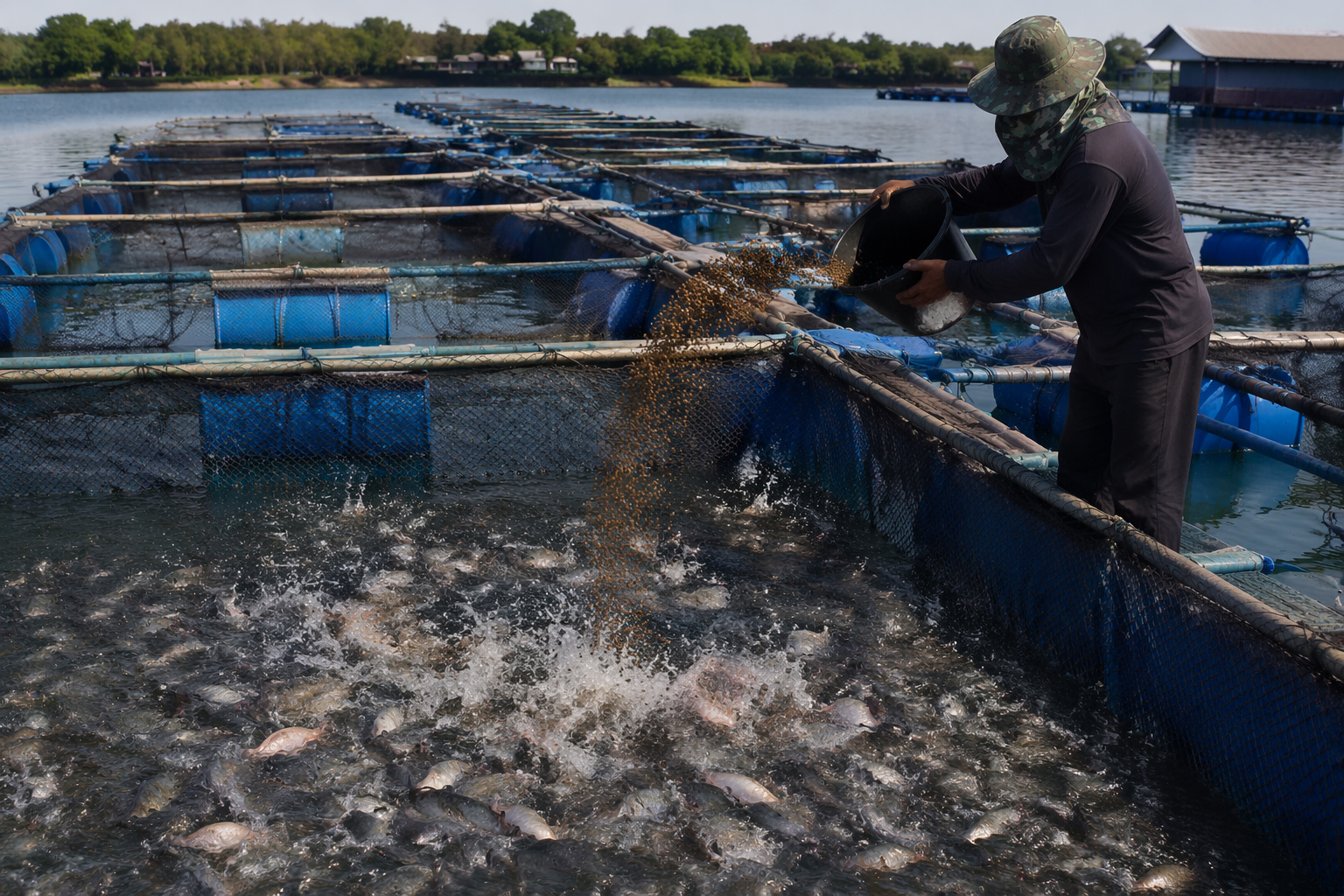
Without soy, there is no fish on the plate: the hidden link that supports global aquaculture and can affect the price of the fillet that reaches your table.
-
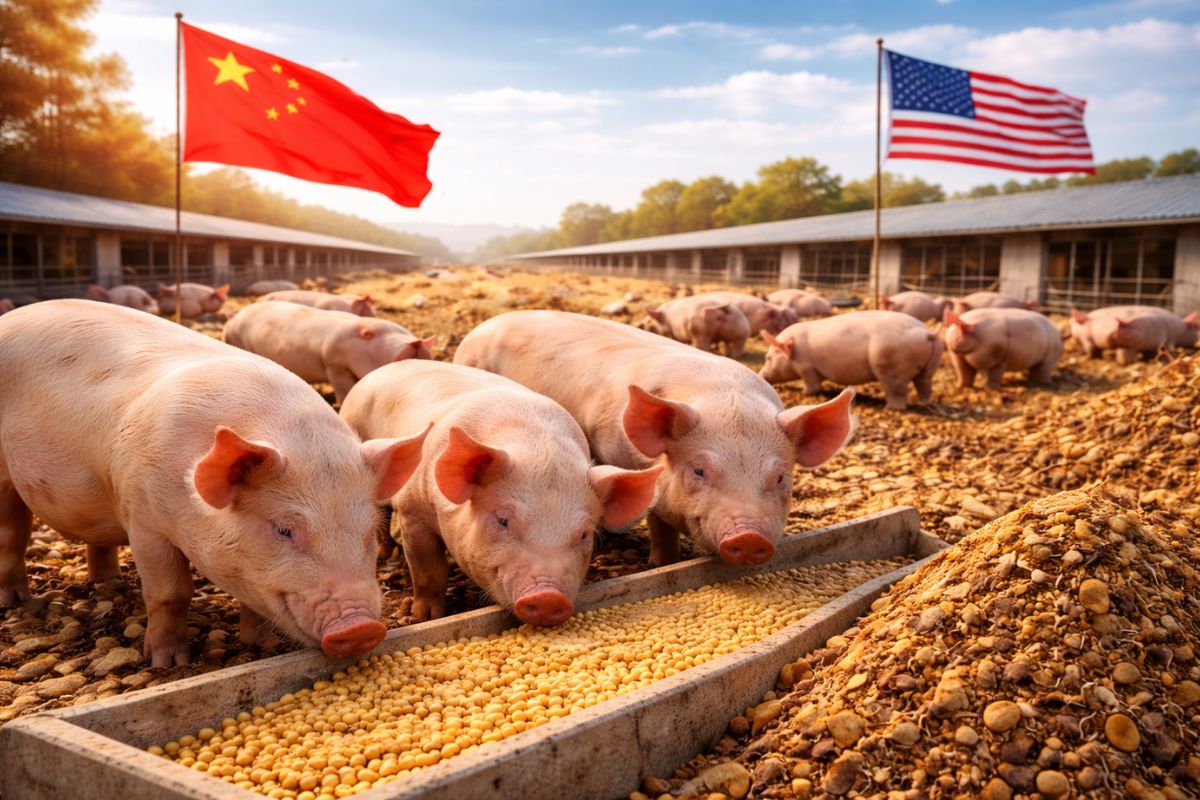
China is replacing soybeans with fermented feed in pig diets, and this silent shift is already generating 6 billion dollars and could take billions away from Brazil and the United States in the coming years.
-
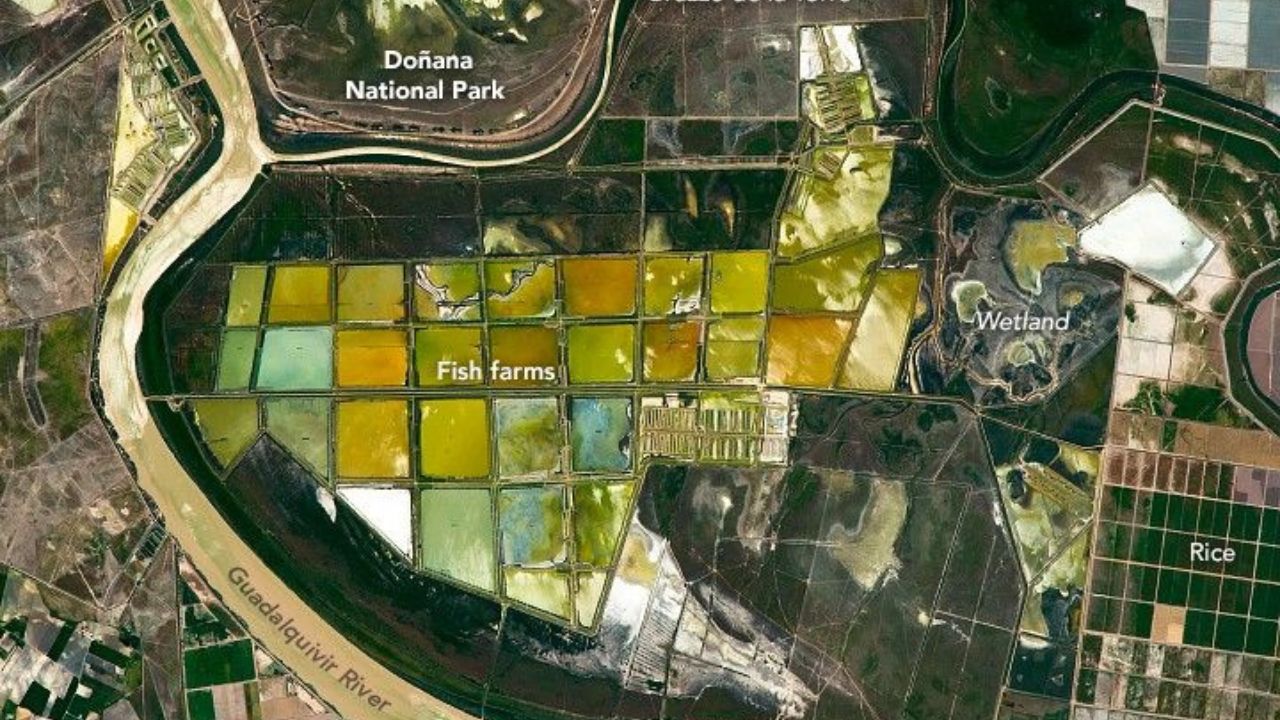
More than 36,000 hectares of rice fields and aquaculture farms have transformed the Guadalquivir delta into a geometric grid visible from space, where channels, dikes, and tides operate one of the largest agro-hydraulic systems in Europe in southern Spain.
-
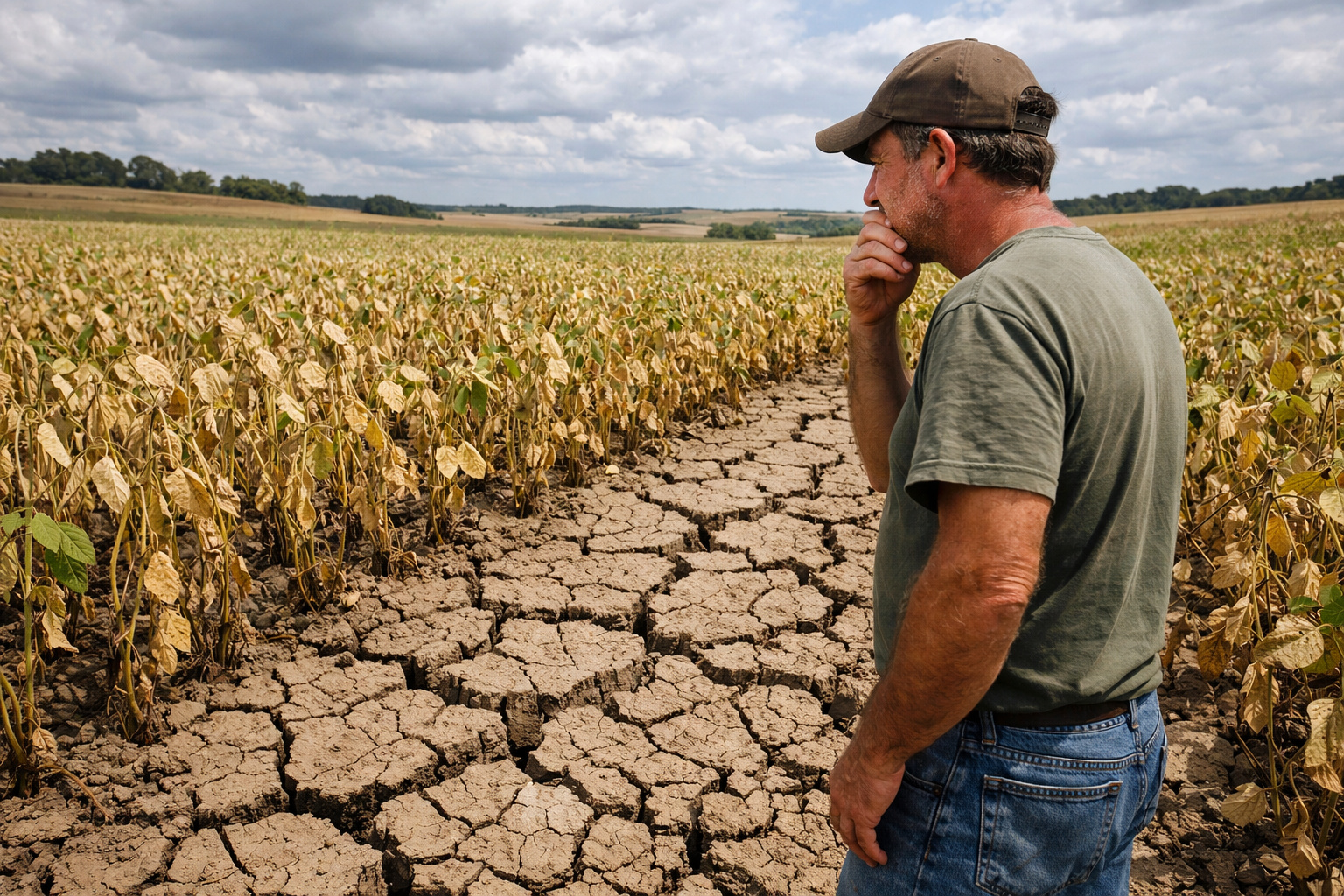
Dry weather accelerates soybean harvest, but threatens to devastate crops in Southern Brazil: losses already reach 50.4% and the climate scenario raises maximum alert for producers in 2026.
The projection considers the consolidation of summer as the main operational window for the activity.
Historical data from the sector indicate that these months concentrate significant production and sales volumes, resulting from both environmental conditions and consumer behavior.
The company asserts that the expectation is anchored in the continued expansion of national production and the supply chain’s ability to meet seasonal demand spikes.
High Temperatures and Impact on Tilapia Metabolism
Tilapia is a species of farming whose physiology responds directly to thermal variation in water.

With higher temperatures, metabolism tends to accelerate, which can favor fish growth when management conditions are adequate.
Aquaculture specialists point out that, in this scenario, it is possible to observe shorter production cycles and greater feed efficiency, provided parameters such as oxygenation and water quality are maintained within recommended levels.
According to the operations director of Brazilian Fish, Christian Becker Torres, this effect directly impacts farm productivity.
“This means higher productivity, better feed conversion, and consequently, greater revenue potential for companies,” he stated.
The assessment reflects a recurring perception among producers, who treat summer as a key period for zootechnical performance.
On the other hand, sector technicians emphasize that metabolic gains require constant monitoring.
The temperature increase may also raise the risk of stress in fish, making management more stringent to avoid losses or quality declines.
Fish Consumption Grows in Summer and Easter Week
In addition to its effect on production, summer usually alters the patterns of food consumption in the country.
Market surveys and reports from industry companies indicate that, during this period, there is a growing demand for proteins associated with lighter meals and quick preparation, including fish.
Restaurants, retail chains, and out-of-home dining services tend to record higher sales of fish-based products.
Following summer, Easter traditionally reinforces this movement.
The period is associated with increased fish consumption due to religious and cultural customs present in part of the Brazilian population.

According to Christian Becker Torres, this factor is considered in commercial planning.
“It is already expected that during Easter there will be a significant increase in sales, especially since it’s a tradition in many families to consume fish during this period.
This is a peak revenue moment, critical for the sector,” he said.
Companies and producers usually structure production and distribution schedules considering this sequence of events, aiming to ensure regular supply and reduce sharp offer fluctuations.
Aquaculture Production Advances and Tilapia Leads Volumes in Brazil
The performance of tilapia farming occurs within a broader context of expansion of Brazilian aquaculture.
Data from the Brazilian Aquaculture Association, PeixeBR, shows that national fish production grew 53.25% over the last two decades, reflecting investments in technology, professionalization of the activity, and increased consumption.
Within this set, tilapia maintains a prominent position.
According to the 2024 Annual Report from PeixeBR, the species accounted for 65.3% of national aquaculture production, with a volume of 579,080 tons, a figure that places Brazil among the top global producers.
Subsequent publications from the entity, with consolidated data from 2024, indicate an advance to 662,230 tons, signaling continued growth.
This production increase has expanded tilapia’s presence both in the domestic market and in international negotiations.
Sector representatives point out that the larger scale helps reduce unit costs and increase the competitiveness of the Brazilian product.
Revenue Projection Considers Seasonality and Production Capacity
When projecting revenue growth for early 2026, Brazilian Fish associates the expected result with the combination of warmed consumption and greater production efficiency in the hot months.
The company asserts that the current structure of the supply chain allows for a quicker response to demand variations, especially during the high season.

According to Christian Becker Torres, seasonality plays a relevant role in the financial sustainability of the sector throughout the year.
“With these demand peaks, Brazilian aquaculture can remain solid, taking advantage of seasonal opportunities and consumer behavior, and adapting to favorable climatic conditions to ensure a constant and quality supply,” he stated.
However, sector analysts emphasize that performance depends on factors such as input costs, logistics, and processing capacity, which are also influenced by the more intense production rhythm.
Management in Summer Requires Operational Control on Farms
The conditions that favor tilapia growth in summer also increase the need for operational control.
The rise in temperature can reduce dissolved oxygen in the water and alter physical-chemical parameters, requiring frequent adjustments in management.
Technicians and researchers recommend continuous monitoring to avoid impacts on the health and yield of the fish.
In this sense, Brazilian Fish highlights the importance of good practices on aquaculture farms during the period.
“These are essential good practices to sustain productivity and ensure the delivery of high-quality fish, such as that which has propelled Brazilian Fish into new markets,” said Christian Becker Torres.
With national production expanding and the main commercial season approaching, the sector enters a decisive interval for planning.
The way producers and industries will balance volume, quality, and regularity of supply in the coming months is expected to influence financial results and Brazil’s position in the tilapia market.







-

-

-

-

11 pessoas reagiram a isso.