Portuguese
  Spanish


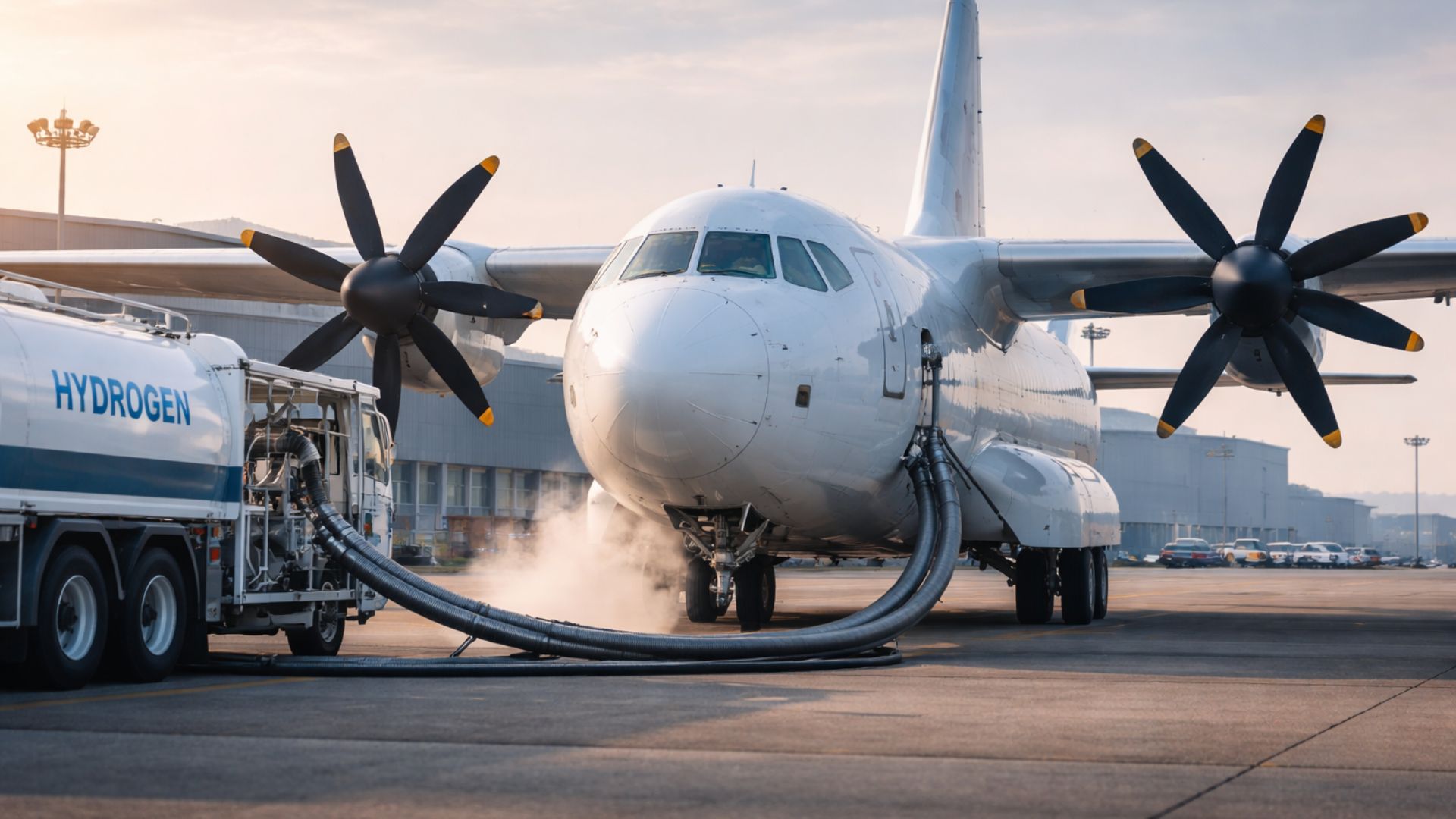

Technological advancement puts China in the race for clean aviation as global tension pressures energy market and accelerates search for alternatives to oil, with unprecedented tests involving hydrogen engines in unmanned aircraft.
China has taken another step in its strategy to reduce dependence on fossil fuels by successfully testing an unmanned cargo aircraft equipped with a hydrogen-powered turboprop engine.
The flight took place last Saturday (04) in Zhuzhou, Hunan province, and was presented by state media as the world’s first aerial test with a megawatt-class hydrogen aircraft engine.
According to the state agency Xinhua and the Aero Engine Corporation of China, responsible for the project, the aircraft weighs 7.5 tons and used the AEP100 engine, developed in the country.
-
OnePlus N6 Smartphone to Launch in India with 8,000mAh Battery and 45W SuperVOOC Charging, Lasting Up to Three Days

-
Scientists Plan to Release Air Bubbles Underwater to Protect Antarctica’s “Doomsday Glacier” from Melting

-
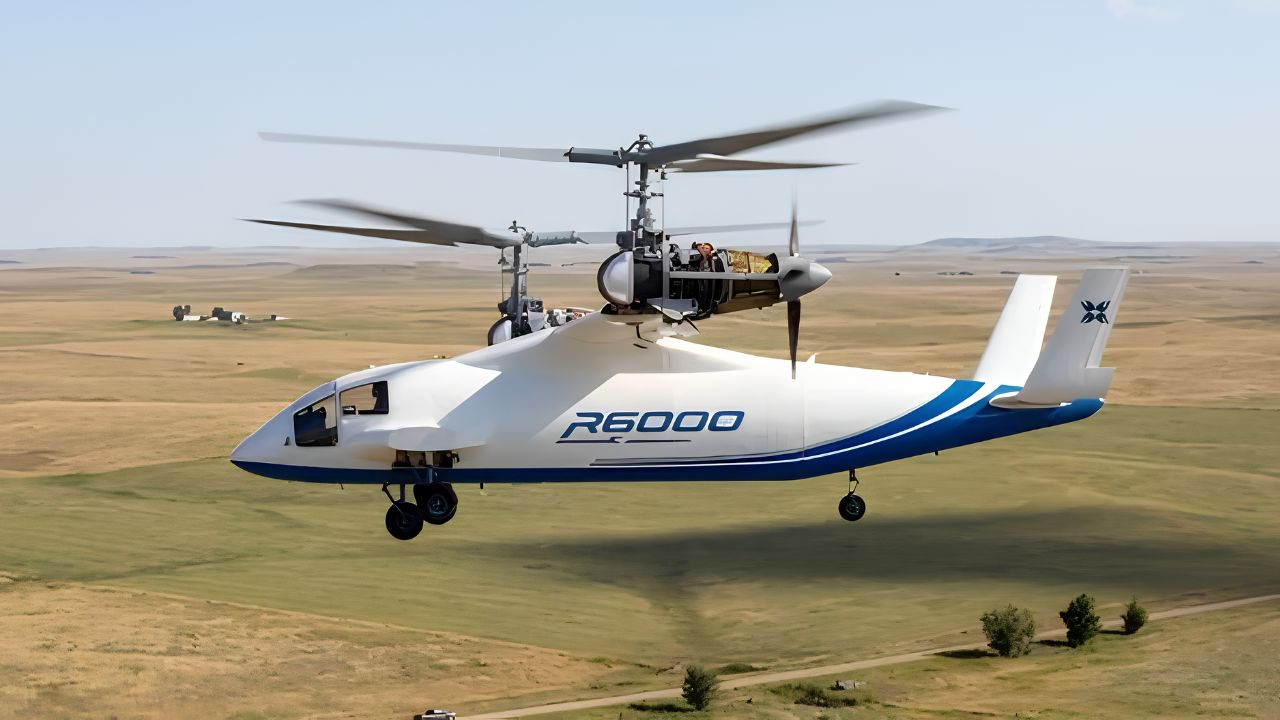
Chinese R6000 Drone Combines Airplane and Helicopter Features, Carries Up to 12 People for Multiple Missions
-
In the World’s Most Densely Populated Desert, Families Dig Funnel-Shaped Underground Cisterns to Capture Rare Rainfall and Store Drinking Water for Up to Eight Months



During the test, the system operated normally and maintained good performance throughout the entire scheduled mission.
The test lasted 16 minutes and covered 36 kilometers, with a speed of 220 kilometers per hour and an altitude of 300 meters, before safely returning to the airport.
According to the information released, all planned maneuvers were executed without incidents, reinforcing the view that the experiment has progressed beyond just the laboratory phase.
Hydrogen Aviation and China’s Energy Strategy
For Chinese authorities and experts associated with the program, the result indicates that the country has consolidated a complete technical chain in the field of hydrogen aircraft engines.

This includes everything from core components to system integration into the aircraft, a step considered crucial for moving technology from development to large-scale application.
The assessment released by the developers supports that this advancement paves the way for the industrial use of hydrogen in aviation, initially in low-altitude operations.
Among the mentioned segments are autonomous cargo transport and island logistics, before a potential expansion to regional aircraft and, later, larger models.
Still, the official communication itself avoids treating the test as a sign of immediate large-scale adoption.
The inaugural flight proves technical viability under controlled conditions, but does not detail a commercial timeline, final operational costs, refueling capabilities outside the experimental environment, or timelines for broad certification of the technology.
Global Energy Crisis and Pressure on Oil
The Chinese movement occurs at a time of strong pressure on the international energy market, amid the conflict involving Iran and its effects on navigation in the Strait of Hormuz.
On March 11, 2026, the International Energy Agency reported the release of 400 million barrels from emergency reserves to try to contain the impacts on fuels.
At the time, the executive director of the IEA, Fatih Birol, stated that the measure aimed to cushion the market disruptions caused by the war.
Agência Brasil reported that Brent was trading up 4% that day and about 30% above the level prior to the conflict, a scenario that increased the pressure for energy alternatives.
This environment helps explain why hydrogen projects are gaining prominence in the official Chinese narrative, linking energy transition to supply security.
The interpretation presented by state sources is that, with the future reduction in the cost of green hydrogen, the technology could gather economic and strategic advantages, especially in sectors still dependent on kerosene and oil derivatives.
In addition to the engine and the aircraft, the developers claim that the new stage is likely to boost other industrial fronts, such as hydrogen production, storage, transportation, refueling, and advanced materials.
In other words, the project is treated in Beijing not just as an aviation experiment, but as part of a broader industrial chain linked to low-emission aviation.
The success of the flight, however, does not eliminate the practical limitations that still surround hydrogen in aviation, a topic observed with caution by governments and manufacturers worldwide.
What has been demonstrated so far, based on the information made public, is a relevant technological milestone for China in a strategic and still-developing sector.