





 Portuguese
  English
  Spanish
  4 min of reading
  7 comments


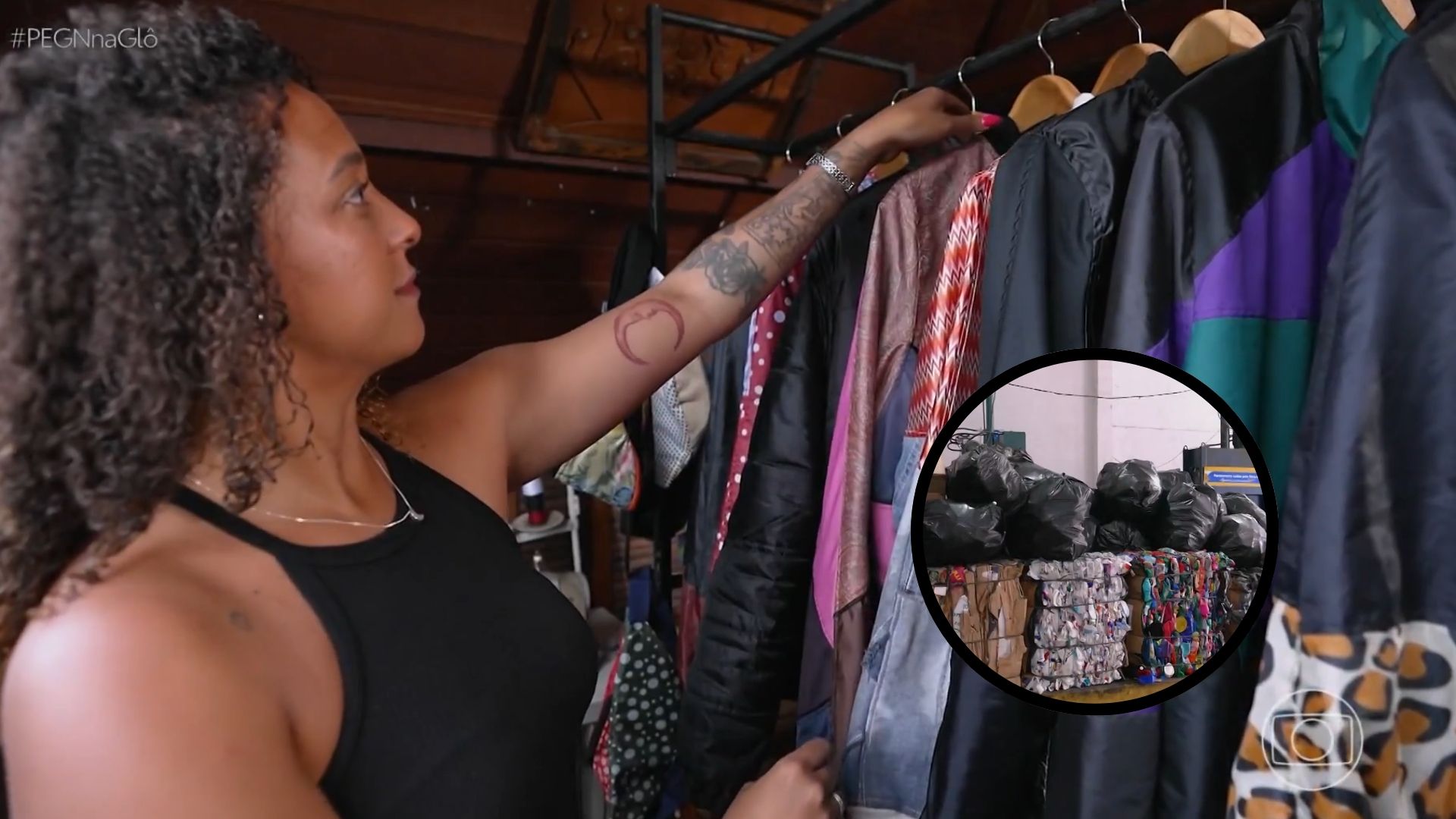


Low Initial Investment, Waste Reuse, and Handcrafted Production Turned an Academic Idea into a Profitable Sustainable Fashion Business in the Interior of Rio de Janeiro, with Online Sales, Exclusive Pieces, and Focus on Consumers Concerned about the Environmental Impact of the Clothes They Wear.
With an initial investment of BRL 400, fashion designer Juliana Pinto, from Petrópolis (RJ), transformed umbrellas that would have been discarded into jackets, bags, and waterproof accessories.
The bet on material reuse, combined with online sales, turned into a handcrafted production business that today registers an annual revenue of around BRL 200 thousand and reuses about 200 umbrellas per month, sent to the workshop through selective collection in the municipality.
The idea gained traction when the entrepreneur took one of the first creations to a local fair and saw the demand exceed expectations.
-
“No one will make us change the Pix,” says Lula after the US report.

-
Lula responds directly to Trump and says that Pix is from Brazil and will not change under pressure from anyone, after a report from the United States pointed out the Brazilian payment system as an American trade barrier.

-
Amazon has just announced a new fee on all deliveries, and your online purchases will become more expensive starting April 17, including for those buying from the United States here in Brazil.

-
He sold his share for R$ 4 thousand, saw the company become a giant worth R$ 19 trillion, and missed the opportunity of a lifetime.


“I made a piece for work, took it to a fair, and by Sunday afternoon, there was nothing left. It sold out completely,” recalls Juliana, explaining how public acceptance helped confirm that there was demand for a product with sustainability and exclusivity appeal.
College Project That Became a Business
The starting point was college. The project began in 2017, during her degree in fashion design, when Juliana developed the first piece as part of an academic assignment.
The experience, initially intended for the university environment, ended up serving as a market test after the creation was presented at a city event.
From there, what was a classroom exercise began to be structured as a business.

Gradually, production gained routine, identity, and a sales model.
Instead of competing on volume, the proposal focused on material reuse and the logic of upcycling, where waste is transformed into new products without losing quality.
How the Umbrella Turns into Clothing
The process begins before sewing.
The umbrellas arrive at the workshop through the selective collection in Petrópolis, which sends about 200 units per month.
Next, the material undergoes sorting and stages that include washing, dismantling, and separating the fabrics until it is ready for cutting and assembly. However, not everything automatically becomes a piece.
The utilization depends on each umbrella’s condition, as tears, wear, and compromised structure can limit usage.
Still, the raw material typically yields well.

To produce a windbreaker jacket, for example, between two and four umbrellas are needed, varying according to the size of the piece and the possible combinations of colors and fabrics.
The company also produces accessories and waterproof items, keeping the logic of reuse as the central axis of creation.
The production is artisanal, which influences the rhythm of output and stock availability.
Family Production and Craft Routine
The operation is based on family. Juliana shares the business routine with her mother, Mara Pereira, in a process that goes from the arrival of the material to the finishing of the pieces.
The stages include batch organization, fabric preparation, modeling, cutting, and sewing, as well as finishing and controlling what goes in and out.
Meanwhile, the brand maintains a digital presence to sustain sales.
Marketing happens exclusively online, with a strong presence on social media and photo shoots that showcase the pieces and explain the origin of the material used.
Exclusivity as a Market Differentiator
The most visible feature of the final product is precisely the one that starts with the raw material. Since each umbrella has its own texture, color, and pattern, repetition is limited.
This means that pieces have inevitable variations, even when they are from the same model.
This uniqueness became part of the business positioning. “People pay more for something exclusive. There is no one in the world wearing the same piece,” says Juliana.
In practice, this argument reinforces the value proposition for those seeking something out of the ordinary and, at the same time, helps sustain the financial viability of a small operation with handmade production and a lean team.
The result, according to the entrepreneur, is an annual revenue of around BRL 200 thousand, a figure considered significant for a microenterprise that does not operate on an industrial scale and depends on a more delicate process than conventional sewing.
Slow Fashion, Online Sales, and Young Audience

The brand positions itself away from the fast fashion model and adopts a dynamic closer to slow fashion, with careful craftsmanship and attention to finishing.
Still, the calendar follows the online environment, with frequent launches and product updates to keep the showcase current.
On average, a new collection is presented every two months, always conditioned by the available material and the time needed to produce.
The strategy combines fashion language with environmental narratives, emphasizing that the final product emerges from something that would have been discarded.
“The young audience is very engaged with these causes. They seek something modern, but with an environmental purpose behind it,” says Juliana, explaining why communication on social media has become a central part of the business.








Maravilhosa ideia, lindíssimas peças ,parabéns!!
Amei a ideia,parabens
Há vários anos Clara cria e distribui de graça capas impermeáveis para moradores de rua