





 Portuguese
  English
  Spanish
  5 min of reading
  99 comments


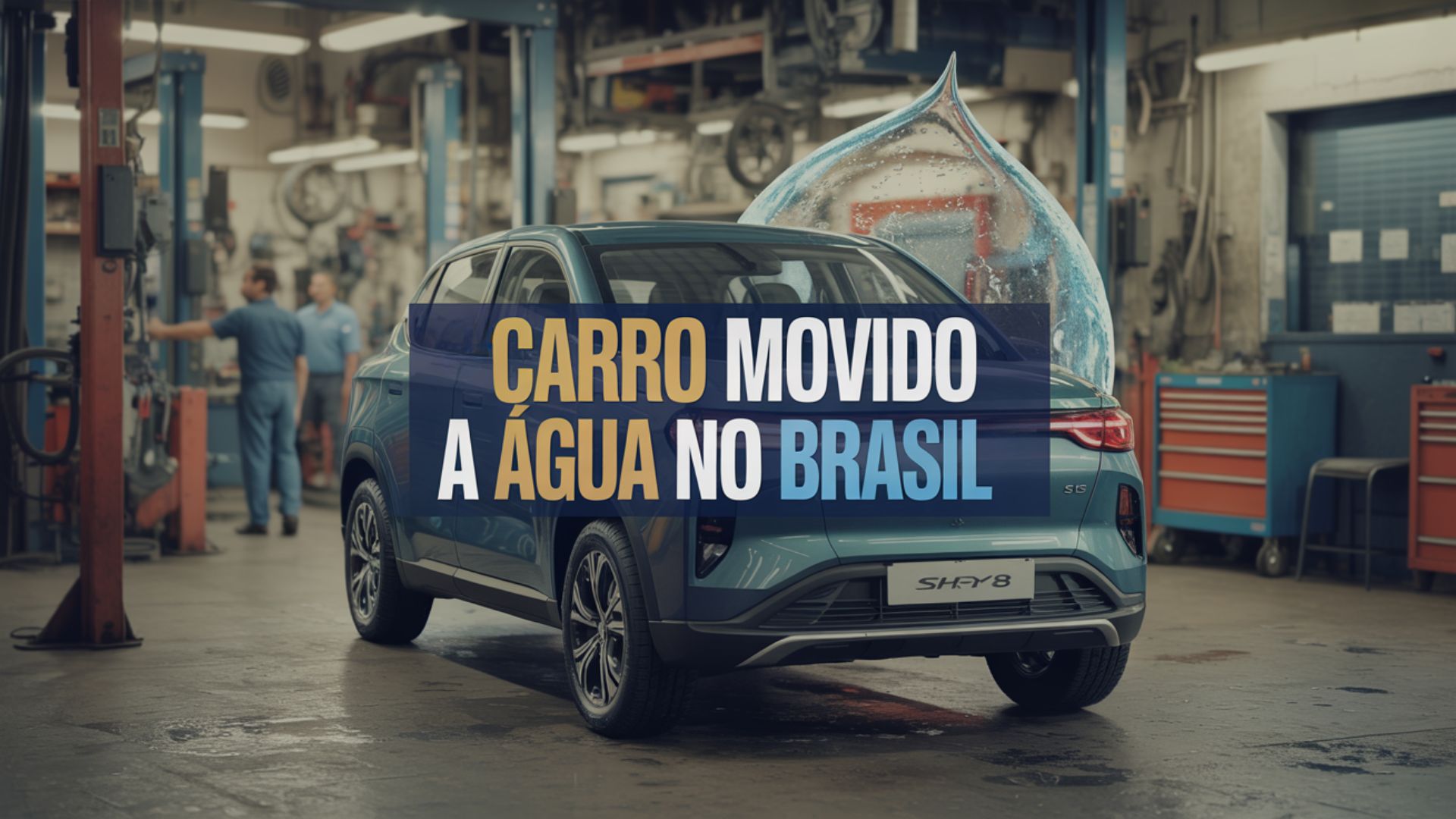


Brazilian Inventor Presents System That Promises to Move Cars with Hydrogen Extracted from Water, Ensuring High Autonomy and Reduced Cost, but Still Faces Technical and Legal Barriers Before Hitting the Market.
A Brazilian inventor, Roberto de Souza, claims to have created a system that generates hydrogen from distilled water to fuel combustion engines and promises autonomy of up to 1,000 km per liter.
He plans to sell the kit with installation for under R$ 2,000.
The proposal, which has resurfaced in reports and social media, attracts curiosity from consumers and workshops but still lacks independent validation and faces technical and regulatory requirements in the automotive sector.
-
The war in Iran could be the push needed for the electric vehicle market to truly explode because when the price of oil exceeds 100 dollars a barrel, combustion cars become a luxury, and China already dominates 60% of the global electric market.
-
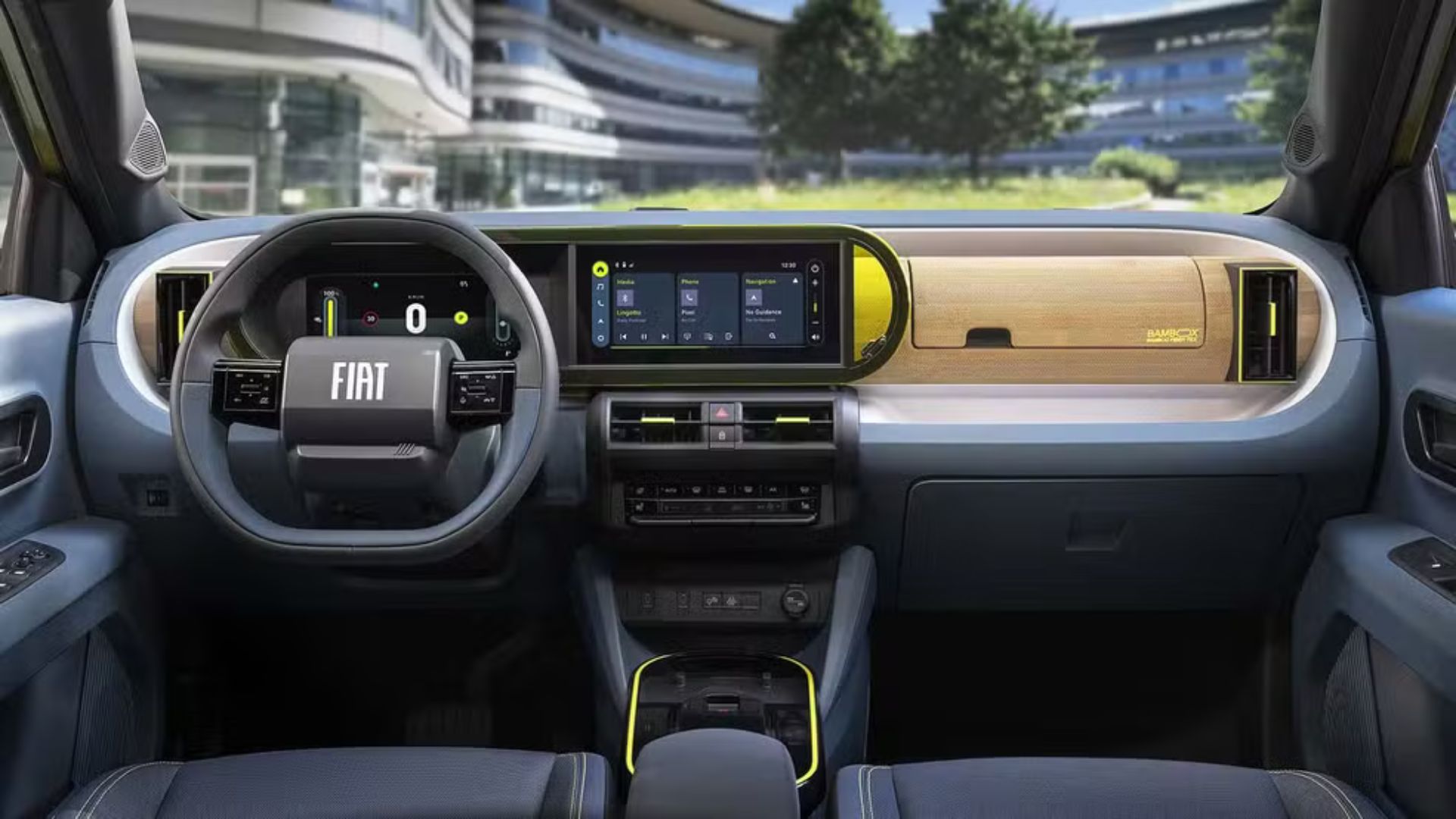
Fiat is preparing an offensive with a 7-seater SUV larger than the Fastback, debuting in October 2026 with the Smart Car platform, electric versions with up to 400 km of range, turbo hybrid, new pixelated LEDs, and an advanced ADAS package.
-
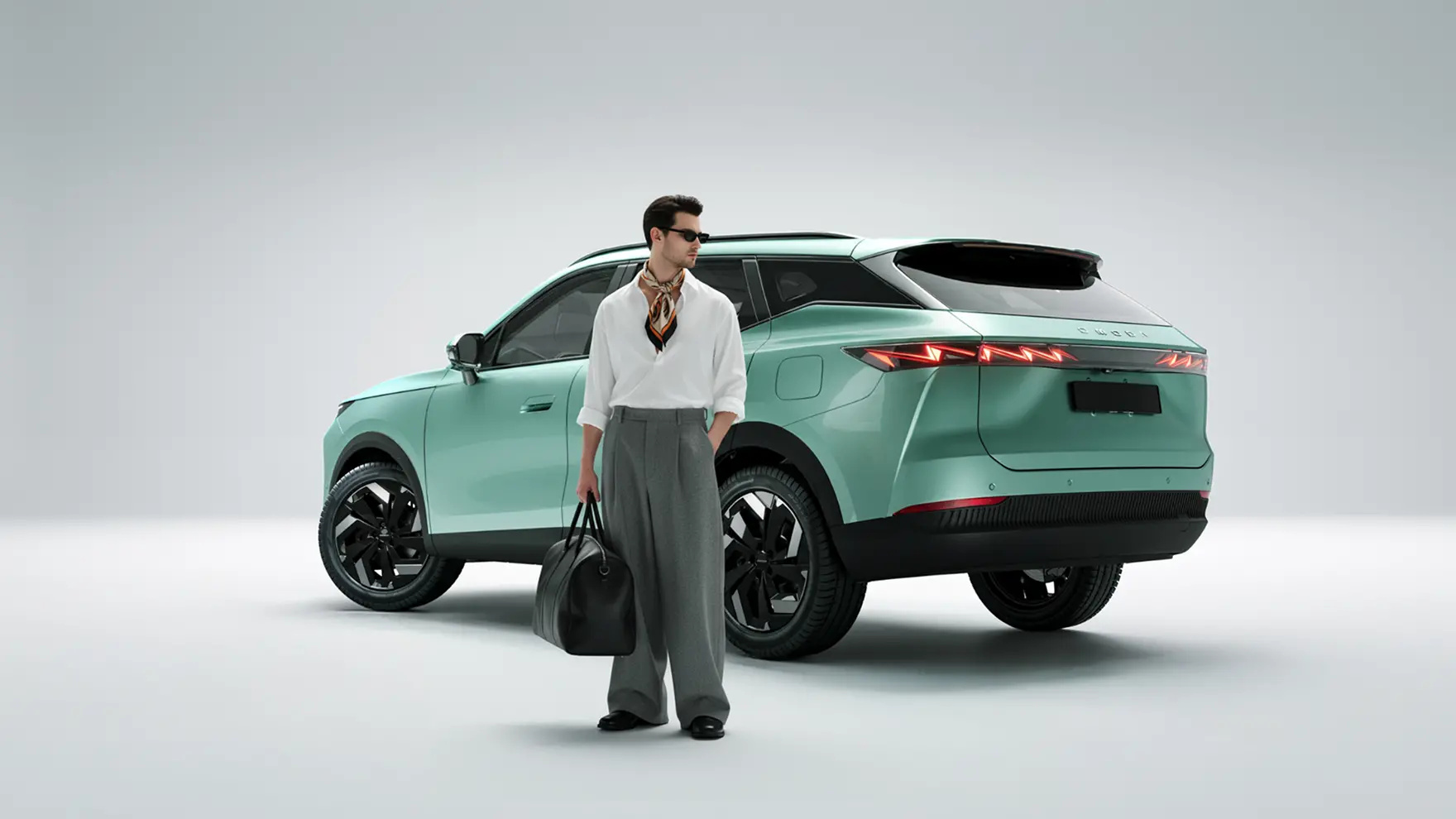
OMODA 7 transforms the car into a global aesthetic expression by combining automotive design and fashion in London.
-
JAECOO takes the lead in global strategic markets and accelerates its trajectory to become a “global blockbuster maker” in the automotive industry.
How The System Is Presented
According to the inventor himself, the set adds to the vehicle a reservoir and a generator that performs electrolysis.
The water is decomposed into hydrogen and oxygen, and the hydrogen would be directed to the intake manifold to be burned in the original engine.
The promise combines extremely low cost, less noise, and reduced emissions, since the reaction generates water vapor.
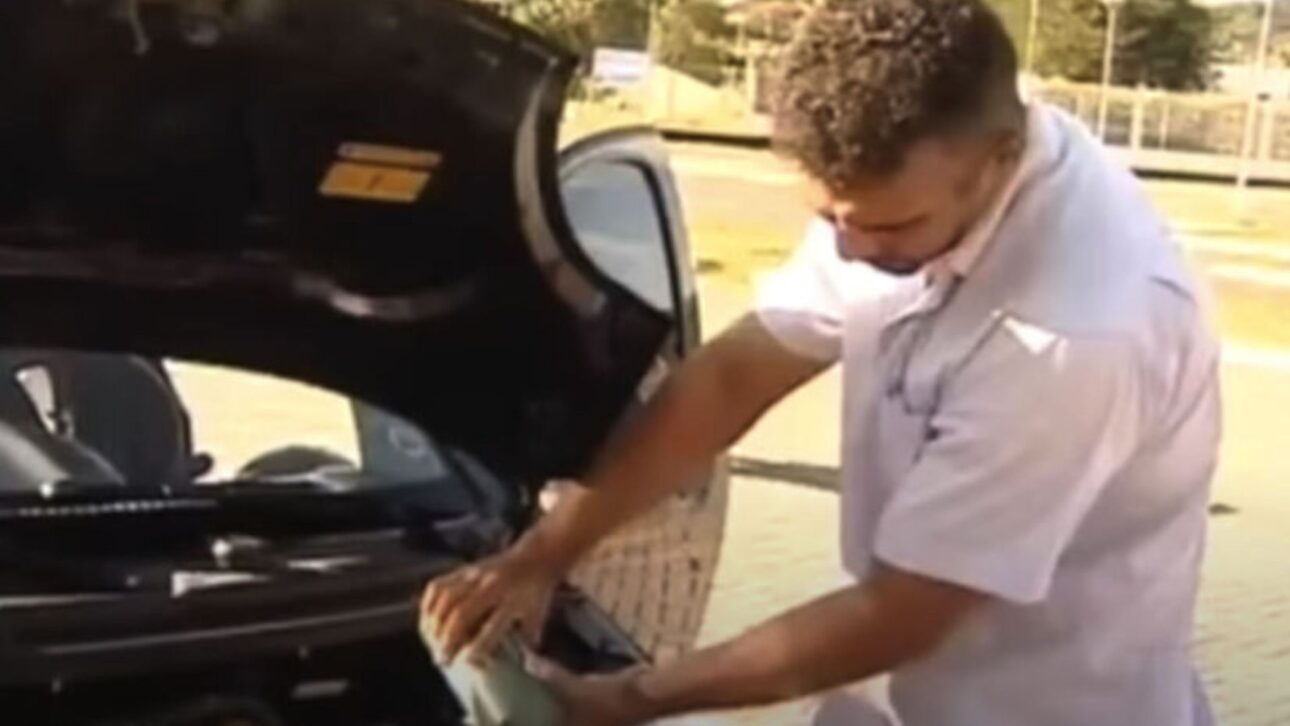
According to Souza, the adaptation preserves performance and can be applied to gasoline, ethanol, or CNG engines.
Alleged Tests and Recent History
This is not a new case.
In 2016, local publications reported that Roberto adapted a Chery S18 and traveled to Rio de Janeiro using 1.5 liters of distilled water in the kit’s reservoir.
At that time, he repeated the estimate of 1,000 km per liter and claimed that the water would cost about R$ 3.
The account resurfaced in 2023 and 2025 in articles and videos that again spread the experience without disclosing technical reports, laboratory measurements, or consumption audits by independent entities.
What Science Says About “Water Car”
In technical and academic literature, water is not fuel: it is the end product of hydrogen combustion.
To “extract” hydrogen from water through electrolysis, the system needs electrical energy.
The losses in the process make it impossible to obtain more energy by burning hydrogen than was spent to produce it.
This is why projects that promise to move the car solely with water are classified as pseudoscience by the scientific community.
Electrolysis may be useful in specific applications but does not eliminate the need for an external energy source.
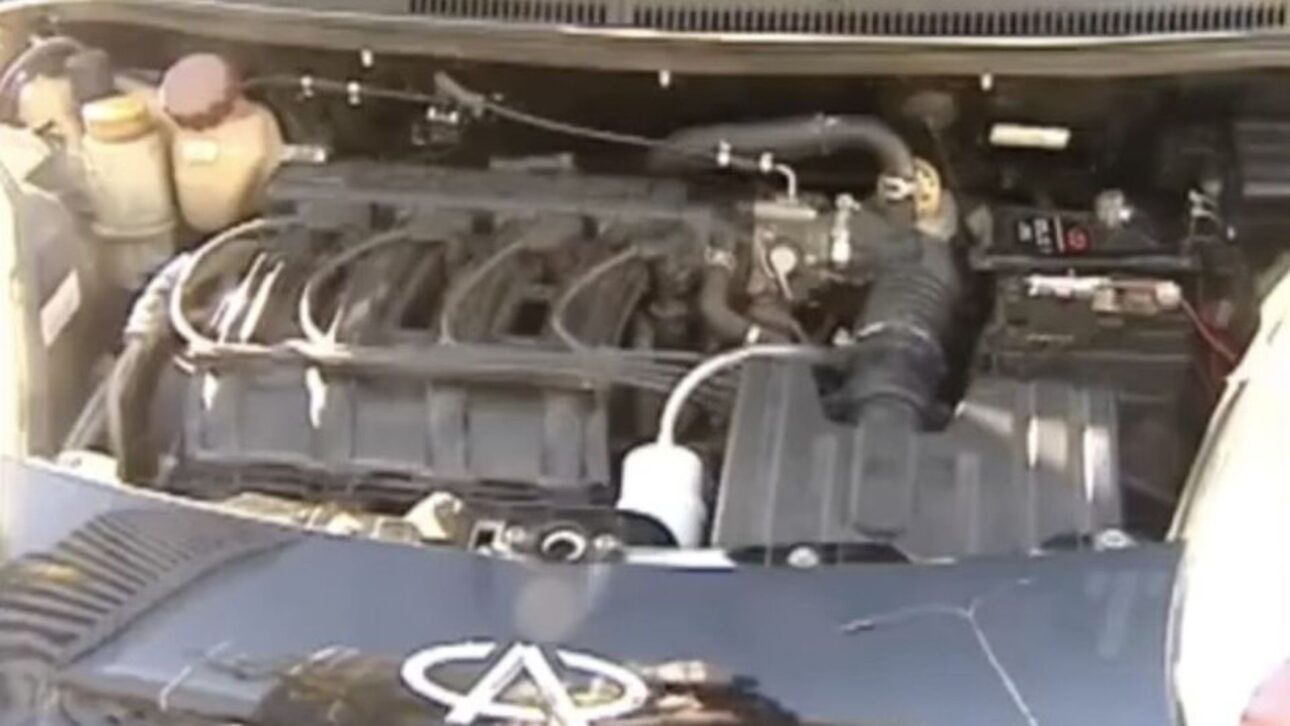
Technical disseminators in Brazil emphasize that when the electrolysis is powered by the car’s own alternator, “the numbers don’t add up” from an energy perspective.
Safety and Regulatory Framework
For any change in the fuel system of vehicles in Brazil, the rule is to comply with standards and undergo recognized inspections.
Inmetro reaffirmed this year its role in compliance assessment and supervision of vehicle inspections in coordination with traffic authorities.
Current regulations cover CNG systems and vehicle inspection, with safety and traceability requirements in authorized workshops, but do not cover on-board electrolysis kits like those promoted in videos.
Without specific approval and without standardized performance and safety testing, mass commercialization faces regulatory and insurance barriers, in addition to engineering requirements for storage and handling of hydrogen, a flammable gas that requires certified components.
Other Initiatives and Controversies
Ideas for a “water-powered car” resurface cyclically for almost a century.
They are associated with patents for oxyhydrogen (HHO) primarily aimed at welding, rather than automotive propulsion.
During periods of high fuel prices, kits promising significant savings by using “hydrogen on demand” multiply.
Reports and technical analyses from specialized vehicles indicate lack of robust evidence, inconsistent results on the road, and the risk of commercial solutions that exceed what is physically possible.
In 2022, *QUATRO RODAS* revisited cases of “water engines” and highlighted how the topic often opens space for charlatanism when there is no independent verification.

What the Inventor Says He Wants to Do
According to recent reports, Roberto de Souza states that he does not intend to “shelve” the idea.
He wishes to mass-produce access to the kit through workshop training for installation and maintenance, with a price below R$ 2,000 and the start of sales later this year.
In statements attributed to him, the intention would be to make the project “public domain and [make it] widely used, as it works“+.
So far, however, there are no published standardized tests from laboratories, universities, or accredited organizations that attest to the promised autonomy.
There is also no technical approval documentation for commercial use.
Reports, Limits and What Needs to be Proven
User reports from HHO filters or generators suggest that savings, when they occur, depend on very moderate driving and fine-tuning of the original engine system.
Harsh accelerations would cause the car to revert to consuming conventional fuel.


Such claims are anecdotal and do not replace laboratory testing with measurement protocols, repeatability, and auditing.
The international experience with hydrogen vehicles that are already on the streets — such as fuel cell models — is based on refueling with compressed hydrogen produced outside the vehicle, and not on on-board electrolysis powered by the alternator.
As Souza’s proposal gains visibility, the baseline for acceptance remains the same in the automotive sector: safety reports, efficiency reports, and certification.
Without these, it is impossible to know whether the announced autonomy is reproducible, under what conditions, and with what impact on engine durability and the electrical system.
Amid expectations of low prices and “miraculous” savings, do you believe that this idea could be realized on a commercial scale?







Reportagem sensacional ISTA
🤑#iSSo é 1 milagre; Misxtério 🚗 🍾🥤♒ 🏡
Pública com vídeo o ****