






 Portuguese
  Spanish


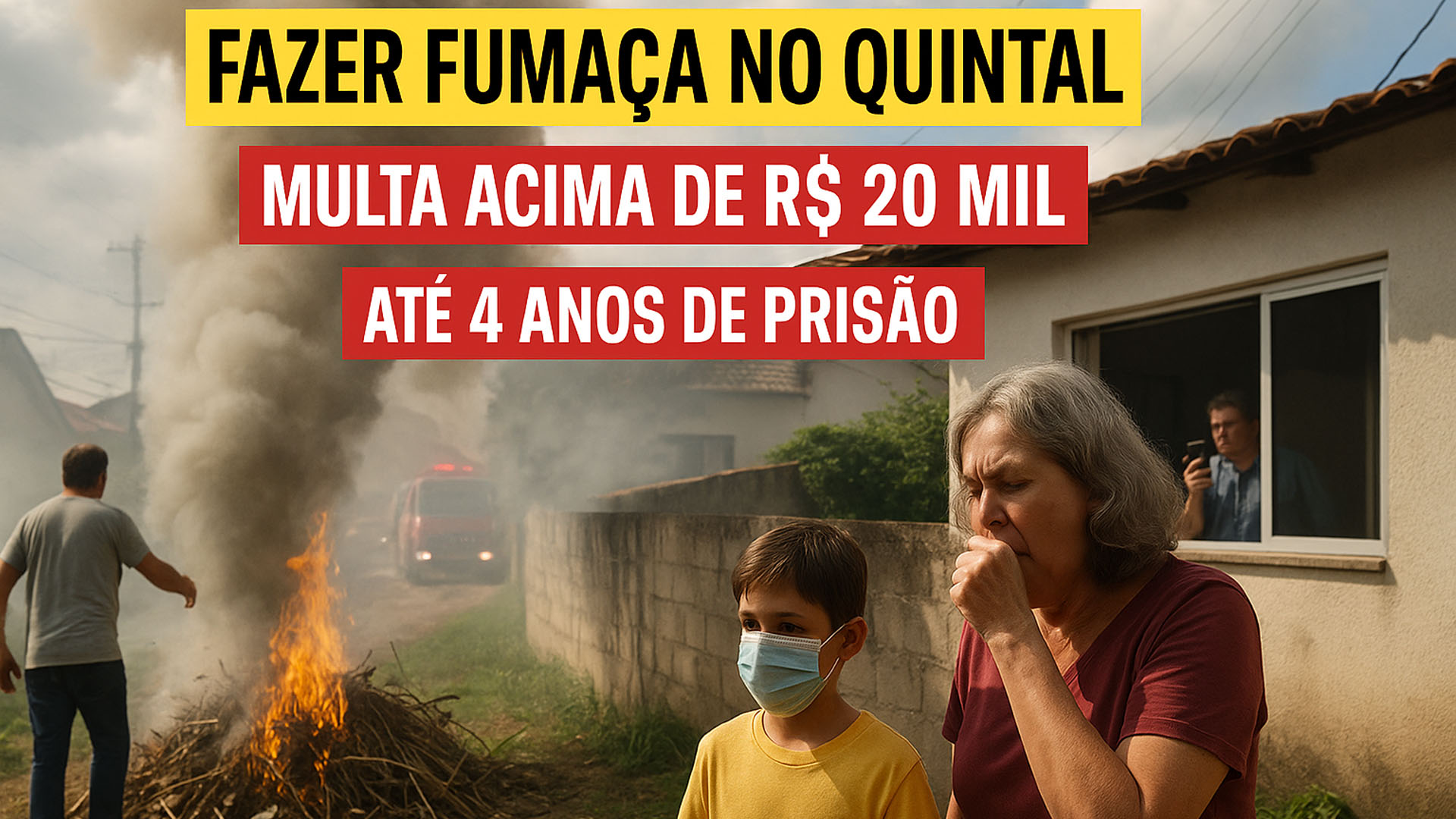


Burning leaves, branches, and household waste to clean the backyard has ceased to be a harmless habit and has become classified as an environmental crime throughout Brazil. Federal and municipal laws already foresee imprisonment, fines in the five-digit range, and criminal charges for those who cause urban fires.
For decades, many people grew up seeing relatives collect leaves, branches, and trash in the backyard and set it on fire to clean the land. In peripheral neighborhoods and small towns, the practice is still seen as normal, almost part of the weekend routine.
The problem is that, from a legal standpoint, this custom has long ceased to be tolerated. Today, burning household waste, dry vegetation, or pruning residues in urban areas is classified as air pollution and a fire hazard, which constitutes an environmental crime.
According to Article 54 of the Environmental Crimes Law (Law No. 9,605/1998), causing pollution that can result in harm to human health or the environment can lead to a penalty of imprisonment from 1 to 4 years, in addition to fines. In more serious situations, where the removal of people or significant destruction of flora is necessary, the penalty can be even greater.
-
At 54, Brazilian Artisan Turns Textile Waste into a Successful Handbag Brand, Earning Over $6,000 Monthly

-
Brazilian Entrepreneur Sells $50,000 Monthly in Sustainable Luggage Made from Recycled Bottles, Eyes International Market
-
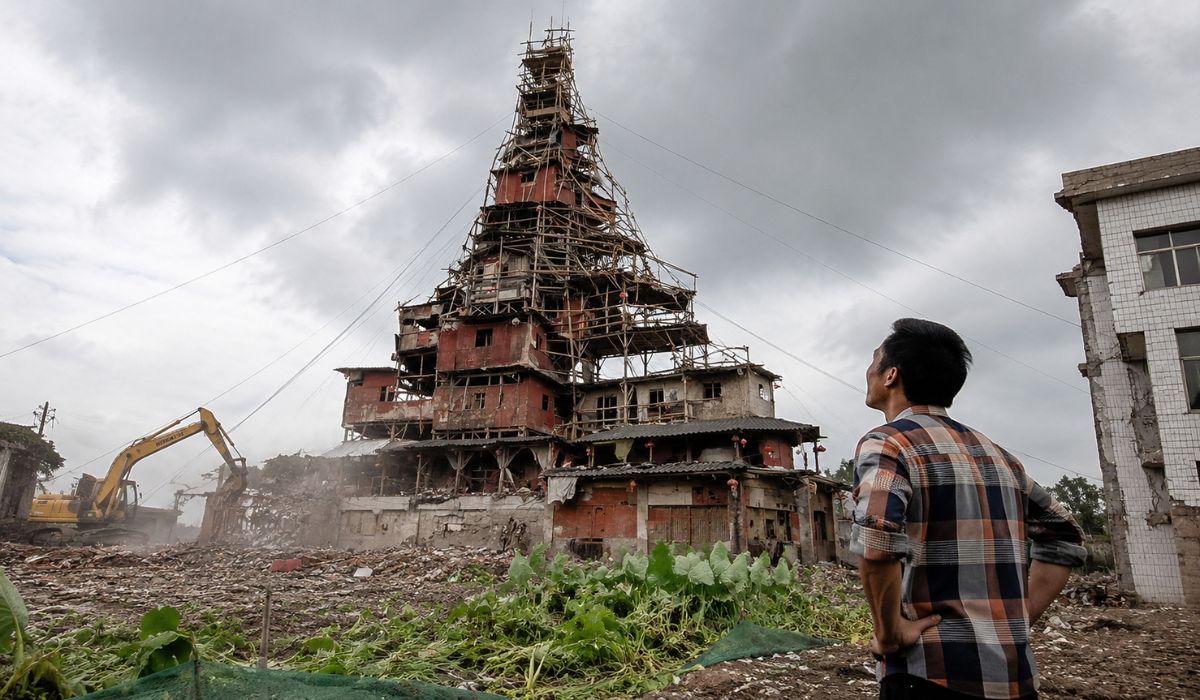
Chinese Man Transforms Home into 10-Story Pyramid Over 8 Years, Defying Authorities Before Demolition

-
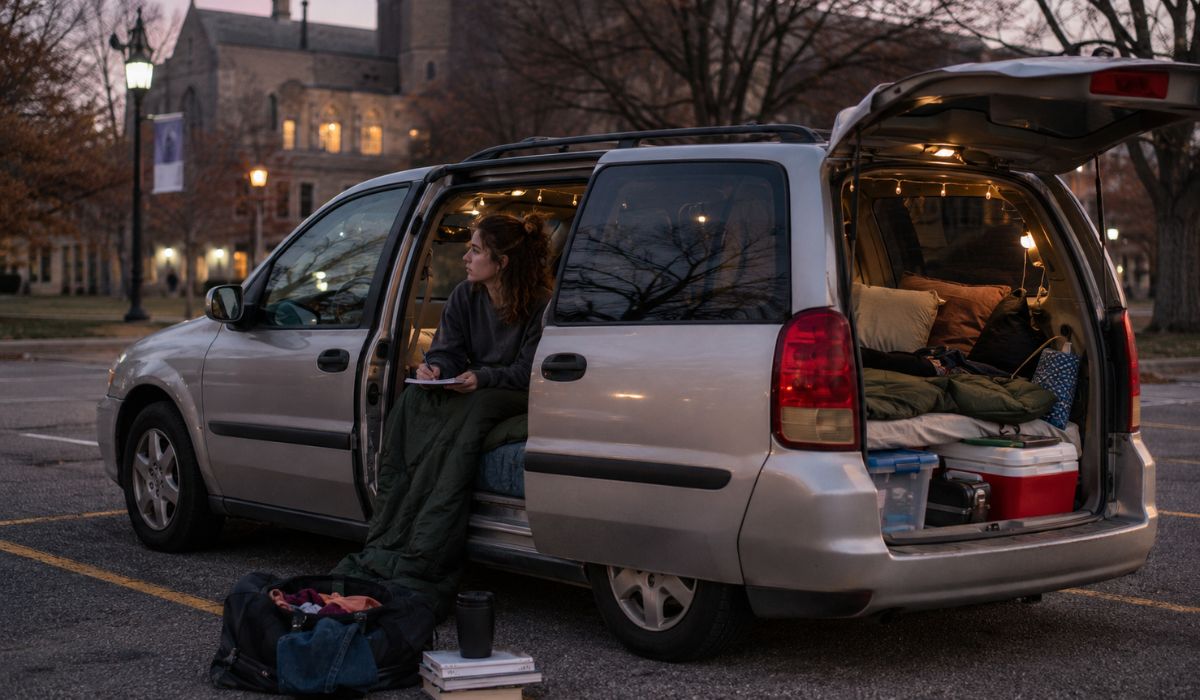
Faced with College Costs, Brazilian Student Lived in a Minivan for Nearly Two Years to Graduate Debt-Free


At the same time, several municipalities have created specific laws against urban burning, with fines that easily exceed R$ 20,000. The result is that residents who insist on burning their trash risk being punished twice, both criminally and administratively.
Burning trash in the backyard is an environmental crime set forth in federal law
Burning trash in the backyard is not just a municipal infraction; it is, above all, an environmental crime at the federal level. Article 54 of Law No. 9,605/98 considers it a crime to cause pollution of any nature at levels that can cause harm to human health, lead to animal mortality, or significantly destroy flora.
According to official campaigns and judicial decisions commented on by courts such as the TJDFT, the burning of household trash, even in private areas, releases toxic smoke and particles into the atmosphere, potentially aggravating respiratory diseases such as asthma and bronchitis, in addition to disturbing neighbors and putting properties at risk of fire.
Reports from public agencies and municipalities emphasize that the law applies both to large burns in rural areas and to “small” fires, such as burning dry leaves, tree prunings, and garbage bags next to the wall. In practice, the size of the fire does not make the act less illegal: the criterion is pollution and the risk generated.
In cases involving vegetation, Article 41 of the same law provides for imprisonment of 2 to 4 years and fines for those who cause fires in forests and woodlands, including in urban areas with fragments of vegetation. In other words, the boundary between a “controlled little fire” and an arson can be much thinner than the resident imagines.
Fines above R$ 20,000 and stricter municipal laws in several cities
In addition to criminal proceedings, those who insist on burning trash in the backyard can receive heavy fines imposed by the municipality. In Itapevi (SP), for example, Law 3,395/2024 banned burning in private lots or open areas, with penalties around R$ 21,000, which double in case of recidivism.
In Mogi Mirim (SP), Law 6,839/2024 banned burning of any kind in urban areas and set fines that can exceed R$ 20,000, varying according to the type of waste and the affected area. For small areas in roads and sidewalks, the fine starts at R$ 1,000, increasing to higher levels in more serious situations.
Other municipalities adopt similar rules: Itararé (SP) prohibits the burning of trash, vegetation, or organic and inorganic material in urban areas, while cities like Caçapava, Sidrolândia, and Palmital maintain ongoing campaigns alerting that burning trash, dry vegetation, or using fire to clean lots is a crime and incurs fines.
In many cases, even if the resident claims that they “didn’t know” the law, the fine is imposed as soon as the burn site is caught by inspectors, Municipal Guard, Civil Defense, or Fire Department. And, if there is a risk of spreading or harm to third parties, the case can also be forwarded to the police.
Health, Environment, and Neighborhood Risks
The most repeated argument by legislation and experts is simple: the smoke from urban burning is poison for those who breathe it. Dry leaves, plastic, paper, and leftover trash release fine particles and toxic compounds that deeply penetrate the respiratory system.
According to municipalities and health departments, this type of pollution can aggravate asthma, bronchitis, rhinitis, and other respiratory diseases, especially in children, the elderly, and people with comorbidities. In dry seasons, when the air is already more polluted, any extra smoke has a direct impact on emergency care.
In addition to health, there is a real fire risk. A leaf burn that starts “controlled” can spread to the neighbor’s yard, reach vehicles in the garage, poles, power lines, and even entire houses. Strong winds, sparks, and lack of firefighting equipment make the situation even more dangerous.
Finally, environmental agencies remind us that constant burning in urban areas degrades the soil, kills small animals, harms trees, and reduces the quality of life in the entire neighborhood. In summary, the collective harm is much greater than the “convenience” of getting rid of trash with fire.
How to Report Urban Burning and What to Do Instead of Burning Trash
In most cities, residents witnessing burning can report the practice through various channels. The common guidance is to contact the Fire Department (193) in cases of immediate risk, as well as the Municipal Guard, Civil Defense, or Environmental Military Police, depending on the municipality. Many official websites provide direct phone numbers for Civil Defense to register complaints about urban burning.
Another recommendation is to document the situation with photos or videos, without getting too close to the fire, to assist in enforcement. In some locations, reports can be made even through municipal service apps, with geolocation and automatic protocol registration.
For residents who don’t want to risk fines or criminal charges, the path is to abandon fire altogether as a solution. Household trash should be discarded in regular collection or ecopoints, while leaves, branches, and pruning residues need to be packaged in bags or bundles, following the urban cleaning service’s guidelines.
If the city does not offer specific collection of green waste, the recommendation is to seek information from the municipality or environmental department about rules for pruning, transport, and appropriate disposal. In many places, there are defined times and days to place these materials on the sidewalk, specifically to avoid the use of fire.
In the case of large lots with a lot of vegetation, it is the owner’s responsibility to maintain periodic cleaning by hiring regular mowing services. Burning excess vegetation is never a legal alternative, and the excuse that “it’s always been done this way” no longer finds any support in current legislation.
And Do You Think the Law Is Just Right?
In light of fines exceeding R$ 20,000, the risk of imprisonment of up to 4 years, and the possibility of facing criminal charges for a burn in the backyard, many believe the country has “become too strict.” Others argue that without heavy punishment, burning would continue to be treated as a “matter of custom.”
Do you think that burning trash in the backyard should indeed be treated as a serious environmental crime, with imprisonment and high fines, or are municipalities exaggerating in their approach? Leave your opinion in the comments, tell us if this habit is still common in your neighborhood, and if you have had issues with smoke or fires near your home.








Voltamos às leis do império taxa em tudo
Acho ridículo, por acaso a prefeitura vai nas chácaras ou sítio recolher as folhas e galhos das árvores? O que fazer com tudo isso? Multar é mais rentável né?