





 Portuguese
  English
  Spanish
  4 min of reading
  1 comment




Despite The Risks, The Use Of Kitchen Gas As Fuel In Cars Is Still A Reality In Brazil. Know Why This Practice Can Be Extremely Dangerous.
With the constant increase in fuel prices, some people have turned to questionable practices in an attempt to save fuel. One of them is the clandestine installation of kitchen gas cylinders (LPG) in cars.
Although the National Traffic Council (Contran) has prohibited this practice since 1986, there are still those who take risks, motivated by the lower cost of LPG compared to gasoline or ethanol.
Contran Resolution 673 defines the use of LPG as a serious infraction, punishable by 5 points on the driver’s license, a fine of R$ 195.23, and vehicle seizure.
-
Less than a Tera TSI, up to 710 km of range and charging in 9 minutes: the new BYD Song Ultra expands the Chinese brand’s bet on increasingly faster, more technological, and competitively priced electric SUVs.

-
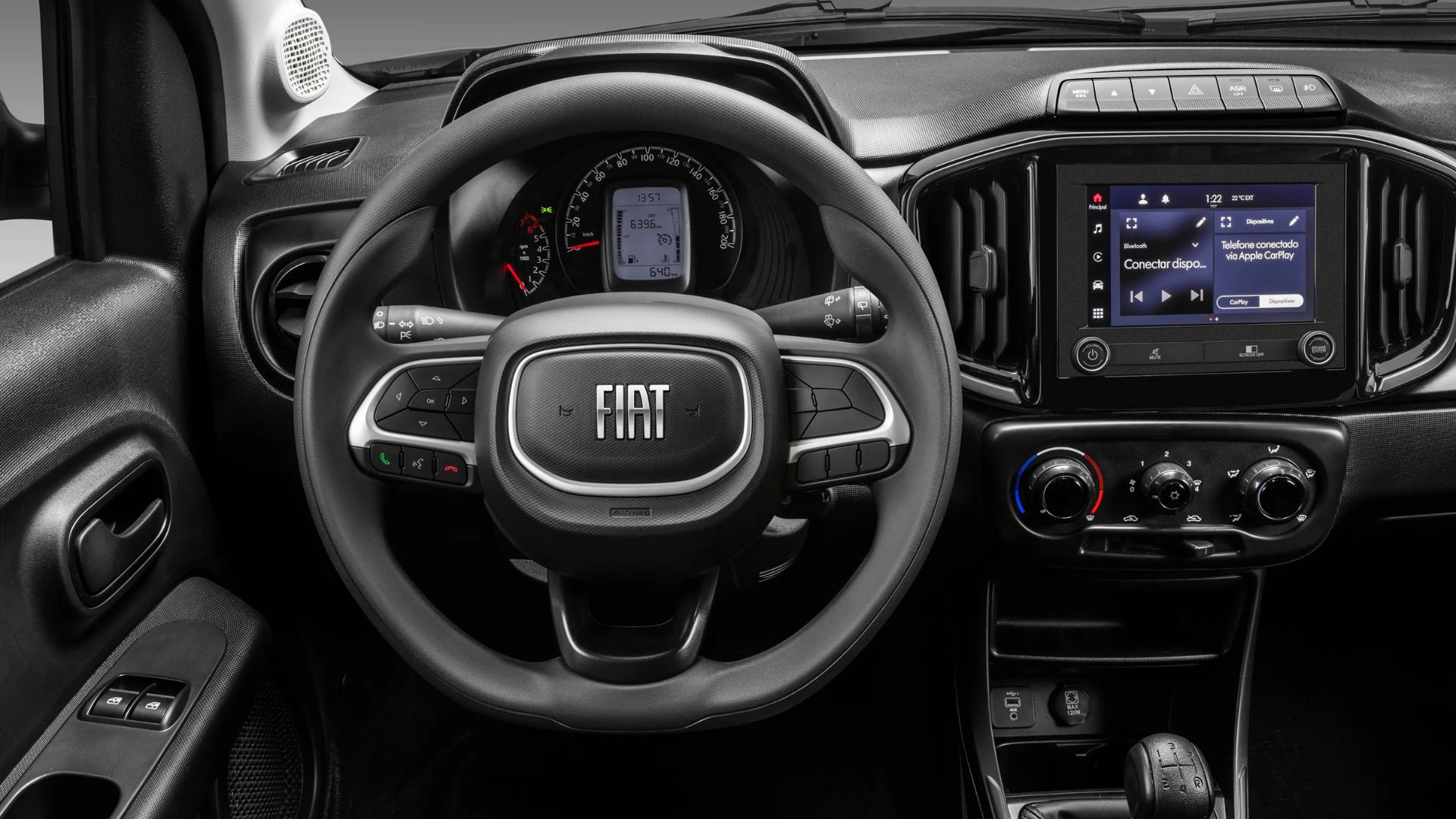
With a 1.0 engine producing 75 hp and costing less than R$ 70,000, Fiat’s car returns to the podium as the cheapest in the country; a temporary promotion for the 2026 Like version reduces the price of the Fiat Mobi.
-
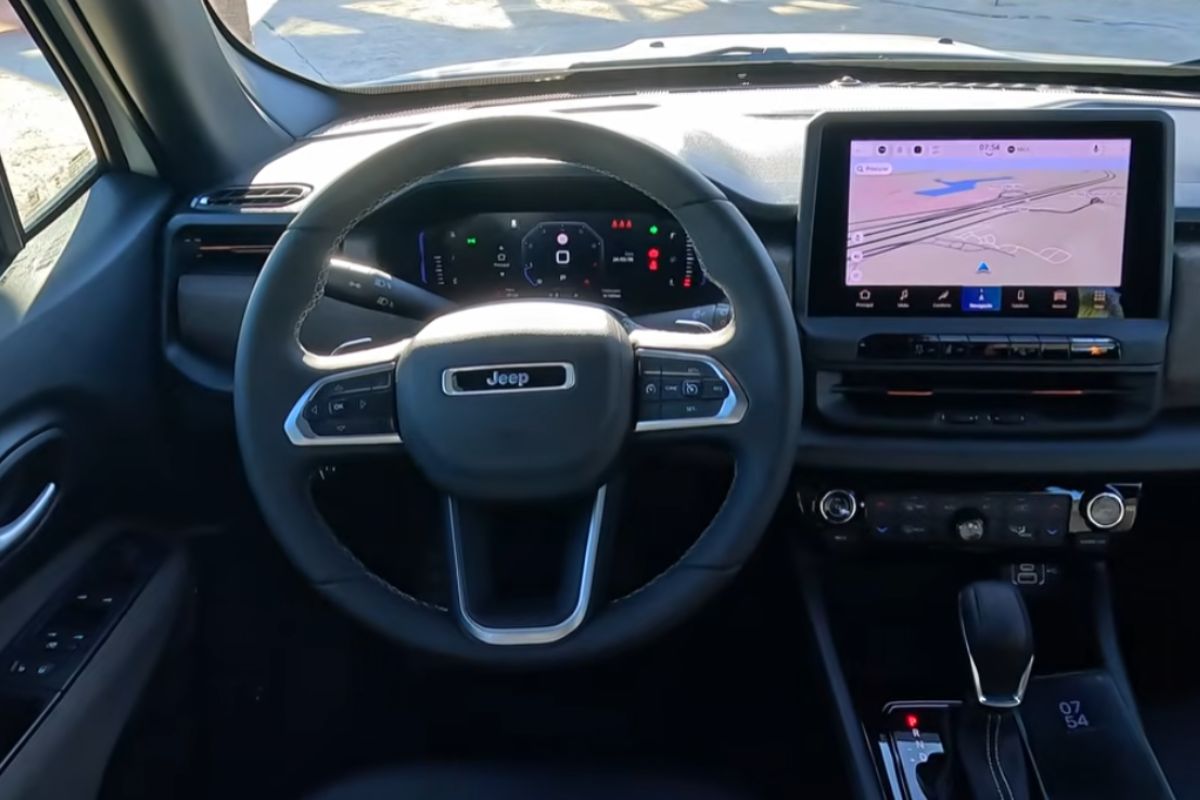
With a mild hybrid system of 48 V, 176 hp and a price of R$ 175,990 in the Sahara version, the new Jeep Renegade changes mostly on the inside, improves slightly in fuel consumption, and remains almost the same car.
-
With a 293.5 cm³ engine and a range of up to 400 km with a 14.1-liter tank, the Honda CB 300F Twister 2026 has up to 24.7 hp, an initial price of R$ 25,150, and already exceeds R$ 29,000 in the Fipe Table.


Still, conversion kits are widely sold on online platforms for prices between R$ 500 and R$ 1,000. However, the risks are alarming, from serious accidents to permanent damage to the vehicle.
Why LPG Is Not Safe For Automobiles?
Liquefied petroleum gas, or LPG, is a compound derived from butane and propane, different from CNG (compressed natural gas).
While CNG is designed for vehicles, LPG is not. The use of this fuel imposes significant technical and safety challenges. For example, the common gas cylinder is designed to remain stationary, not to withstand constant vibrations and movements in a vehicle.
Clandestine installations, often done in a makeshift manner, use inappropriate parts, such as improvised hoses and connections adapted from forklifts. The result is a system highly vulnerable to leaks and explosions.
Moreover, the lack of safety standards exacerbates the risks, exposing drivers and passengers to constant dangers.
Vehicle Damage: Hidden Cost Of Saving
Besides the obvious dangers, adapting to LPG seriously compromises the vehicle’s mechanics. Engines designed for gasoline, ethanol, or CNG do not have the necessary compression ratio to work with LPG, resulting in power loss and increased wear on parts.
Components such as spark plugs and ignition cables have their lifespan reduced by half, from about 30,000 km to only 15,000 km, according to experts.
The engine head is also particularly vulnerable, potentially cracking due to the irregular pressure generated by the use of gas. Valve problems, such as jamming and accelerated wear, are frequent, since LPG does not provide lubrication like liquid fuels.
The makeshift installation of cylinders also affects the car’s resale value. Drilling done to secure the cylinders and other unauthorized modifications devalue the vehicle. Not to mention the loss of space in the trunk or bed, where the cylinder is usually placed.
History And Legal Situation Of LPG
The practice of using LPG in vehicles is not new. During the 1980s, especially in low-income communities, it was common to find vehicles adapted to run on kitchen gas, even though it was prohibited.
In 1991, its use was officially classified as “crime against economic order,” during a period of instability in the global oil market, exacerbated by the Gulf War.
Despite this, there are efforts to regulate the use of LPG in vehicles. In 2019, Bill 4217 was presented in the Chamber of Deputies, proposing permission for kitchen gas in various engines. The project has already been approved by the Constitution and Justice Commission (CCJ) and awaits a vote in the Plenary.
Saving That Can Be Expensive
While regulation has not advanced, the practice remains illegal and risky. LPG is an apparently cheap solution, but it hides high costs, whether through reduced engine lifespan or safety risks.
Furthermore, the environmental impact of LPG should not be ignored. Although it is cleaner than gasoline or diesel in terms of emissions, its production and transportation still generate significant impacts.
The use of LPG in vehicles is a choice that, although seemingly advantageous at first glance, can lead to considerable losses. Among the mechanical risks and safety concerns, the initial savings can quickly turn into a bigger problem. For those seeking economical alternatives, investing in legalized solutions, such as conversion to CNG, is always the best option.
Drivers need to be aware of the consequences before succumbing to the temptation to save at any cost. After all, the price of a poorly planned decision can be high, both for the wallet and for safety.








Vamos lá. O GLP trabalha em pressão menor que o GNV, prejudicando menos o motor comparado com GNV. Carros na Europa utilizam o gas GLP nos veículos, inclusive algumas montadoras já instalam o kit gas GLP de fábrica, e possuem sistema de lubrificação do cabeçote para suprir esse problema. Sugiro pesquisar um pouco antes de colocar uma matéria dessas cheias de inverdades. O problema do GLP aqui no Brasil é que é ilegal, o armazenamento em um cilindro não apropriado e o pior de tudo, alguém querer abastecer GNV no cilindro do GLP que irá explodir devido a diferença de pressão de ambos para se tornar liquefeito.