





 Portuguese
  English
  Spanish
  6 min of reading
  0 comments


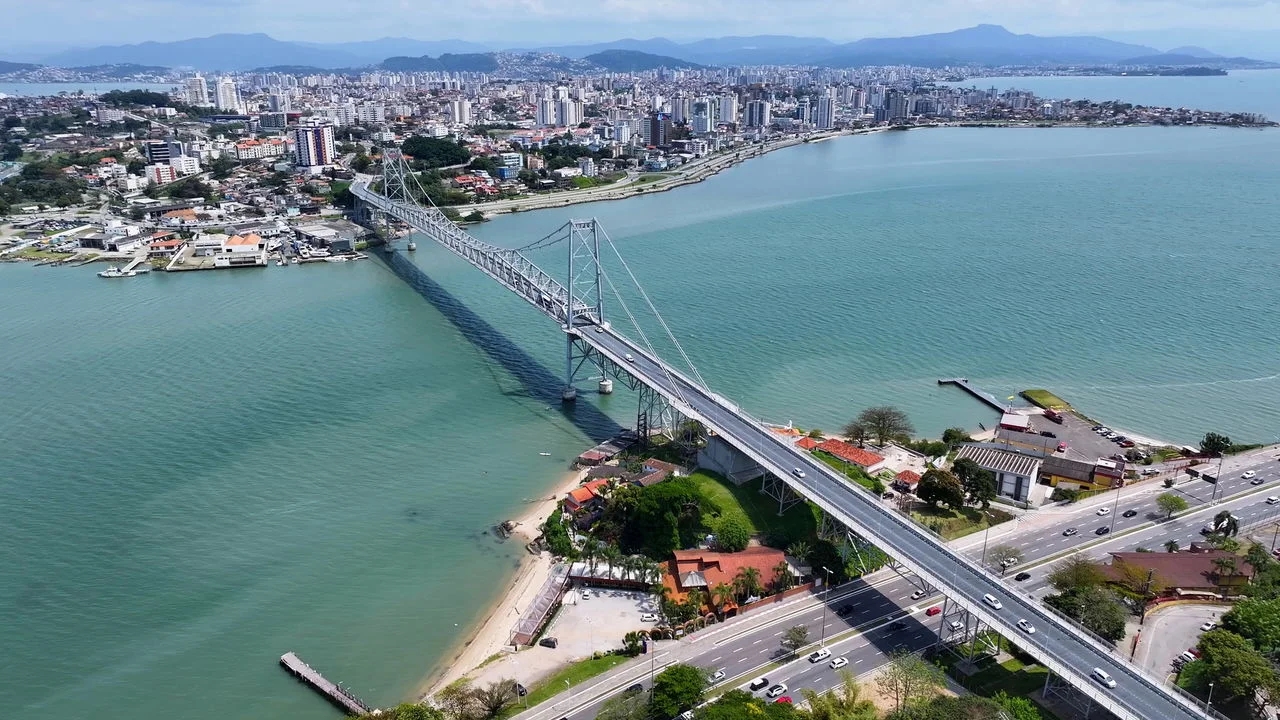
Brazilian Cities Experience Explosive Growth in 2025, Attracting Giant Investments, New Jobs, and Quality of Life that Already Surpasses Many Capitals. See Why So Many People Are Moving to These New Hubs.
Some Brazilian cities are advancing so quickly that they have moved from being a promise to a certain destination for those seeking more opportunities, modern infrastructure, and real growth. While many capitals are dealing with high costs and old challenges, these municipalities are capturing attention for their accelerated pace of urbanization, job creation, logistical expansion, and impressive volumes of investment.
There are numbers that leave no doubt: Brazil in 2025 is being reshaped away from traditional capitals — and those who follow this shift may be surprised by what they find.
Sorriso (MT): When the Agribusiness Capital Becomes an Economic Giant
Sorriso is not just a productive city; it is a phenomenon. Known as the capital of Brazilian agribusiness, it continues to lead national rankings and attract workers, investors, and companies.
-
The Federal Revenue Service now automatically cross-references everything you declare with data from banks, credit cards, brokerage firms, and insurance companies, and any discrepancy between your income and your expenses triggers an alert in seconds.

-
Amid global tensions, Brazil blocks the United States’ proposal at the WTO and paves the way for a trade crisis and possible retaliations.

-
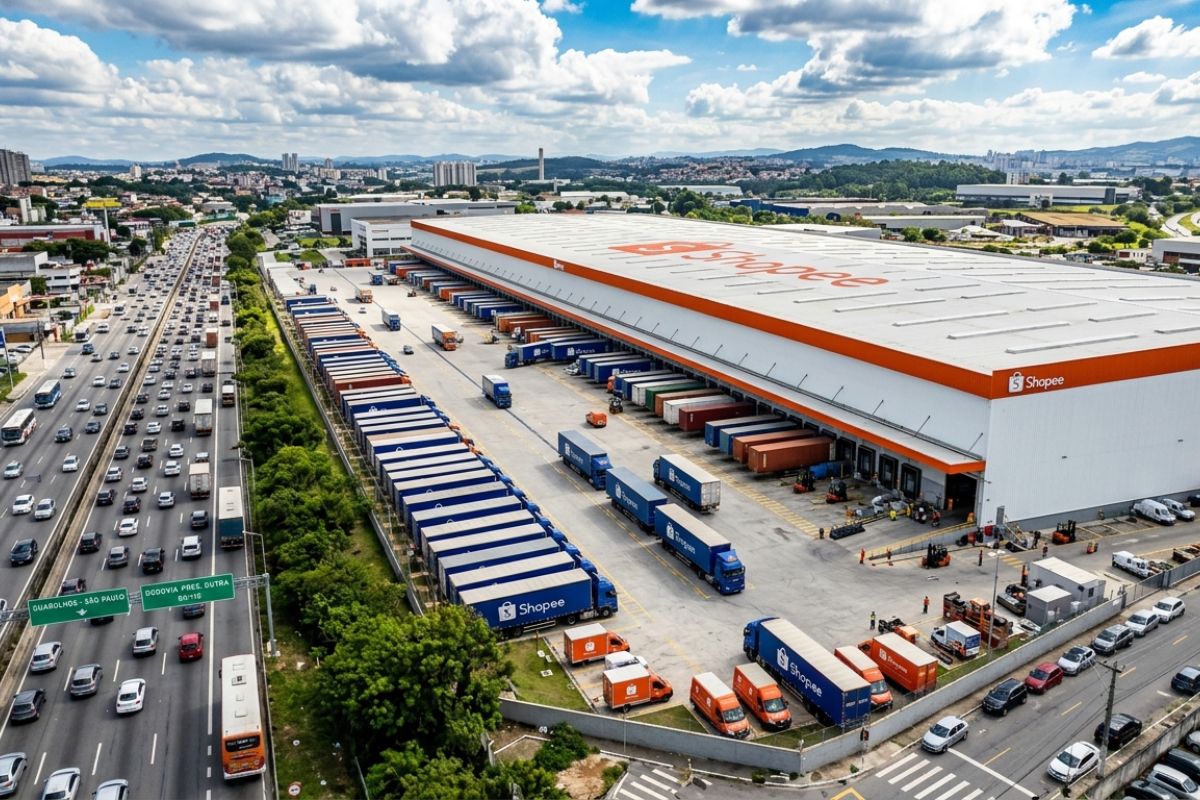
Shopee opens the largest logistics warehouse in Brazil in Guarulhos: 220,000 m² on Dutra, contract signed before construction, pays R$ 45/m² and accelerates deliveries at scale, putting pressure on Mercado Livre and Amazon.
-
After mistakenly transferring R$ 50,000 via Pix, a man will receive the amount back along with R$ 10,000 for moral damages from the recipient.


In 2022, the municipality generated R$ 11 billion in agricultural production value, according to the IBGE. Soy alone accounted for R$ 5.8 billion, while corn exceeded R$ 4 billion.
The city also stood out in 2023 and 2024: according to Revista Globo Rural, Sorriso remains at the top among the municipalities with the highest agricultural production value in the country. The population growth is also impressive: over 66% between 2010 and 2022.
“Sorriso is today an international reference in productivity and agricultural logistics”, stated the Ministry of Agriculture in an official note in 2024. This combination of production, growing infrastructure, and opportunities makes the city one of the most promising destinations in the country.
Camboriú (SC): Quality of Life, Strategic Logistics, and Urban Growth
Alongside Balneário Camboriú, a national reference in vertical urbanization, Camboriú has become an alternative for those seeking to live well while paying less.
The population jumped from 62,000 to over 103,000 inhabitants in 12 years, and the municipality expanded its services, condominiums, and commerce.
The location favors everything: it is on the route of the BR-101, one of the most important highways for logistics in the South, and is 30 minutes from Navegantes Airport.
According to the Government of Santa Catarina, municipalities in the North Coast have been receiving strong private investment in construction and tourism in recent years.
In addition to the nearby beaches, Camboriú bets on ecological tourism, with trails, hills, and waterfalls that attract visitors year-round — all of this sustaining new jobs and attracting Brazilians from various regions.
Parauapebas (PA): The Power of Minerals that Changes the Entire Local Economy
Parauapebas, known as the capital of minerals, is undergoing an intense transformation due to the presence of Serra dos Carajás, home to the largest iron ore reserve on the planet.
The city surpasses R$ 8.4 billion in GDP and saw a population growth of 73% between 2010 and 2020.
Vale expanded operations and reinforced urban infrastructure, and official data from Ipea indicates that mining municipalities are among those making the most progress in revenue and accelerated urbanization in Brazil.
This advancement brings opportunities, jobs, and improvements in services, but it also puts pressure on the public system, which needs to grow at the same pace.
Sinop (MT): Strong Agriculture and Planning that Tries to Balance Preservation
Sinop has become a reference not only in the cultivation of soy and corn but also in urban management. Between 2010 and 2022, the local population grew from 113,000 to 196,000 residents — a 73% increase.
Positioned on the route of the BR-163, Sinop gained strength as a logistical corridor for grain exports, mainly to the Port of Miritituba (PA).
Recent reports from Mapa show that the advancement of agribusiness requires firmer environmental preservation measures, and Sinop is trying to balance economy and sustainability.
With research centers, universities, and agritechs setting up, the municipality has become a hub for agricultural technology professionals and new enterprises.
Luís Eduardo Magalhães (BA): The West that Became Synonymous with Agricultural Power
In the West of Bahia, Luís Eduardo Magalhães grew nearly 80% in 12 years, driven by high-productivity agribusiness. Soy, corn, and cotton dominate the economy and attract companies, investments, and specialized labor.
The municipality has invested in sanitation, urban transport, and education to keep pace with this growth. According to data from AIBA, the West region is responsible for a significant portion of Bahia’s agricultural production and is expected to further expand its share in the coming years.
The challenge? Diversifying the economy before total dependence on agriculture becomes a risk.
Fazenda Rio Grande (PR): Real Estate and Industrial Hub in the Curitiba Region
With a population explosion — from 81,000 to 148,000 inhabitants — Fazenda Rio Grande has moved to a new level. The proximity to Curitiba makes the city a strategic place for those seeking housing with better quality and lower cost.
Since 2019, the municipality has received over R$ 3 million in infrastructure works, including paving and urban mobility. The real estate sector has grown above the state average, and new industries have arrived attracted by metropolitan logistics.
Senador Canedo (GO): The Petrochemical Hub that Dominates the Midwest
With two industrial districts and over 56 companies established, Senador Canedo has become a reference in the petrochemical sector, with strong involvement from Petrobras and dozens of complementary industries.
The population growth surpassed 84%, driven by the thousands of direct jobs generated. The city has important road connections and expanding urban infrastructure, becoming one of the main industrial hubs in Goiás.
Itajaí (SC): Giant Port, High Income, and Valuation that Surpasses Capitals
Itajaí has a rare phenomenon: GDP of R$ 47 billion, per capita income above R$ 40,000, and prominence in foreign trade.
In 2023, Itajaí topped the Brazilian import ranking, handling over US$ 13 billion, according to the Ministry of Economy.
In addition to being one of the largest ports in Brazil, the urban infrastructure is advancing with high-standard real estate projects, well-rated schools, and valued beaches like Cabeçudas and Brava. The city is expected to continue growing in 2025 due to the expansion works of the port evolution basin.
Canaã dos Carajás (PA): When a Megaproject Changes Everything
With just over 64,000 inhabitants, Canaã dos Carajás has become one of the most prosperous municipalities in the North region thanks to the S11D Project, the largest investment in iron ore mining history worldwide. It moves 90 million tons per year.
The advancement has brought new schools, hospitals, paved streets, and opportunities for professionals in various fields. According to Vale, “S11D represents sustainable mining of a new generation.”
Canaã exemplifies how large investments can transform an entire city.
Lucas do Rio Verde (MT): The Capital of Brazilian Agroindustry
Lucas do Rio Verde is officially considered the capital of agroindustry, with the presence of giants like BRF and urban projects since 2005 that prioritize planning and popular participation.
The city has attracted companies, industries, and large agricultural complexes, and today it ranks among the most organized in the country. Its population has grown significantly in recent decades, a direct result of public policies and long-term infrastructure planning.
If any of these cities caught your attention or if you live in one of them, leave your comment below. Your experience helps other Brazilians understand where the country is heading. And if you found the content useful, share it with someone who is thinking about changing their life — perhaps the next destination is on this list.







-

-

2 pessoas reagiram a isso.