





 Portuguese
  English
  Spanish
  3 min of reading
  0 comments


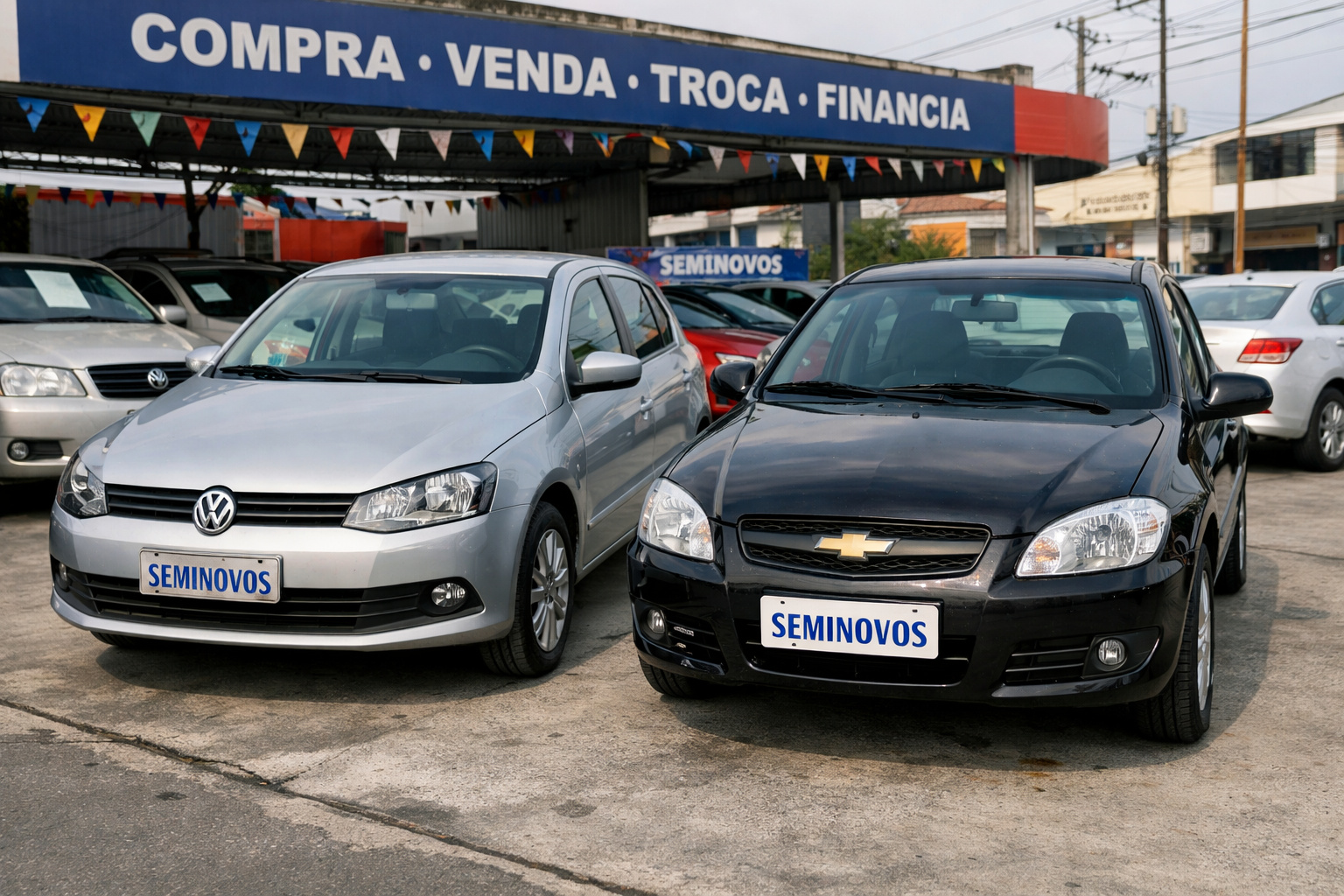
Survey Exposes Billion-Dollar Loss, Reveals Most Affected States, and Shows Which Brands and Models Lead in Digital Frauds
The online car buying and selling market moves billions of reais every year in Brazil. However, along with the ease of digital transactions, risks also grow. In 2023, criminals perpetrated around 91 thousand scams in vehicle sales over the internet, causing an estimated loss of R$ 2.7 billion to Brazilians.
Despite the alarming impact, the study indicates a 60% reduction compared to 2022, when losses reached R$ 4.3 billion. Still, the numbers show that thousands of consumers remain vulnerable when negotiating vehicles on digital platforms.
The report published by “Autoesporte”, based on data collected by OLX, analyzed the behavior of the Brazilian digital market between January and December 2023. Researchers evaluated a base of 20 million accounts opened and monitored 150 million devices, including websites, apps, and digital accounts.
-
Caoa Chery Tiggo 5X skyrockets in sales in Brazil: a 2,318% increase and waiting lists of up to 4 months to acquire the model.
-
Goodbye falls: Singaporean company Omoway begins production of a motorcycle that doesn’t fall and surprises the market by offering automatic balance technology that reduces accidents and transforms the urban riding experience.

-
A French brand placed a car on four huge red balloons to prove that its suspension made the vehicle “float,” and the surreal scene became one of the most iconic and unusual images in automotive history.

-
Jeep Avenger begins production in Brazil, debuting as the brand’s new entry-level SUV and inaugurating an unprecedented phase by becoming the first national Jeep manufactured outside of Goiana, as part of a R$ 3 billion plan.

Cars Account for 64% of Scams, and São Paulo Leads the Ranking
Criminals concentrated most frauds on automobiles. Cars accounted for 64% of the cases, while motorcycles accounted for 31% and trucks for 5% of the occurrences.
Additionally, the survey shows that São Paulo leads with 28% of the records. Next are Minas Gerais (8%), Rio de Janeiro (7%), and Bahia (6%). Therefore, the largest economic hubs also concentrate the highest volume of scams in online vehicle purchases and sales.
Beatriz Soares, VP of Product at OLX, emphasizes that technology is already working to combat fraud. “The use of artificial intelligence and machine learning allows for more precise and agile prevention of online scams. Moreover, the more information Brazilians have about risks and prevention, the more effective the fight against fraud will be,” she asserts.
In other words, platforms are investing in technology. However, consumers still need to act with caution and heightened attention.
Celta and Gol Lead the List of Models Most Used in Scams
When analyzing the most exploited brands in frauds, a clear pattern emerges. Chevrolet accounts for 26% of the cases, followed by Volkswagen (19%) and Fiat (17%). Next come Toyota (8%), Ford (7%), Honda and Hyundai (5%), Renault (3%), and Jeep and Nissan (1%) each.
Among the models, Celta and Gol appear with 9% of scams each. The Volkswagen Gol, in fact, also leads the ranking of thefts. Just in 2023, authorities recorded 3,583 thefts of the German brand’s hatchback.
Following are Palio (6%), Corsa (5%), as well as Uno and Corolla (4% each). Therefore, the most popular vehicles have also become the main targets of digital frauds.
This trend occurs because highly sought-after models facilitate false ads and quick transactions. The higher the demand, the greater the opportunity for criminals to exploit unwary victims.
How to Avoid Scams in Online Vehicle Buying and Selling
In light of this scenario, experts recommend practical actions. First, the buyer should negotiate directly with the owner. Additionally, they need to schedule an in-person visit to assess the vehicle’s condition.
It is also advisable to request a Preventive Inspection carried out by a company accredited by the Detran. This procedure identifies legal restrictions, history of serious accidents, or structural alterations.
Buying a car from a private individual can lead to significant savings. However, the consumer needs to double the attention. Although the loss has decreased from R$ 4.3 billion in 2022 to R$ 2.7 billion in 2023, the 91 thousand scams recorded show that the risk remains high.
Therefore, information, verification, and caution continue to be the best strategies to avoid losses in the digital automotive market.
Have you already negotiated a car online? What precautions do you consider essential to avoid falling for a scam?








Seja o primeiro a reagir!