





 Portuguese
  English
  Spanish
  7 min of reading
  0 comments


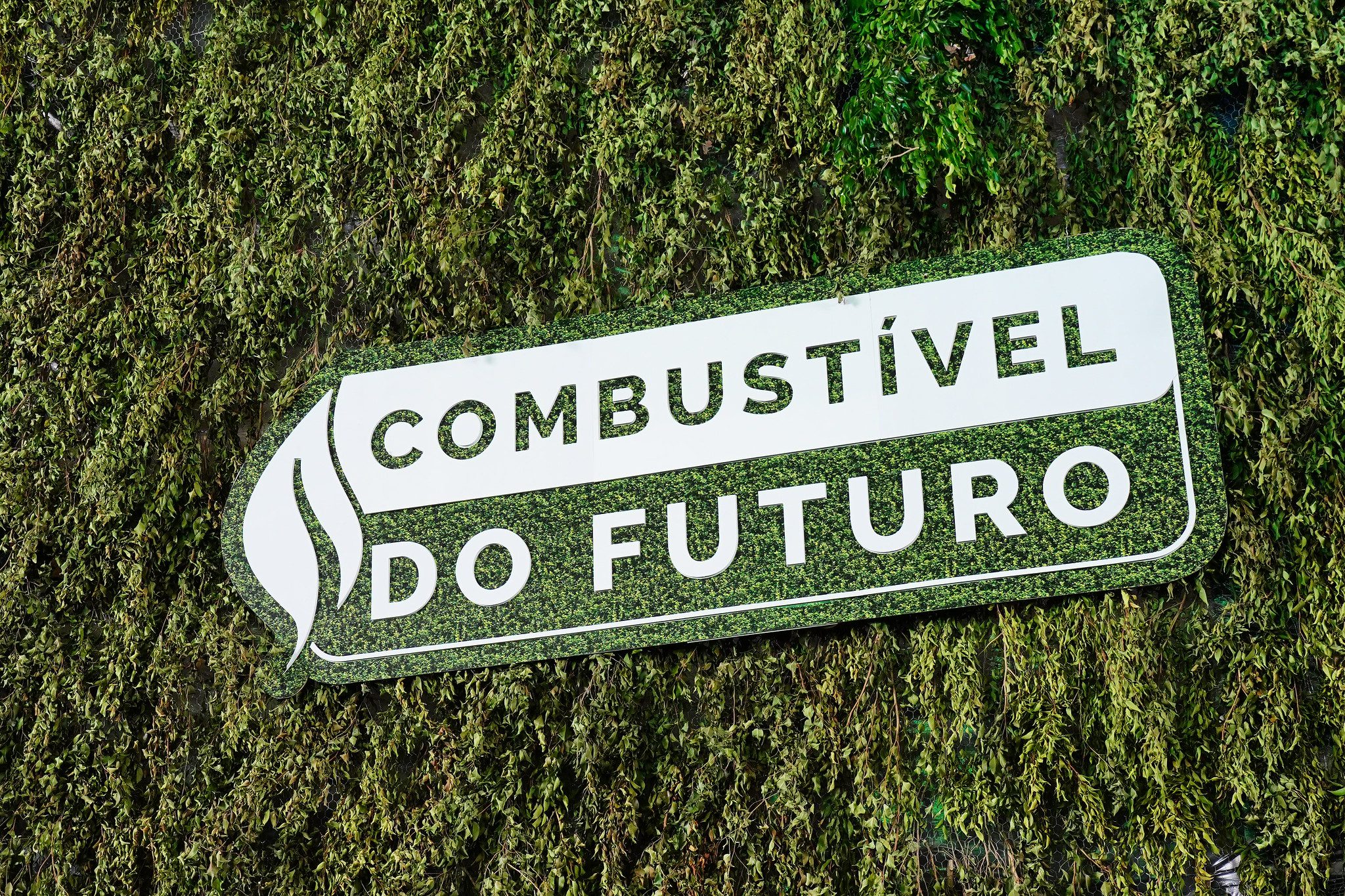
The scenario of volatility in international oil prices drives the government and the private initiative to invest massively in the development of the fuel of the future, putting the country at the forefront of global decarbonization.
Brazil accelerates the implementation of strategic infrastructures to enable large-scale production of the fuel of the future, seeking viable alternatives to the recent surge in oil prices.
With the barrel operating at high levels in the external market, the national energy sector focuses on green hydrogen and advanced biofuels as definitive solutions for mobility and industry.
This strategic movement leverages Brazil’s electric matrix, already predominantly renewable, to transform the country into a global exporter of clean energy. The federal government and major players in the oil and gas sector are directing billions of reais to projects in the Northeast and Southeast, aiming for self-sufficiency and reducing the carbon footprint.
-
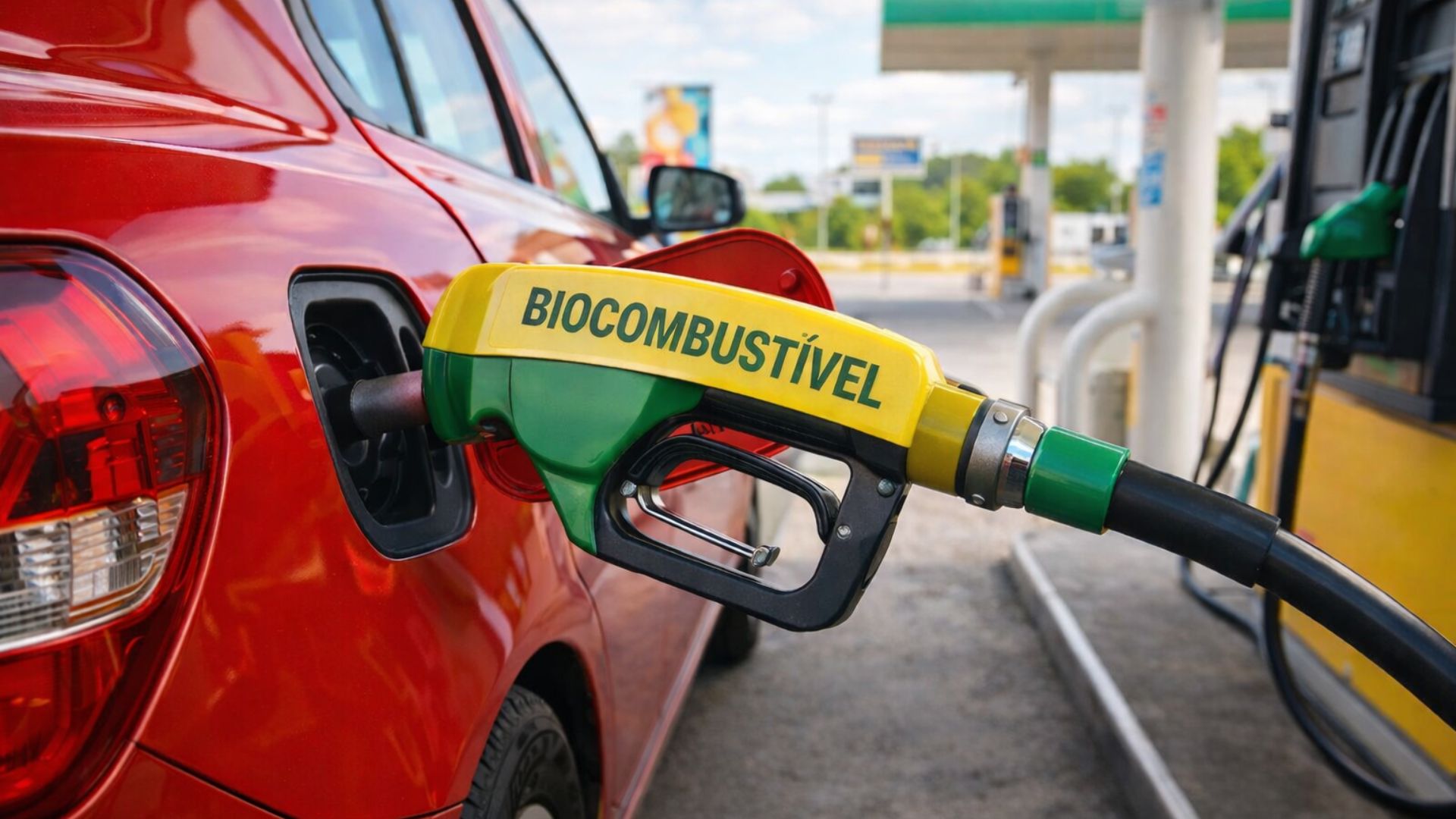
CNPE strengthens policy and prevents imported biodiesel from being mixed with diesel, aiming to strengthen the Brazilian industry and protect jobs by reducing external dependence amid tensions in the global market.
-
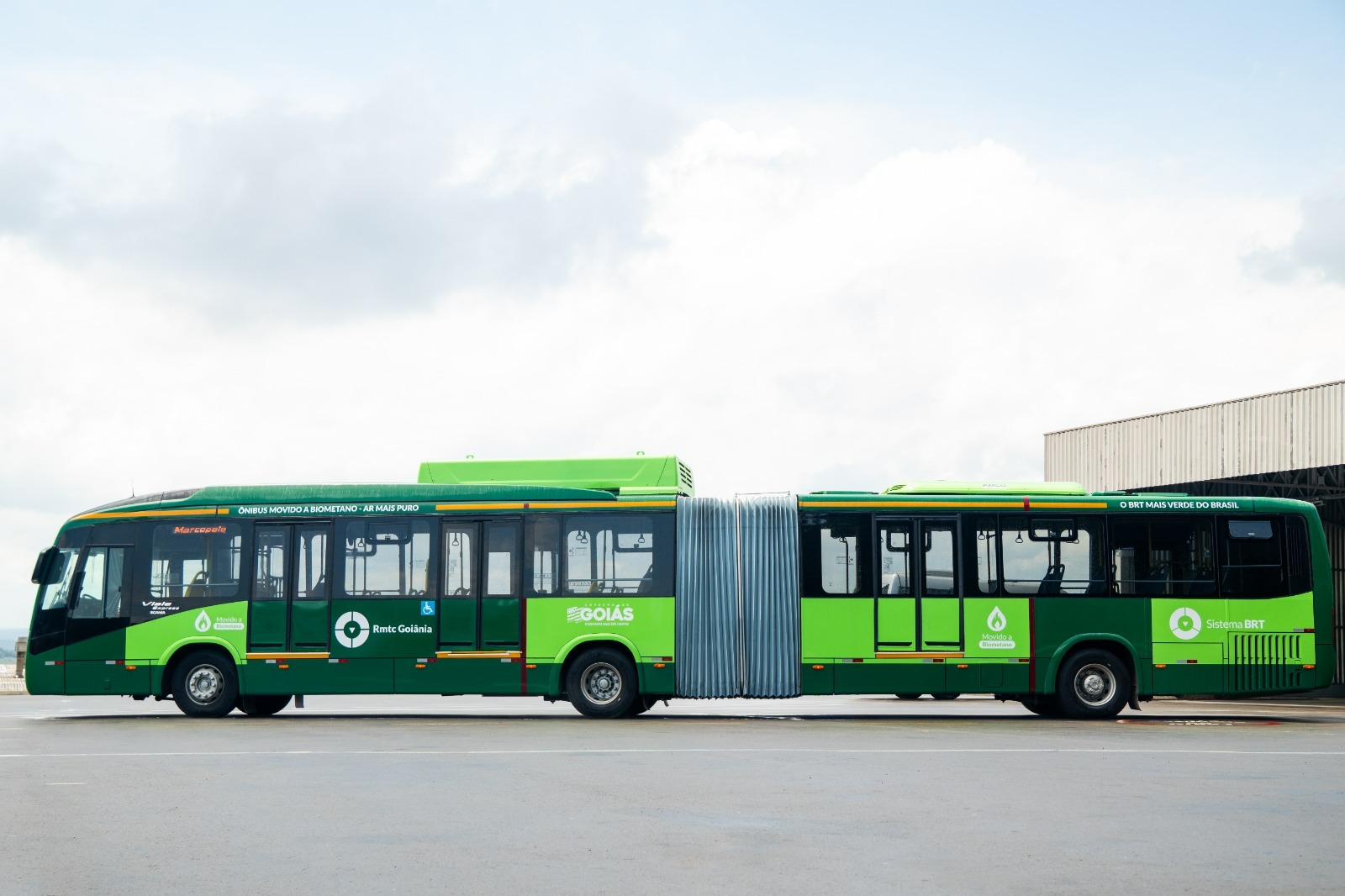
Revolution in public transport: Goiânia puts into circulation the first articulated buses powered by biomethane in Brazil and promises to drastically reduce pollution on the Anhanguera Corridor.
-
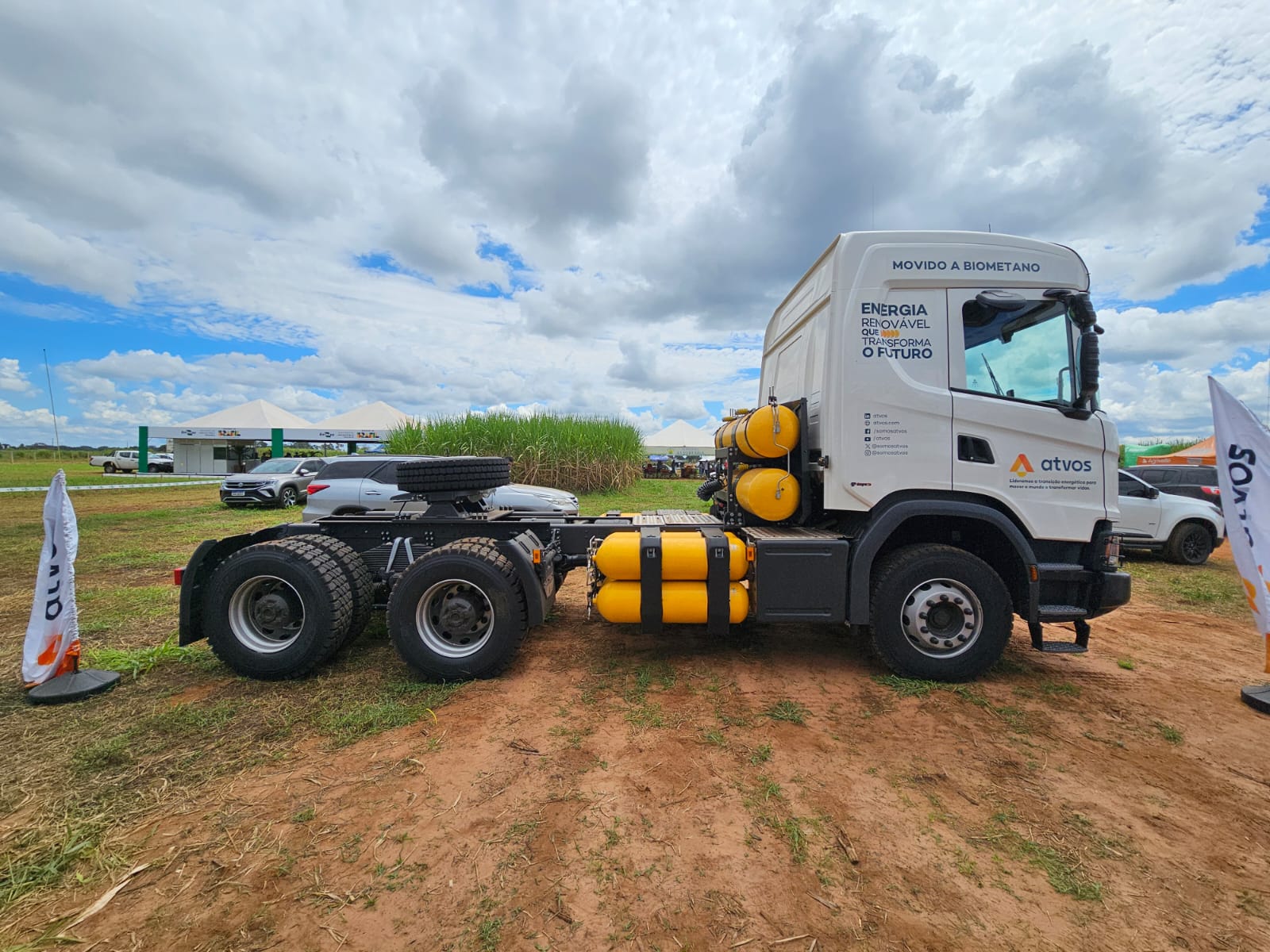
From the field to the pipelines: Mato Grosso do Sul accelerates the energy transition and consolidates a new axis in renewable energy with the arrival of a giant biogas plant.
-
The Economist states that Brazil has a “secret weapon” against expensive oil and highlights how the country can reduce economic impacts even in international scenarios of high volatility.

The energy transition ceases to be a distant goal and becomes a real economic necessity, promising to lower transportation costs and generate a new wave of technical jobs by 2026.
In addition to ensuring energy security, the development of these new sources positions Brazil as a key player in meeting international climate agreements, attracting investment funds that prioritize sustainable assets and cutting-edge technology.
The rise of green hydrogen as the fuel of the future
The global market identifies green hydrogen (H2V) as the main candidate for the title of fuel of the future due to its versatility and zero environmental impact. Brazil has the ideal conditions to lead this sector, as it possesses an abundance of solar and wind energy to power the electrolysis process.
Electrolysis separates hydrogen molecules from water without emitting greenhouse gases, creating a high-energy input.
Strategic ports, such as Pecém in Ceará and Açu in Rio de Janeiro, already host the country’s first hydrogen hubs. These industrial processing zones connect renewable energy generation directly to electrolysis units and export ships.
Green hydrogen is not only used to power vehicles; it acts as a raw material for the production of fertilizers and green steel, sectors that currently rely heavily on imported fossil fuels. Mastering this technology ensures that Brazil moves from being a mere exporter of raw commodities to becoming a supplier of high value-added energy solutions.
The oil crisis and the trigger for the energy transition
Geopolitical instability and reduced supply from major producers keep oil prices at levels that pressure global inflation. For Brazil, this scenario acts as a catalyst to abandon dependence on petroleum derivatives.

The development of the fuel of the future provides economic shielding, allowing internal logistics and production costs to no longer be held hostage to the quotes of the London or New York exchanges.
Petrobras and other private oil companies operating in the pre-salt redirect significant portions of their profits to research and development of clean sources. The strategy consists of using the wealth generated by oil today to finance the renewable infrastructure of tomorrow.
This secure transition avoids shocks to the economy, ensuring that the matrix change occurs gradually but without interruptions. The central goal focuses on the progressive replacement of diesel and gasoline with alternatives that the Brazilian soil produces abundantly, such as second-generation ethanol and sustainable aviation fuel (SAF).
Advanced biofuels: The bridge to decarbonization
While green hydrogen scales its industrial production, advanced biofuels already offer immediate results in the quest for the fuel of the future.
Brazil has dominated ethanol technology for decades, but is now advancing to what is called Green Diesel (HVO) and biomethane. These products have the advantage of being “drop-in,” meaning they work in current engines without the need for expensive mechanical modifications.
Green Diesel, produced from vegetable oils and animal fats, reduces particulate emissions by up to 90% compared to mineral diesel. Sugarcane mills and grain processing plants in the Midwest are transforming into high-complexity biorefineries.
This industrial evolution strengthens the national agribusiness and creates a circular economy, where the waste from food production fuels the fleet of trucks that transport the harvest. The aviation sector is also closely monitoring these advances, as SAF (sustainable aviation fuel) represents the only viable way to reduce pollution from long-haul flights in the coming decades.
How Brazil differentiates itself in the global scenario?
Many foreign investors call Brazil the “safe harbor of energy” for a curious reason: the complementarity of our sources. Unlike Europe, which suffers from harsh winters and little sunlight, Brazil produces renewable energy 24 hours a day.
When the wind blows less in the Northeast, the sun shines brightly on photovoltaic plants or hydropower compensates for the demand. This stability makes the production cost of the fuel of the future one of the lowest on the planet.

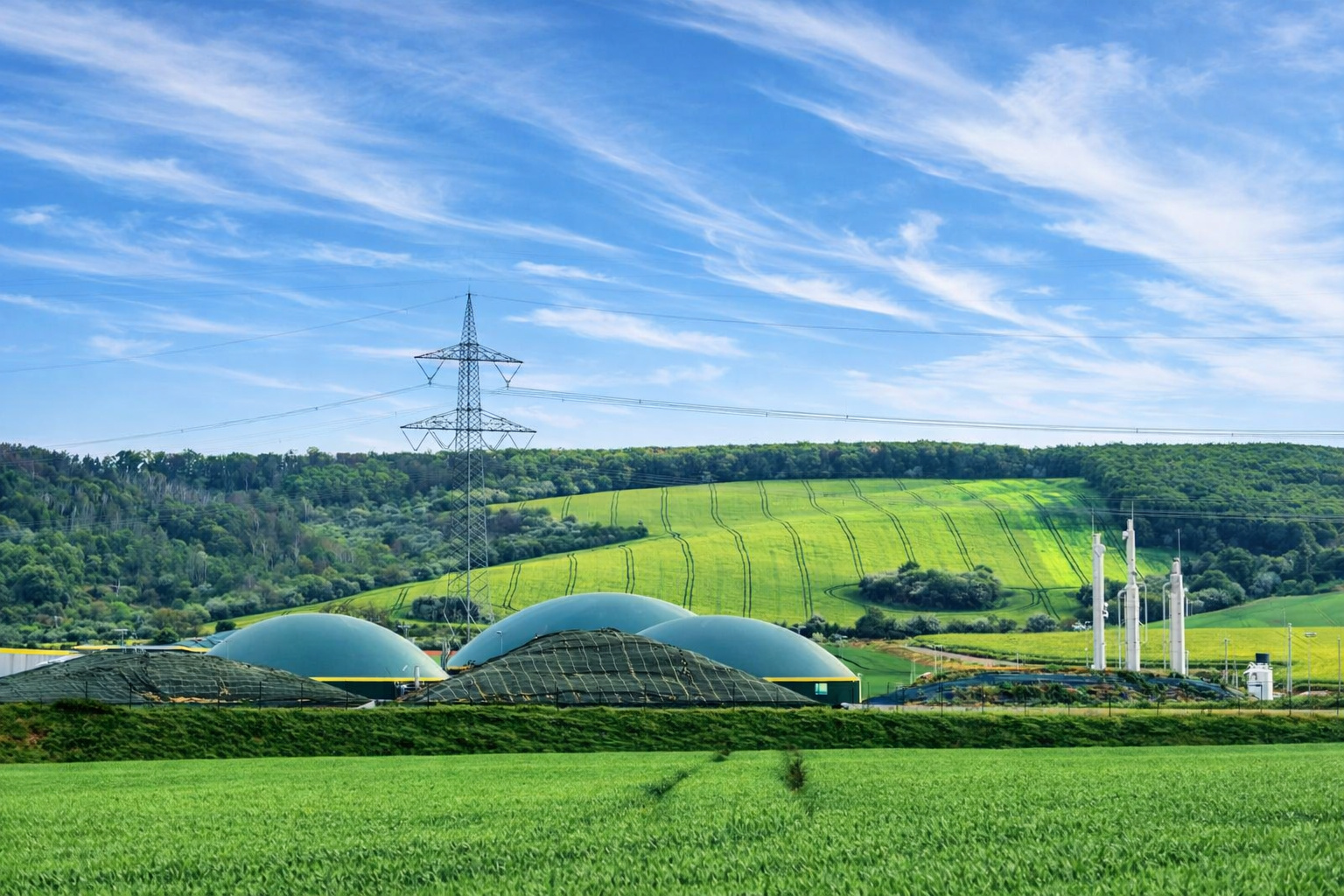
Another interesting fact involves the use of existing natural gas infrastructure to transport hydrogen. Brazilian engineers are testing blends of natural gas with hydrogen in current pipelines.
This allows the transition to occur much more cheaply, leveraging the thousands of kilometers of pipelines that already crisscross the country. Brazil does not need to build everything from scratch; the country adapts its excellence in oil engineering to the new era of clean energy, saving time and public resources.
Impact on consumer bills and national logistics
The development of the fuel of the future brings direct benefits to the average citizen’s pocket. Road freight represents one of the largest slices of food prices in supermarkets.
When cargo transport adopts stable national energy sources, freight costs stop fluctuating according to international crises. This generates structural deflation that increases the purchasing power of Brazilian families.
In large cities, replacing diesel buses with hydrogen-powered vehicles or biomethane improves public health. The reduction of noise and air pollution decreases state spending on respiratory diseases.
The real impact goes beyond currency savings; it is a systemic improvement in urban quality of life. The citizen perceives the energy transition not as an abstract concept, but as a quieter bus, cleaner air, and more controlled inflation under the ceiling of 2026.
The pre-salt as a funder of sustainable technology
Although the focus is on the fuel of the future, pre-salt oil production remains the main source of resources for this transformation. Petrobras uses the most modern platforms in the world to extract oil with the lowest possible carbon emissions per barrel produced.
This “green oil” ensures the necessary revenues for the company to invest in offshore wind farms and green ammonia plants.
The Brazilian strategy avoids the mistake of abandoning oil before having the alternative ready. The country executes a pragmatic and secure transition. Brazilian science, through institutions like Cenpes and various federal universities, develops exclusive patents for high-efficiency electrolysis and new catalysts.
Brazil is moving from being just a buyer of foreign technology to patenting solutions that the entire world will need to buy in the coming years to achieve zero emission targets.
Infrastructure challenges and sector regulation
To consolidate the fuel of the future, Brazil faces the challenge of modernizing its distribution network. Hydrogen, for example, requires special storage tanks and ultra-high-pressure refueling stations.
The National Congress is working on creating regulatory frameworks that provide legal certainty for foreign investors. Clear rules on taxation and tax incentives for clean energy determine the speed at which projects move from paper to reality.

The connection between production centers (such as the northeastern hinterland) and consumption centers (such as the São Paulo industrial belt) requires new transmission lines and pipelines. The federal government plans specific infrastructure auctions for the flow of renewable sources.
Regional integration with neighboring countries, such as Argentina and Paraguay, is also on the agenda, aiming to create a common market for clean energy in Latin America that can compete with the European and Asian blocs.
The new geopolitics of the fuel of the future
The energy transition alters the global balance of power. Countries that once dominated the world through oil reserves lose influence to nations that dominate wind, sun, and mineral technology.
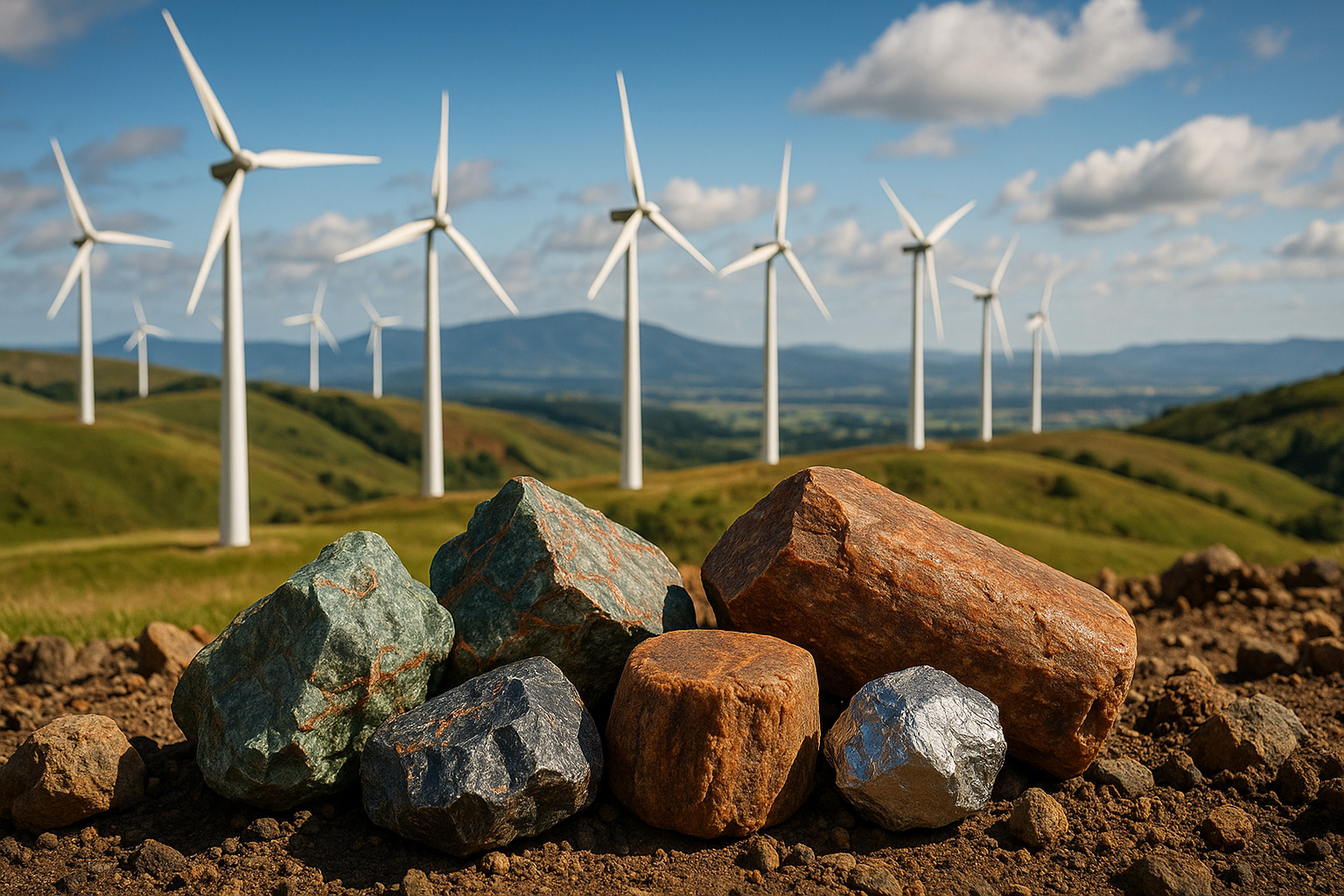
Brazil, with its lithium and rare earth reserves, in addition to its energy potential, positions itself as a new geopolitical power. The fuel of the future guarantees the country a permanent seat at high-level discussions on global security and sustainability.
Brazilian diplomats use the environmental agenda as a tool for commercial negotiation. The Brazilian “Green Seal” opens doors for products in markets that block items associated with deforestation or intensive fossil fuel use.
Clean energy thus becomes the greatest hallmark of national diplomacy, transforming Brazil into an indispensable mediator for the UN’s 2030 and 2050 goals.
The tomorrow of Brazilian energy has already begun
The development of the fuel of the future in Brazil represents a journey with no return. The rise in oil prices serves only as an urgent reminder that energy sovereignty requires diversification and innovation.
The country has all the ingredients: abundant natural resources, world-class engineering, and a productive sector eager for efficiency. The sun and wind, once seen only as natural beauties, now drive the gears of the new Brazilian economy.
Thus, the success of the energy transition in 2026 depends on the continuity of state policies and the synergy between the public and private sectors. By transforming the power of nature into clean fuel, Brazil not only protects its economy but leads the planet towards a habitable future.
The end of the oil era does not mean the end of energy, but rather the birth of an era where fuel is inexhaustible, national, and environmentally friendly.






Seja o primeiro a reagir!