





 Portuguese
  English
  Spanish
  4 min of reading
  0 comments


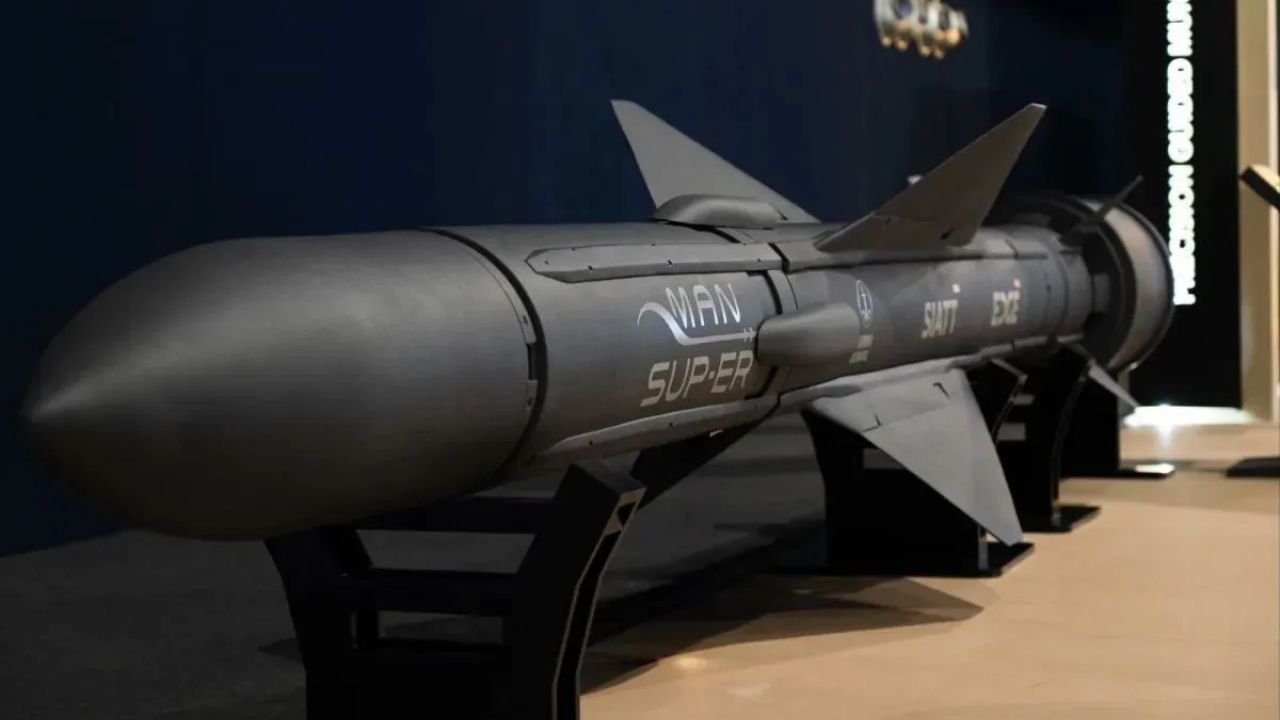
Brazil is working on the air-surface version of the MANSUP missile with a range exceeding 200 km and expands the strategic capacity of the national defense industry.
In 2025, Brazil took a significant step in the evolution of its defense industry by starting studies to expand the use of the MANSUP (National Surface Anti-Ship Missile) to a new configuration: the air-surface version, capable of being launched from aircraft. The move was formalized through agreements involving the Brazilian Navy and the company SIATT, responsible for the development of the system.
According to information released by SIATT in institutional materials about the evolution of MANSUP and its possible operational variants, the system is being studied for applications beyond launch from naval platforms, including integration with aircraft, maintaining characteristics such as advanced guidance and a range exceeding 200 kilometers, which significantly expands the operational range of national technology.
MANSUP was born as an anti-ship missile and is already equipped on Navy ships
The MANSUP was originally developed as an anti-ship missile launched from surface vessels, focusing on replacing imported systems and ensuring technological autonomy for Brazil.
-
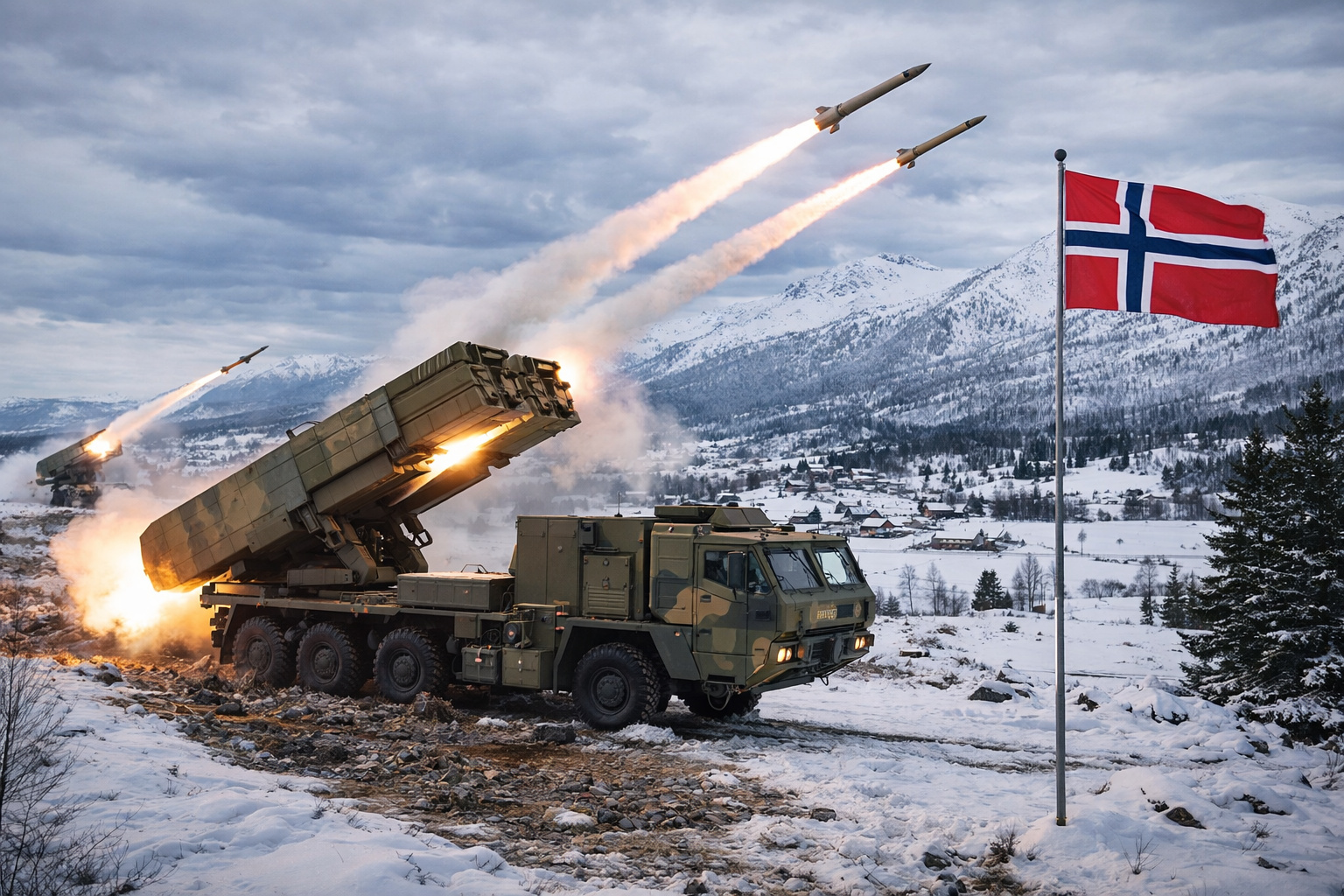
South Korea signs a $922 million deal with Norway, bringing Chunmoo launchers capable of firing guided missiles up to 290 km with an accuracy of 15 meters to Europe and turning the system into a key component of the new global race for precision artillery.
-
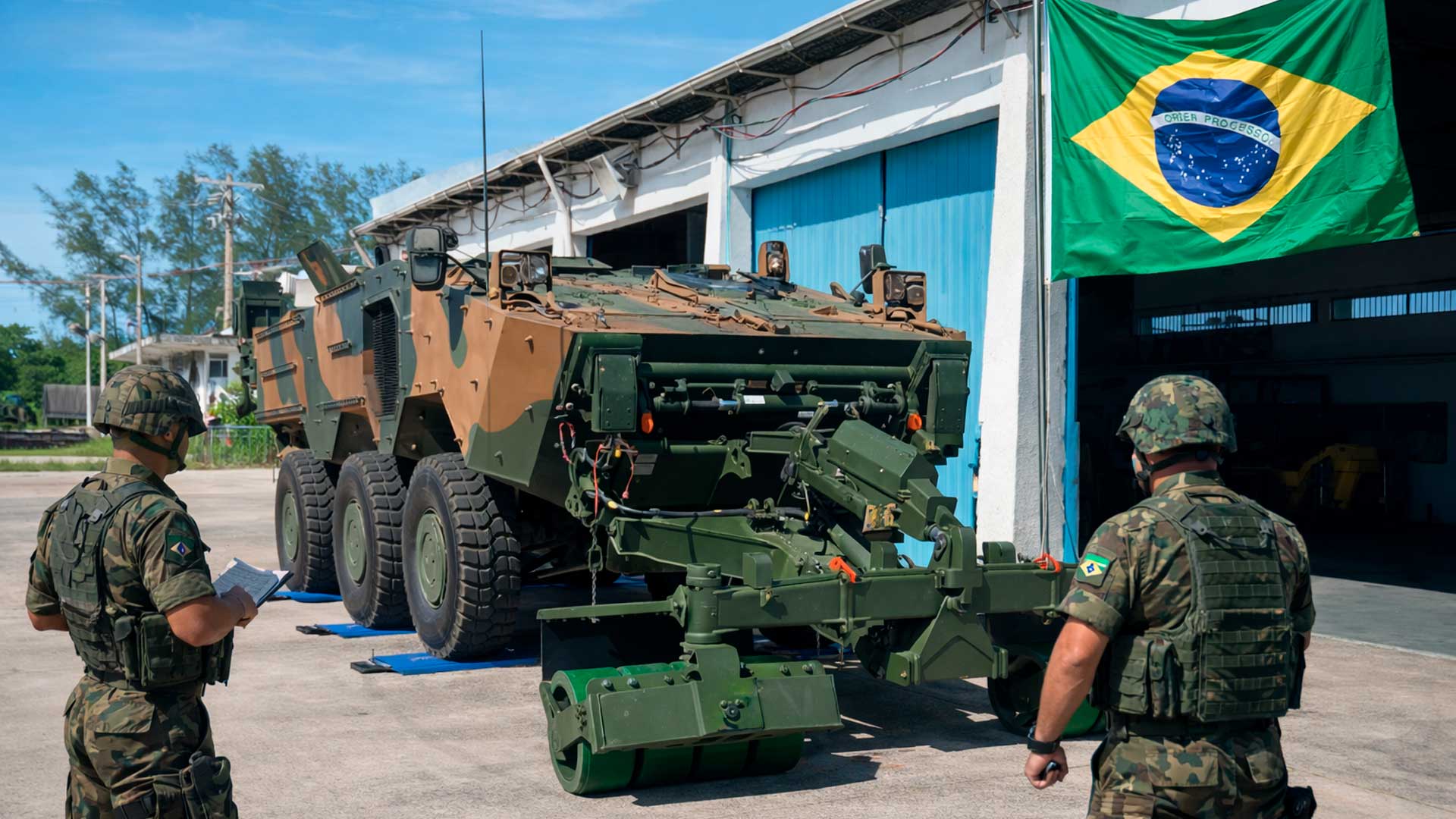
Brazil advances with decisive tests until June, the 6×6 Guarani armored vehicle with engineering equipment enters the most important phase and can enhance the operational capability of the Army.
-
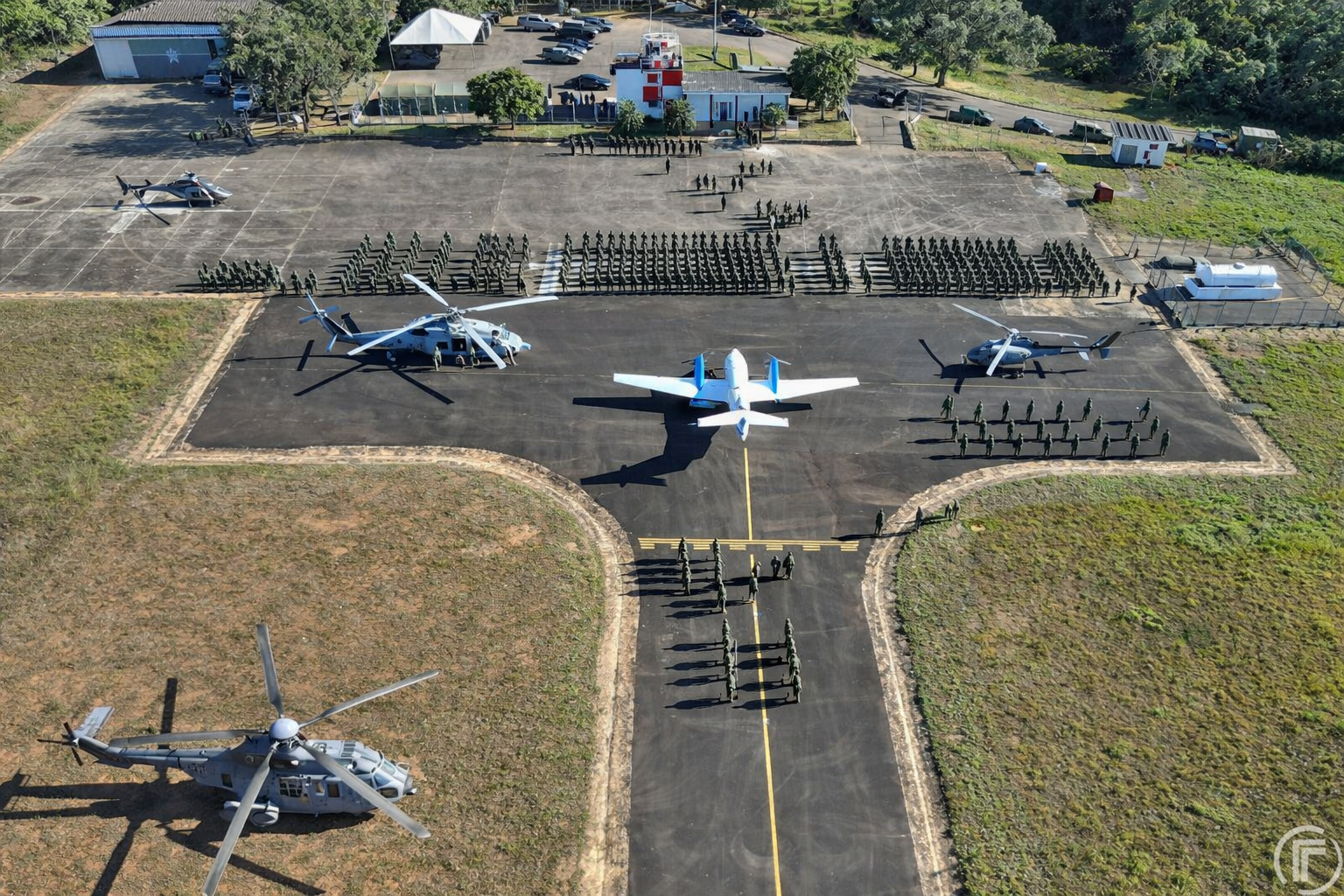
Furnas Airport is handed over to the Navy and becomes a strategic base with complete military operations, attack drones, and international mobilization at Furnas Lake.
-
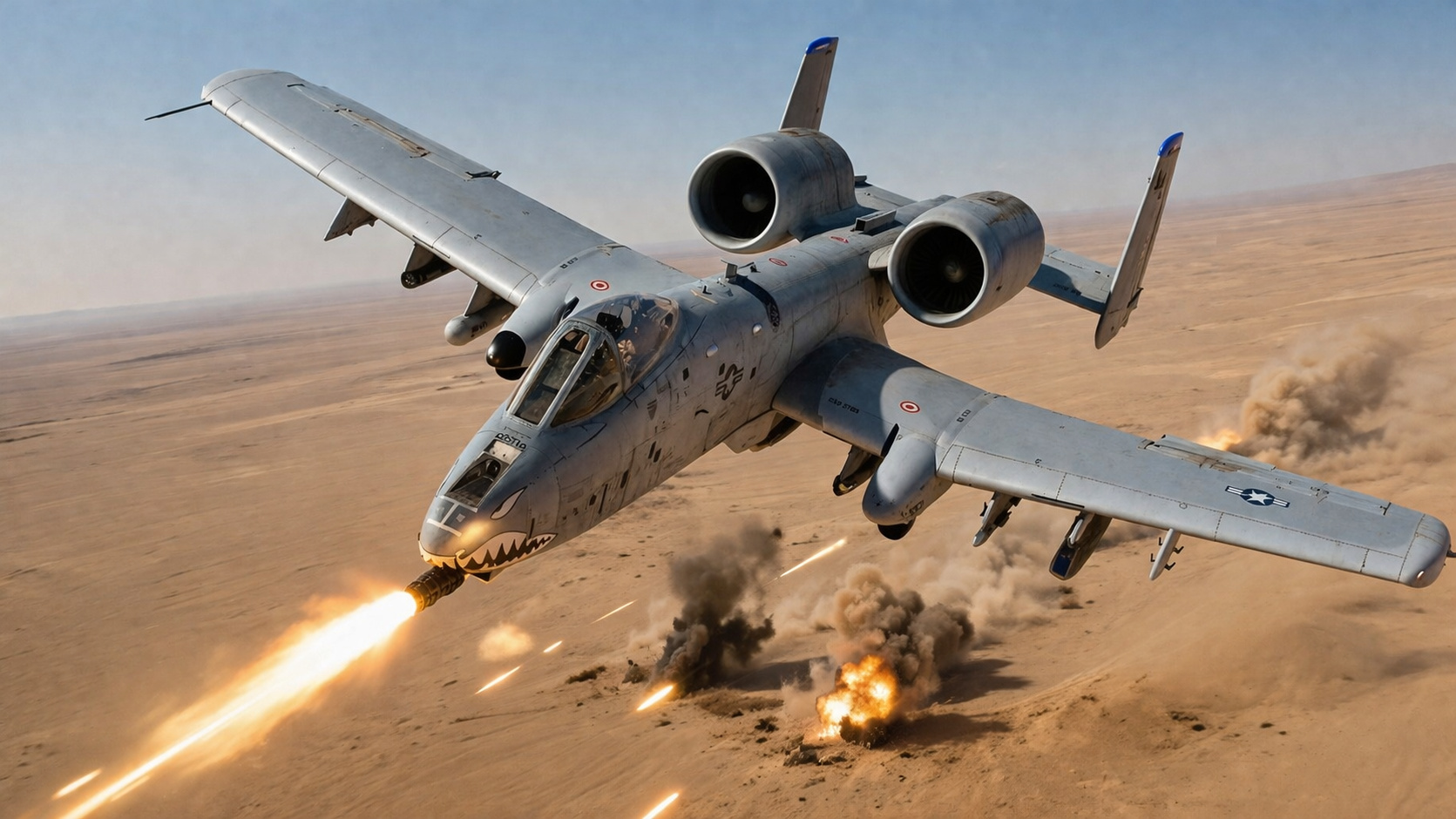
Few people know, but “mega burst” attacks from the A-10 in the Middle East are intriguing analysts and even experienced former pilots of the U.S. Air Force.

Based on previous projects, such as the Exocet, the national system evolved with components and integration developed locally.
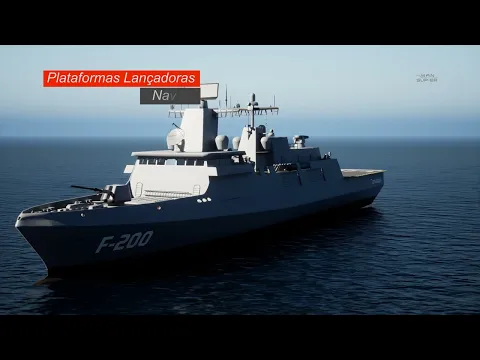

The current version is already considered operational and has been incorporated into the Navy’s fleet, marking an important advance in the country’s industrial capacity.
New air-surface version expands range and flexibility of use
The proposal to create an aircraft-launched version represents a significant leap in the system’s versatility.
When integrated with air platforms, the missile operates with greater strategic range, as it can be launched from more distant positions and with greater mobility.
This allows for targeting both at sea and on land, expanding the role of MANSUP beyond traditional naval combat.
The new configuration also paves the way for integration with different types of aircraft, increasing the range of operational applications.
Advanced guidance allows precision strikes against strategic targets
One of the central points of the MANSUP development is the guidance system. The missile uses technologies that allow trajectory correction during flight and greater impact precision, reducing the margin of error.
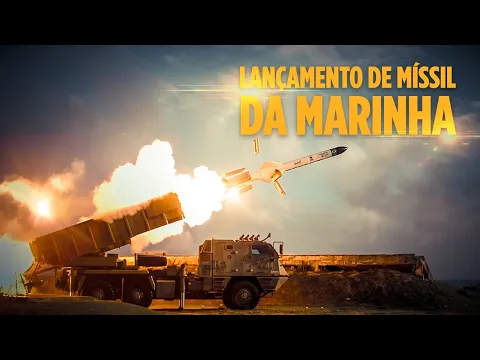
This advanced guidance capability is essential for modern operations, where precision is a critical factor for effectiveness and reducing collateral damage.
Additionally, navigation systems and sensors allow the missile to operate in different scenarios, including environments with electronic interference.
MANSUP-ER version seeks to expand range and operational capacity
Alongside the development of the air version, Brazil is also working on the evolution of the system to the MANSUP-ER (Extended Range) standard.
This variant aims to extend the range and improve the overall performance of the missile. The increase in range is one of the most important factors in the modernization of defense systems, allowing operations at greater distances and greater safety for launch platforms.
The development of MANSUP is part of a broader strategy by Brazil to reduce dependence on foreign technologies in the military sector.
By investing in national projects, the country seeks to ensure greater control over its strategic capabilities.
This autonomy is considered fundamental in scenarios of trade or geopolitical restrictions, where access to external technologies may be limited.
Export potential places Brazilian system in the global market
In addition to internal use, MANSUP was also designed with a focus on the international market. The air-surface version can significantly increase the interest of other countries, especially those seeking cost-competitive solutions.
The global market for tactical missiles generates billions of dollars and is highly competitive, but it also offers opportunities for new suppliers.
Adapting the missile for air launch requires advances in technological integration, including communication systems, control, and compatibility with aircraft.

This process involves not only the development of the missile but also the adaptation of platforms and embedded systems.
This drives different segments of the national defense industry, generating ripple effects in the production chain.
Brazil positions itself among countries that develop missiles independently
Few countries in the world have the capability to develop missiles independently. With MANSUP, Brazil joins this group, alongside nations with a tradition in military technology.
This strategic positioning strengthens the national industry and increases the country’s weight in the international defense scenario. The advancement of MANSUP to an air-surface version represents more than a technological update.
With a range exceeding 200 km, advanced guidance, and precision strike capability, the system points to a new generation of national armaments, with potential use in different scenarios and markets.
By combining technological autonomy, versatility, and export potential, the project reinforces Brazil’s position in a strategic and highly competitive sector, indicating a path of expansion for the defense industry in the coming decades.








Seja o primeiro a reagir!