Portuguese
 Spanish


A CNI survey finds that factories’ willingness to invest has fallen to its lowest level since July 2020. Business leaders also expect demand, exports and employment to decline over the next six months.
Brazilian industry has once again flashed a warning sign not seen since the first months of the Covid-19 pandemic. Companies’ investment intentions fell to 50 points in November 2026, their lowest reading since July 2020, according to the Industrial Survey released by the National Confederation of Industry (CNI), Brazil’s industry association on Tuesday (24).
Investment is not the only concern. For the first time in more than six years, business leaders are simultaneously expecting declines in demand for products, exports, raw-material purchases and employment.
In practice, the survey shows a sector ending 2026 less willing to expand factories, buy equipment or add staff.
-
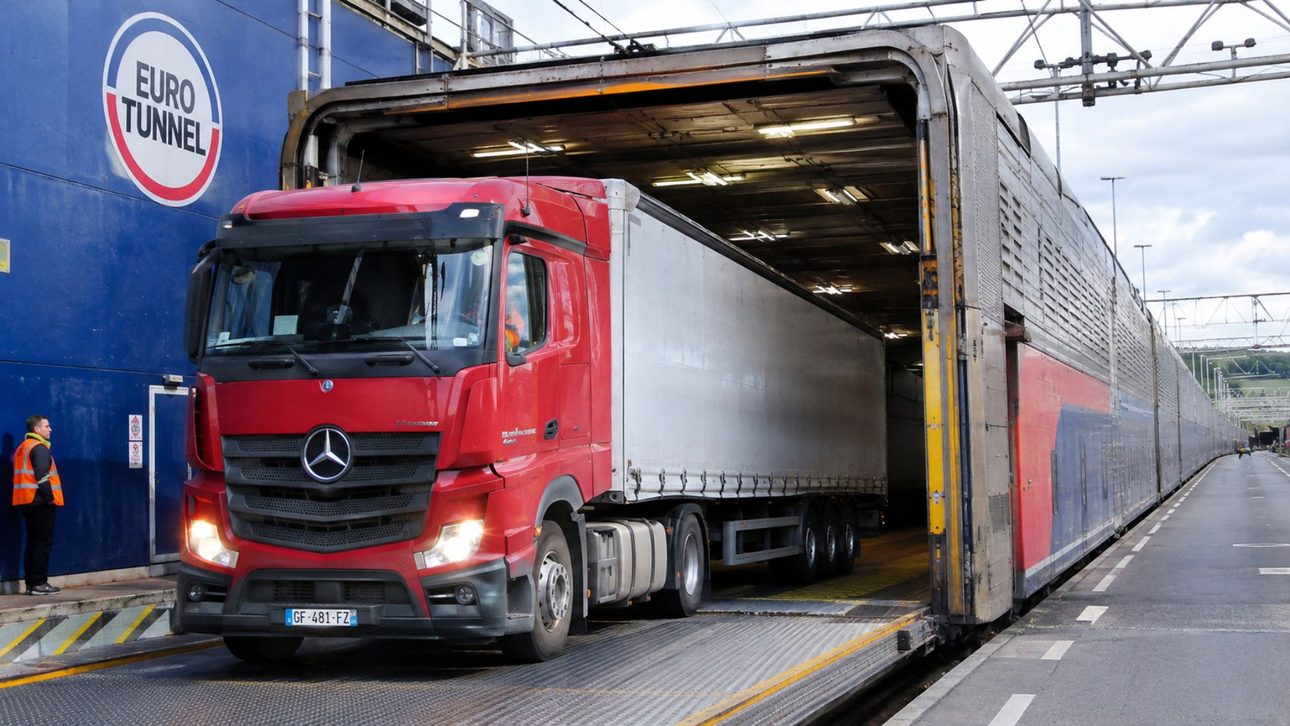
Iron and steel crisis affects nine companies in 68 days, halts plants, cuts production, and results in hundreds of layoffs

-
Mondelēz, maker of Bis, Sonho de Valsa and Ouro Branco, wins approval for R$111.3 million Pernambuco plant expansion projected to create 160 jobs
-
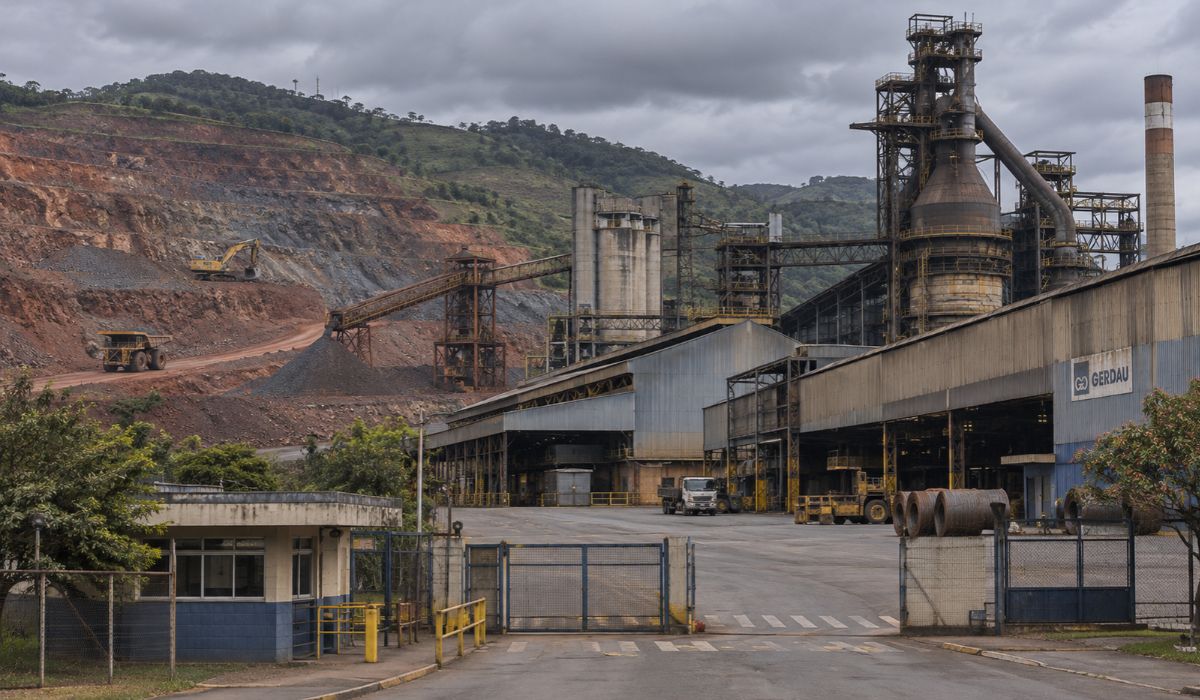
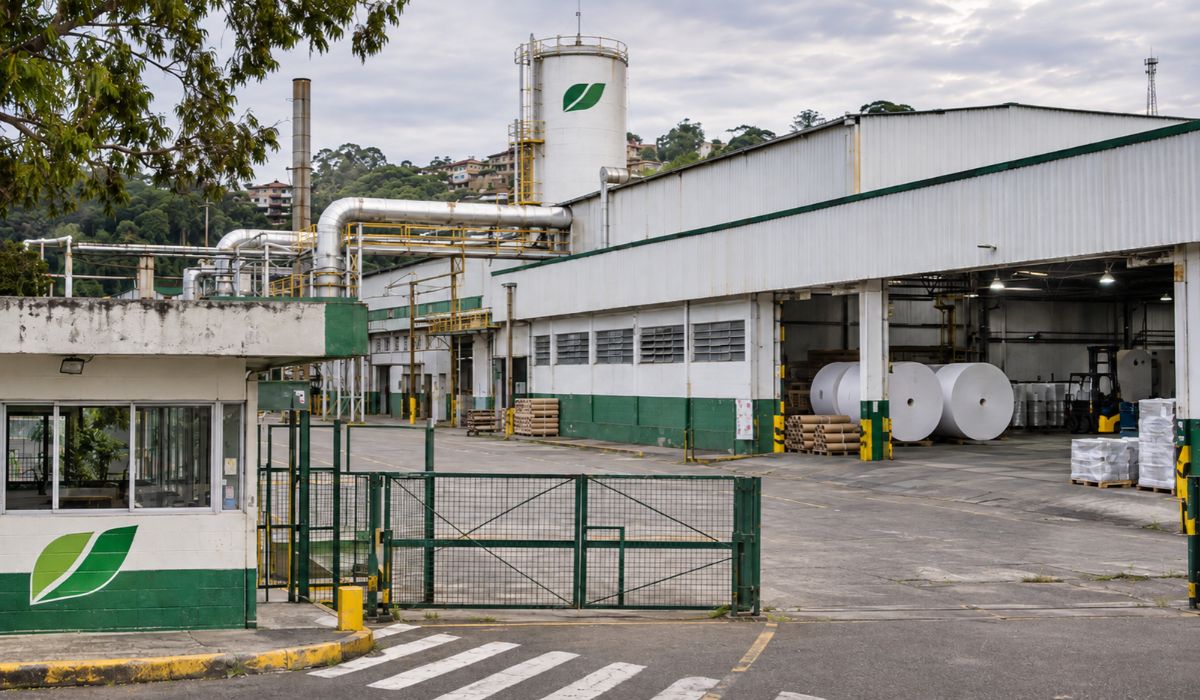
After closing a mill and laying off around 90 workers, Suzano sells Rio Verde plant to Paraíba group planning to restart production
-
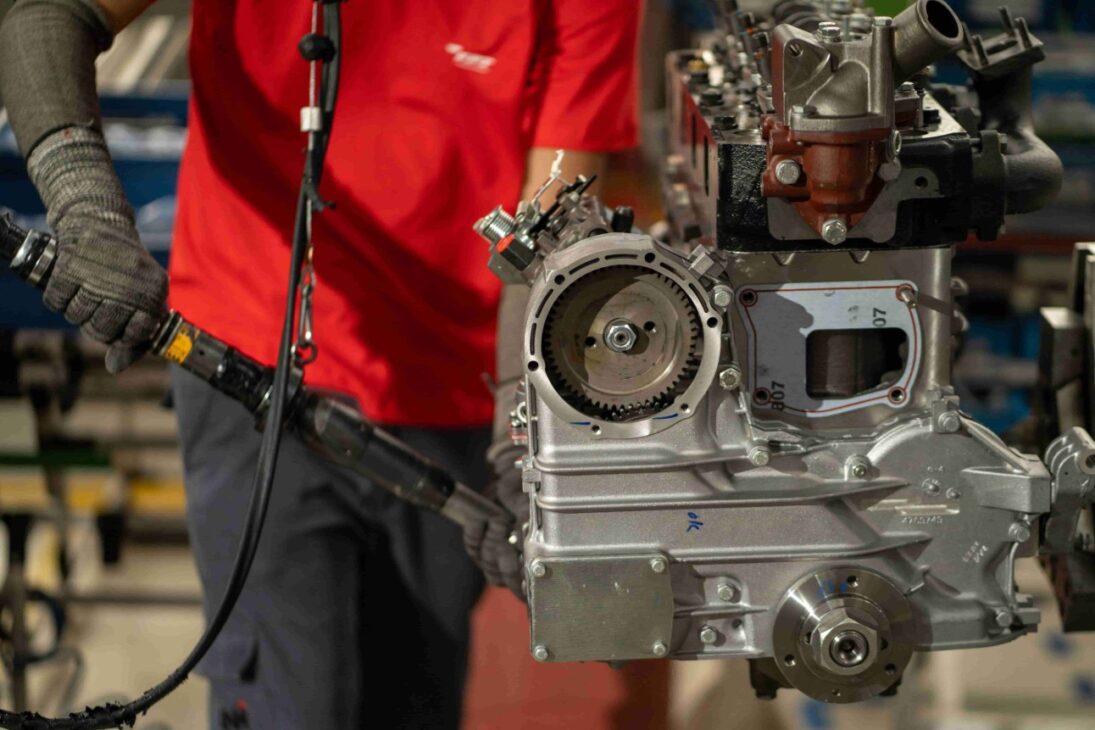
From wheel hubs to transmission housings, Schulz brings four manufacturing stages together in Joinville and has the capacity to cast 165,000 metric tons of parts a year



And the numbers show that pessimism is even more pronounced among small manufacturers.
Investment plans return to their lowest level since July 2020
The investment-intention index fell 2.6 points from October to November, dropping from 52.6 to 50. The decline erased the recovery recorded the previous month and brought the index to its lowest level in more than six years.
It was also the worst reading for a November since 2016.
Under the CNI’s methodology, a higher score indicates a greater willingness among companies to invest. The index does not represent the percentage of business leaders who intend to invest, nor does it measure the amount actually spent at factories.
Even so, its decline shows that expansion plans are losing momentum.
The gap between companies of different sizes helps explain the situation. Among small manufacturers, investment intentions stood at just 36.8 points. The index reached 46.2 for midsize companies, while large companies posted 58.7 points.
In other words, caution is far more pronounced at smaller factories.
These businesses tend to have fewer financing options and are more sensitive to difficulties accessing credit. In October, the CNI itself had reported that financial conditions for small manufacturers had reached their weakest level in five years.
The outlook could make it harder to decide whether to buy machinery, modernize facilities or expand production capacity.
Factories expect lower sales, fewer exports and staff cuts
The decline in investment is accompanied by a significant shift in expectations for the next six months, a period that extends into early 2027.
In November, all four expectations indicators fell below 50 points at the same time for the first time since June 2020, during the early months of the pandemic.
Demand for industrial products saw the steepest drop. The index fell 4.2 points, from 51.5 to 47.3, indicating that business owners began to expect fewer orders and sales.
The outlook for exports also worsened, with the index falling from 49.2 to 46.8 points.
The shift also affected hiring. The employment expectations index fell from 48.7 to 46.7 points, signaling a more widespread intention to reduce staff.
The raw material purchases index fell to 46.7 points, down from 50.4 in October.
All four results point in the same direction: companies are less confident about the need to produce and hire in the coming months.
These indices do not mean that sales and employment are expected to fall by 47% or 46%. They measure business sentiment on a scale of zero to 100, with values below 50 indicating expectations of a contraction.
The survey therefore does not confirm in advance that all of these declines will happen in 2027. It shows what business owners expected when they responded to the survey.
Production is already falling, and inventories are worrying business owners
The slowdown is not limited to forecasts. October data show that factory activity had already been losing momentum.
The industrial production index stood at 46.8 points, virtually unchanged from 46.7 in September.
Because it remained below 50, the index shows that companies reported lower production than in the previous month.
The result stands out because October is usually a busier month for industry. Since the historical series began in 2010, the index had fallen below 50 in October only four times before.
Employment also felt the effects. The index tracking changes in the number of workers came in at 47.4 points, below the historical October average of 49.1.
Another sign of strain emerged inside the factories themselves.
The actual-to-planned inventory index reached 50.9 points, its highest reading since October 2023. This indicates that, across the surveyed industry as a whole, business leaders reported holding more products in storage than they considered appropriate.
When production fails to find buyers at the expected pace, increasing output may no longer be a priority. A company may choose to reduce orders for inputs and postpone buying new equipment while it tries to bring inventories down.
Capacity utilization remained at 70% in October, one percentage point below the historical average for the month.
Small manufacturers face greater hurdles to investing
The gap between indicators for small and large companies shows how the slowdown can affect different parts of the sector in different ways.
For a smaller manufacturer, investing in a new machine means committing resources that could otherwise be used to maintain inventories, pay suppliers or finance day-to-day operations.
That pressure grows when production costs rise and access to credit becomes more difficult.
In a separate survey released by CNI, Brazil’s National Confederation of Industry, in August, 61% of companies that had purchased new machinery and equipment cited economic uncertainty as one of the main obstacles to investment. Revenue declines and tax-related difficulties were also among the most frequently cited hurdles.


Marcelo Azevedo, CNI’s economic analysis manager, said that weaker activity in recent months had contributed to negative expectations and reduced business leaders’ willingness to invest.
The outlook also raises concerns about the start of 2027: if demand remains weak, new industrial expansions and hiring could be postponed.
But the results do not support the conclusion that actual investment will fall across the board or that companies will make layoffs across the industry.
The Industrial Survey polled 1,344 manufacturers from November 3 to 12, 2026: 563 small, 465 medium-sized and 316 large. The survey tracks business activity and expectations each month, making it possible to assess whether the deterioration seen in November will continue in the months ahead.