






 Portuguese
  Spanish
  4 min of reading
  0 comments


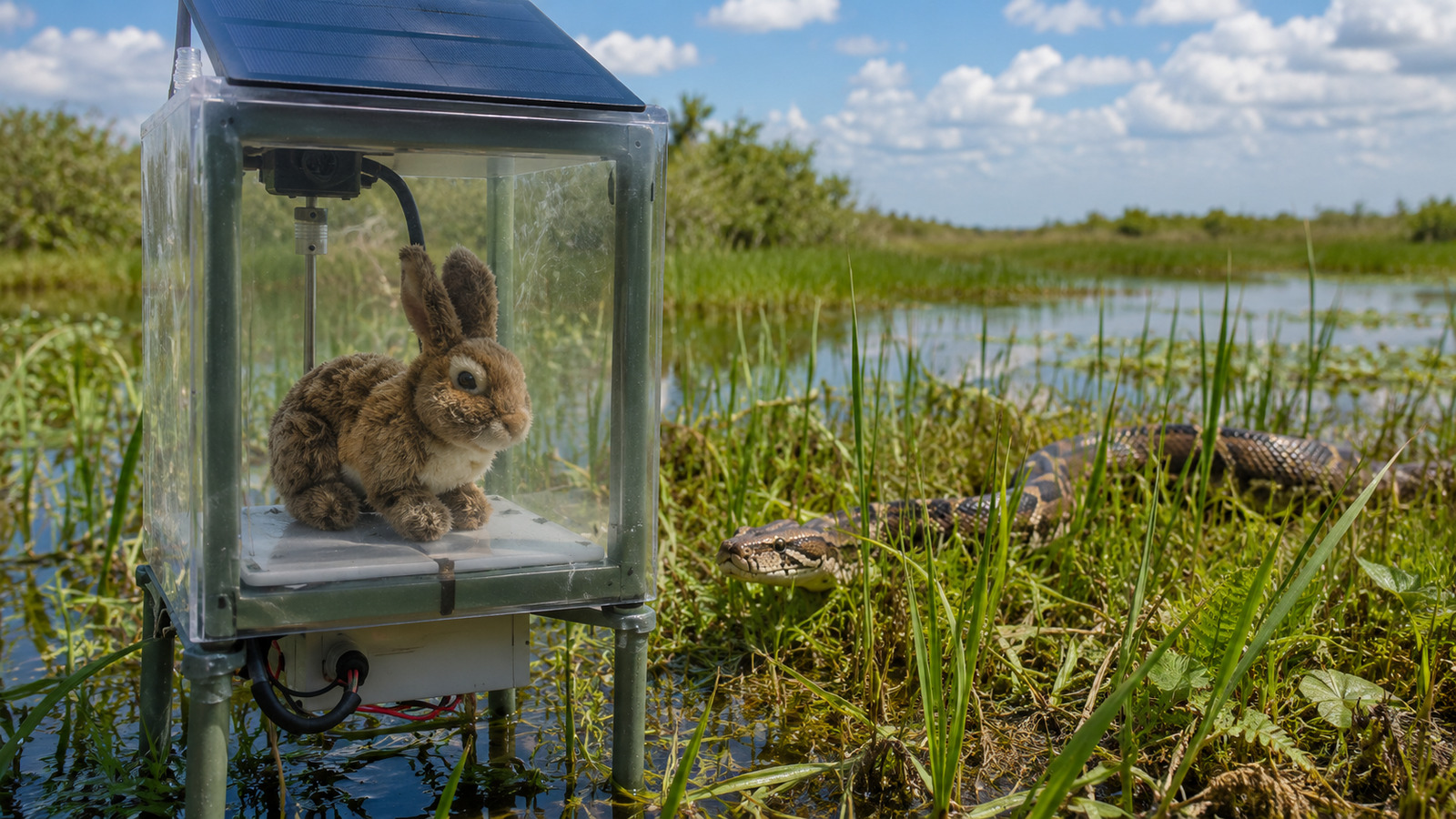
Equipped with cameras, sensors, and computer vision, the devices simulate prey, record suspicious movements, and guide removal teams in areas where dense vegetation, mud, and low visibility make it difficult to locate the snakes
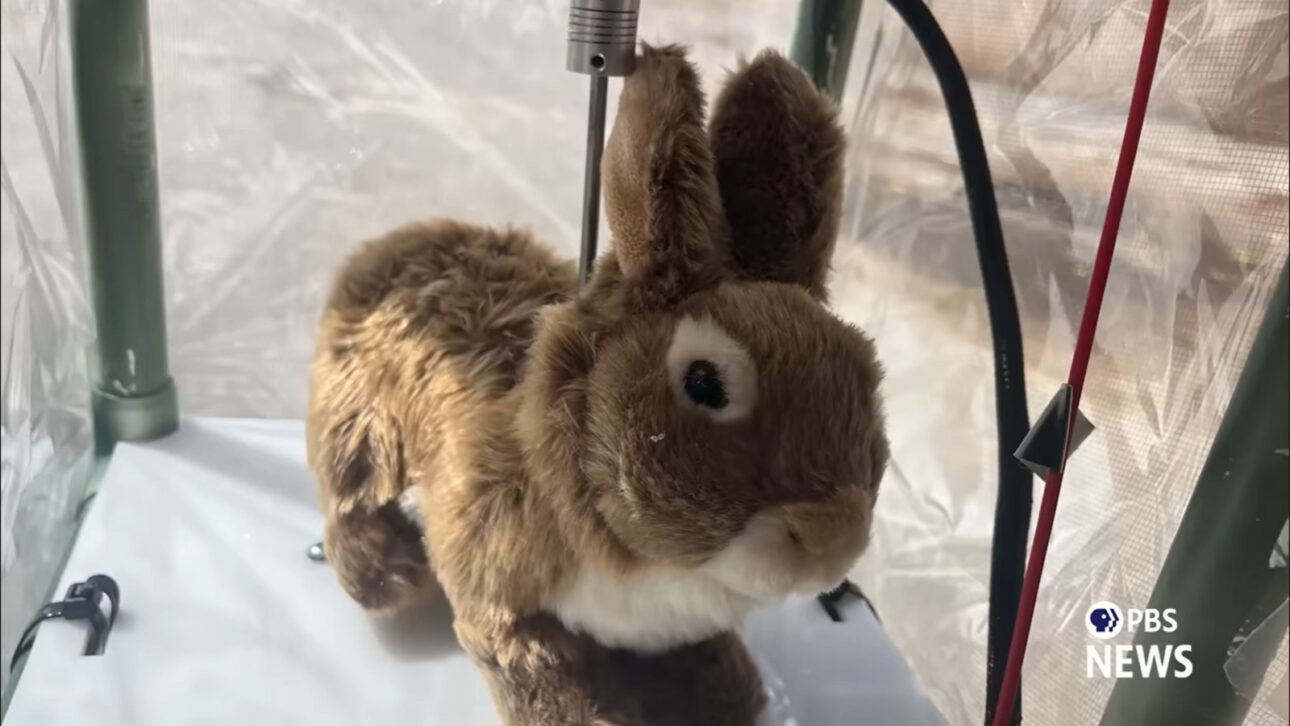
Robotic rabbits equipped with sensors, cameras, and artificial intelligence have been integrated into the monitoring of invasive pythons in the Everglades, in southern Florida. The technology simulates prey and directs teams to areas with possible snakes, reducing random searches in an environment marked by water, mud, heat, and dense vegetation.


Robotic rabbits function as technological baits
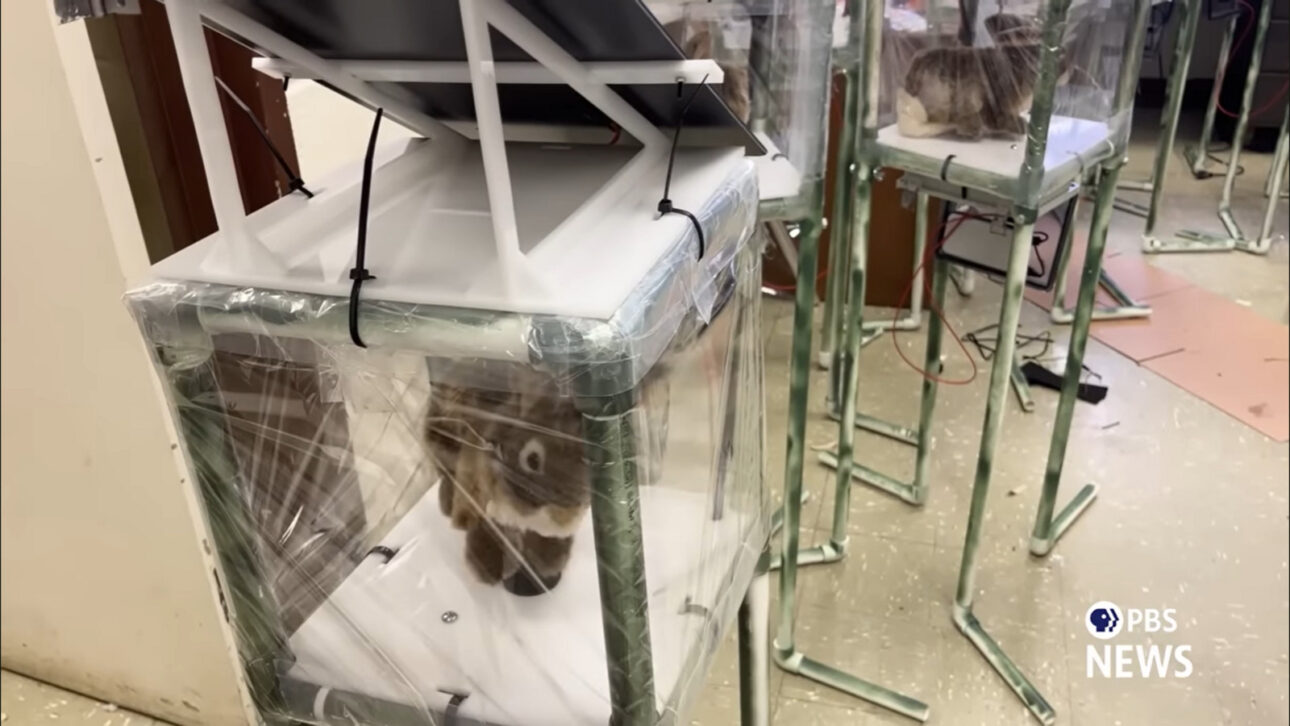
The devices were developed to mimic stimuli capable of attracting predators. While operating in the swamp, cameras and sensors record movements and approaches that may indicate the presence of Burmese pythons.
Computer vision systems analyze the captured images and look for suspicious behaviors, shapes, and movements. The proposal is to transform scattered records into alerts capable of guiding fieldwork.
-
Engineers in Brazil deploy a robot dog to enter pipelines of a R$ 134.7 million project, facing mud, sand, humidity, and toxic gases, and send data in real-time without exposing workers.

-
Brazilian family creates machine that transforms seawater into fresh water, produces up to 130 liters per hour, facilitates routine on vessels, and boosts family business along the country’s coast.
-
A doctor from Minas Gerais warns that sleeping with the fan pointed at the body all night is not as harmless as you think; it dries out the respiratory tract, causes mucus buildup, spreads dust mites, and can even irritate the cornea of the eyes.

-
Ecuadorian volcano at 6,268 meters is more than 2,000 meters closer to space than Everest, which is 8,848 meters, because the Earth is wider at the equator.



Instead of patrolling large areas without a defined location, teams can focus efforts on points where the equipment has identified relevant signs. This helps reduce the time spent on random searches through the marsh.
The technology also allows for the accumulation of images on snake behavior. These records can be used in the training of recognition algorithms and in identifying areas with higher circulation of invasive pythons.
Artificial intelligence, however, does not replace biologists, managers, or authorized hunters. Its function is to support surveillance, organize information, and indicate locations where a human response may be more efficient.
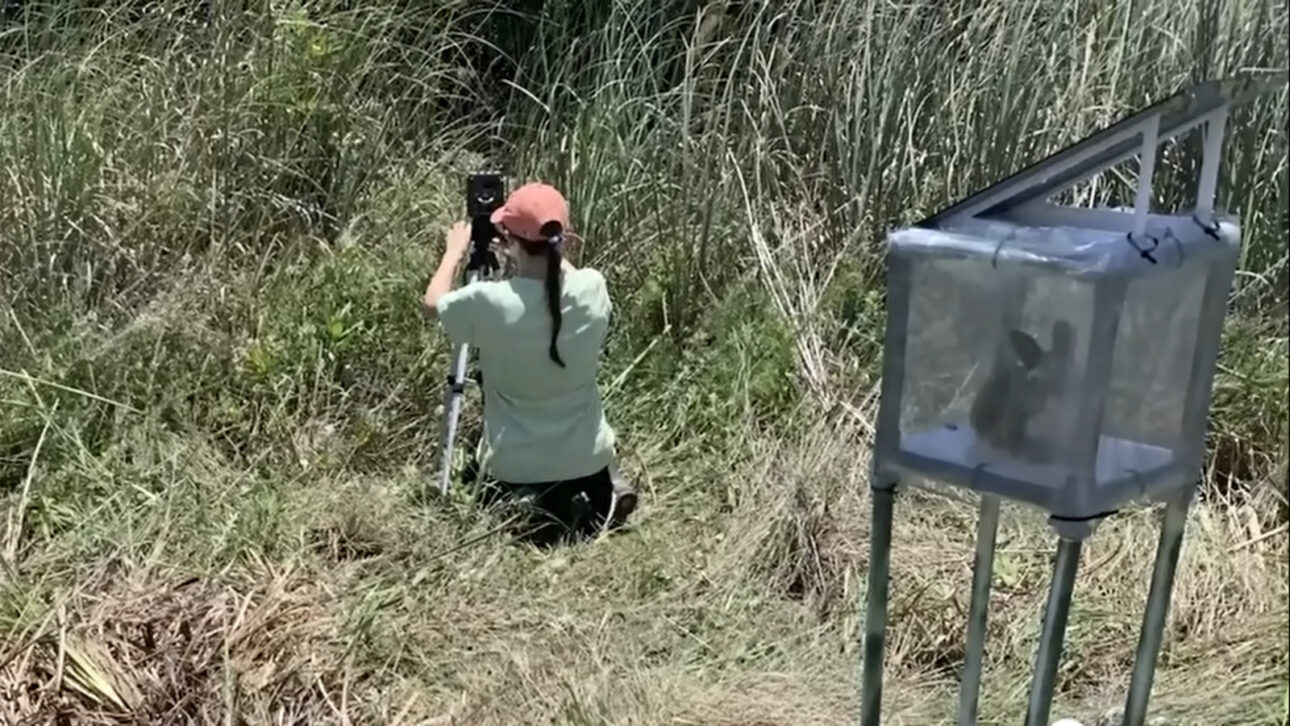
Environment makes it difficult to locate invasive pythons
The Everglades form a mosaic of shallow water, channels, banks, islands of vegetation, mud, and flooded areas. The low visibility and vast extent of the territory make it difficult to directly detect hidden animals.
The invasive pythons have adapted to the humid environment of southern Florida and have begun to occupy different parts of this system. The dense vegetation and dispersed distribution of fauna reduce the efficiency of isolated human observation.
When monitoring relies solely on manual capture, the work requires more time, resources, and travel. Spatial coverage is also limited, especially in remote or hard-to-access locations.
Automated equipment can remain at strategic points and maintain observation for extended periods.
Expected benefits include continuous monitoring, rapid image screening, and more targeted use of removal teams.
Night operation is another relevant front. Sensors, motion analysis, visual context, and heat records can help identify predatory activities at times when direct observation becomes even more complicated.
Decline of Mammals Reinforces Urgency of Control
The development of these tools is linked to the impacts of pythons on the Everglades fauna. The snakes pressure populations of mammals, birds, and other vertebrates present in the ecosystem.
The study “Severe mammal declines coincide with proliferation of invasive Burmese pythons in Everglades National Park,” published in the journal Proceedings of the National Academy of Sciences, linked the proliferation of Burmese pythons to severe declines of mammals in the park.
The work identified a strong decline of native species observed in surveys conducted on roads. The results show that the problem is not limited to the presence of large snakes, as it involves broader changes in the food chain.
An exotic predator that finds shelter, vulnerable prey, and few barriers can affect different parts of the ecosystem. Therefore, monitoring seeks to locate the animals before new predation episodes occur.
Robotic Rabbits Face Limits in the Swamp
The Everglades environment also poses obstacles to equipment. Humidity, extreme heat, rain, organic dirt, and dense vegetation can reduce the performance of cameras, sensors, and communication systems.
Other species may approach the baits and generate false positives. Furthermore, not all pythons respond to the same stimuli, at the same time, season, or type of habitat.
A technical summary presented at a University of Florida IFAS conference in 2024 showed that object detection algorithms and camera traps were already being evaluated to locate pythons in the Everglades.
This operational base reinforces the use of artificial intelligence in conjunction with robotic baits. The strategy, however, needs to work alongside telemetry, spatial analysis, camera traps, and human removal.
The value of robotic rabbits lies in the possibility of converting difficult and scattered observations into useful information for management. The precision, equipment resilience, and validation on a larger scale will determine their contribution to the surveillance of invasive pythons.
This article was prepared based on the provided material, the study published in the Proceedings of the National Academy of Sciences, and the technical summary presented by the University of Florida IFAS in 2024, with data, numbers, and information preserved as per the consulted content.


Be the first to react!