





 Portuguese
  English
  Spanish
  3 min of reading


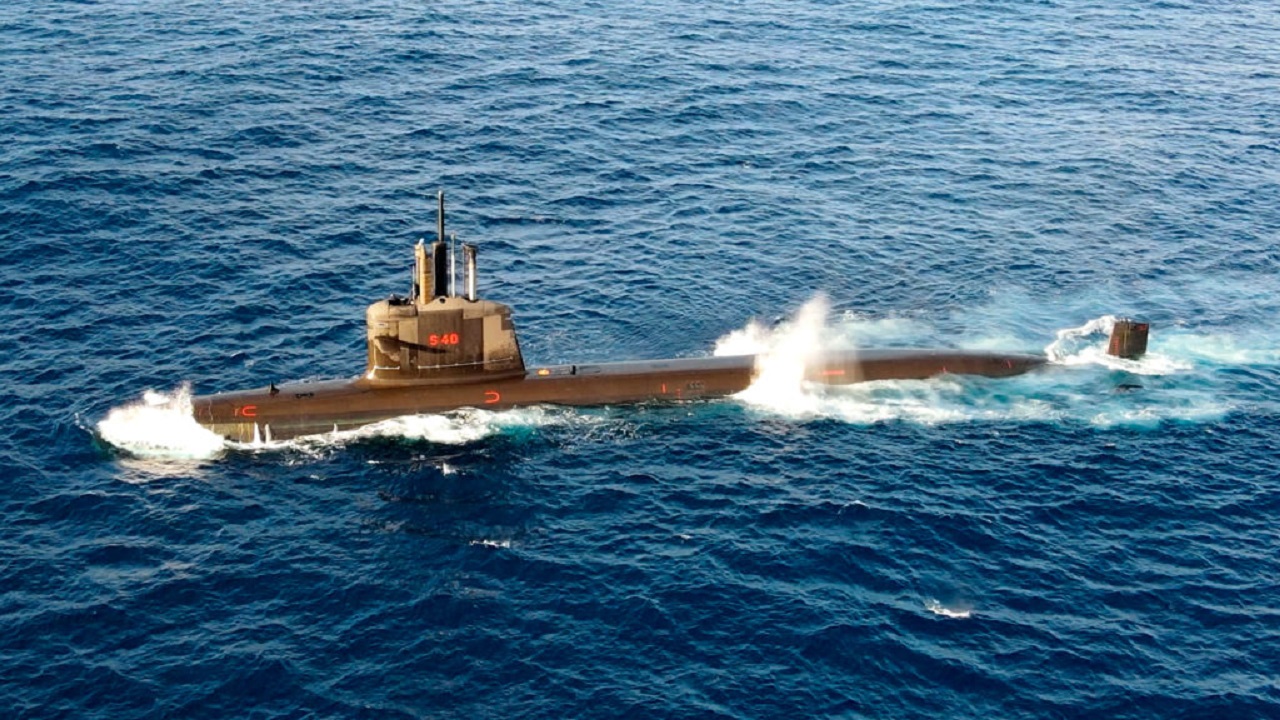
Working On The Renewal Of The Submarine Fleet In The Country – The Brazilian Navy Managed To Develop The First Submarine Engine Using Nuclear Technology. The Model Has A Range Of 7 Years
In the interior of São Paulo, the Brazilian Navy is preparing tests for the first submarine that will use an engine powered by nuclear technology. The technology was entirely developed on national territory and is part of the project to renew Brazil’s submarine fleet. The nuclear technology engine is being assembled at the Navy’s Technological Center in Iperó, 125 kilometers from the capital of São Paulo.
Read Also
Development Of The First Submarine To Use Nuclear Technology On Brazilian Soil
-
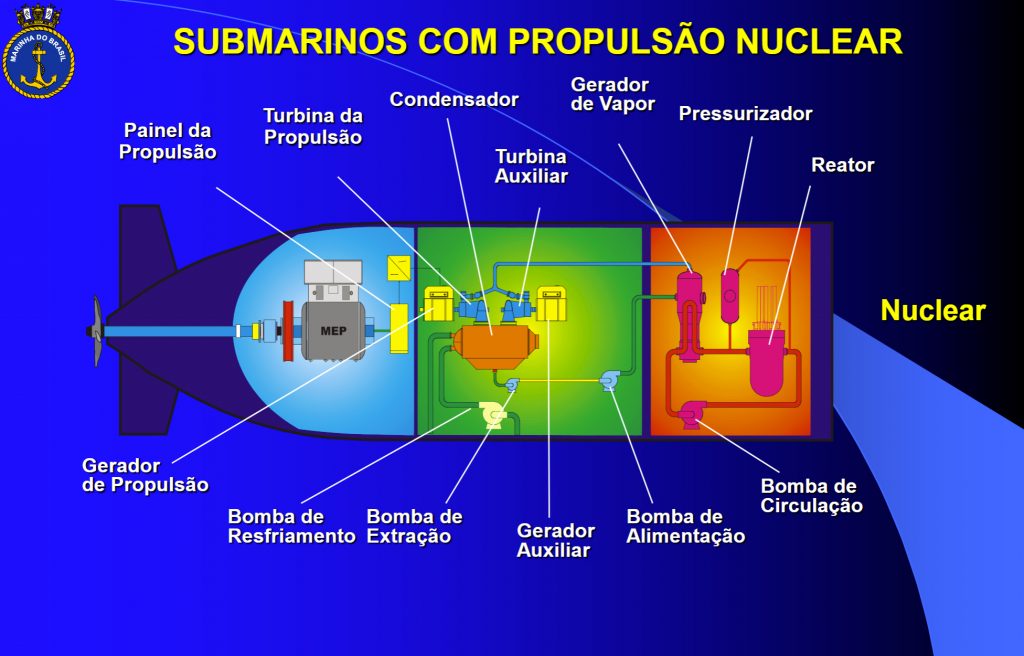
Nuclear Propulsion Detailed – Naval Power -
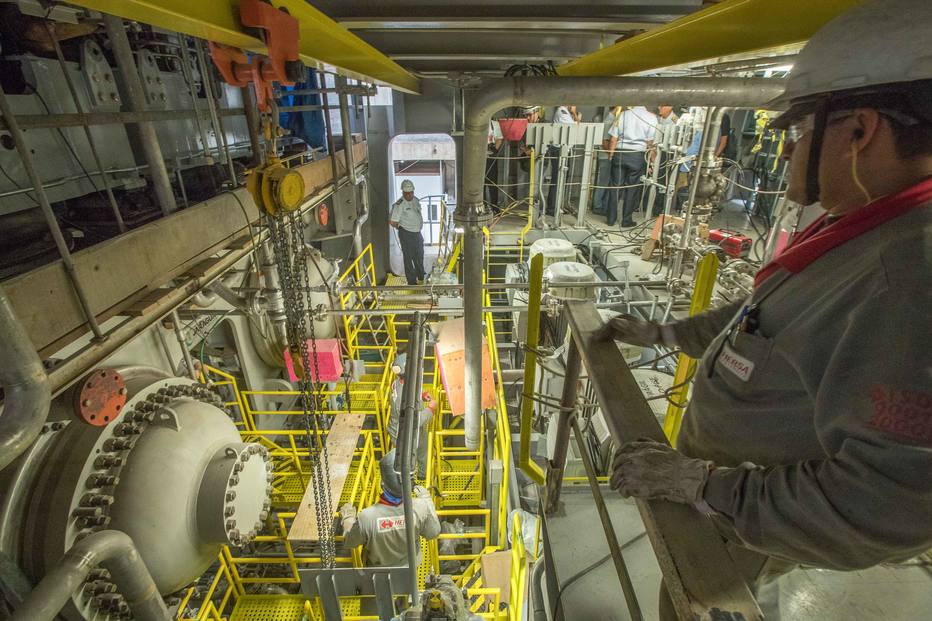
Men Working In The Turbo Generator Compartment Of The Nuclear Submarine Prototype On Land In A Building Under Construction At LABGENE In The Aramar Experimental Center In Iperó, São Paulo’s Interior. – PHOTO: DANIEL TEIXEIRA/ESTADAO -
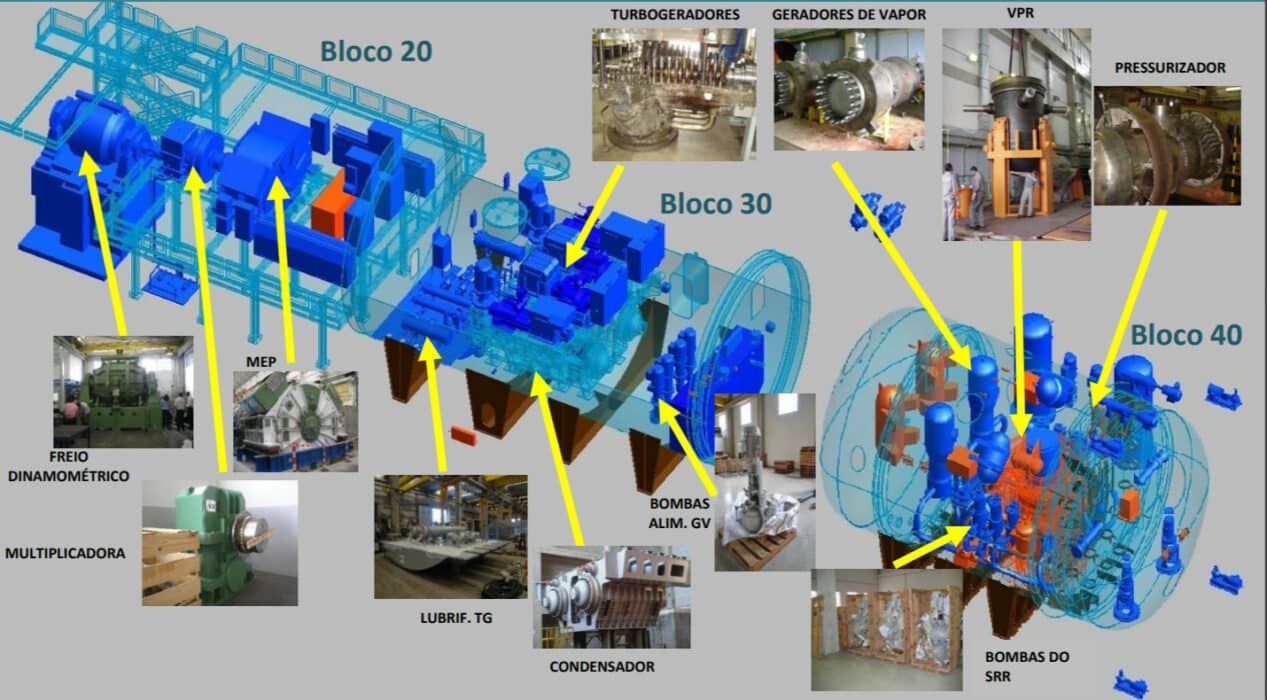
LABGENE And Its Equipment – Photo: Naval Power -
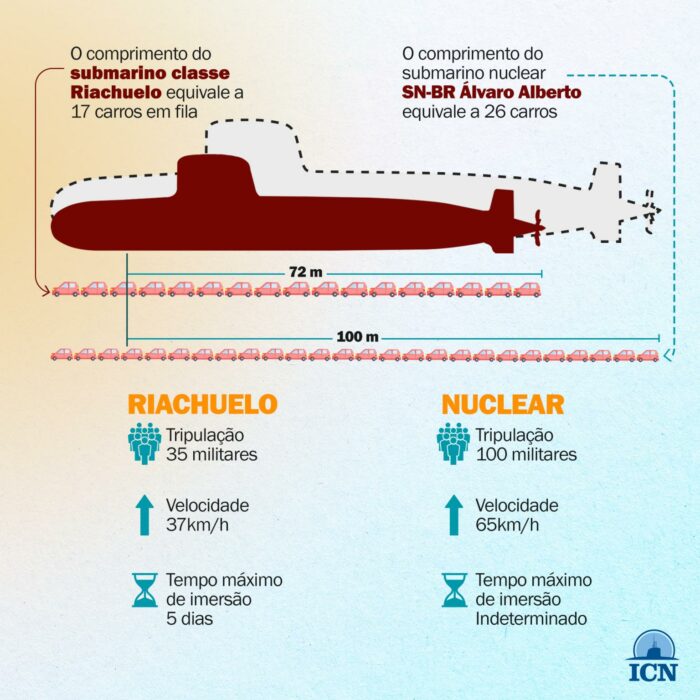
Difference Between Nuclear And Conventional Technology – Credits: Naval Power
The engine is a technology mastered by only six countries in the world: the United States, the United Kingdom, Russia, France, India, and China. In Brazil, it has been received in an unprecedented manner. Everything is being developed with great secrecy.
The Director of the Nuclear Industrial Center of Aramar, Commander Luís Cláudio Farina, emphasized that the secrecy of the project is to ensure greater security for the nuclear-powered submarine and the knowledge generated. According to the director, the mission is to ensure that this knowledge remains within the Brazilian Navy and is not diverted for projects that are not for peaceful purposes.
-
With 74% of companies facing difficulties in hiring, technicians and engineers in renewable energy are becoming scarce in Brazil and are essential to support the expansion of solar, wind, and green hydrogen projects.

-
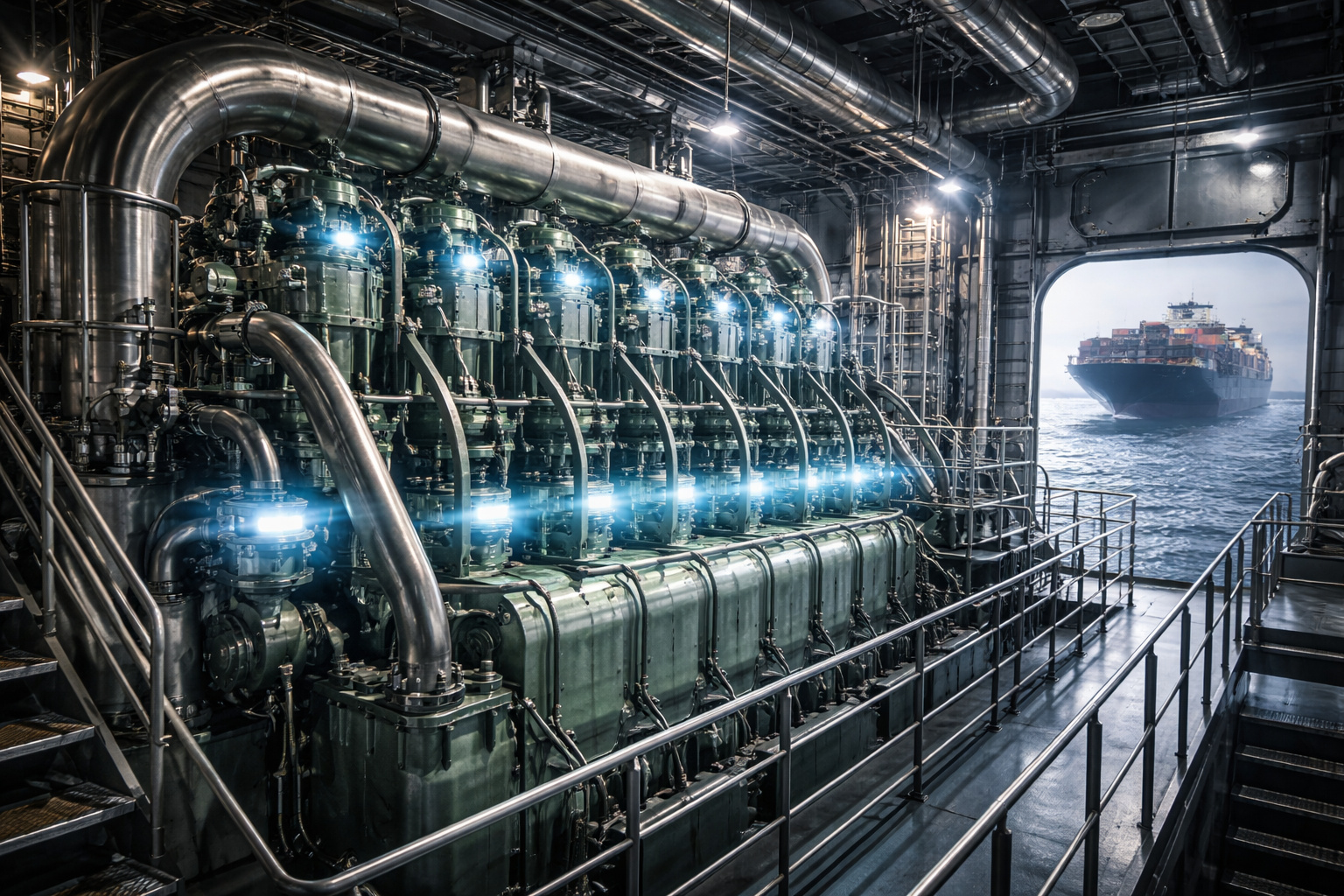
Europe is trying to create an ammonia-powered marine engine without auxiliary fuel, which could unlock the race for giant emission-free ships. The technology aims to eliminate one of the biggest obstacles to clean maritime propulsion.
-
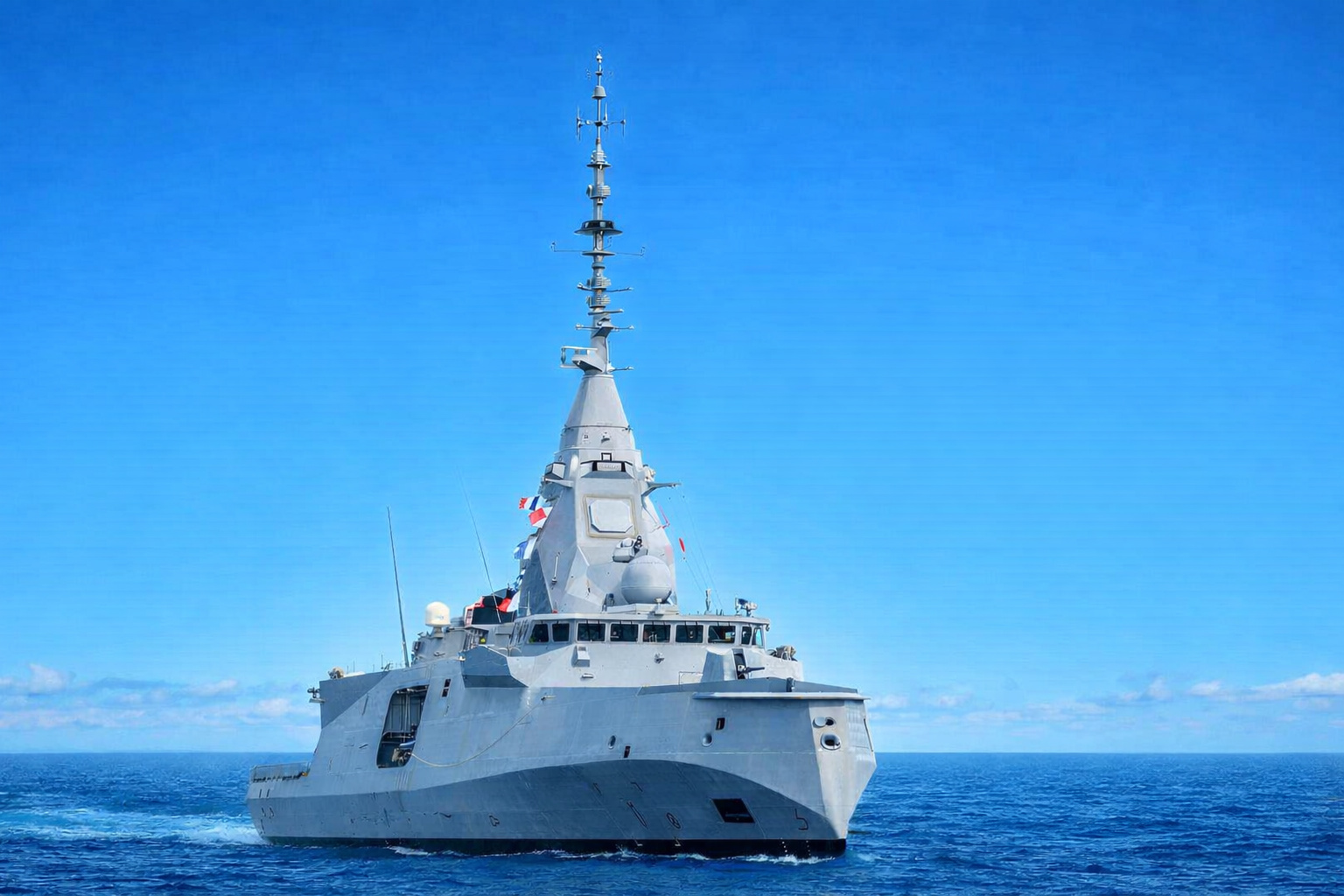
A 4,500-ton frigate with just over 100 crew members, state-of-the-art radar, and cruise missiles is being touted as the new standard of naval warfare in the 21st century.
-
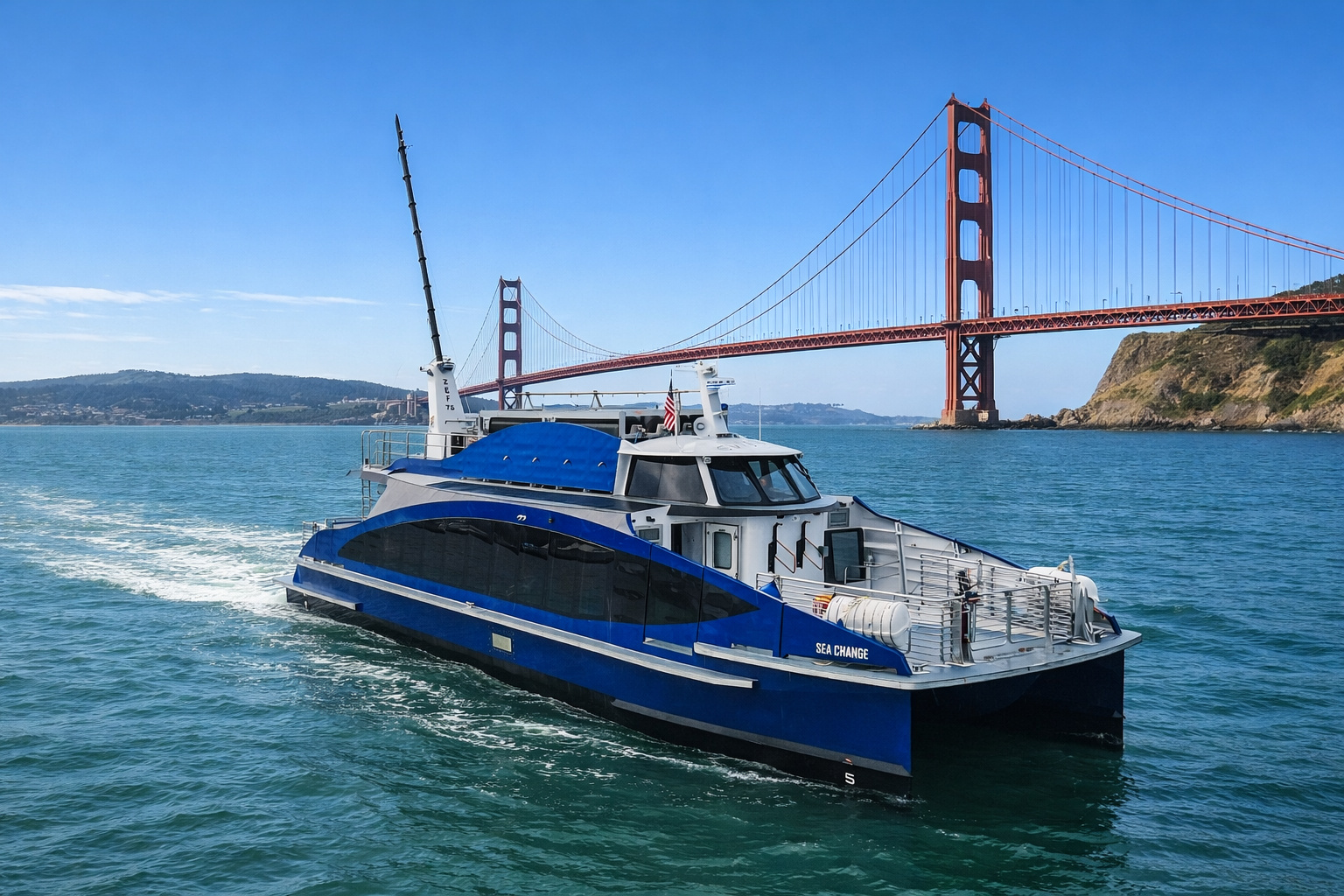
The first commercial hydrogen-powered ferry enters operation in the U.S., eliminates the use of diesel, uses fuel cells to generate clean energy on board, and transforms San Francisco Bay into a landmark of the new era of emission-free navigation.

Everything is created at full scale so that it is possible to simulate reactor operations and make necessary modifications before the engineers install it permanently. At the Technological Center of the Brazilian Navy, the equipment also monitors the radioactivity of nuclear technology, which is harmful to the human body. Thus, safety tests are essential.
First Nuclear-Powered Engine Will Go Into Operation This Year
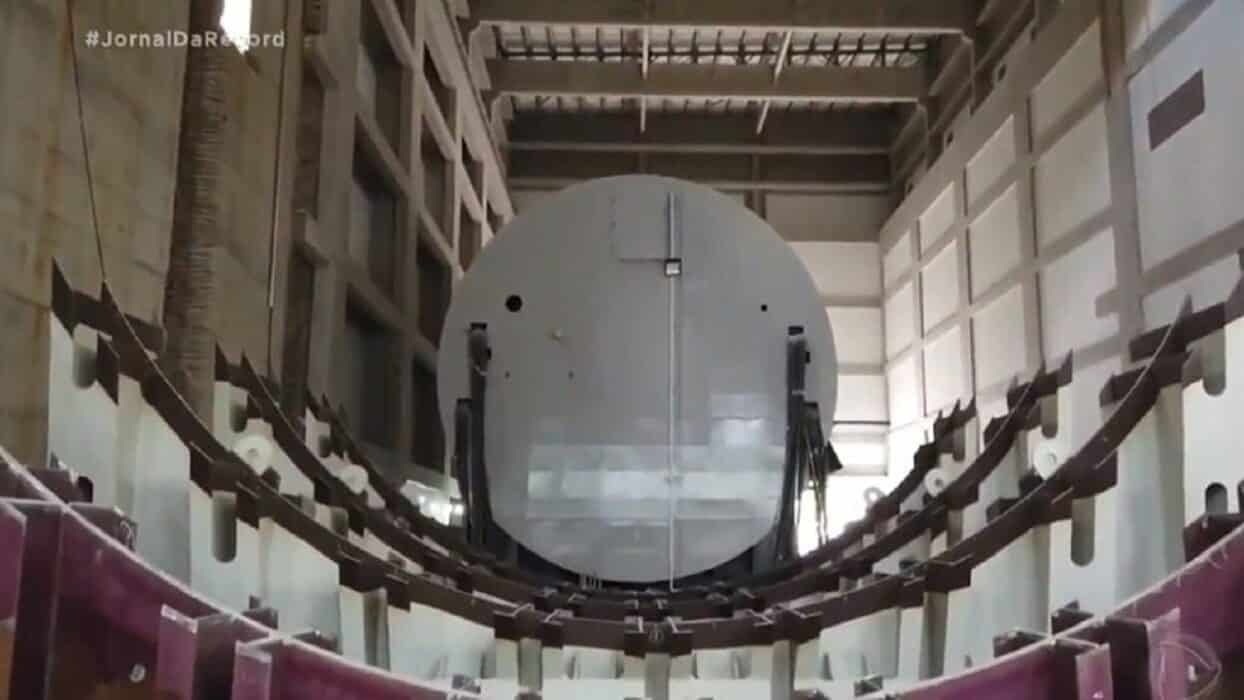
According to the vice director of the technological center, Salvador Ramos, it would be unacceptable for performance tests, under adverse conditions, to be conducted at sea, as anything going out of control would endanger the crew’s lives.
All emergency situations will be tested and validated before the system is installed on the submarine, already knowing how it operates and its capacity to control such technology. Previously, the project faced a deadlock, as no country provides such fuel for this purpose. The challenge has been overcome by the Nuclear Industrial Center of the Brazilian Navy, which currently masters uranium enrichment.
Part of the manufacturing unit is under construction and should start operations in up to four years. The technology will be implemented in the last of the five submarines being developed in Rio de Janeiro. The first nuclear-powered engine is expected to begin operations in a submarine later this year. Deliveries will extend until 2034.
How Does A Conventional Submarine Work?
In a conventional submarine, the batteries are charged using diesel-powered generators; however, the endurance can last only 45 days. With nuclear energy, the endurance extends to seven years.
In total, it provides 48 MW of power, meaning a nuclear submarine reactor could illuminate a city of 20,000 people. Submarines serve to ensure the safety of the entire national coastline for the Brazilian Navy.
Approximately 95% of foreign trade and a significant portion of oil and natural gas consumed in the country pass through the “Blue Amazon.”








Seja o primeiro a reagir!