





 Portuguese
  English
  Spanish
  5 min of reading
  0 comments


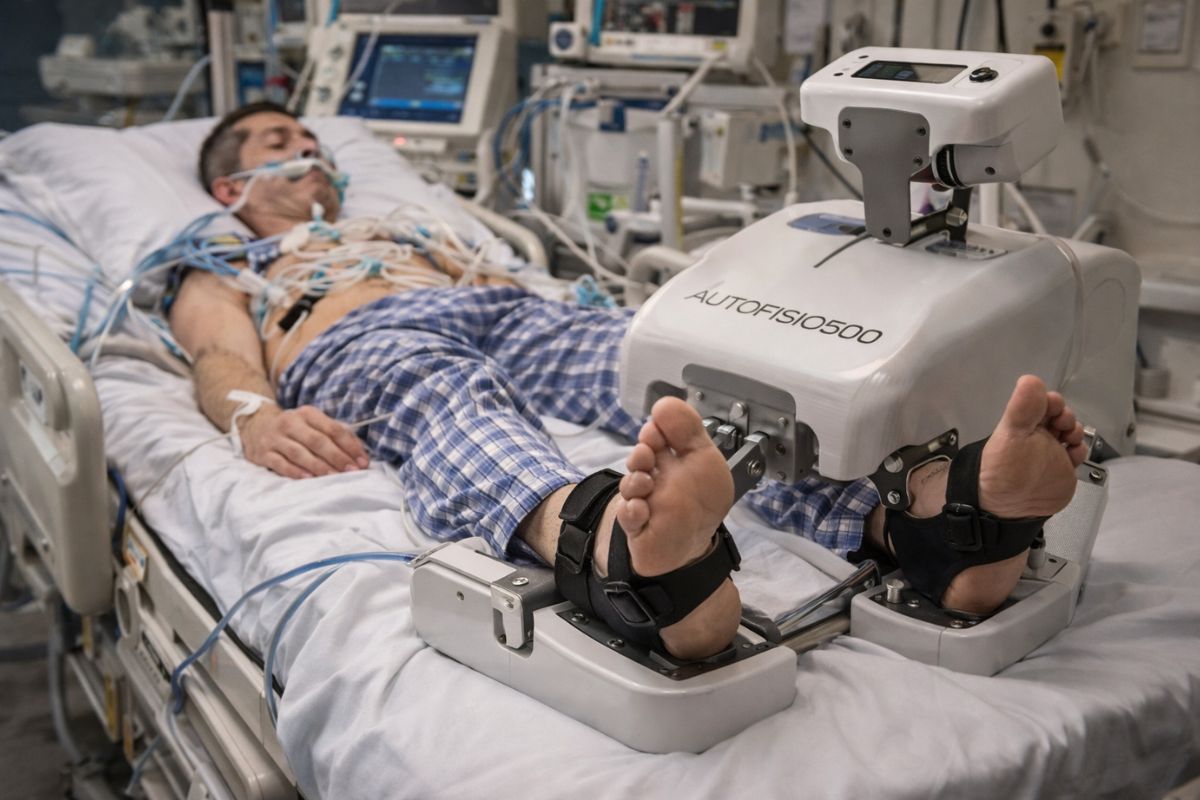
Brazilian researchers from the University of Caxias do Sul developed the Autofisio 500, a kinesthetic therapy equipment that automatically reproduces the movements of walking in bedridden patients in the ICU. With an estimated cost between R$ 15 thousand and R$ 20 thousand, the device costs up to 10 times less than similar imported technologies and can be included in the SUS.
Brazilian researchers from the University of Caxias do Sul have just presented a solution that can transform the rehabilitation of critically ill patients in ICUs across the country. The equipment is called Autofisio 500 and does something that seems simple, but has a huge impact: it automatically simulates the walking movements in the legs of bedridden patients, even those who are sedated or completely immobilized. The device keeps the body active without requiring any effort from the patient, preserving muscles, circulation, and basic functions during the most critical period of hospitalization.
But the detail that places this invention on another level is the cost. The Autofisio 500 has an estimated price between R$ 15 thousand and R$ 20 thousand, making it up to 10 times cheaper than imported equipment with similar functions. This price makes the device viable for public hospitals and paves the way for its inclusion in the SUS. In a scenario where the lack of physiotherapists in the ICU is a chronic reality, having a low-cost automatic device can be the difference between a quick recovery and a prolonged hospitalization.
What happens to the body of an immobilized patient in the ICU
The Intensive Care Unit is the hospital ward of greatest complexity, intended for severely ill patients who need constant monitoring. Inside, the battle for life goes far beyond machines and medications.
-
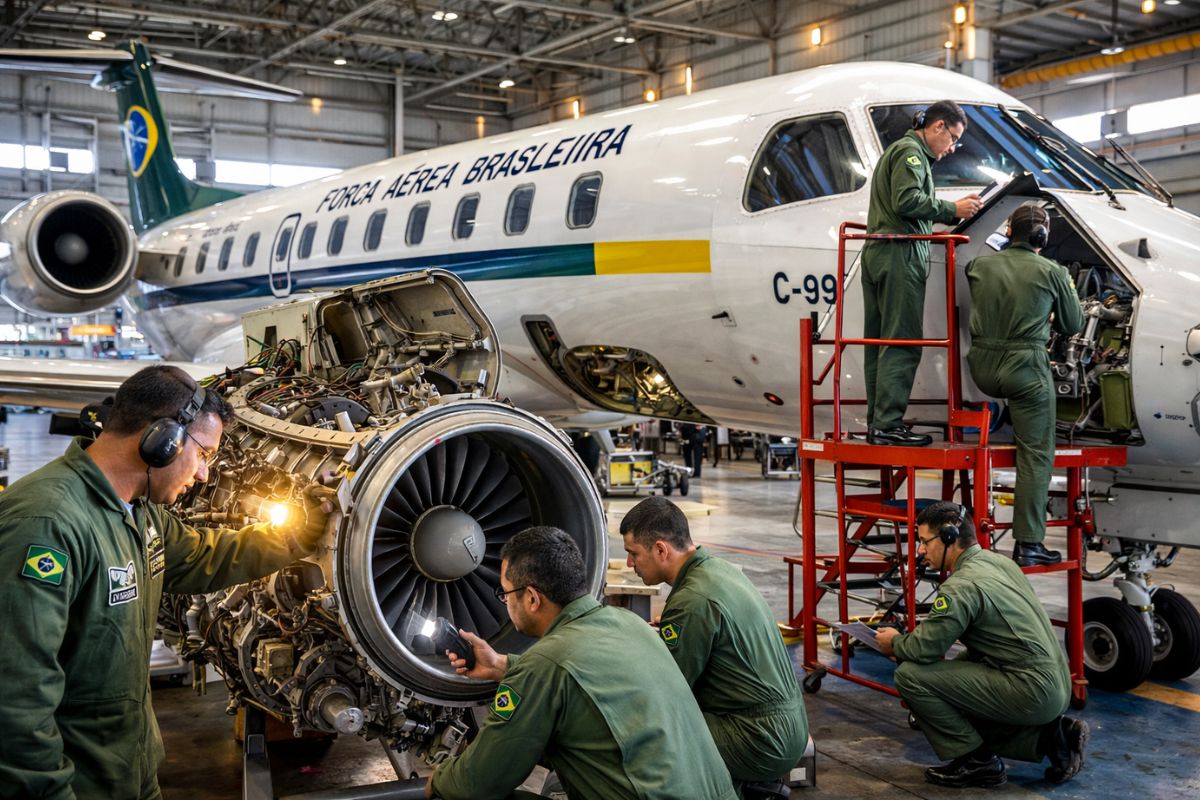
For the first time in history, the Brazilian Air Force conducted a highly complex inspection on the C-99 jet independently, without relying on foreign companies, marking a new level of logistical autonomy and operational sovereignty.
-
Beet greens that end up in the trash in many kitchens contain a high concentration of antioxidants, and a 2025 study shows that extracts may have even more potent activity when transformed into microparticles.

-
Something was orbiting Earth before any human launched a satellite into space: scientists have found thousands of unexplained flashes in old photos of the sky, and a NASA researcher says the evidence points to non-human intelligence.

-
There is a gap of hundreds of kilometers between weather observation points in the United States, and now drones flying at 6,000 meters altitude in strong winds are filling this gap to predict tornadoes before they kill.


When the patient is sedated or immobilized, one of the biggest problems is the accelerated loss of muscle mass. In just a few days, the body begins to weaken significantly. Muscles atrophy, circulation is compromised, and basic bodily functions begin to deteriorate. This process complicates recovery and, in many cases, prolongs hospitalization by weeks.
This situation is aggravated by a serious structural factor: there are not always enough physiotherapists to ensure constant stimulation to the bodies of these patients. In many ICUs in Brazil, especially in public networks, the physiotherapy team is small and has to divide attention among various beds.
The longer the patient remains still, the slower and more complex their recovery becomes. The severe muscle weakness acquired in the ICU is one of the main causes of difficulty in post-discharge rehabilitation. It was exactly this problem that motivated Brazilian researchers from the University of Caxias do Sul to develop an accessible and automatic solution.
How the Autofisio 500 works: the walking simulator for those who cannot get out of bed
The Autofisio 500 is a kinesthetic therapy device designed to automatically reproduce the natural walking movements in the legs of bedridden patients. The device is positioned next to the bed and connected to the patient’s legs, performing continuous and controlled movements that simulate the act of walking.
This mechanical stimulation keeps the muscles active, promotes blood circulation, and preserves basic motor functions during the period when the patient cannot move on their own.
The difference of the equipment created by Brazilian researchers lies in the combination of clinical efficacy with technical simplicity. The Autofisio 500 does not require any effort from the patient, making it suitable for cases of deep sedation, delicate post-operative situations, and scenarios where any voluntary movement is impossible.
The device operates autonomously, able to function for extended periods without the need for constant supervision by a physiotherapist. This frees the physiotherapy team to attend to other patients, optimizing care in ICUs with reduced staff.
The cost that changes everything: why the Autofisio 500 can reach the SUS
Imported hospital kinesthetic therapy equipment usually costs amounts that make its adoption unfeasible for most public hospitals in Brazil. The Autofisio 500 was designed from the beginning to be accessible, with an estimated cost between R$ 15 thousand and R$ 20 thousand. This amount is up to 10 times lower than that of imported technologies with similar functions.
The price difference is not a detail: it is the factor that determines whether the equipment can be adopted on a large scale in the public health system.
The development of the Autofisio 500 was supported by FINEP, the Financing Agency for Studies and Projects of the federal government. Unlike expensive imported solutions, this invention created by Brazilian researchers is viable within the reality of the public system.
Hospitals linked to the SUS can access a technology that, in addition to improving patient recovery, has the potential to reduce hospitalization time and hospital costs in the long run. Each day less in the ICU represents significant savings for the health system.
The clinical impact of early mobilization in critical patients
Medical literature has long demonstrated that early mobilization of patients hospitalized in ICUs brings measurable benefits. Patients who receive regular motor stimuli during hospitalization experience less muscle mass loss, lower incidence of respiratory complications, and faster hospital discharge.
The problem is that, in practice, ensuring this mobilization depends on available professionals and appropriate equipment, two resources that are lacking in most public ICUs in Brazil.
The Autofisio 500 directly addresses this gap. By automating motor stimulation, the device created by Brazilian researchers ensures that the patient receives continuous movement regardless of the availability of the physiotherapy team.
This type of continuous stimulation can help reduce common complications of immobility, such as severe muscle weakness and difficulties in post-ICU rehabilitation. The practical result is a patient who reaches the moment of discharge with their body in better condition to resume normal life.
From the University of Caxias do Sul to the ICUs of Brazil: the path of Autofisio 500
The Autofisio 500 was born within the University of Caxias do Sul, in Rio Grande do Sul, one of the institutions with a tradition in applied health research.
The Brazilian researchers responsible for the project started from a clear premise: to create a device that was clinically effective and financially accessible for the reality of public hospitals in the country. The support from FINEP was crucial to make the prototype and the initial tests of the device in a hospital environment viable.
The next step is clinical validation on a larger scale and certification with regulatory bodies. If the process follows the expected timeline, the Autofisio 500 could be available for purchase by public hospitals in the coming years.
In a country where public health coexists with chronic budget limitations, an invention that combines technology and low cost is not just welcome: it is urgent. The work of Brazilian researchers from the University of Caxias do Sul shows that innovation in health does not depend on million-dollar budgets. It depends on intelligence, focus, and knowledge of the real problem.
And what do you think about this invention?









Seja o primeiro a reagir!