





 Portuguese
  English
  Spanish
 3 min of reading


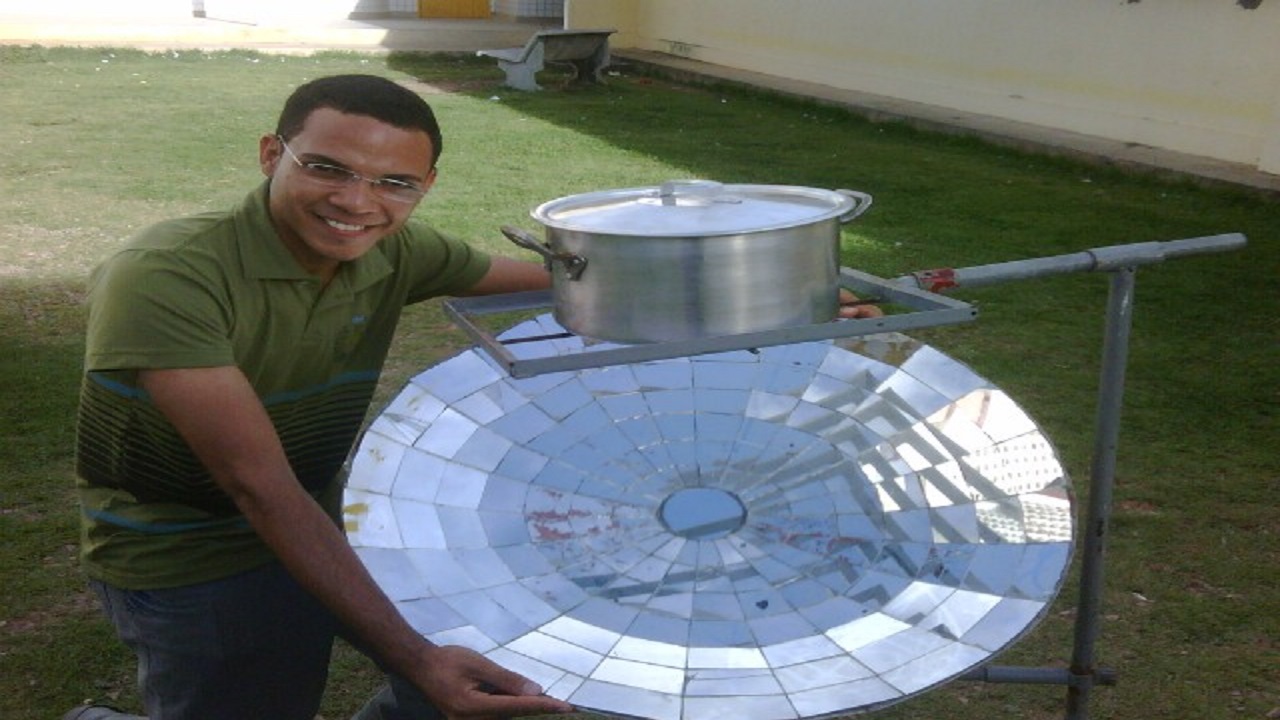
Brazilian Researchers Developed a Stove That Does Not Require LPG Gas, Commonly Known as Cooking Gas. The Equipment Is Powered by Solar Energy and Can Match Conventional Ones.
In times of crisis, the creativity of Brazilians proves essential to overcome challenges, given that there is no better time to rethink consumption and generate savings. With cooking gas prices skyrocketing, researchers from the Federal University of Rio Grande do Norte (UFRN) have developed a solar-powered stove. It is important to highlight that the price of the gas cylinder has accumulated increases over the past 12 months that have reached 32.45%. In some locations, cooking gas can cost up to R$ 160.
Solar-Powered Stove Made from Disposable and Low-Cost Materials
-
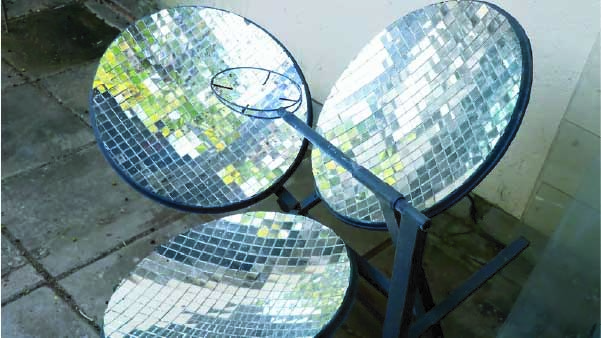
The device is made from scrap – Photo: BBC -
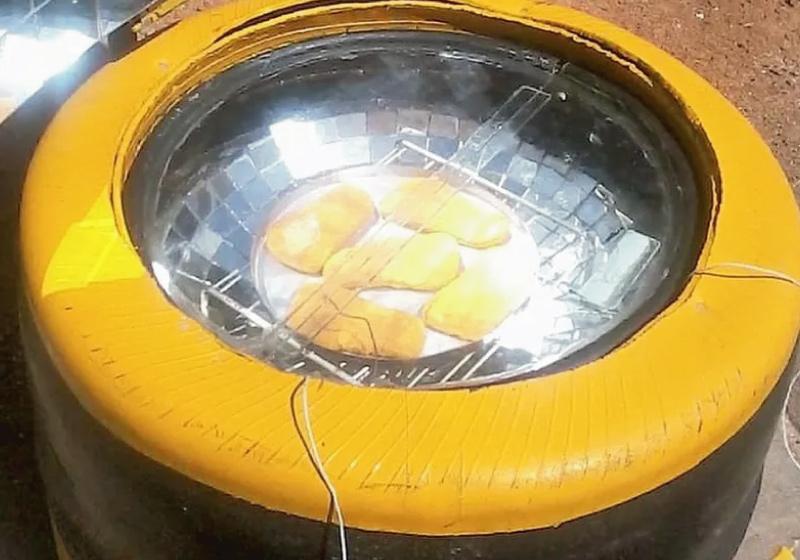
The stove is powered by solar energy and has the capacity to bake 9 cakes – Photo: BBC -
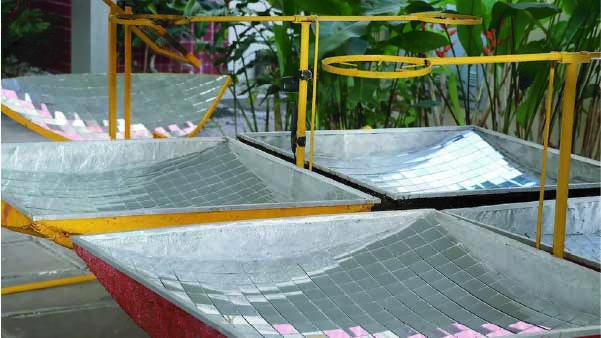
The stove was tested and performed excellently – Photo: BBC ARTICLE CONTINUES BELOWSee also-
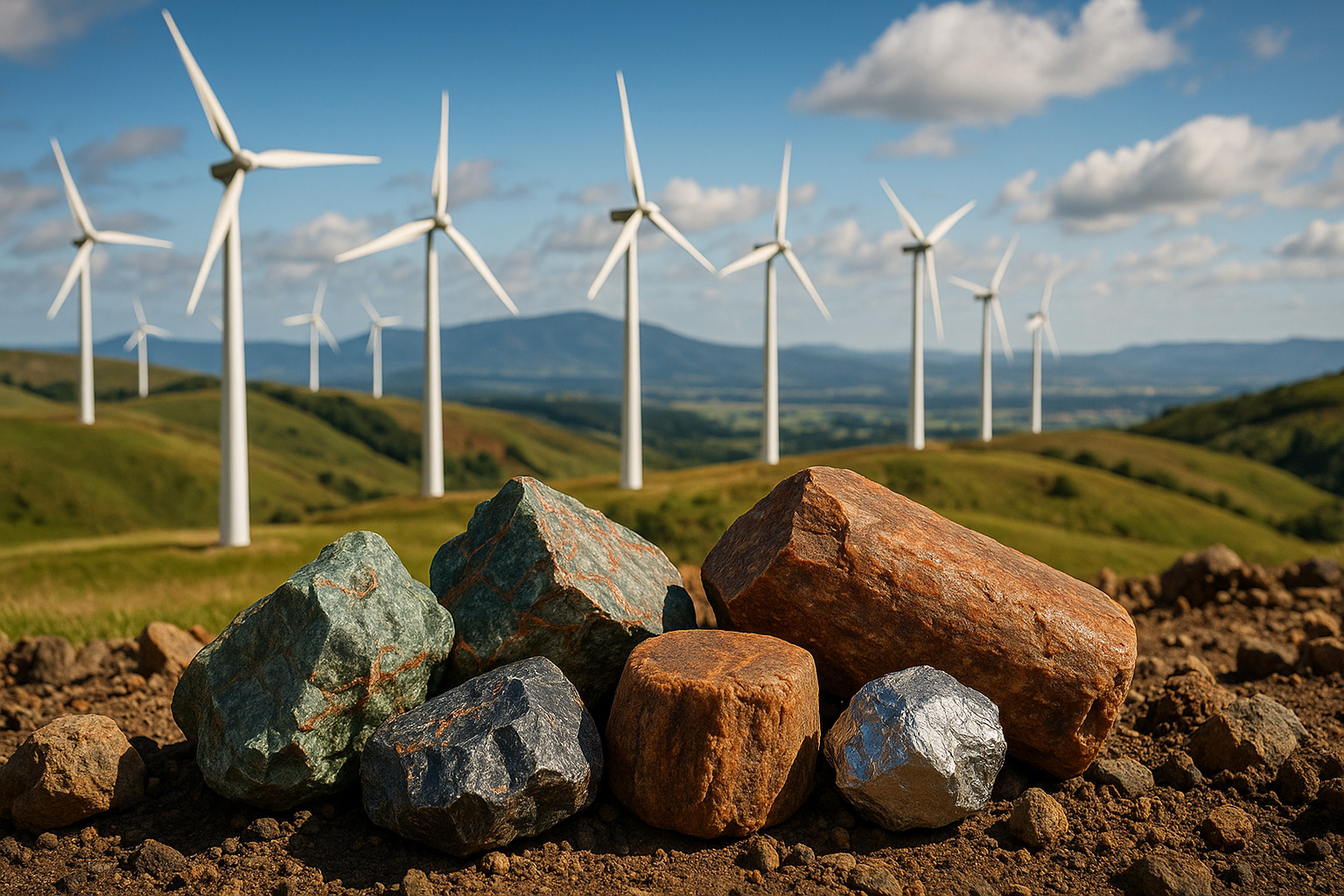
The Brazilian state accelerates industrial competitiveness with a focus on the extraction of strategic minerals to boost the energy transition in Goiás.
-
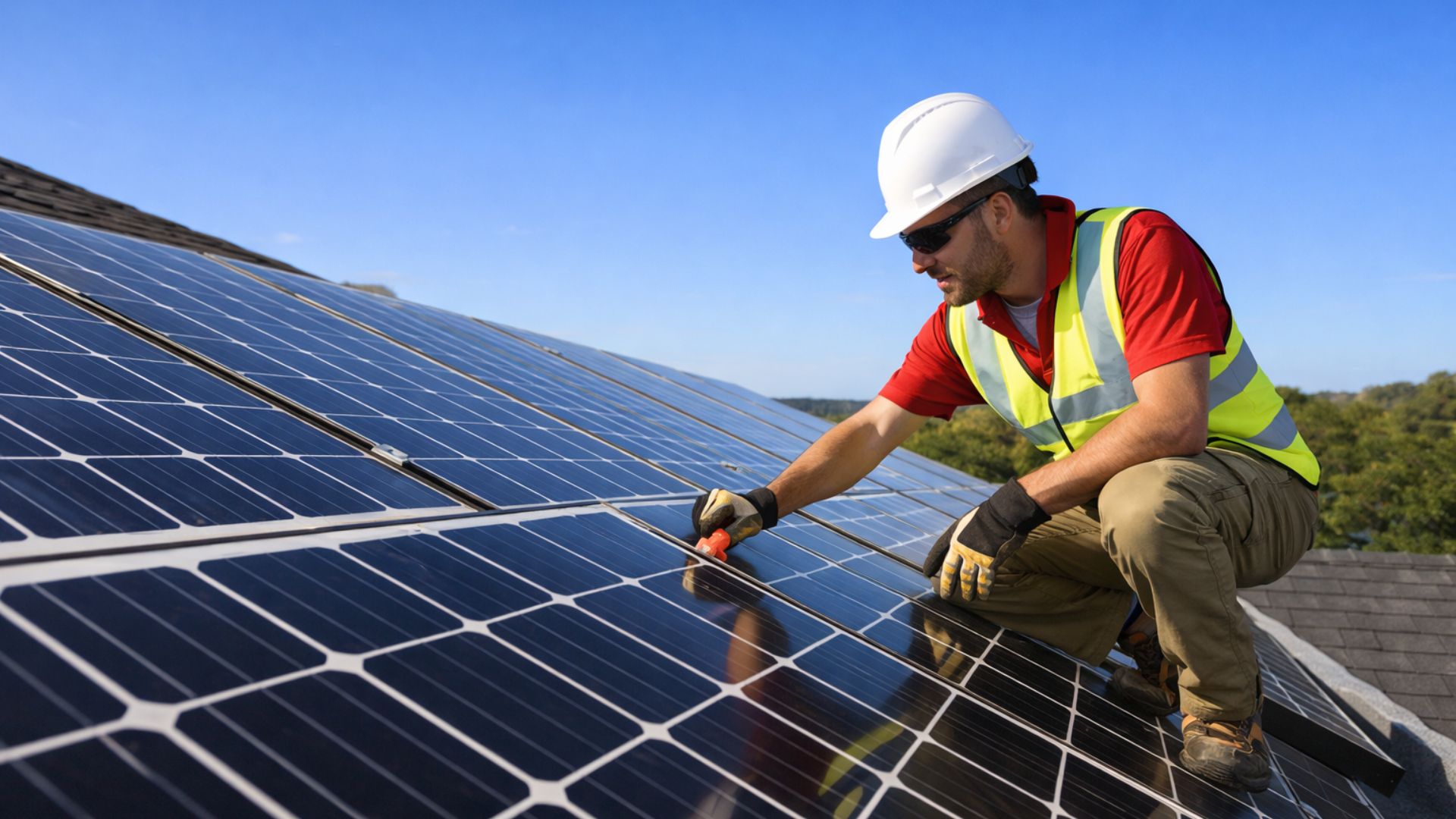
Seagri’s headquarters invests in solar energy with Neoenergia Coelba and promises to cut electricity costs, highlighting a strategic advance in sustainability and energy efficiency within state public administration.
-
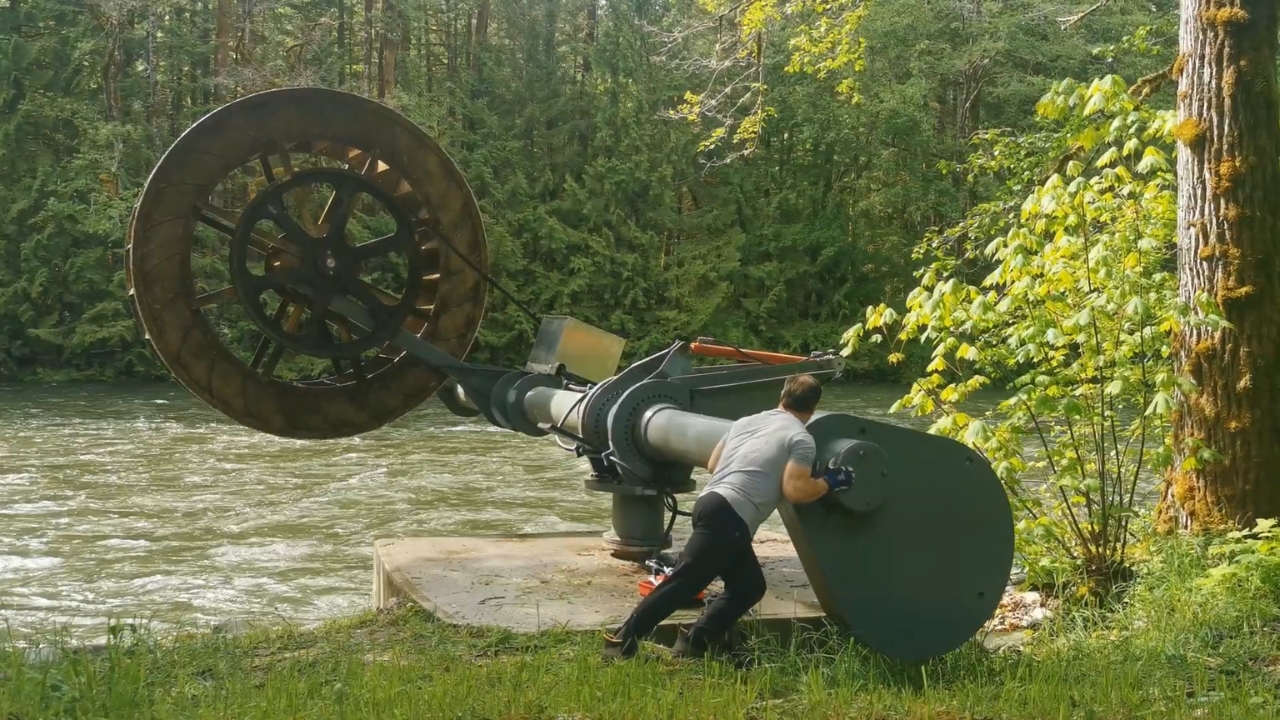
A Canadian retiree creates a hydroelectric system on a real river, generating energy continuously throughout the day and demonstrating how the power of water can supply a house with stability even in a simple structure.
-
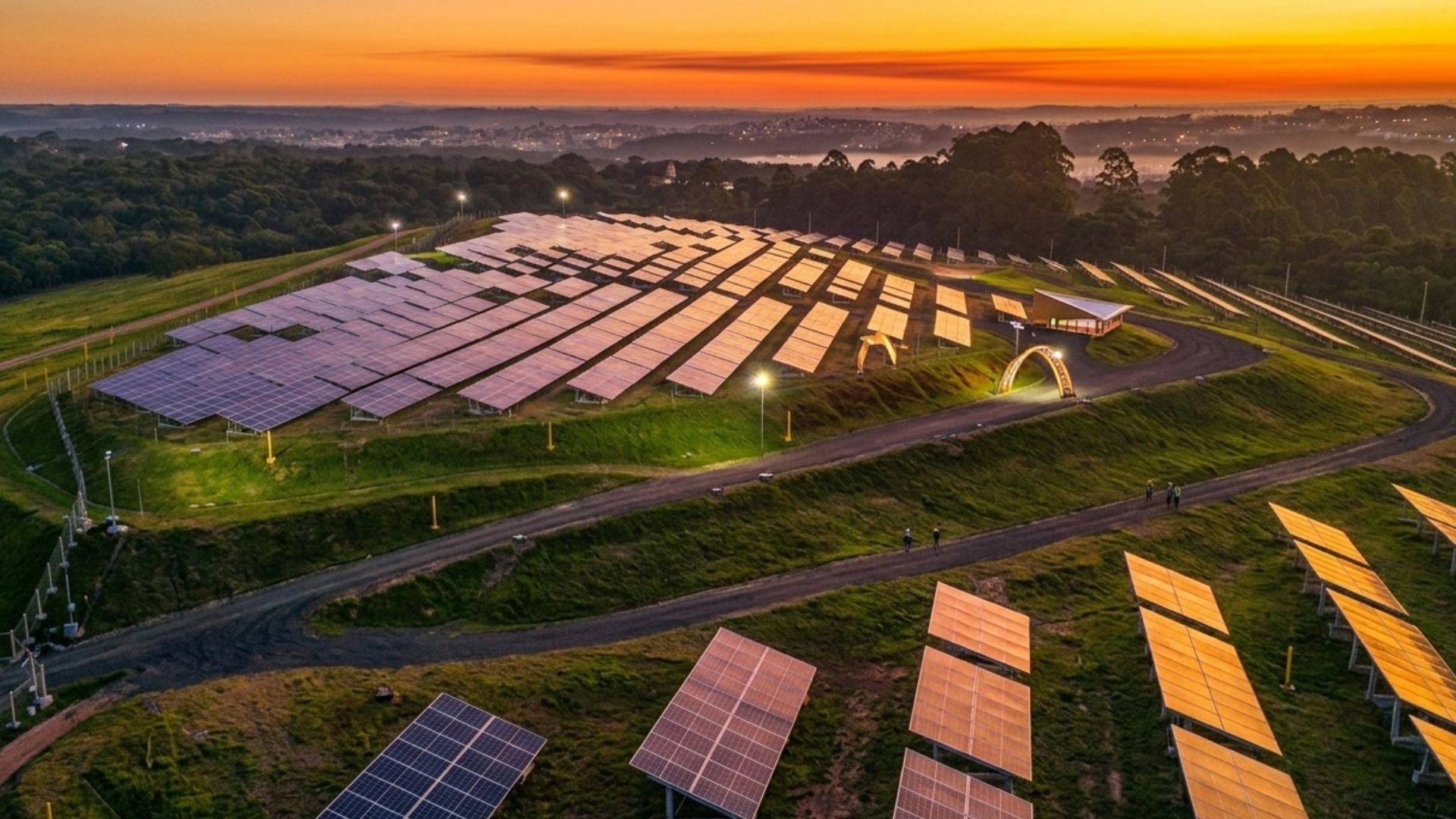
Solar Pyramid draws attention by converting solar energy into million-dollar savings and repositioning the City Hall of Curitiba as an example of innovation, sustainability, and intelligent use of public resources.
-
Brazilians are suffering from impoverishment, considering that it is not just the price of cooking gas that is soaring. According to the IBGE, the country currently has approximately 13.9 million unemployed people.
Thus, the development of a stove that uses solar energy, a free resource that is renewed every day and abundantly available in Brazil, is a great option to navigate the crisis and overcome times of adversity. In addition to eliminating the use of cooking gas, the stove is made from discarded or low-cost materials, such as mirrors and scrap.

According to the inventors, only R$ 150 was spent to produce the prototype. Furthermore, although burning cooking gas is considered a clean burn, that is, without any emissions of pollutants, there are options that are even more sustainable, such as this one developed by UFRN researchers, considering that it not only utilizes sustainable energy but also uses materials that might not have been recycled.
Therefore, the initiative contributed even more to the environment, making the solar-powered stove a great option, should it actually reach the market.
Understand How the Stove That Eliminates Cooking Gas Works


The operation of the solar-powered stove uses some basic principles of physics for its functioning. Basically, the equipment captures sunlight, transforms solar radiation into heat, and creates a greenhouse effect, using the heat to cook food.
Similar inventions have already been developed; however, the great advantage of this stove developed by UFRN researchers is that it features thermal insulators that enhance cooking times, comparable to those of a conventional stove.
In tests conducted by the stove developers, the equipment was able to reach a temperature of 650ºC and was also capable of baking a cake in an hour and a half. This time is only 20 minutes longer than a conventional stove that uses cooking gas.
Solar-Powered Stove Can Be Purchased by Most Brazilians
The project is an initiative of the hydraulic machines laboratory of the mechanical engineering course at the university, and the research is led by Luiz Guilherme Meira de Souza, a professor who has studied solar energy for over 4 decades.
According to the project’s final paper, the assembly and disassembly processes of the stove, as well as its handling, are simple, and users only need a quick training session, allowing any common citizen to operate it.
Thus, what remains for the solar-powered stove to reach a commercial level is to find investors so that large-scale production is viable. In an interview, the coordinating professor stated that he wishes to establish a partnership with state governments to ensure the equipment reaches those in need as well.







Seja o primeiro a reagir!