





 Portuguese
  English
  Spanish
  5 min of reading
  0 comments


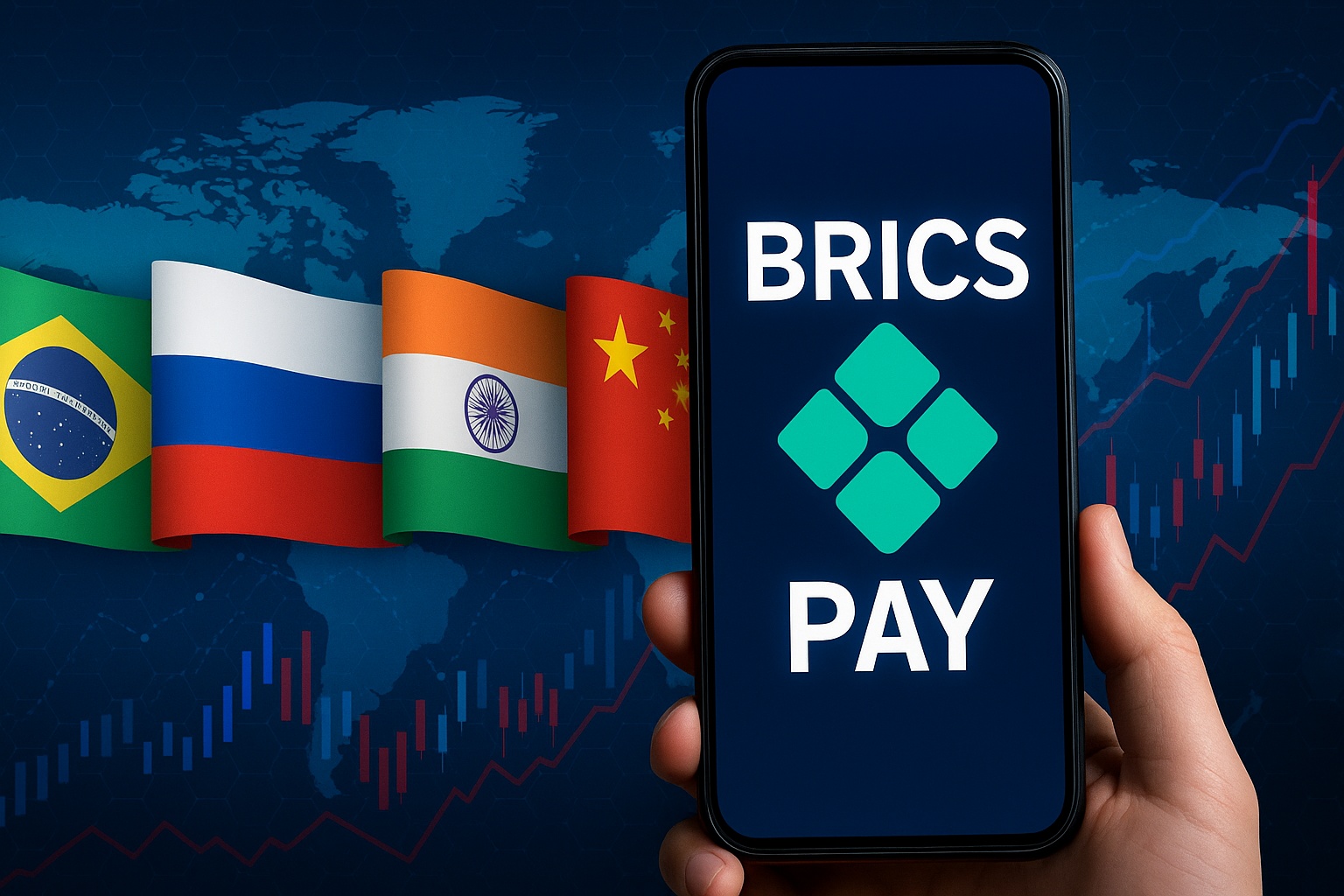
BRICS Pay Advances in Testing and May Launch in 2025 as a New International Payment System. Platform Promises Fast and Cheap Transfers, but Block Still Diverges on BRICS Digital Currency
BRICS Pay, an initiative aimed at creating a global Pix, has advanced to an advanced technical phase and may be launched as early as September 2025. Developed under the leadership of Russia, the project aims to enable fast and low-cost transfers between the member countries of the block: Brazil, Russia, India, China, and South Africa. Despite the advances, there are still internal divergences regarding the formal implementation of the platform.
The launch of BRICS Pay promises to change the dynamics of international transactions, offering secure and efficient alternatives to traditional systems. The expectation is that businesses and citizens will benefit from faster and more affordable international payments, making it a strategic tool for trade among BRICS countries.
What is BRICS Pay?
ARTICLE CONTINUES BELOWSee also
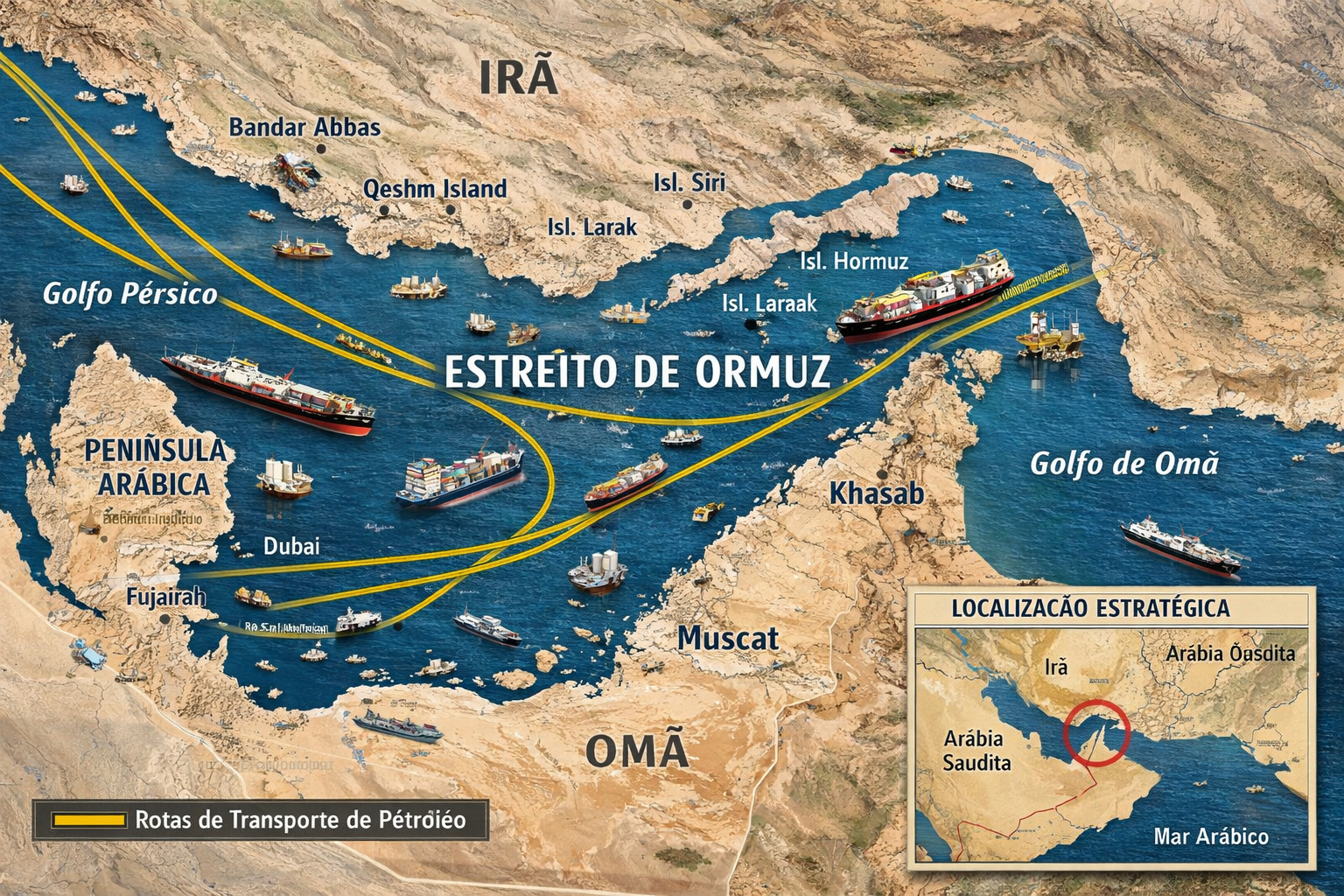
Global summit with over 40 countries pressures Iran for a blockade in the Strait of Hormuz and warns of direct impact on oil, food, and the global economy.
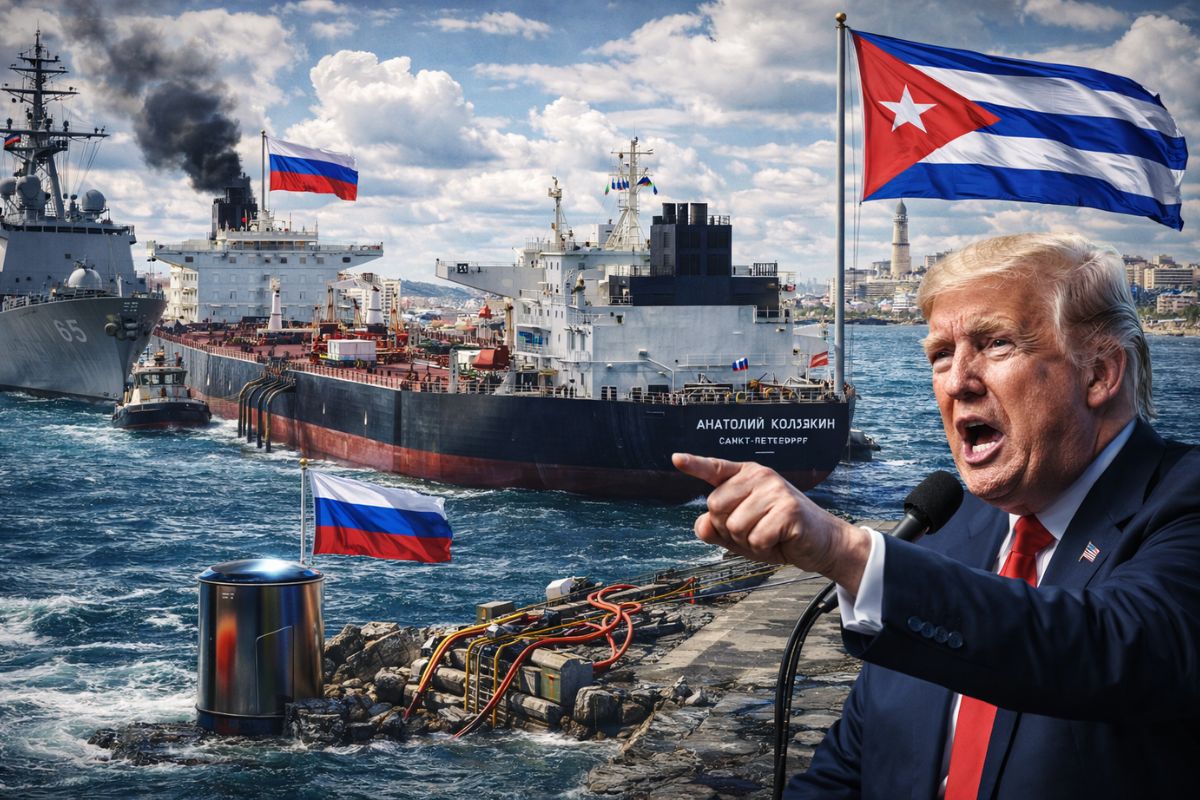
Russia has broken the U.S. maritime blockade to send oil to Cuba and is now loading a second ship while Trump says that “Cuba is next” in a possible military action against the island.
Spain challenges the USA and closes its airspace for operations against Iran, raising global tension and provoking the threat of a trade rupture.

While no other country manufactures tanks in Latin America, Argentina activates the TAM 2C-A2 and raises a curiosity about the technological lag in the region.

BRICS Pay is an international payment system designed to facilitate financial transactions among the BRICS countries.

The idea is to create an alternative to the traditional banking system, making digital payments faster and more accessible. Inspired by the Brazilian Pix model, BRICS Pay seeks to integrate different national currencies without relying exclusively on the dollar or other global reference currencies.
According to industry sources, the platform is expected to allow users to make international transfers almost instantaneously, with costs significantly lower than those charged by banks and traditional operators. Additionally, it is speculated that the system will be compatible with modern digital payment technologies, including QR codes and mobile applications.
Technical Advances and Testing of the Global Pix


In 2025, BRICS Pay entered an advanced phase of technical testing. The project already has strategic partnerships among central banks and financial institutions of the member countries, ensuring interoperability and security of transactions.
Integration with National Systems and the Pix
One of the central objectives of BRICS Pay is to enable integration with national payment systems, such as Pix in Brazil. This means that, in the future, it will be possible to make international payments using QR codes, as simply as the domestic transfers already made by millions of Brazilians.
Benefits of BRICS Digital Payment
BRICS digital payment promises to transform the way international transactions are conducted among the block’s countries. Among the main benefits identified are:
- Faster transfers: the settlement of international payments can occur within minutes, reducing the traditional time of days.
- Lower costs: fees charged by banks and financial intermediaries will be significantly lower.
- Financial inclusion: developing countries in the block will have access to modern digital infrastructure, increasing the participation of businesses and citizens in international trade.
- Security: the platform uses advanced encryption technology and decentralized protocols, enhancing protection against fraud.
According to experts in international finance, the adoption of efficient digital payment systems is directly linked to the growth of electronic commerce and the reduction of operational costs for businesses of all sizes.
Challenges and Divergences in Implementing BRICS Pay
Despite the advancements, the implementation of BRICS Pay faces political and strategic obstacles. Not all countries agree on the standardization of the platform or the creation of a BRICS common currency. The divergence reflects economic differences, national priorities, and concerns about monetary sovereignty.
Some countries fear that standardization may favor certain more advanced economies, while others advocate for maintaining flexibility in international transactions. Experts emphasize that, beyond technology, political consensus will be crucial for the initiative’s success.
BRICS Digital Currency and Future Integration
A frequently discussed topic related to BRICS Pay is the discussion about a BRICS digital currency. The idea is to develop a digital financial asset that can be used in transactions within the block, reducing dependence on the US dollar and strengthening the group’s financial autonomy.
Although not yet confirmed, a BRICS digital currency could be integrated into the payment system, facilitating international transactions and increasing trade efficiency among members.
Studies from the International Monetary Fund indicate that digital currencies issued by economic blocs can reduce conversion costs and enhance liquidity in the global market.
Economic and Geopolitical Impact of the Global Pix
The launch of the Global Pix could have significant impacts on the global economy. By reducing dependence on the dollar for transactions among the countries in the block, the Russian initiative strengthens BRICS’ role in international trade. Additionally, it may encourage other countries to seek alternatives to payment systems dominated by banks and operators from the United States and Europe.
According to the report “Global E-commerce Update 2023” from UNCTAD (United Nations Conference on Trade and Development), global B2C and B2B e-commerce sales reached US$ 33.3 trillion in 2022, with developing countries accounting for about 30% of transactions.
The geopolitical impact is also relevant, as the platform symbolizes an attempt to create greater financial autonomy among the countries of the block.
Next Steps for the International Payment System
BRICS Pay is scheduled for launch in September 2025, provided that technical tests continue to show positive results. Oversight by central banks and regulatory bodies will be crucial to ensure the reliability and adoption of the system.
Experts recommend paying attention to the following points before full implementation:
- Defining common regulations for international transactions.
- Establishing cybersecurity standards.
- Training financial institutions and users for efficient system use.
- Establishing agreements for the conversion of national currencies.
- Clear communication to investors and citizens about the operation and benefits of BRICS Pay.
The expectation is that, with these steps, the international payment system will operate efficiently from the launch, promoting greater economic and technological integration among BRICS countries.
Why the BRICS Common Currency Matters for the Financial Future?
BRICS Pay is not just a money transfer tool; it is a strategic initiative that can change the balance of international trade and the dynamics of global currencies. By offering a faster, cheaper, and safer international payment system, the BRICS bloc positions itself as a protagonist in digital financial solutions.
For companies engaged in international trade, the platform represents opportunities to reduce operational costs and simplify payment processes. For citizens, it means greater accessibility and security in international transactions, strengthening financial inclusion in regions where traditional banks are less present.
If implemented successfully, BRICS Pay could serve as a model for other economic blocs, encouraging the creation of regional payment systems and reinforcing the importance of financial technology in the global economy.









-

Uma pessoa reagiu a isso.