





 Portuguese
  English
  Spanish
  5 min of reading
  0 comments


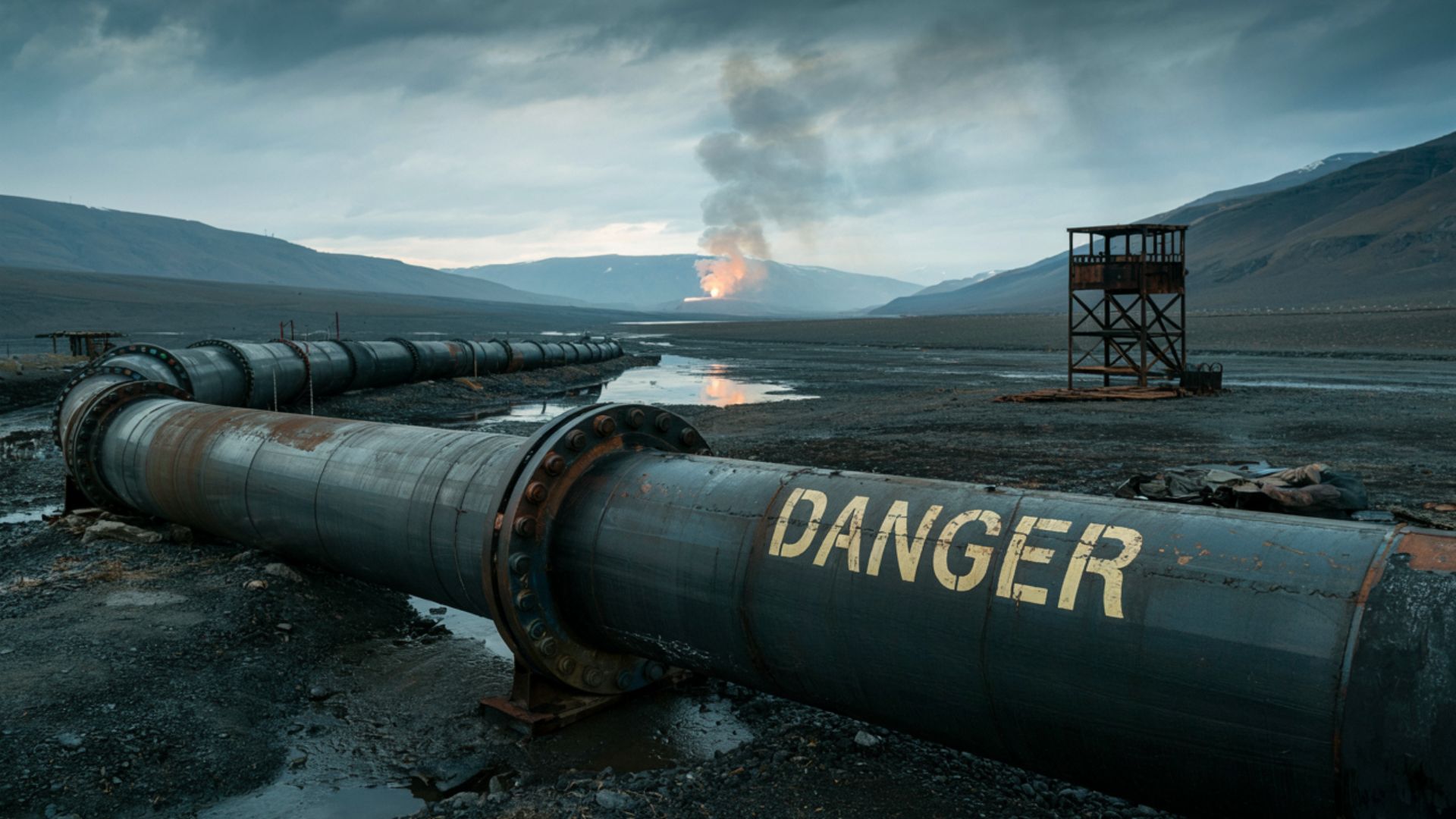
The BTC Pipeline Transports Oil Through Areas With A History Of Conflicts, Becoming A Tension Point In Oil Geopolitics And A Possible Target In Disputes Involving Energy, Security, And International Market.
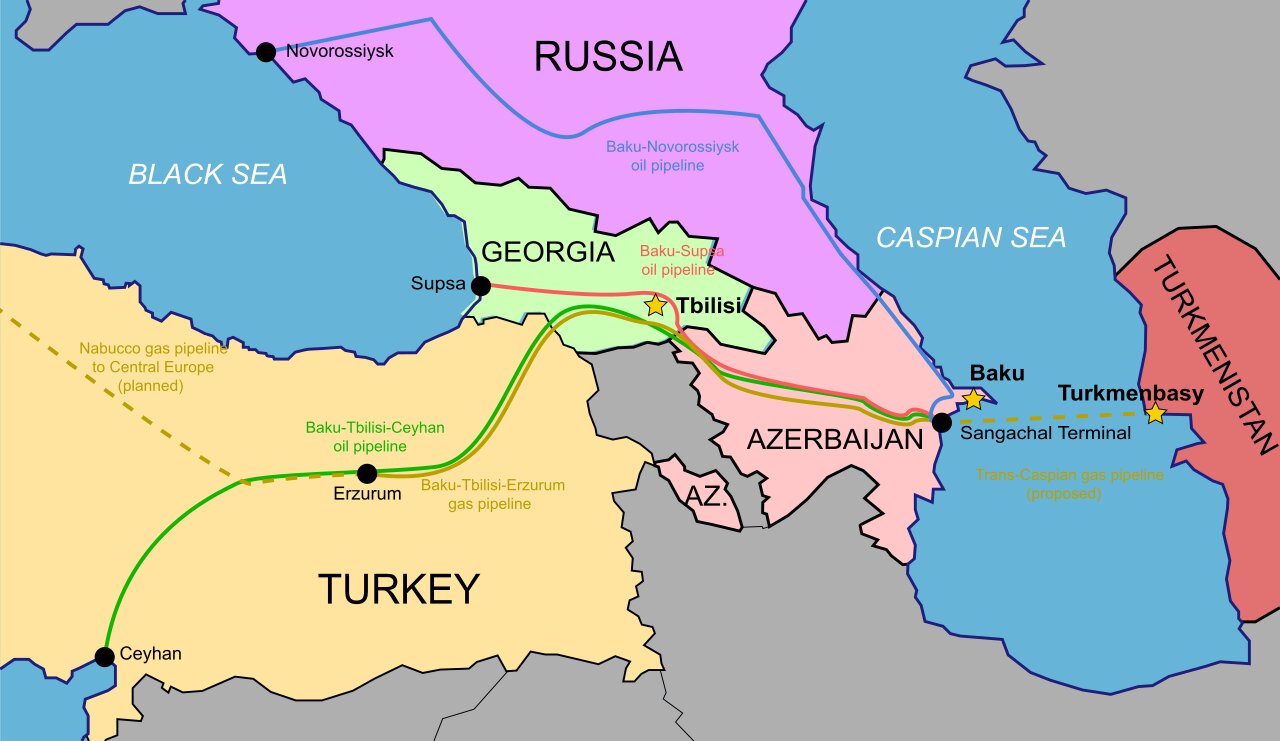
The BTC Pipeline (Baku-Tbilisi-Ceyhan) is one of the most strategic oil transport routes in the world. At 1,768 kilometers long, it connects Azerbaijan, traverses Georgia, and reaches the port of Ceyhan in Turkey, crossing areas of political instability, frozen conflicts, and seismic zones. This combination of factors makes the BTC a focal point in oil geopolitics and a potential target in scenarios of international tension escalation.
Created to transport oil from the Caspian Sea to the Mediterranean without passing through Russian or Iranian territory, the BTC has become an important piece on the board of global energy, security, and political influence interests. For consuming countries, it is a relevant route to ensure energy security amid an unstable market. For its critics, it is a vulnerable target in the event of confrontations in the region.
How The BTC Pipeline Became Strategic
The BTC was planned in the 1990s and began operations in 2006, in a joint effort by companies such as BP, SOCAR, and local governments to facilitate the flow of oil from Azerbaijan to the international market. Before the BTC, most oil exports from the Caspian Sea traversed routes crossing Russia, giving the country significant influence over energy distribution in the region.
-
Lula reveals a masterstroke by Petrobras to undo a deal made by Bolsonaro, which involves the return of an important refinery that currently produces less than half of what was expected and makes Brazil dependent on international diesel.
-
A study confirms that the natural gas sector will reduce greenhouse gas emissions in Brazil by 0.5% and accelerate the energy transition by 2026.

-
Petrobras implements a severe adjustment and confirms a 55% increase in the price of aviation kerosene with a proposal for installment payments for the companies.

-
The rise in oil prices could ensure an extra revenue of R$ 100 billion for the Federal Government, indicates a recent economic study.


The new route reduced this dependency, strengthening Azerbaijan’s role as an exporter and creating a direct link between the oil fields of the Caspian and European and global markets. For consuming countries, this translated into increased supply and diversification of supply routes, important points in terms of energy and warfare in case of sanctions or blockades.
The Path Of The Pipeline Through Tense Areas
Part of the reason that makes the BTC a sensitive point is its route. The pipeline crosses:
- Georgia, near regions like South Ossetia and Abkhazia, separatist areas that maintain tension with the central government and have a history of conflicts.
- Turkey, in the southeast of the country, where the PKK is present, a group involved in armed confrontations with the Turkish government.
- Azerbaijan, near the border with Armenia, an area marked by tensions surrounding Nagorno-Karabakh.
By passing through politically unstable areas, the BTC becomes vulnerable in crisis situations. In 2008, during the war between Georgia and Russia, the pipeline was temporarily closed for security reasons, fearing damage amid the bombings in the country.
Attacks On The BTC And Risks Of New Incidents
In August 2008, a section of the BTC on Turkish territory suffered an explosion, initially attributed to technical failures but later claimed by the PKK. The incident interrupted the flow of oil, causing financial losses and raising alarms about the security of the infrastructure.
The pipeline also passes through mountainous areas and seismic zones, increasing the risks in case of natural disasters. In total, there are 14 seismic zones along the route, in countries with limited emergency infrastructure for large-scale crises.
These factors turn the BTC into a focal point for oil geopolitics analysts, as any attack or accident that halts oil transport can generate tensions between exporters and consumers, creating instability in the international market.
Energy Security And Dependence On Vulnerable Routes
The BTC transports about 1 million barrels of oil per day, equivalent to approximately 1% of global consumption, a volume that may seem small in numbers but is significant for balancing supply and demand in times of crisis. For the West, keeping the BTC operational means preserving an alternative supply route in case of blockages in other regions.
This factor makes the pipeline a sensitive element in discussions about energy security and reinforces its importance in strategies for containing energy crises in European countries, especially during sanctions or embargoes in markets like Russia or the Middle East.
Geopolitics Of Oil In A Tension Scenario
The interests surrounding the BTC involve multiple actors, including Azerbaijan, Turkey, Georgia, multinational energy companies, and powers like the United States and the European Union. For Russia, the existence of the BTC represents a competing route, reducing its capacity to influence the energy supply to Europe.
In situations of heightened tension between Russia and NATO countries, or in conflicts involving the Middle East, the BTC can become a strategic target in disputes for influence over oil distribution. Nevertheless, experts indicate that the pipeline is unlikely to be the sole trigger for a conflict, but it can be used as a justification for escalations in crisis scenarios.
BTC In The Current Context
The BTC remains active and has also been used by countries like Kazakhstan to export part of its production, increasing the route’s relevance to the international market. The volume transported by the structure helps balance supply during market fluctuations, keeping the BTC as a relevant element in energy and warfare analyses.
The BTC Pipeline is a clear example of how energy transport infrastructure is connected to issues of international politics. By crossing unstable regions and positioning itself as an alternative to routes controlled by rival powers, the BTC reinforces the central role of oil geopolitics in discussions of global security.
Although the pipeline is not, by itself, a trigger for conflict, it remains a vulnerable point in cases of regional tensions, potentially becoming a target in disputes or conflicts involving energy and political interests. Thus, the BTC continues to be monitored by experts and governments as a sensitive component in the global energy supply chain.









Seja o primeiro a reagir!