





 Portuguese
  English
  Spanish
  7 min of reading
  0 comments


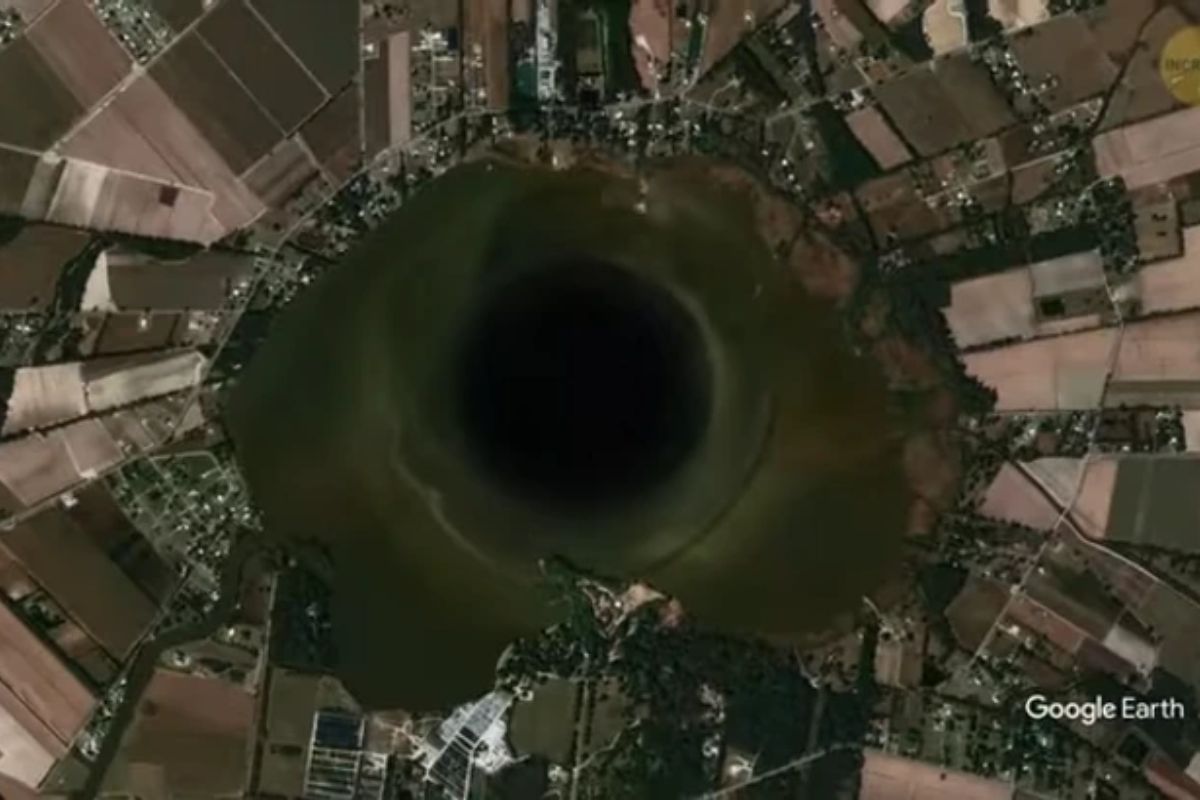
On November 20, 1980, a giant hole in a shallow lake in Louisiana drained Lake Peigneur in three hours, swallowed 3.4 billion gallons of water, sucked barges, exploded a gas pipeline, created an upside-down waterfall, and left a deep environmental scar, expensive and visible to this day from space
A giant hole in the lake just three meters deep transformed Lake Peigneur in Louisiana into a vortex capable of sucking everything around it. In just a few hours, 3.4 billion gallons of water disappeared, 11 barges of 61 meters, a tugboat, a dock of 280,000 m², and part of Jefferson Island were swallowed as the lake’s bottom collapsed over a hidden salt mine.
In the following minutes, what was a smaller freshwater lake than Central Park turned into a black aquatic pit over 400 meters wide, a gas pipeline explosion launched flames visible for miles, and soon after, water from the Gulf of Mexico flowed backward, forming a waterfall of over 50 meters. Decades later, the area remains marked as a permanent scar in the geological heart of Louisiana, and new projects on the same salt dome continue to carry the risk of repeating the tragedy.
How a Giant Hole in a Lake Swallowed Peigneur in a Few Hours

Before the collapse, Lake Peigneur was a shallow lake, about 3 meters deep on average, used by locals for rowing and fishing without life jackets.
-
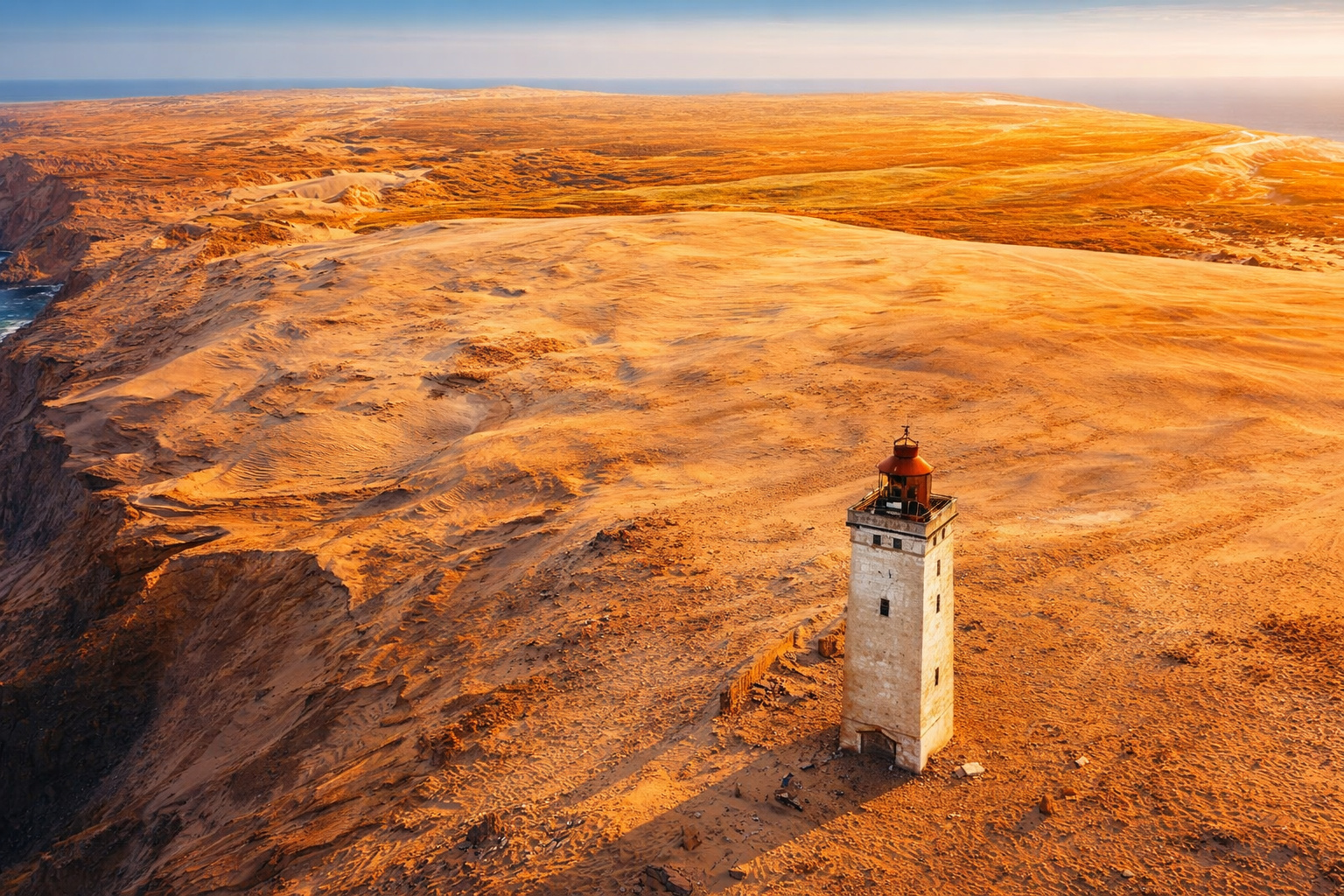
Attracting around 250,000 people a year, a lighthouse 200 meters from the sea, on a 60-meter high cliff, on the North Sea coast in Denmark, becomes one of the most impressive examples of how nature can threaten historical buildings.
-
The narrowest house in the world is only 63 centimeters wide, but inside it can accommodate a bathroom, kitchen, bedroom, office, and even two staircases.

-
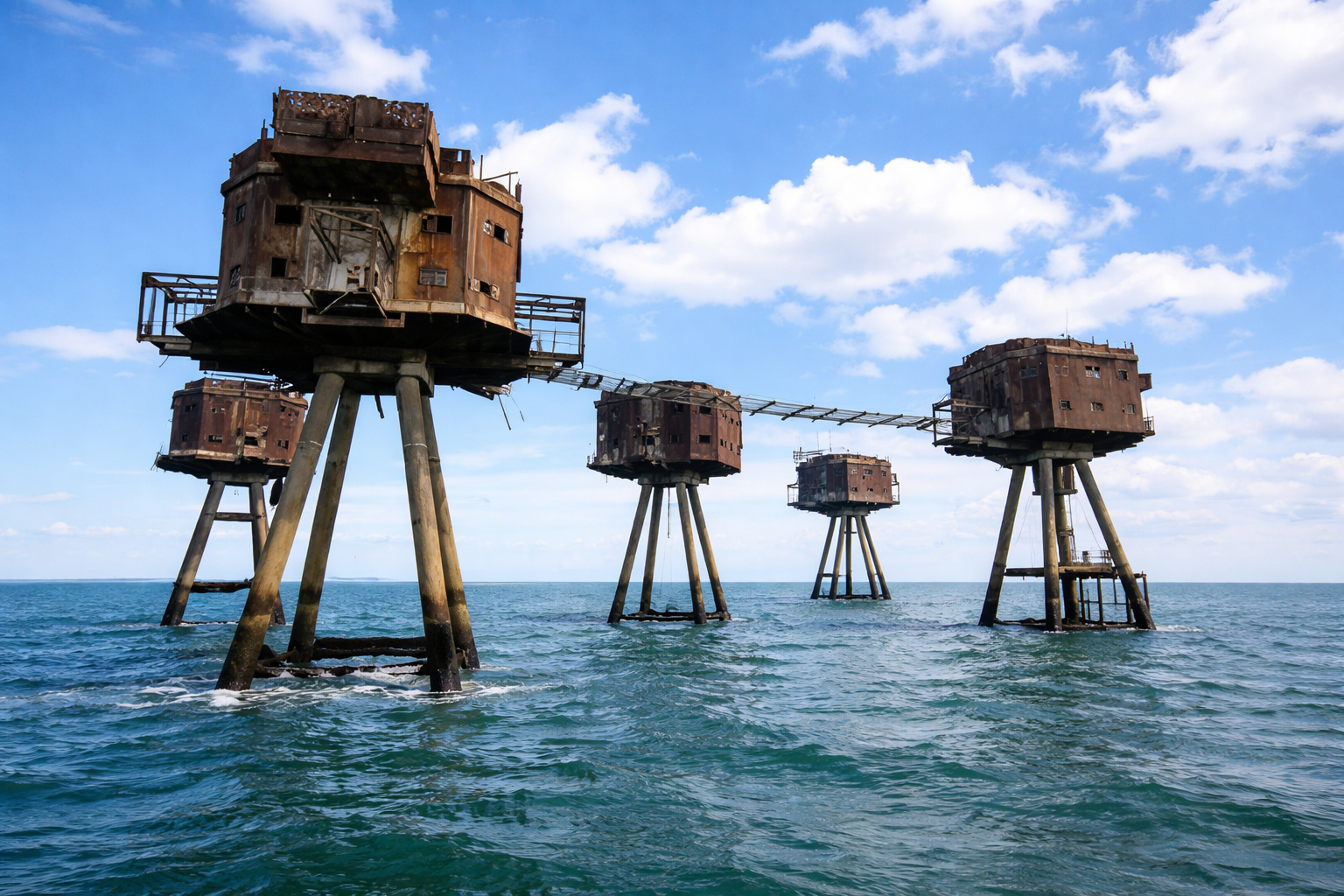
In the middle of the sea, these enormous concrete and steel structures, built by the British Navy to protect strategic maritime routes, look like they came straight out of a Star Wars movie.
-
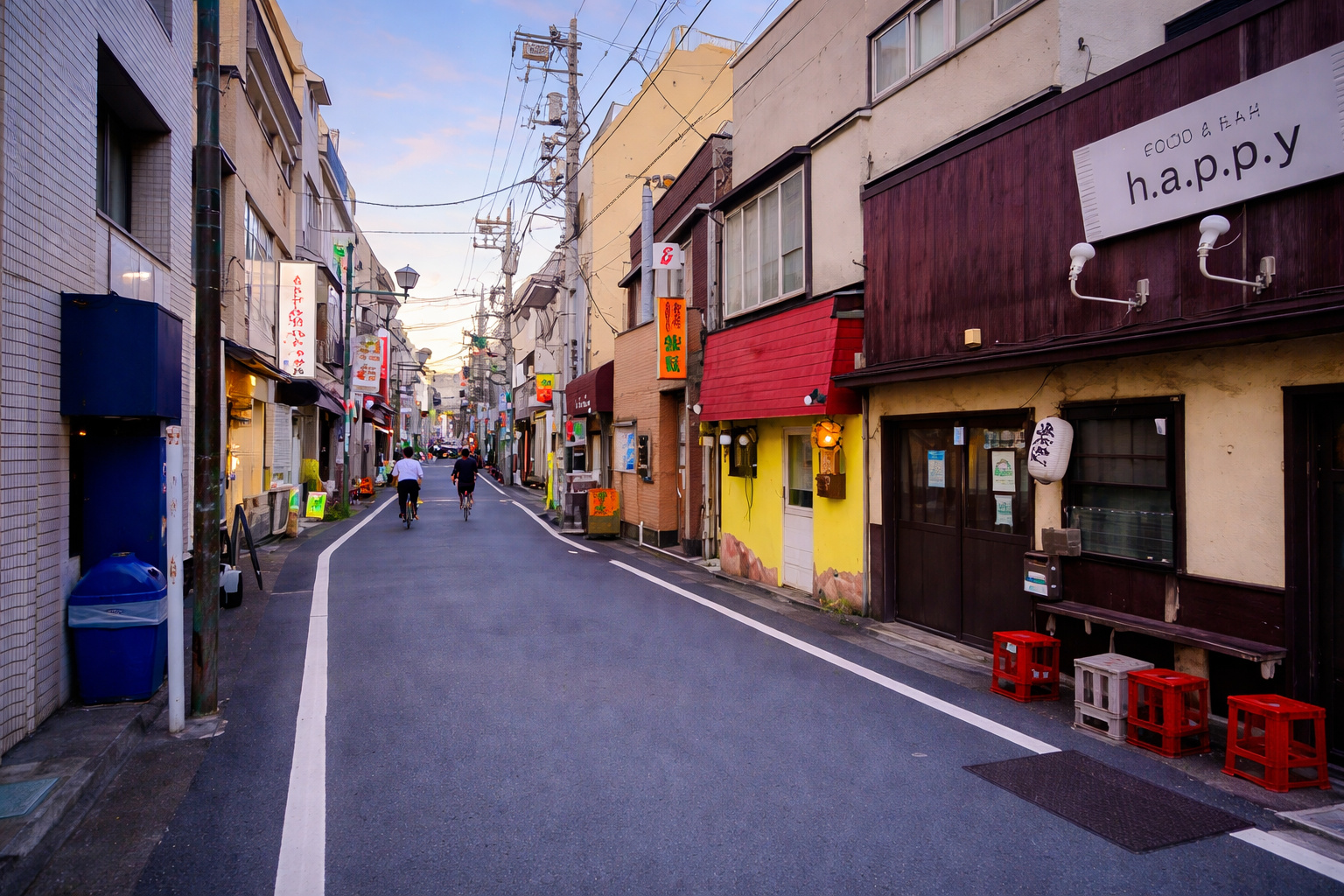
For years, no one could cross a neighborhood in Tokyo because of the tracks, but an impressive solution changed mobility and completely transformed the local routine.

The entire area of approximately 2 square miles seemed stable and predictable, until the day a drilling operation changed everything.
On the morning of November 20, 1980, a 150-ton floating platform, valued at $5 million, operated by Texaco Oil, was drilling the lake’s bottom in search of oil.
The plan was to go down to 400 meters deep.
At 365 meters, the drill simply got stuck, not rotating, not going up or down. Seconds later, there was the sound of metal breaking and rocks collapsing.
The platform tilted sharply and the lake’s surface began to boil like a giant pot, with small whirlpools joining into one huge funnel.
In minutes, the water flow reached 50,000 m³ per minute, equivalent to 20 Olympic swimming pools drained every 60 seconds, according to the United States Geological Survey.
The vortex reached over 400 meters wide and made the entire lake disappear in about three hours.
What Was Under the Lake: Salt Dome, Mine, and Drilling Error

The key to understanding the giant hole in the lake lies underground in the region.
Hundreds of millions of years ago, the area now occupied by Louisiana was covered by a shallow sea.
When this sea receded and evaporated, large layers of salt became buried beneath sediments of sand, clay, and rock.
Over time, pressure caused this salt to slowly rise, like an air bubble under water, forming a salt dome kilometers high and wide.
At the surface, Texaco Oil was drilling for oil. Underground, Diamond Crystal Salt Company was extracting salt from the very same dome.
Two companies operated over the same geological point, one on top and the other below, separated only by rock layers that functioned as the mine’s ceiling.
When Texaco’s drill went out of alignment, it directly hit the ceiling of the salt mine.
Lake water began to seep through the fissure, and since salt dissolves about 100 times faster than limestone, the underground cavern grew at an alarming rate.
Before long, the entire mine became an enormous void, without support, and Lake Peigneur collapsed like a building losing its foundation.
Colossal Whirlpool, Barges Sucked, and the Upside-Down Waterfall


As the giant hole in the lake grew, the whirlpool doubled in size in less than an hour, from about 213 to 426 meters wide.
Eleven barges of 61 meters were pulled down, turning vertically and disappearing as if they had fallen into a black hole. A tugboat and a piece of Jefferson Island itself were also swallowed.
A fisherman reported seeing his boat still tied to a tree trunk being dragged, along with the whole tree, until it vanished into the vortex.
Houses, trees, and dock structures fell all at once, while the ground emitted continuous rumbling sounds.
From above, the scene resembled a giant wound on the Earth’s surface, with water swirling towards the center and everything around being pulled down.
In the middle of the lake, a gas pipeline ruptured.
A loud bang echoed, and a column of fire rose hundreds of meters high, lighting up the Louisiana sky as if it were daytime.
The smoke rose so high that aviation authorities had to redirect flights due to the risk of further explosions.
When the lake had practically disappeared, the most unlikely phenomenon was yet to come.
The water from the Gulf of Mexico began to flow backward, feeding the giant hole in the lake with a reverse current.
A waterfall over 50 meters high was formed, taller than a 15-story building, falling directly into the newly formed crater.
The lake, previously at 3 meters deep, now reached about 60 meters and became the deepest in Louisiana.
From Freshwater Lake to Brackish Laboratory of Mixed Species
Before the disaster, Lake Peigneur was a freshwater lake associated with agricultural and fishing activities in the region.
In just a few hours, this ecosystem was completely erased.
When the salty water from the Gulf invaded the lake, freshwater fish appeared floating white on the surface, forming a kind of funeral blanket.
Salinity rose to levels similar to that of the sea.
Species like bass, catfish, and freshwater shrimp disappeared, while crabs, marine shrimp, corals, and other oceanic creatures began to be seen in that space.
The former agricultural lake became a strange laboratory, where freshwater and saltwater species tried to coexist in a completely distorted environment.
Despite the magnitude, no workers died in the 1980 incident.
Upon noticing the first strange noises and movements, the employees triggered the alarm, and about 55 miners, at a depth of 457 meters, rushed to the elevator.
The equipment was slow and could accommodate only eight people at a time, but everyone managed to escape before the mine was flooded.
Who Paid for the Environmental Disaster in Louisiana
The big question for residents and authorities was who should take responsibility for the giant hole in the lake.
Texaco blamed Diamond Crystal, claiming it never received the complete map of the salt mine.
Diamond Crystal responded that Texaco drilled outside the correct coordinates, confusing feet with meters and hitting the mine ceiling.
Months of legal disputes followed until the Louisiana courts pointed to Texaco as the main responsible party.
The company was ordered to pay $45 million to Diamond Crystal and another $12 million to the Live Oak Foundation, which represented families with 64 acres of destroyed land.
Wilson Brothers, the platform operator, also paid an additional $32 million.
In total, the losses exceeded $90 million, not counting the long-term ecological and social losses.
After the lawsuit, the Jefferson Island mine was permanently closed.
Hundreds of workers lost their jobs, homes were abandoned, and many residents quietly left the area.
What remained was a lake 61 meters deep, brackish, marked by the crater that began as a giant hole in a seemingly tranquil lake.
Sinkholes in Series: Louisiana as Patched Geological Fabric
The episode of Lake Peigneur was not an isolated case in Louisiana.
In 1968, the Belle salt mine, a little over 100 kilometers away, had already collapsed, burying 21 miners hundreds of meters deep, with no bodies found.
The disaster, instead of serving as a warning, fell into oblivion.
In 2012, another collapse in a salt dome, in the Bayou Corne area, opened a crater over 100 meters wide and 120 deep, which expanded to about 14 hectares, equivalent to 20 football fields.
About 350 people were forced to evacuate, and the area remains abandoned to this day.
In 2020, at the Avery Island salt mine, the ceiling collapsed again, killing two workers and injuring others, even after official alerts about dozens of technical violations.
According to the Louisiana Department of Natural Resources, there are at least 27 unsafe salt caverns directly beneath the dome regions, some near the Chicot aquifer, the main source of local drinking water.
Louisiana has become a patched geological fabric, where a poorly planned drilling, an earthquake, or heavier rain can turn an entire village into a new sinkhole in seconds.
The question that remains, 40 years later, is simple yet unsettling: Was the giant hole in Lake Peigneur an isolated accident, or just the most famous chapter in an ongoing series of risks still present beneath Louisiana’s soil?
In your opinion, after learning about the story of this giant hole in a lake, should the exploration of salt domes for oil, salt, and gas storage in Louisiana continue or be drastically limited to prevent another collapse of this magnitude?




-

-

2 pessoas reagiram a isso.