





 Portuguese
  English
  Spanish
  3 min of reading


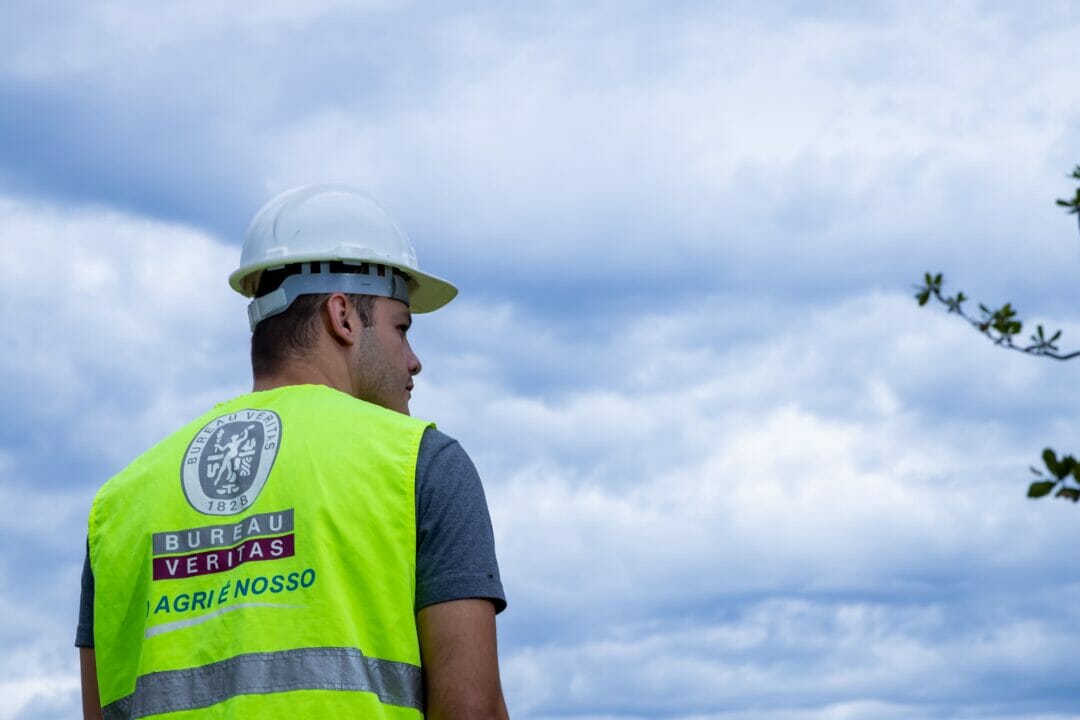
Group Certified the Quality of 7% More Grains Compared to the Previous Period, Aligning with Projections of Increased Commodity Production for This Year
Bureau Veritas, a global leader in Testing, Inspection and Certification (TIC), certified the quality of over half of Brazil’s soybean exports. This year’s soybean harvest exceeded initial market expectations and is projected to reach 153.73 million tons by December 2023, of which 51 million tons were exported by Brazil from January to May. Bureau Veritas was responsible for certifying more than half of the exported volume, achieving a new record in the Group’s operations in the sector with an increase of 7% compared to the previous year. In addition to certifying the quality of products at major Brazilian ports, the company is responsible for classifying grains in the inland warehouses of the country.
“Brazil is one of the protagonists of the global agribusiness, and Bureau Veritas plays a fundamental role in Brazilian agribusiness. With this year’s harvest surpassing historical records of planted area and productivity, our nearly 200 years of expertise, combined with the best technologies on the market, have been essential to certify the quality of products and meet all the needs of producers and consumers,” says Guilherme Cauduro, Director of Agribusiness, Food & Commodities at Bureau Veritas.
The Group operates throughout the soybean production chain, from seed verification at origin, monitoring the crop, classifying stored grains, verifying quality at rail and waterway transshipment terminals to inspecting exported cargo. Particularly at ports, Bureau Veritas certifies the quality of grain at terminals and certifies the volume to be exported, verifying its compliance with the contractual requirements of different destination markets. In just the Port of Paranaguá, the Group inspected the cargo of 16,000 trucks in a single week, totaling approximately more than 500,000 tons of the commodity. The Group’s specialists follow strict inspection and analysis protocols, based on international standards, aiding in risk mitigation in the marketing of grain, meal, and oil.
-
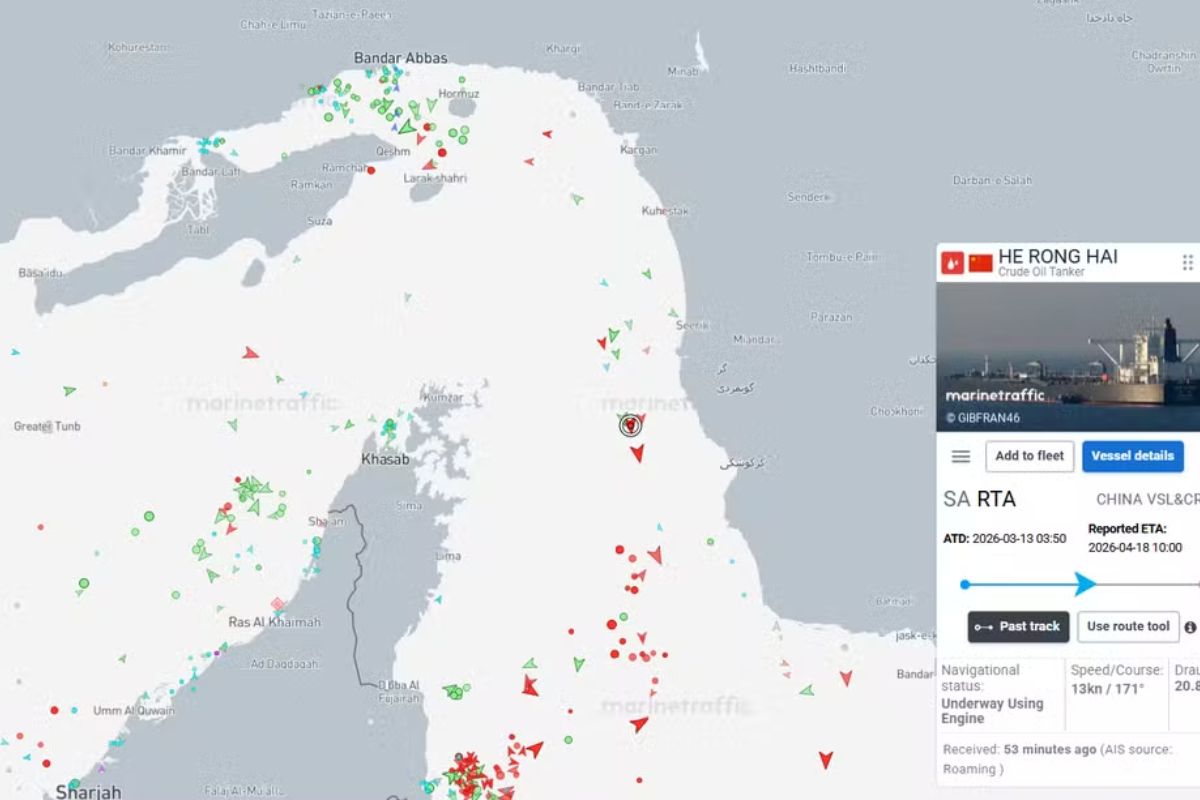
Two Chinese supertankers chartered by Asia’s largest refiner have just crossed the Strait of Hormuz and may be the first to leave the Persian Gulf since the ceasefire between the United States and Iran on a route that still has mines and uncertainties.
-
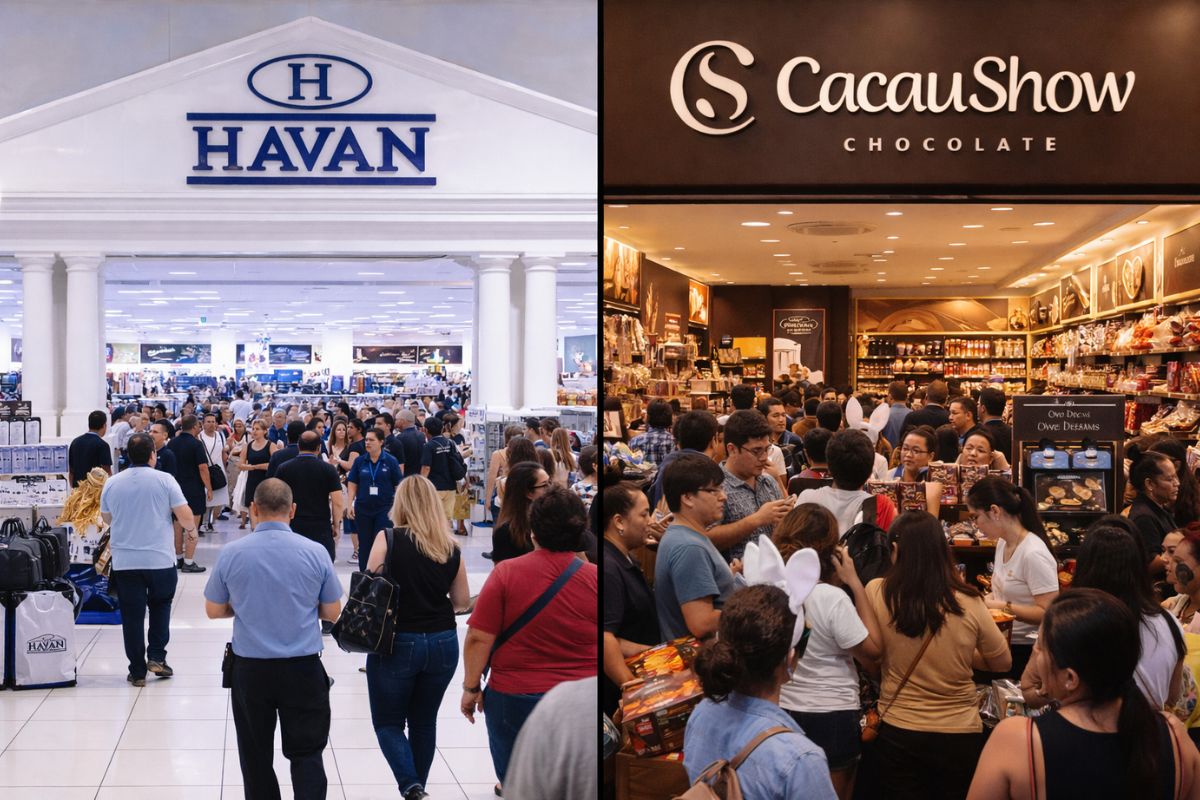
While Havan earns R$ 50 million per day throughout the year, Cacau Show managed six times more in just 24 hours, totaling half a billion reais in two days of Easter.
-
Weak dollar or strong real? The American currency plummets for the third day, approaching R$ 5 and surprising the market with global inflation and tensions in the Middle East that continue to create global uncertainty.

-
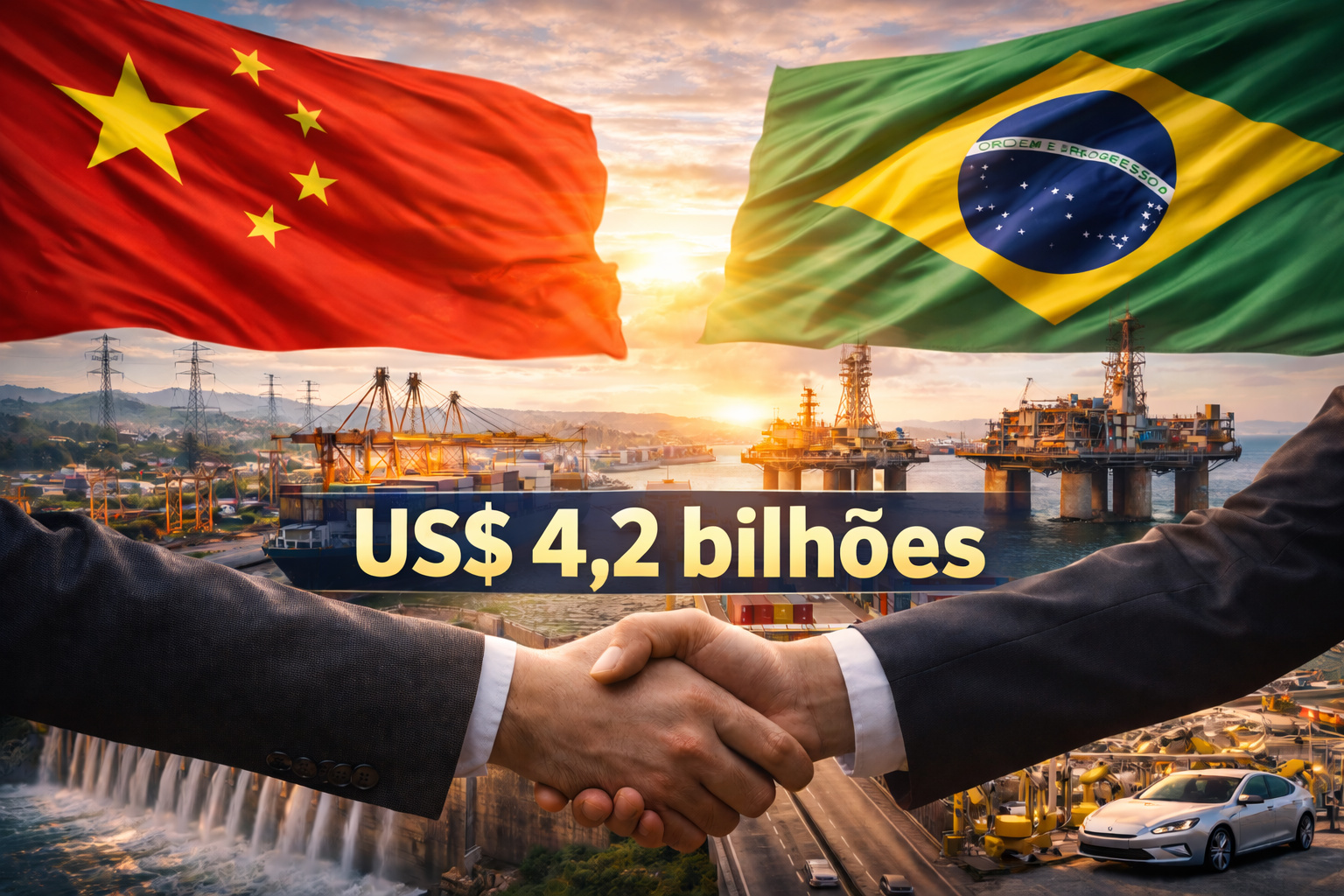
China’s investments in Brazil in factories, energy, oil, electric cars, and new industrial projects double to $4.2 billion, making the country the 3rd largest global destination for Chinese capital.
Bureau Veritas conducted its first grain inspections in Brazil from the origin in the interior to the destination at Brazilian ports in the early 2000s. Currently, the Group is present in the main soybean, corn, cotton, and sugar-producing states and in 15 Brazilian ports, responsible for inspecting over 50% of the grains traded in the country and generating over 1,500 jobs per harvest. It also invests in the infrastructure of the main terminals where it operates to enhance and optimize its operations, contributing to the development of the agricultural sector.
About Bureau Veritas Group
With a global revenue of €5.7 billion, Bureau Veritas is a global leader in Testing, Inspection and Certification (TIC). Founded in 1828, the Group is present in 140 countries, serving over 400,000 clients. There are 80 thousand employees located in more than 1,600 offices and laboratories worldwide, with 6 thousand professionals in Brazil. Bureau Veritas offers a comprehensive portfolio of services and innovative solutions to ensure that assets, products, infrastructure, and processes meet quality, health and safety, environmental protection, and social responsibility standards and regulations.






Seja o primeiro a reagir!