





 Portuguese
  English
  Spanish
  3 min of reading


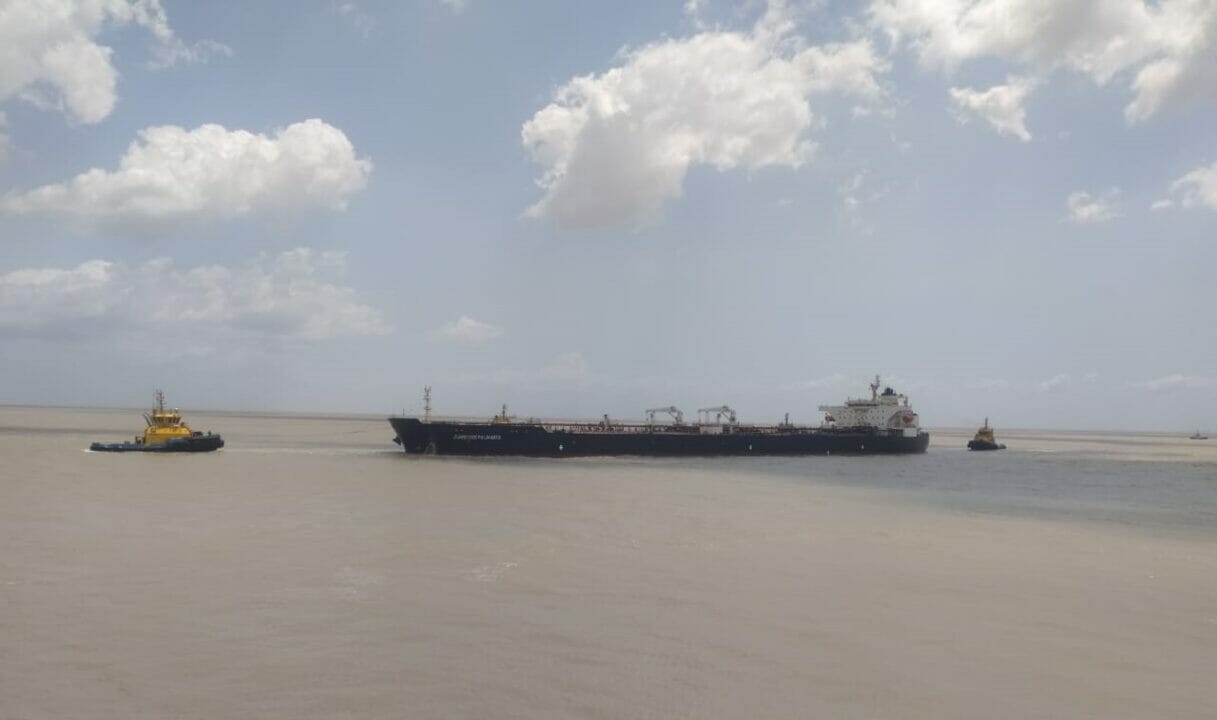
In Just Five Days, Group Certified the Quality of 135 Thousand Tons of Diesel S10 and Supervised the Unloading of Fuel into Land Tanks and Three Other Ships
Bureau Veritas, the global leader in testing, inspection, and certification (TIC), inspects a record volume of fuel at the Port of Itaqui, in São Luís, Maranhão. The Group was responsible for certifying the quality of over 135 thousand tons of Diesel S10, produced in the United Arab Emirates and transported to Brazil on the tanker Zumbi dos Palmares. Due to the size of the cargo, the content had to be distributed among the terminal of the port and three other vessels, requiring logistics operations three times larger than usual.
“This was an unprecedented operation for the Port of Itaqui and required a high level of planning. As Bureau Veritas operates in 14 other major Brazilian ports, our team was able to carry out the inspection of all tanks on the ships and land tanks, as well as supervise four simultaneous unloadings, with maximum efficiency and safety,” says Guilherme Cauduro, Director of Agribusiness, Food & Commodities at Bureau Veritas.
The Group operated for five uninterrupted days to certify the quality and the volume sold in the largest diesel import in the history of Northern | Northeastern Brazil. In routine operations at the region’s ports, the inspected cargo usually ranges from 40 to 50 thousand tons and takes about three days to complete. Bureau Veritas completed the analysis and unloading of the 135 thousand tons transported by Zumbi dos Palmares in just five days, equivalent to 1.7% of fuel imports in 2023.
-
A 100% electric cruise ship for 1,856 passengers, with no engines and no chimneys, promises to reduce emissions by up to 95% and has already been designed for routes such as Barcelona-Rome, paving the way for a new phase in European maritime tourism.

-
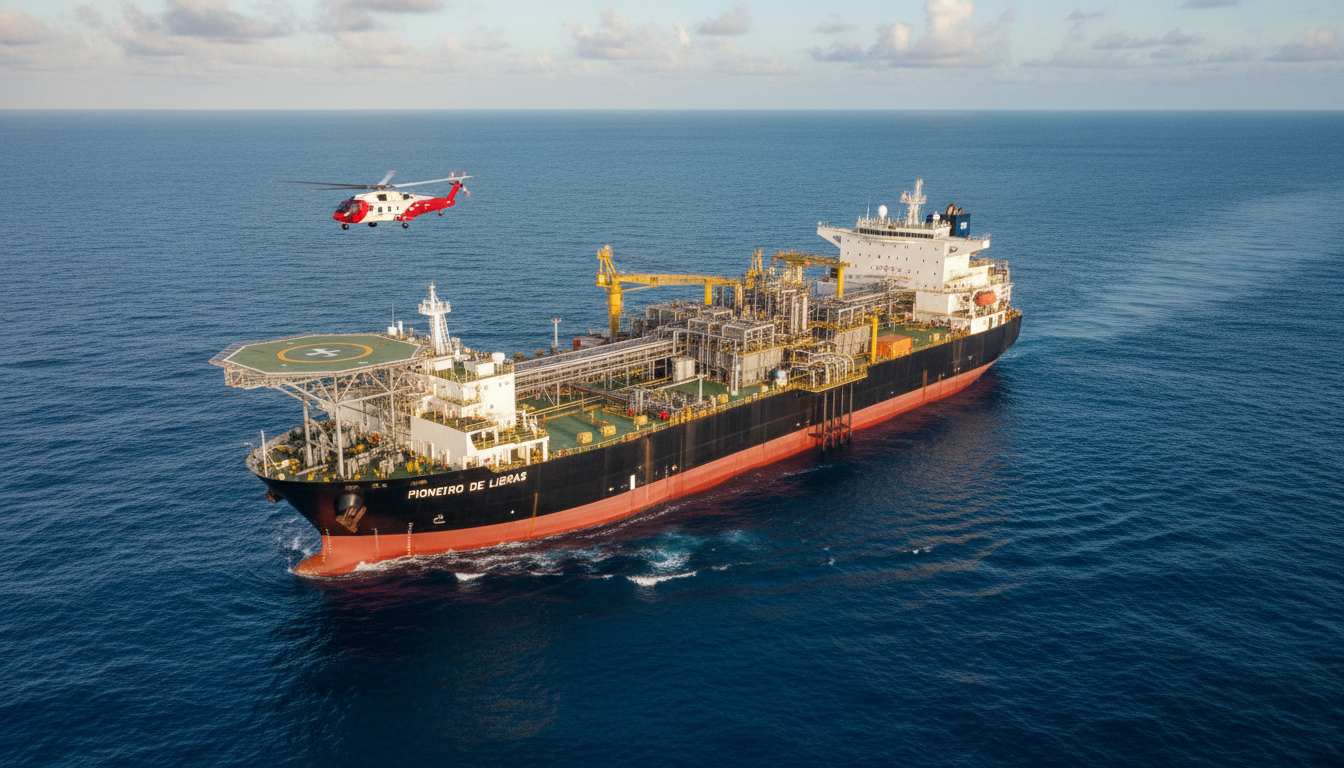
With the war silencing the wells of Iran, Brazil set a record of 5.3 million barrels per day and rose in the global oil ranking without anyone noticing — the pre-salt now accounts for 80% of everything that comes from the seabed.
-
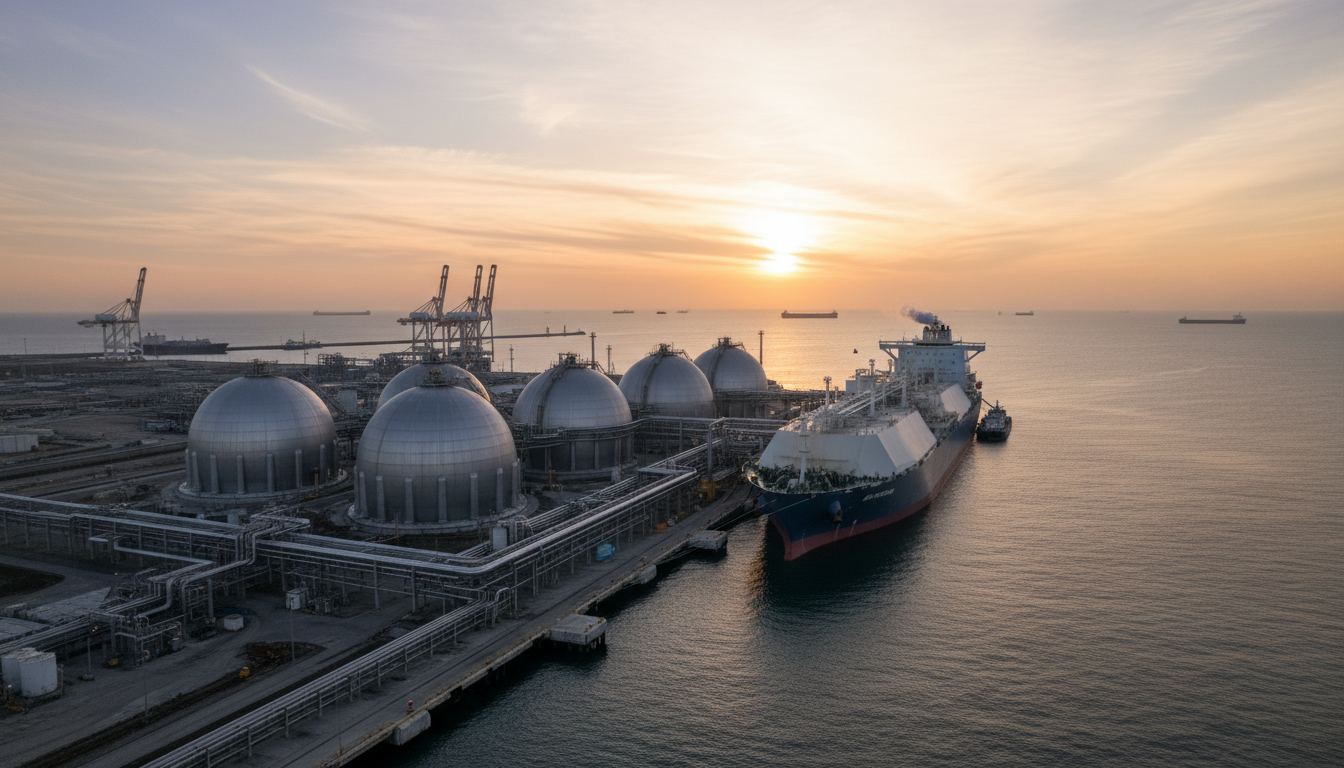
After years of delays and billions invested, the Golden Pass megaterminal in Texas is about to start exporting liquefied gas and will reshape the global energy map amid the Middle East crisis.
-
The artificial intelligence market within the oil industry is worth billions today and will more than double by 2033, and those who do not get on board now with the race for digital twins and autonomous drilling will be left behind.

Samples collected from each of the 13 tanks of the tanker were analyzed in Bureau Veritas’ own laboratories in São Luís and Santos, following the criteria established by the National Agency of Petroleum, Natural Gas, and Biofuels (ANP). Among the aspects verified are density, octane rating, sulfur content, transparency, and impurities. As the reports were issued, certifying the informed quality, the unloading process of the fuel began. Part of the fuel, 55 thousand tons, was stored in the terminals of the Port of Itaqui itself, while the ships Pine Meadow, Endless Summer, and Sergio Buarque de Holanda received 40 thousand, 11, and 18 thousand tons, respectively.
The Port of Itaqui is one of the most important in Brazil, with a strategic location for the origin and destination markets, such as Europe, North America, and the Panama Canal. Bureau Veritas has been operating at the Port of Itaqui for over 20 years, being responsible for inspecting the shipment and unloading of various commodities such as grains, minerals, fertilizers, fuels, and natural gas.
About Bureau Veritas Group
With global revenue of 5.7 billion euros, Bureau Veritas is the world leader in Testing, Inspection, and Certification (TIC). Founded in 1828, the Group operates in 140 countries, serving over 400 thousand clients. There are 80 thousand employees located in more than 1,600 offices and laboratories worldwide, with over 6 thousand professionals in Brazil. Bureau Veritas offers a complete portfolio of services and innovative solutions to ensure that assets, products, infrastructure, and processes meet quality, health and safety, environmental protection, and social responsibility standards and regulations.






Seja o primeiro a reagir!