





 Portuguese
  English
  Spanish
  3 min of reading


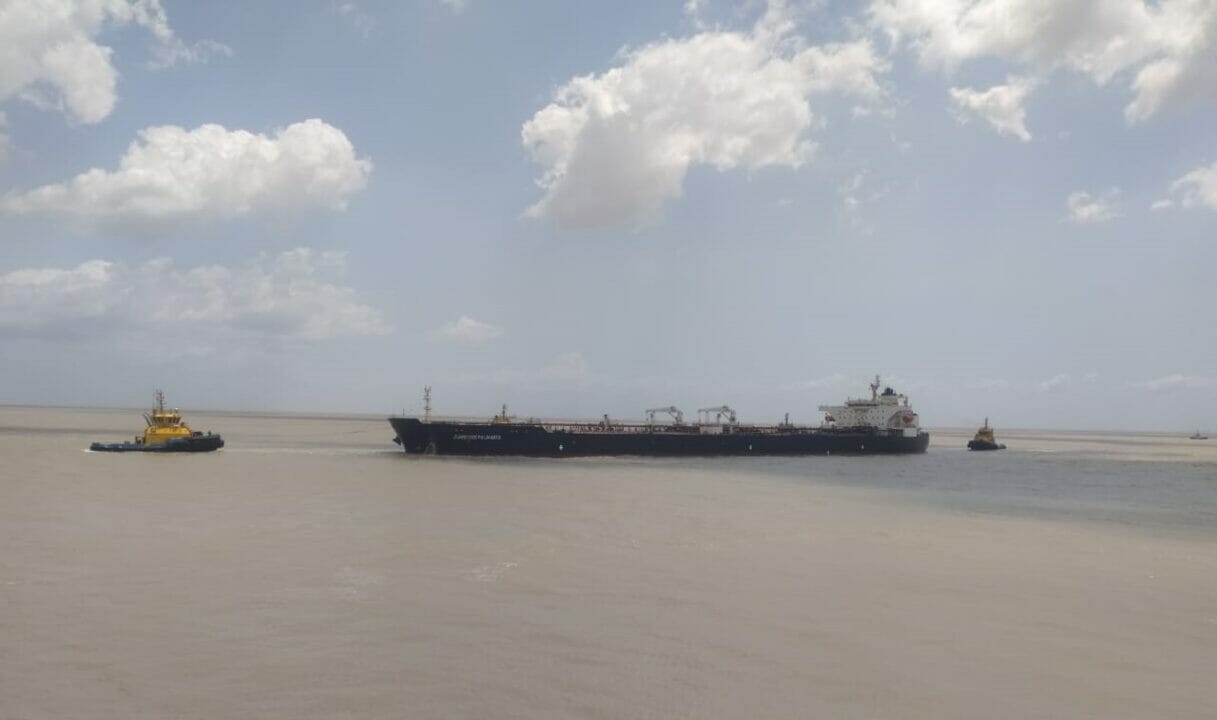
In Just Five Days, Group Certified the Quality of 135 Thousand Tons of Diesel S10 and Supervised the Unloading of Fuel into Land Tanks and Three Other Ships
Bureau Veritas, the global leader in testing, inspection, and certification (TIC), inspects a record volume of fuel at the Port of Itaqui, in São Luís, Maranhão. The Group was responsible for certifying the quality of over 135 thousand tons of Diesel S10, produced in the United Arab Emirates and transported to Brazil on the tanker Zumbi dos Palmares. Due to the size of the cargo, the content had to be distributed among the terminal of the port and three other vessels, requiring logistics operations three times larger than usual.
“This was an unprecedented operation for the Port of Itaqui and required a high level of planning. As Bureau Veritas operates in 14 other major Brazilian ports, our team was able to carry out the inspection of all tanks on the ships and land tanks, as well as supervise four simultaneous unloadings, with maximum efficiency and safety,” says Guilherme Cauduro, Director of Agribusiness, Food & Commodities at Bureau Veritas.
The Group operated for five uninterrupted days to certify the quality and the volume sold in the largest diesel import in the history of Northern | Northeastern Brazil. In routine operations at the region’s ports, the inspected cargo usually ranges from 40 to 50 thousand tons and takes about three days to complete. Bureau Veritas completed the analysis and unloading of the 135 thousand tons transported by Zumbi dos Palmares in just five days, equivalent to 1.7% of fuel imports in 2023.
-
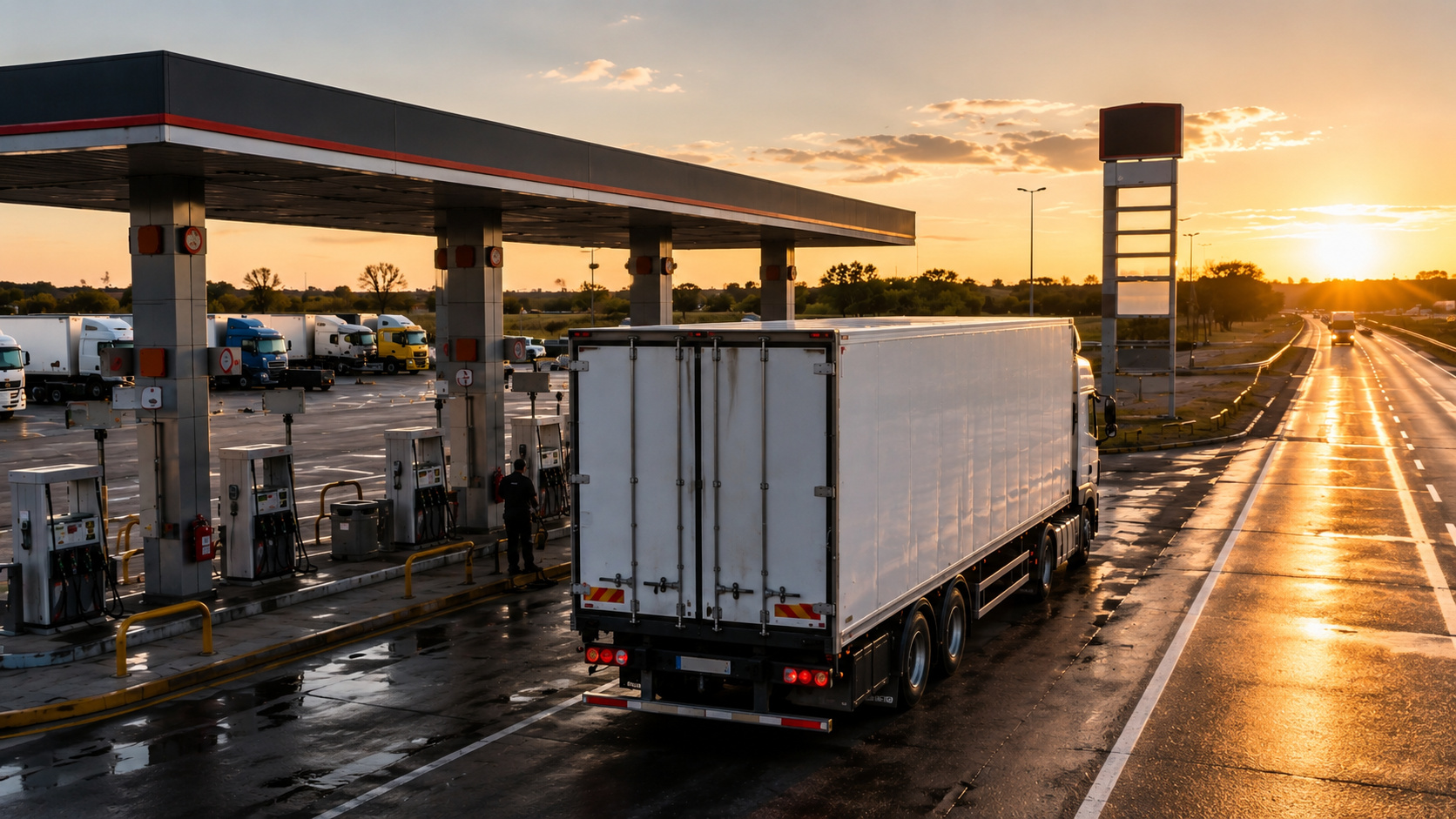
The truck that “bent physics” in the Monte Carlo case: report indicates impossible route between São Paulo and Mato Grosso, R$ 4 million in recorded refueling, R$ 3 million advanced, and suspicion of entries without real correspondence.

-
The Panama Canal stores water in Gatún and Alhajuela lakes to maintain 38 daily crossings and prevent a drought linked to El Niño from once again stalling ships, raising freight rates, and putting pressure on global supply chains as occurred in 2023 and 2024.

-
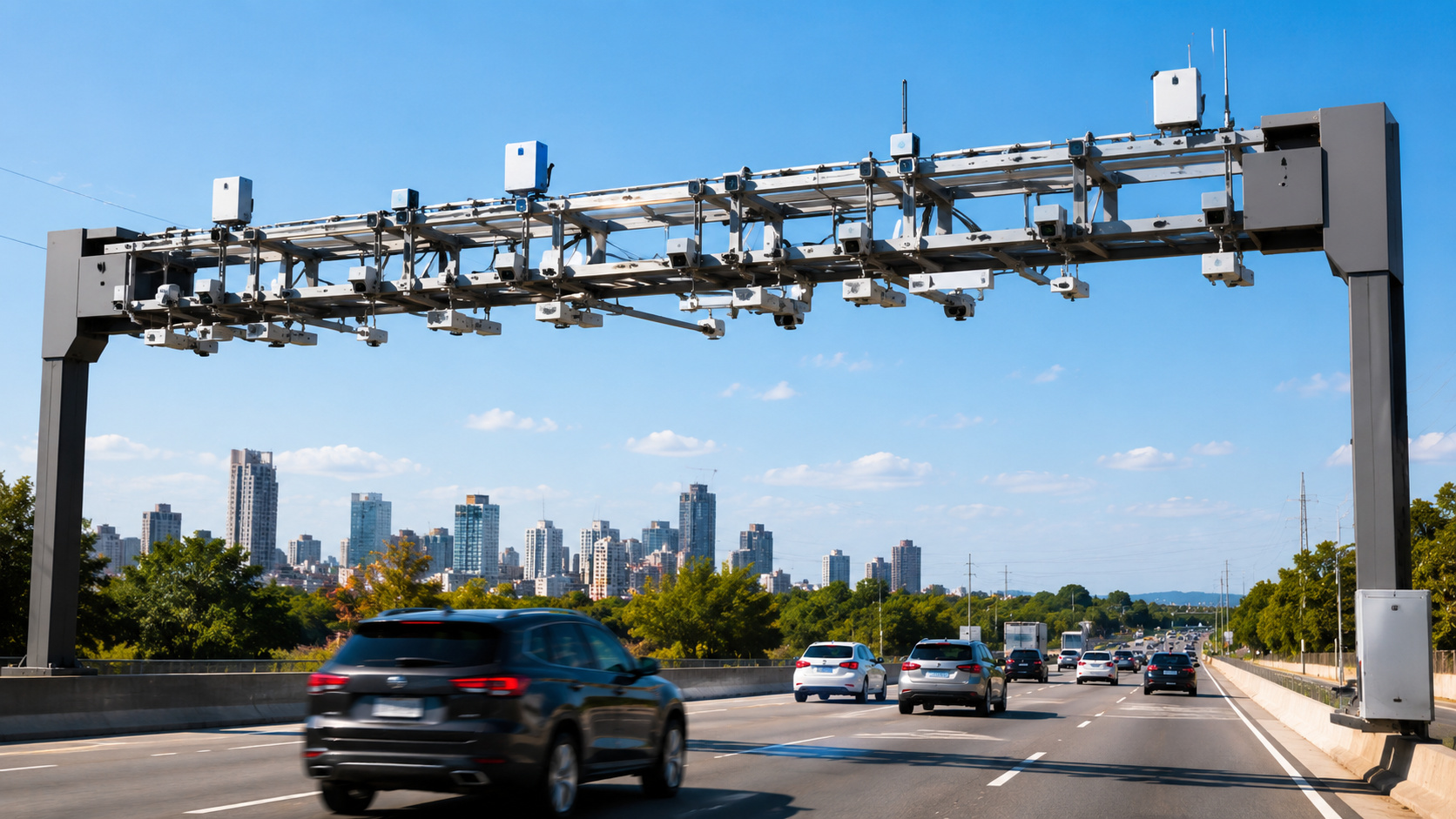
ANTT authorizes new electronic tolls without barriers on highways in Paraná and Goiás, expands free flow toll collection, and introduces drivers to a new rule that may result in a fine if the toll is not paid on time.
-
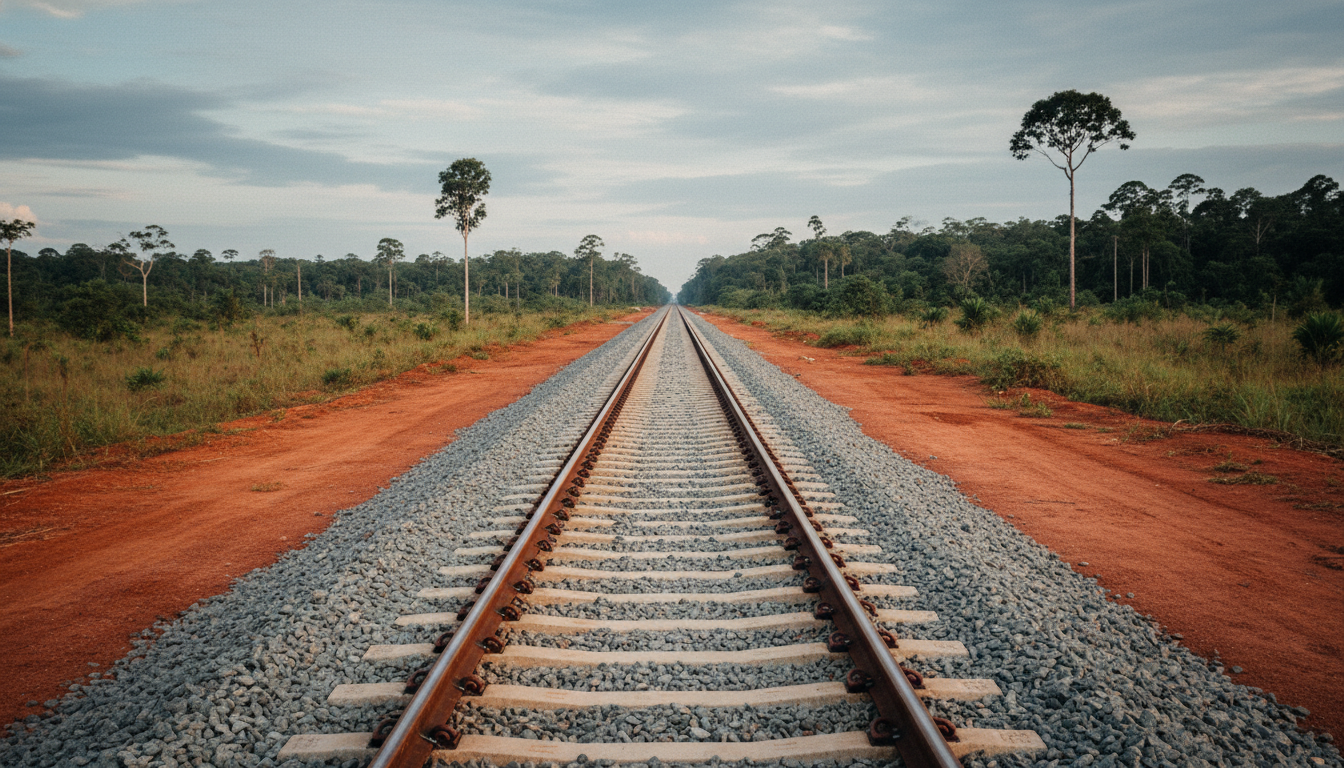
After 5 years stalled by the Supreme Court, the R$ 9 billion Ferrogrão railway is back on track to connect Sinop to Miritituba over 933 kilometers, transport grains by rail, and cut 50% of CO2 emissions from Brazilian agribusiness.


Samples collected from each of the 13 tanks of the tanker were analyzed in Bureau Veritas’ own laboratories in São Luís and Santos, following the criteria established by the National Agency of Petroleum, Natural Gas, and Biofuels (ANP). Among the aspects verified are density, octane rating, sulfur content, transparency, and impurities. As the reports were issued, certifying the informed quality, the unloading process of the fuel began. Part of the fuel, 55 thousand tons, was stored in the terminals of the Port of Itaqui itself, while the ships Pine Meadow, Endless Summer, and Sergio Buarque de Holanda received 40 thousand, 11, and 18 thousand tons, respectively.
The Port of Itaqui is one of the most important in Brazil, with a strategic location for the origin and destination markets, such as Europe, North America, and the Panama Canal. Bureau Veritas has been operating at the Port of Itaqui for over 20 years, being responsible for inspecting the shipment and unloading of various commodities such as grains, minerals, fertilizers, fuels, and natural gas.
About Bureau Veritas Group
With global revenue of 5.7 billion euros, Bureau Veritas is the world leader in Testing, Inspection, and Certification (TIC). Founded in 1828, the Group operates in 140 countries, serving over 400 thousand clients. There are 80 thousand employees located in more than 1,600 offices and laboratories worldwide, with over 6 thousand professionals in Brazil. Bureau Veritas offers a complete portfolio of services and innovative solutions to ensure that assets, products, infrastructure, and processes meet quality, health and safety, environmental protection, and social responsibility standards and regulations.






Be the first to react!