





 Portuguese
  English
  Spanish
  3 min of reading


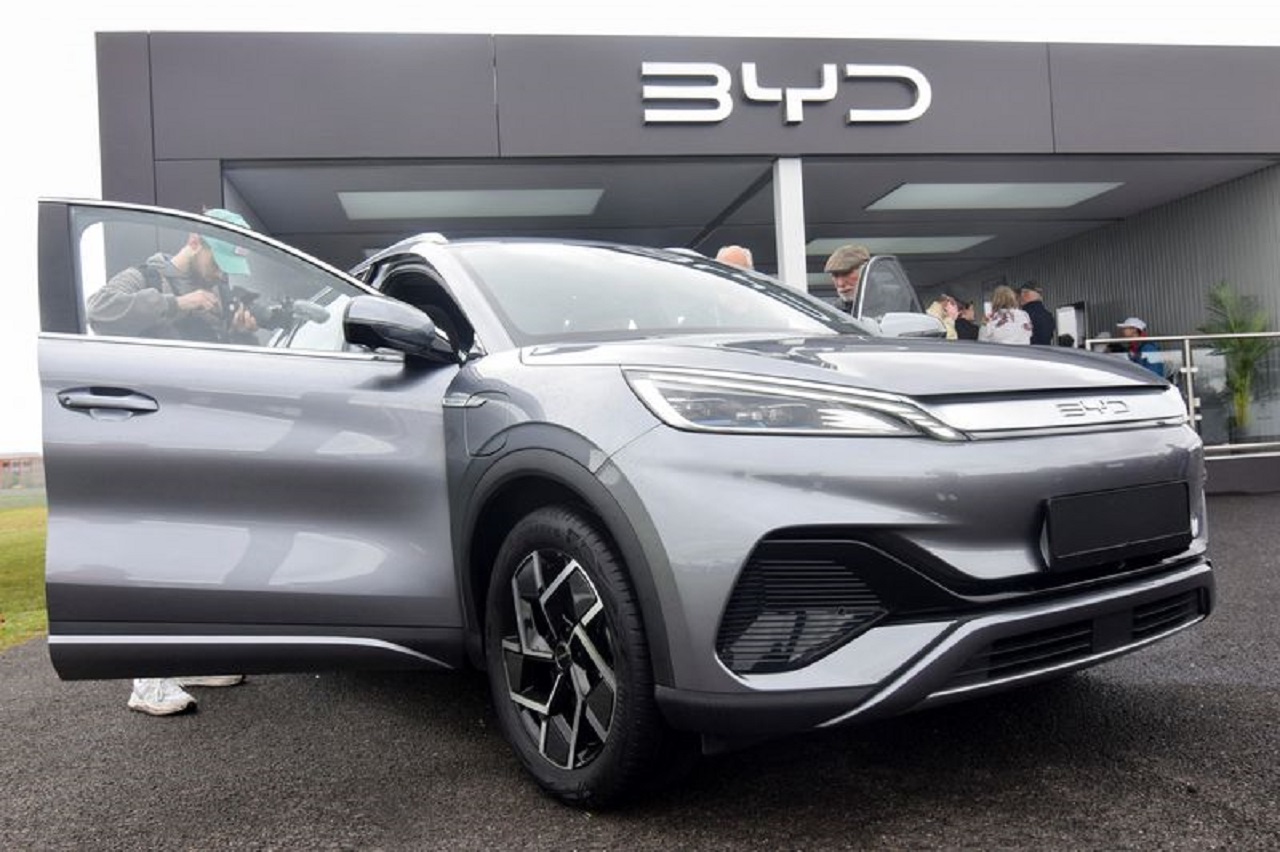
BYD Is Advancing With Its Research Toward Autonomous Direction. Now, The Company Is Making New Hirings for The Construction of Autonomous Cars That Aim to Compete With Tesla.
BYD, a Chinese electric vehicle manufacturer, is catching up in the production of vehicles with autonomous driving. It has created a special division for this technology, promoting a large wave of talent hiring, according to a company announcement at a meeting with its investors.
The automaker was questioned about the delay in the advancement of autonomous car technologies, and BYD’s Senior Vice President, Stella Li, explained that around 4,000 to 5,000 engineers have been hired recently to address the shortfall.
BYD Aims to Compete With Xpeng, Nio, and Tesla in The Autonomous Driving Market
According to Stella Li, the company is not ahead of others but will present various types of innovation in two to three years. According to reports, BYD set up a smart driving research division in Shanghai last year.
-
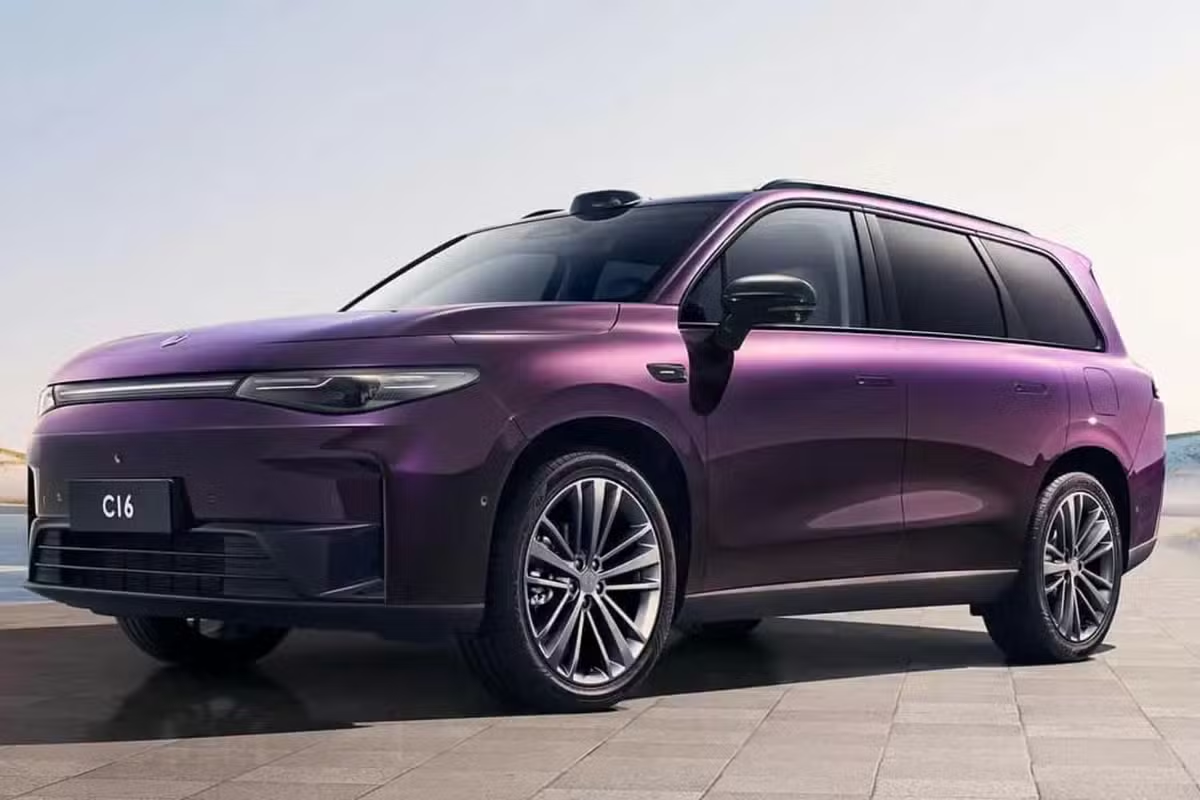
Leapmotor C16 lands in Brazil in 2027 with electric and hybrid options, a futuristic design, interior for 6 people, and a range that can exceed 1,000 km in another Chinese offensive from Stellantis.
-
Why buying a car at a dealership is more expensive? New study reveals the factors that raise the price.

-
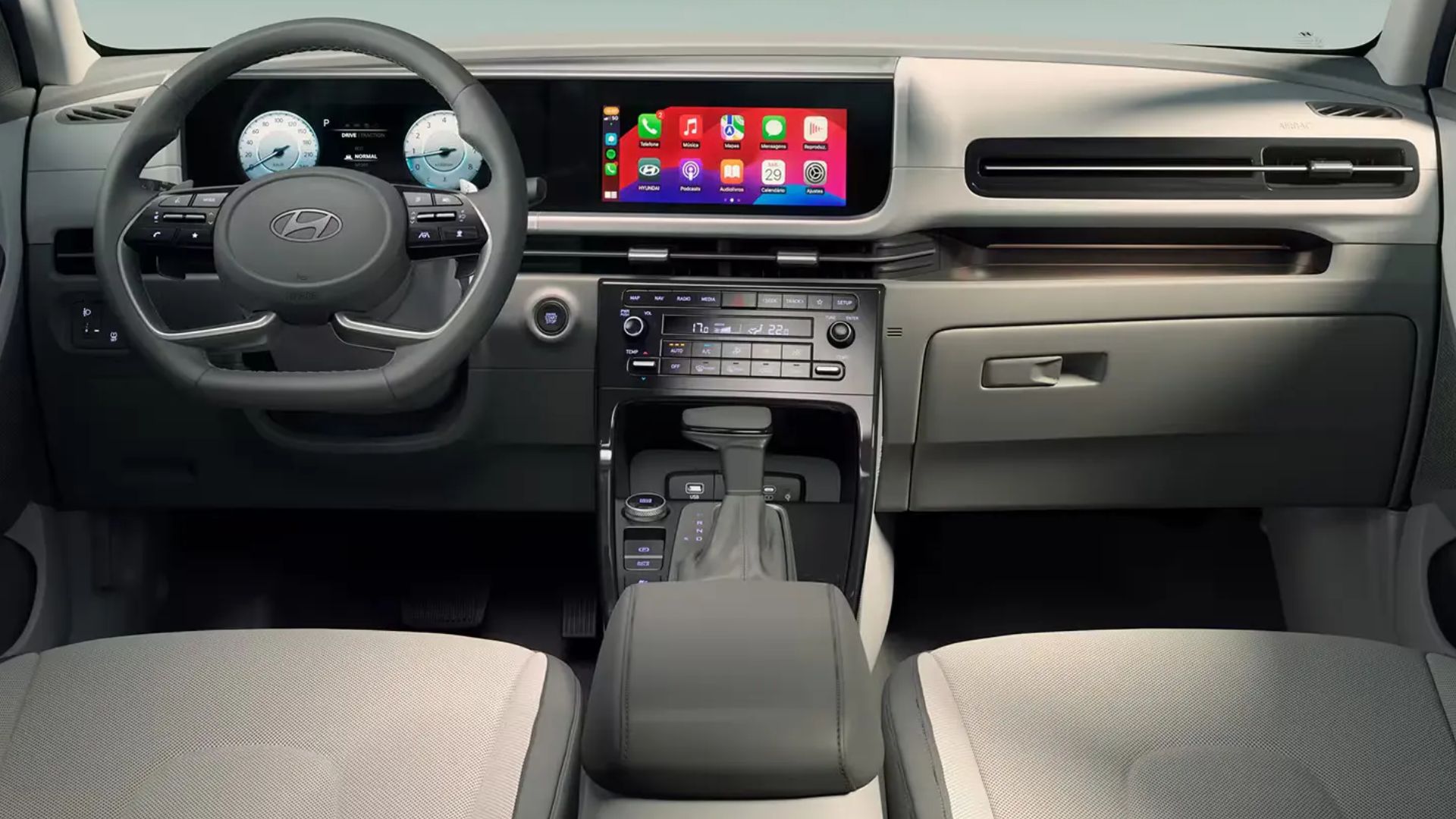
Starting at R$ 144,590 and featuring a 1.0 turbo engine and a complete ADAS package, the 2026 Hyundai Creta surpasses the Nivus, Pulse, and even the Kwid, advancing in the SUV rankings in Brazil.
-
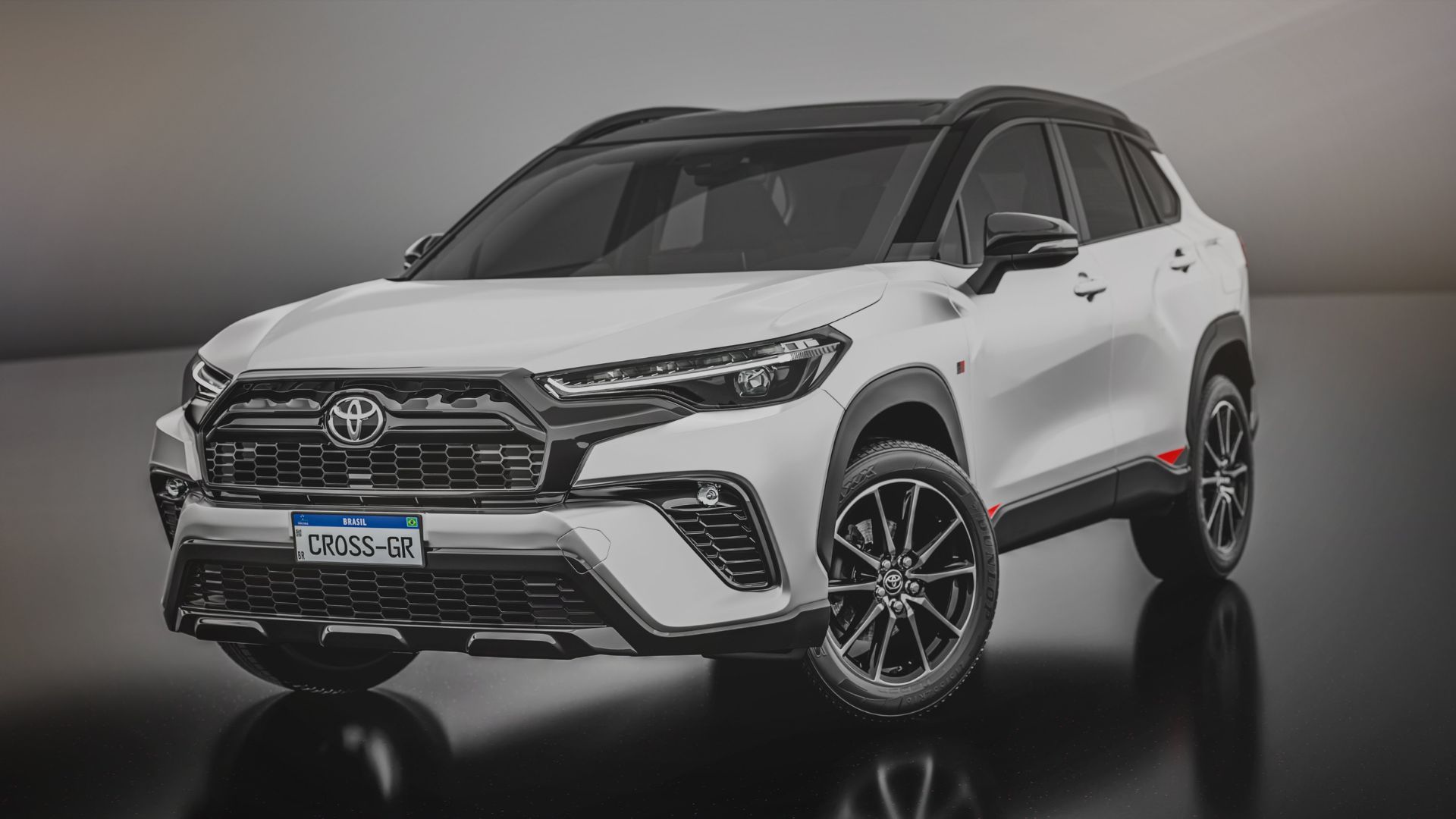
Used Toyota Corolla Cross features a 2.0 engine with up to 177 hp, a hybrid version that achieves up to 17 km/l and 122 hp combined, a 10-speed CVT transmission, a package with 6 airbags and adaptive cruise control, as well as prices starting from R$ 117,000 and reaching R$ 149,000 in versions such as XRE, XR, XRV Hybrid, and GR-S.
Previously, engineers working on autonomous driving were divided among various parts of the company. However, with the new division, efforts will have a greater focus on high-level automated driving technology. This move implies that the Chinese automaker will leverage its full capacity in the competition against rivals such as Xpeng, Nio, and its main competitor, Tesla, led by billionaire Elon Musk.
Another proof of this is that BYD is also focused on its new driver assistance technology, which competes directly with Musk’s company’s autopilot. Tesla Autopilot has been on the market for several years and is one of the prominent technologies of Musk’s company. According to Tesla, its vehicles are the safest in history, due to their unique design and powertrain.
On the other hand, its autonomous driving technology is standard across all cars and is not as innovative compared to current sets of advanced driver assistance systems that are already present in the market.
How Does BYD’s New Autonomous Car Technology Work?
The new advanced safety system is expected to be revealed by BYD in the third quarter of this year, and it is worth noting that the Chinese brand is also associated with autonomous driving chip technology companies Nvidia and Horizon Robotics.
The Orin, from Nvidia, is one of the most powerful autonomous driving computing platforms in the world and will be used in the next generation of BYD’s Ocean and Dynasty cars.
The company’s innovation will bring technology with a high-speed navigation-assisted driving function, called DNP. This system will operate like Tesla’s autonomous driving, allowing the vehicle to change lanes and enter or exit highways, while the driver supervises and possibly takes control if necessary.
Get to Know BYD
BYD arrived in Brazil in 2015, when it inaugurated its first assembly plant for fully electric buses in Campinas (SP). In 2017, it opened a second factory also in Campinas (SP) for the production of photovoltaic modules.
The multinational operates with the mission of building a sustainable future powered by energy, where cities and nature coexist peacefully and where clean, pure air is guaranteed. As a pioneer in renewable energy solutions, BYD is committed to providing a zero-emissions ecosystem. The company aims to build a sustainable future through electricity.
In 2020, the company began operations at its third factory in Brazil, in the Industrial Pole of Manaus (PIM), focusing on the production of lithium iron phosphate batteries. The company is also responsible for two SkyRail projects (monorail) in Brazil: in Salvador, with the Suburb VLT, and in São Paulo, with Line 17-Gold.








Seja o primeiro a reagir!