





 Portuguese
  English
  Spanish
  5 min of reading
  0 comments


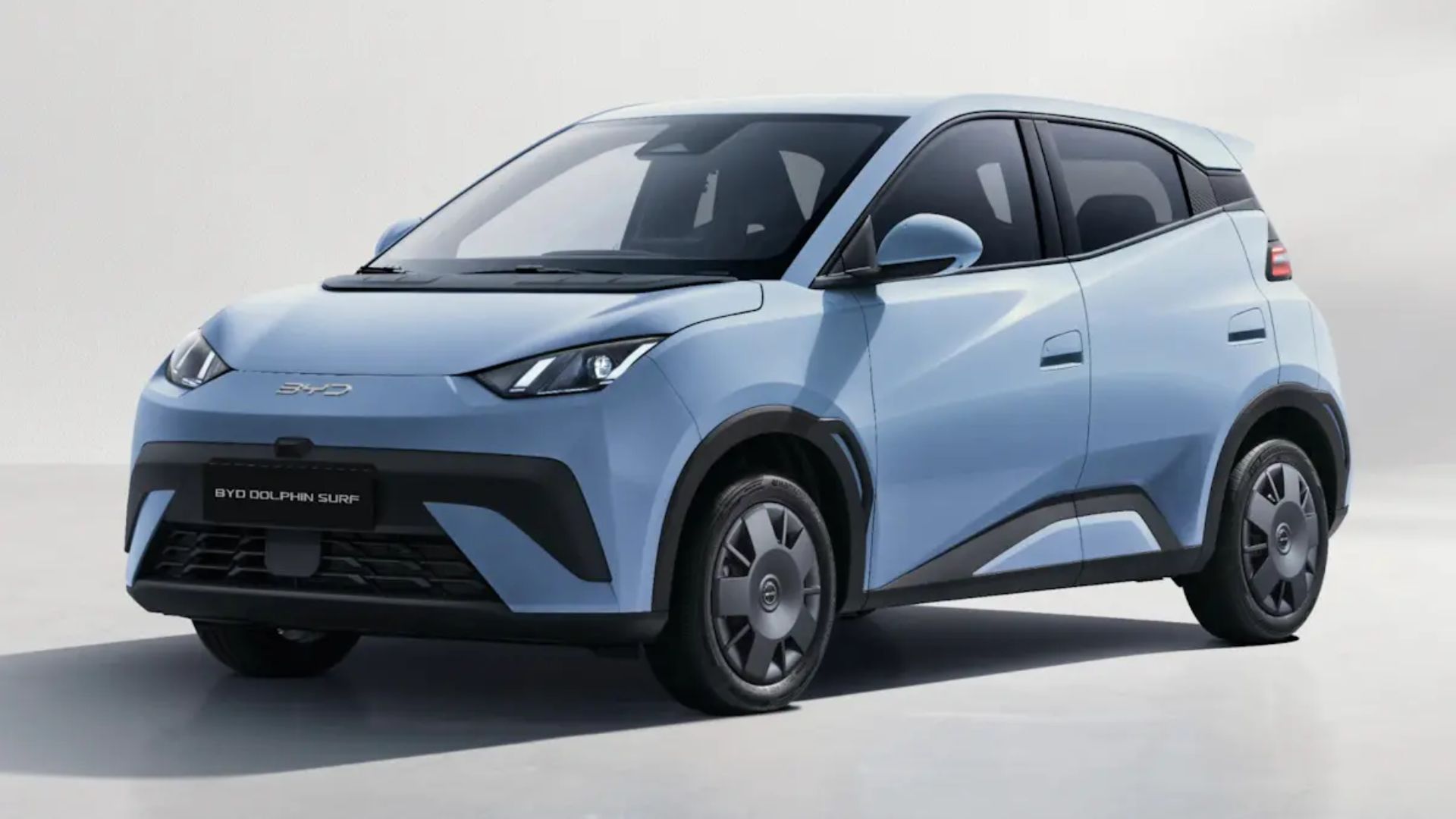
BYD’s Electric Compact Has More Affordable Versions in China and Europe, With Different Batteries, Varied Ranges, and Prices That Stand Out Compared to the Unique Model Sold in Brazil.
The BYD Dolphin Mini has more affordable versions with greater range in China than the configuration sold in Brazil.
There, the compact starts at the equivalent of R$ 63 thousand, features a 32 kWh battery, and offers a range of 305 km in the CLTC cycle, along with a 95 hp motor.
In the Brazilian market, the model costs R$ 115.8 thousand and offers 280 km of range in the PBEV, the standard used in the country.
-
The Toyota Hilux is R$ 75.5 thousand cheaper and bets on the 2.8 turbodiesel engine with up to 204 hp and 50.9 kgfm to catch up with the VW Saveiro, which leads with 4,472 sales.
-
The new Renault Koleos has a screen exclusively for the passenger that is invisible to the driver, heated rear seats, and 29 assistance systems, but its Chinese competitors cost R$ 40,000 less and deliver more power.
-
The car stored for 38 years: when opening the barn door, what appears is breathtaking and looks like a scene from a movie!

-
Fiat works miracles in the Brazilian market, lowers the price of its 0 km hatch to R$ 69,990, reestablishes the model as the cheapest car in the country, and reignites the battle against Kwid and C3.

Price and Range in China
In China, the Dolphin Mini is sold starting at 99,800 yuan, an amount that, when directly converted, is close to R$ 63 thousand.
This entry-level configuration uses 16-inch wheel covers instead of 17-inch alloy wheels and delivers 305 km of range according to the CLTC, the local measurement cycle.
There are also variants with larger batteries in the Chinese market.
In these options, the range reaches 405 km, measured by the NEDC.
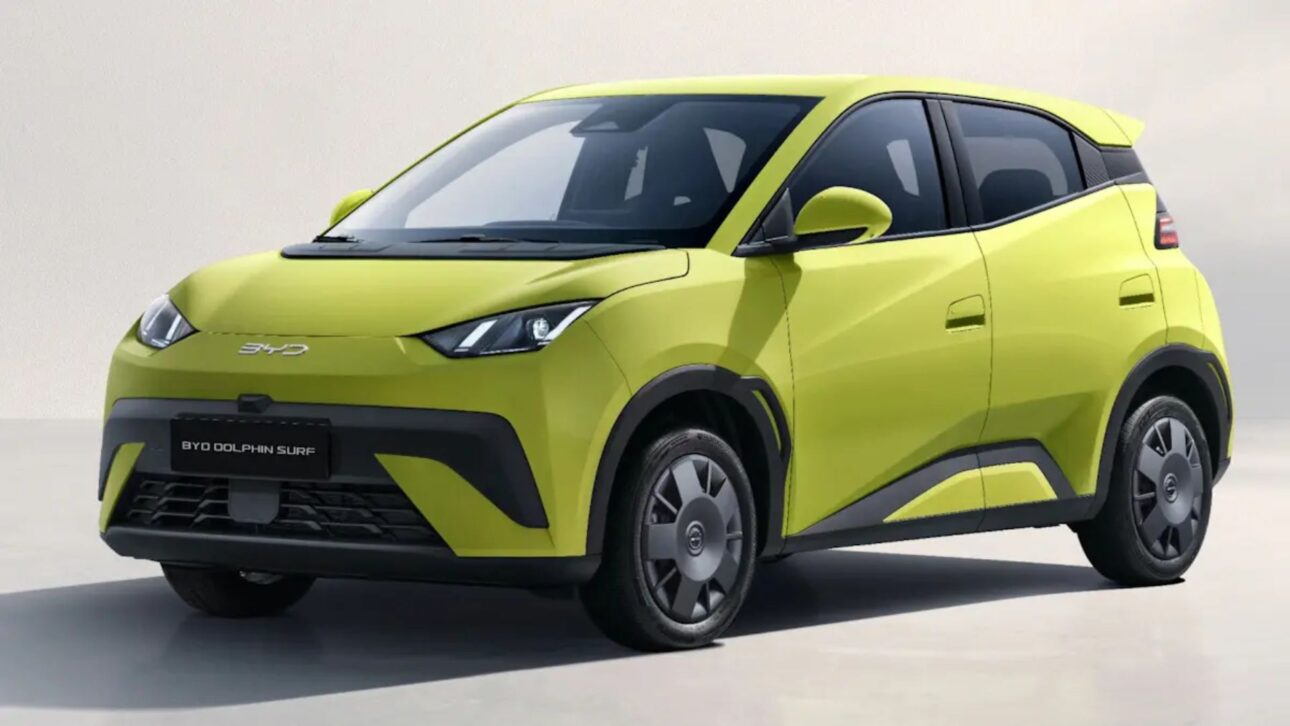
Although the NEDC is an older and less demanding protocol than WLTP and PBEV, the figures show that the range available for sale in China offers superior reach compared to the announced for Brazil, even at a lower price.
Europe Changes the Name and Package
Outside Brazil, the same car adopts a different commercial strategy.
In Europe, the model is offered as Dolphin Surf, in three equipment levels: Active, Boost, and Comfort.
The entry-level version uses a 30 kWh battery and has a range of 220 km according to WLTP, the more rigorous European standard.
The higher options migrate to a 43.2 kWh battery and achieve 320 km in the same cycle.
European prices start at 20,990 euros, an amount that converts easily exceeds what is charged in Brazil.
The difference, however, is not direct: tax structures and equipment packages vary from one country to another.
Still, the comparison illustrates that the European Dolphin Surf, despite being more expensive on paper, offers versions with larger battery capacity than the Brazilian model.
Brazil Has Only One Configuration
In the national market, the Dolphin Mini is sold in only one version.
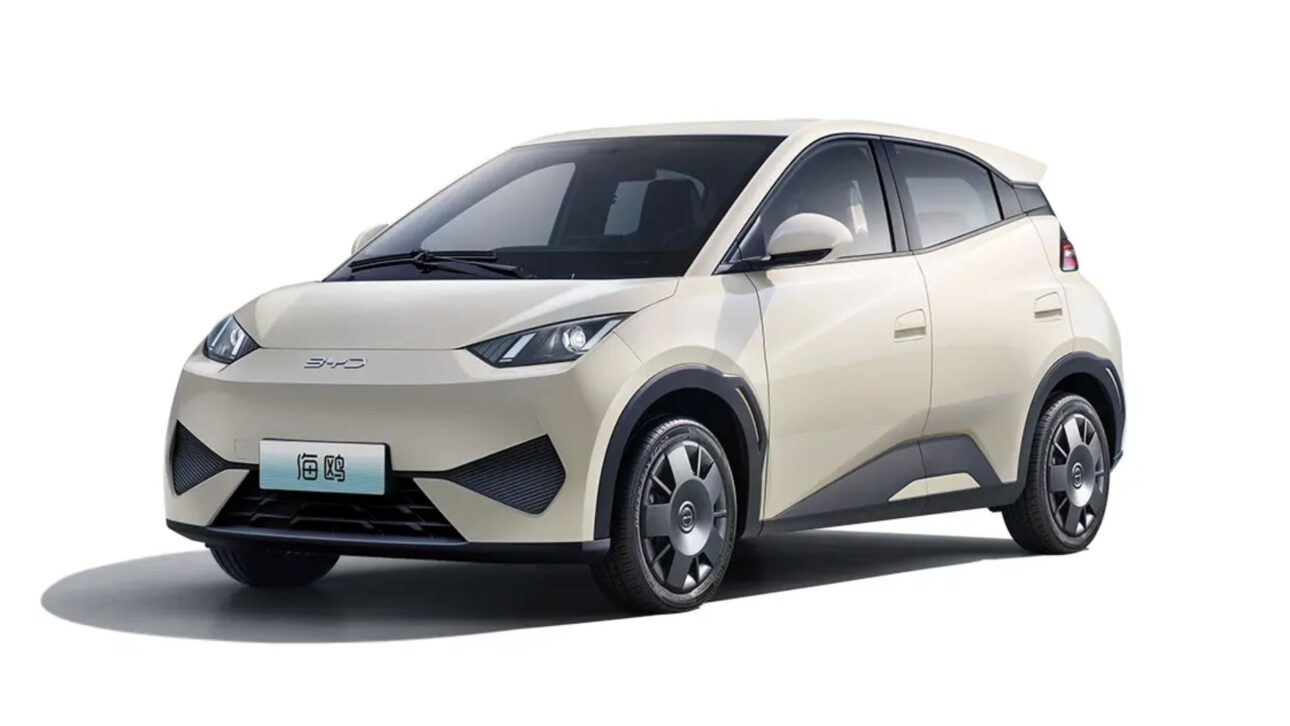
The package includes a 38 kWh battery, 280 km of range in the PBEV, and 16-inch alloy wheels as standard.
The reported public price is R$ 115,800.
The original text mentions a power output of 75 hp in one section and 95 hp in another.
The Chinese version uses a 70 kW (95 hp) motor.
The Brazilian configuration, according to the materials provided, maintains 38 kWh of battery and 280 km in the PBEV.
Since the power figures appear inconsistent, the article focuses on price, battery, and range to preserve accuracy.
Difference Between Measurement Cycles
The range figures vary depending on the protocol used.
The CLTC (China) and the NEDC (older) tend to be more optimistic, as they consider usage profiles with gentle accelerations and lower average speeds.
The WLTP (Europe) and PBEV (Brazil) are more conservative, with cycles that better approach real-world usage.
In practice, this methodological difference helps to understand why a car with 32 kWh can record 305 km in the CLTC, while another, with 38 kWh, marks 280 km in the PBEV.
Still, even taking the methodology into account, it stands out that Chinese versions at a lower price provide superior range or, at the very least, competitive compared to the model sold here.
The technical package, the calibration of the powertrain, and the final weight of the vehicle also influence the outcome.
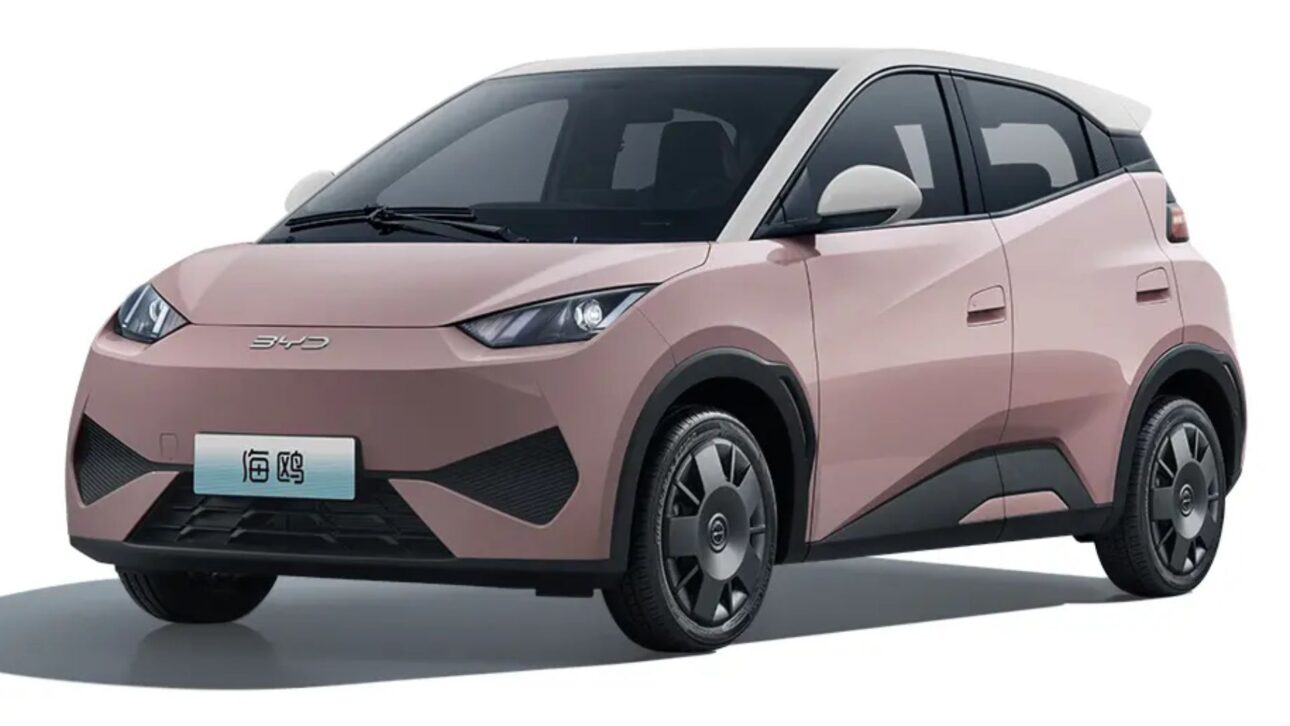
Equipment and Wheels: Differences Between Markets
A trivial but useful distinction for buyers lies in the wheels.
The cheapest option in China uses 16-inch wheel covers, reducing costs and, in some cases, contributing to lower rolling resistance.
In Brazil, the Dolphin Mini already comes factory-equipped with 16-inch alloy wheels, an item that adds perceived value to the package.
In Europe, the Active version follows the Chinese logic, featuring 16-inch wheel covers, while the Boost and Comfort configurations adopt larger batteries and a more complete equipment package.
This gradation by version does not occur in Brazil, where the model is sold in a single configuration.
Currency Conversion and Taxes
Comparing international prices requires caution.
The “showroom” conversion helps to provide a sense of proportion, but exchange rates, taxes, and local rules distort the picture.
The amount of R$ 63 thousand mentioned for China considers direct conversion from the price of 99,800 yuan and does not include import costs, logistics, and margins.
In Europe, in addition to specific taxes, there are package variations by country that can increase or decrease version prices.
Even with these caveats, the central correlation of the study remains: in the origin, the Dolphin Mini offers more range for less money in specific versions, while in Brazil the price is relatively competitive compared to the European scenario, but with inferior reach.
Impact on the Brazilian Consumer
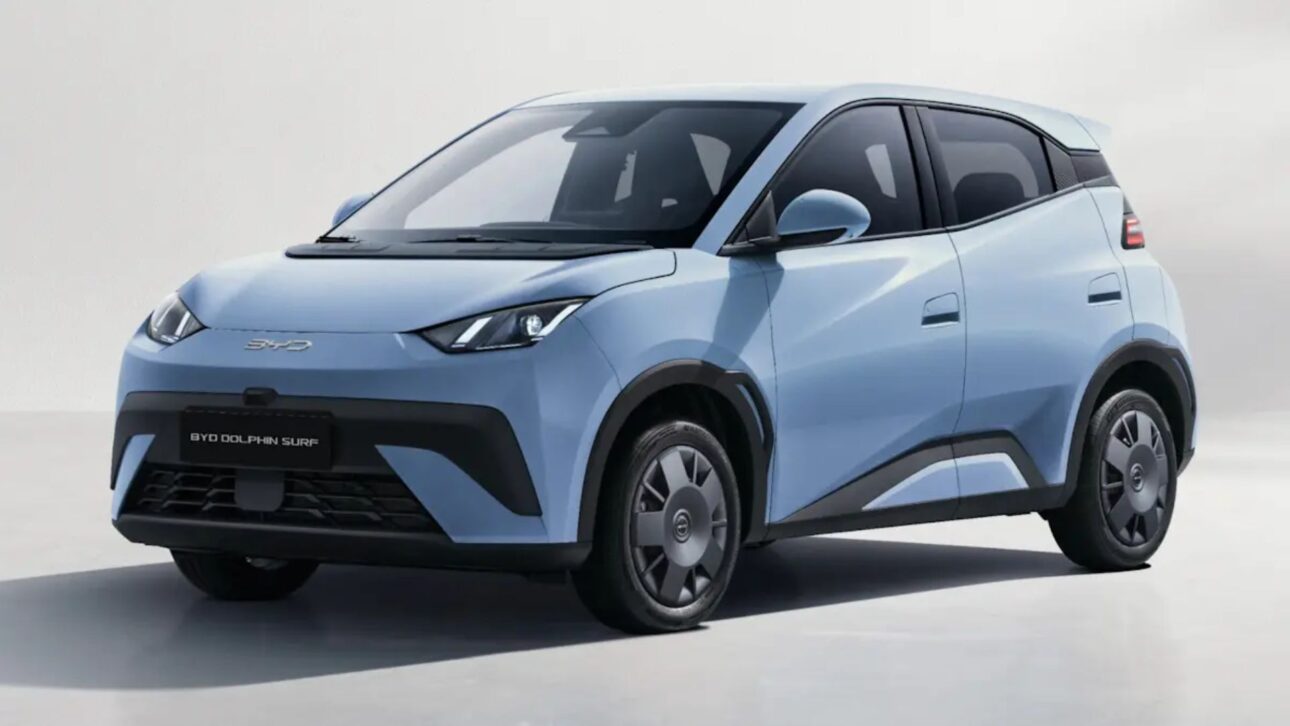
For those looking for an entry-level electric car, the Brazilian Dolphin Mini remains among the cheapest options in the segment, with adequate range for urban use and quicker charging than models with larger batteries.
However, the informed consumer will notice that in markets like China, BYD sells versions with different batteries and superior ranges at lower sticker prices.
This understanding reinforces the importance of evaluating usage profile, charging infrastructure in the city, and total cost of ownership when deciding.
For short daily trips, the 280 km in the PBEV may be sufficient.
However, for those who need extra range, the foreign versions with larger batteries demonstrate how the design can deliver more reach, even though this is not yet officially available here.
Is It Worth Paying More for Alloy Wheels and a Complete Package?
Alloy wheels, multimedia systems, and visual items add perceived value but do not increase range.
By opting for a single configuration with alloy as standard and 38 kWh battery, Brazil receives a “closed” package that simplifies commercial communication and logistics.
On the other hand, the lack of a catalog with a smaller battery and lower price, like what exists in China, limits the entry ladder for those prioritizing cost.
If there were a more basic version here, with wheel covers and a price below R$ 100 thousand, would it attract a new audience for electric vehicles?







-

Uma pessoa reagiu a isso.