





 Portuguese
  English
  Spanish
 4 min of reading
  0 comments


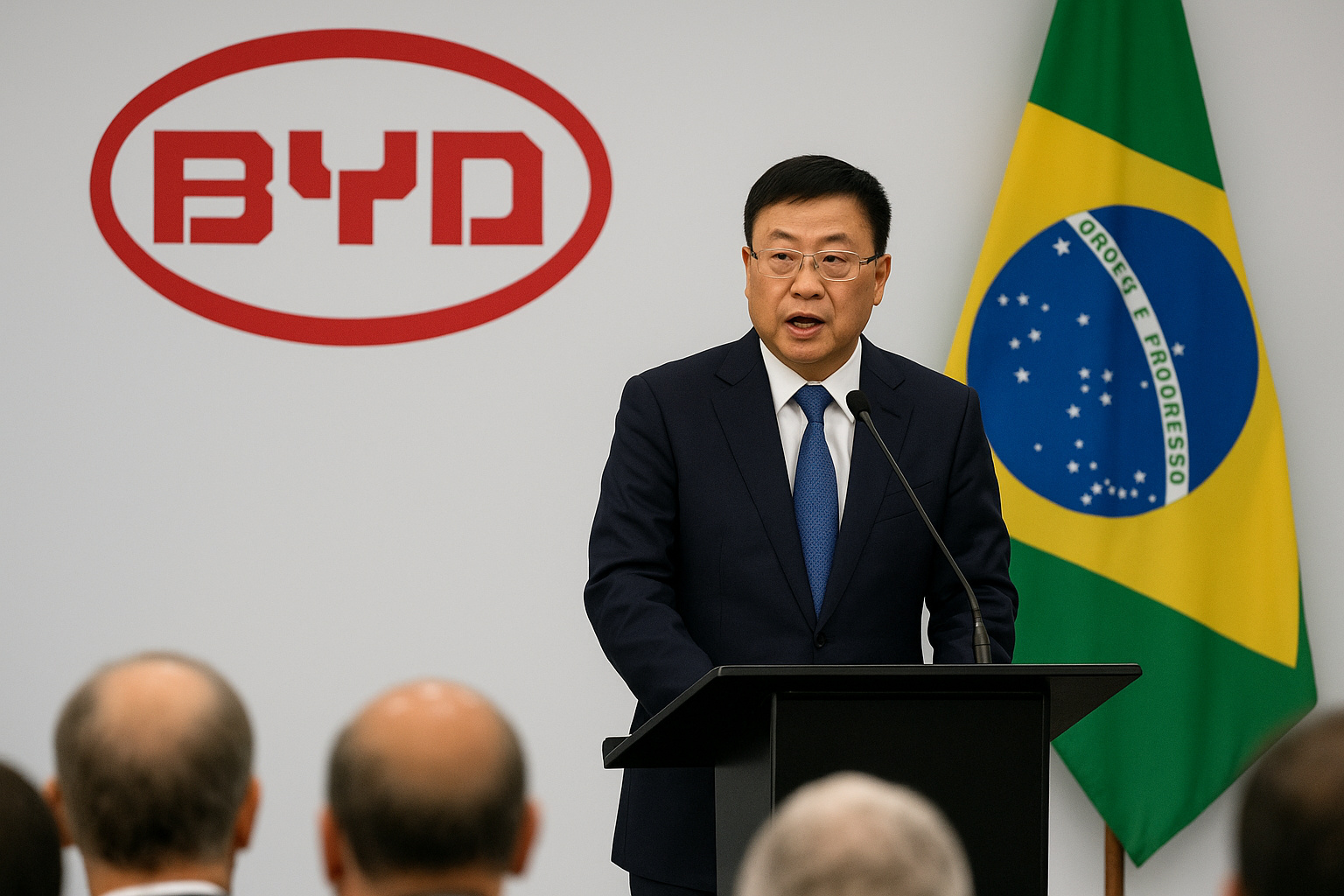
Complex in Camaçari Marks the Beginning of National Production by BYD and Symbolizes a New Phase of the Brazilian Automotive Industry
BYD Brasil officially opened its first factory for electric and hybrid vehicles in Brazil on Thursday (October 9, 2025). The facility is located in Camaçari, in the Metropolitan Region of Salvador (Bahia). The investment, which exceeds R$ 5.5 billion, drives the advancement of electric mobility in the country and marks a new stage for the national automotive industry.
The ceremony took place at 11:30 AM and was attended by President Luiz Inácio Lula da Silva. Also present were Vice President and Minister of Development, Industry, Commerce and Services, Geraldo Alckmin, and Minister of the Civil House, Rui Costa. The global president of BYD, Wang Chuanfu, and the governor of Bahia, Jerônimo Rodrigues, also participated. According to the Secretariat of Communication of the Presidency, the event symbolizes a new milestone in Brazilian reindustrialization and reinforces the government’s commitment to sustainable growth.
A New Era of Electric Mobility in Brazil
With the inauguration, the country finally joins the group of nations with its own production of electric and hybrid vehicles, which strengthens the Brazilian industrial park and drives technological innovation. Furthermore, the Camaçari complex demonstrates the company’s commitment to creating qualified jobs, promoting sustainable development, and strengthening the local economy.
-
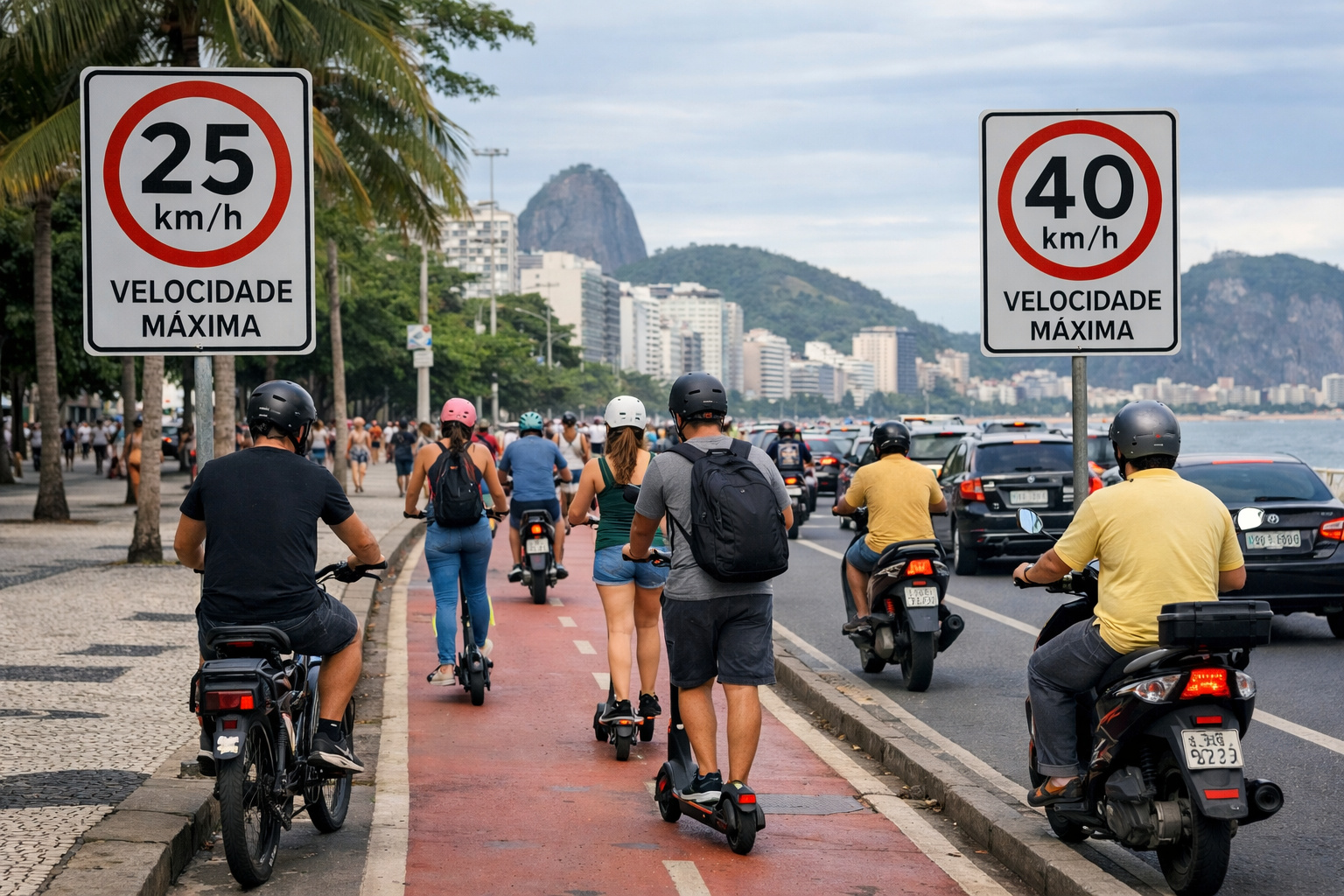
Rio imposes new strict rules for electric vehicles and surprises drivers with helmet requirements, registration, and circulation restrictions.
-
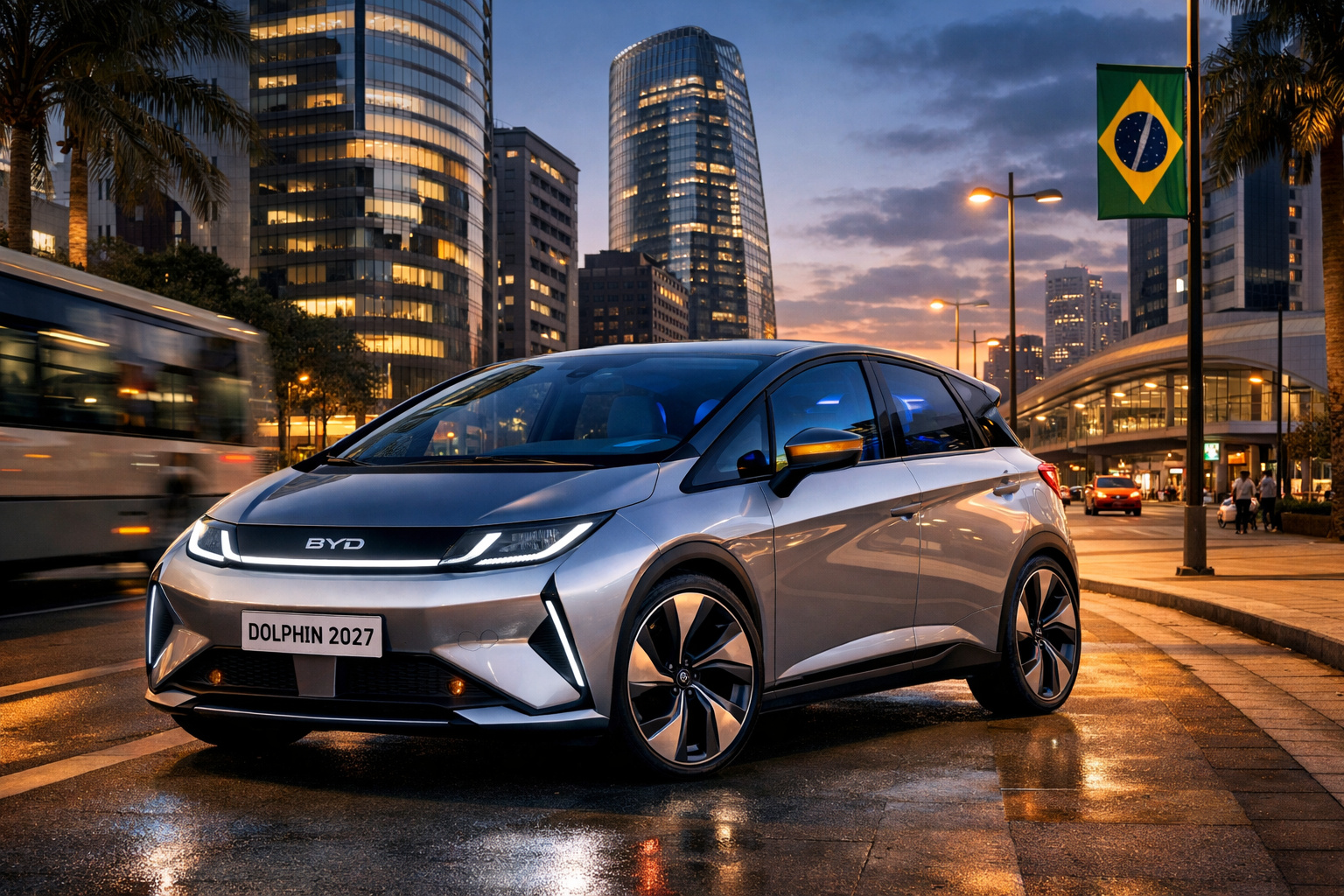
BYD Dolphin 2027 gains more power, increases in size, changes interior, and abandons controversial feature to face new competition in Brazil.
-
The German economist Wolf-Peter Schill has no doubts: “Electric cars are already far superior to cars with internal combustion engines.”

-
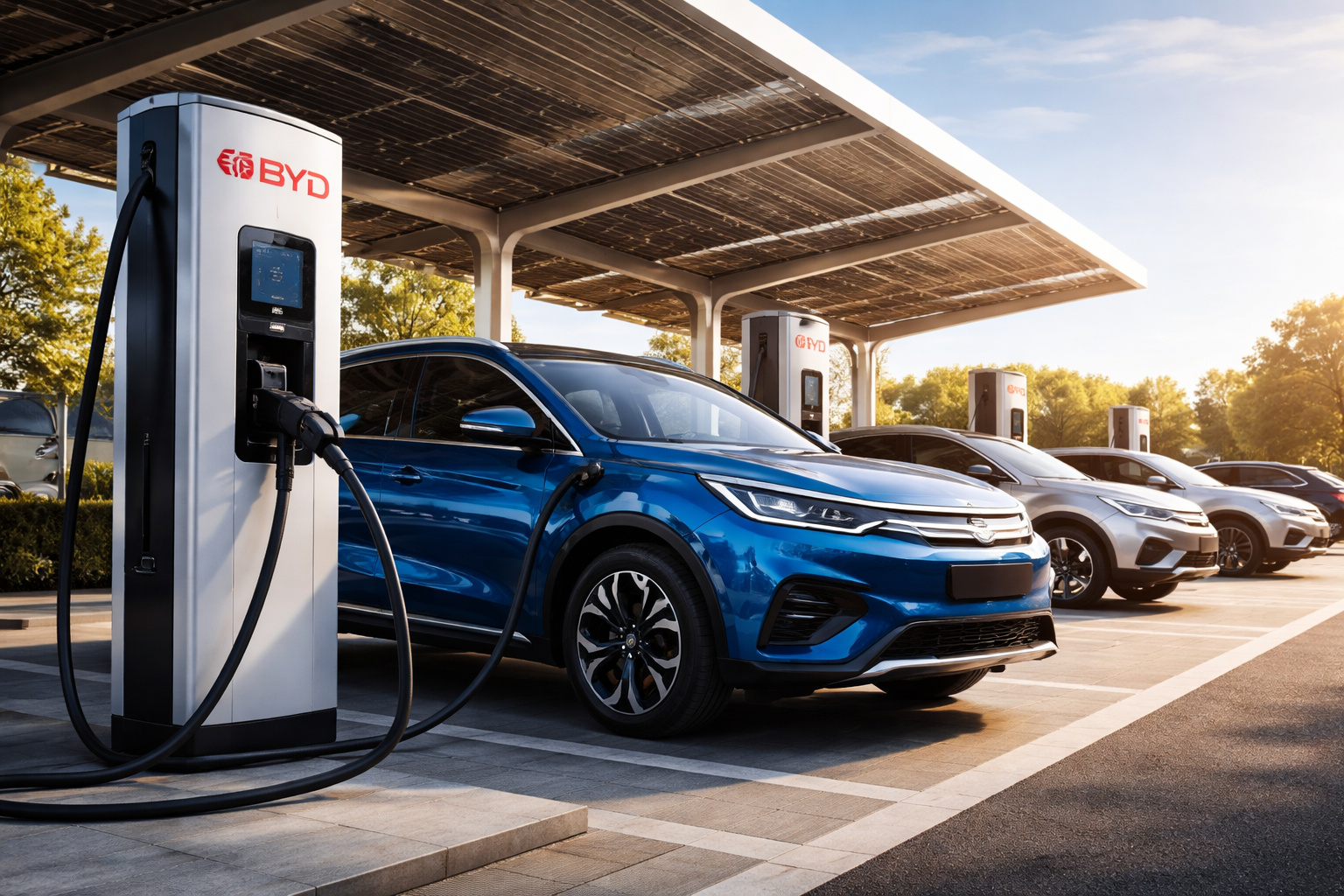
Largest public charging network in Brazil: BYD reaches 125 fast chargers and accelerates national expansion of electric mobility.
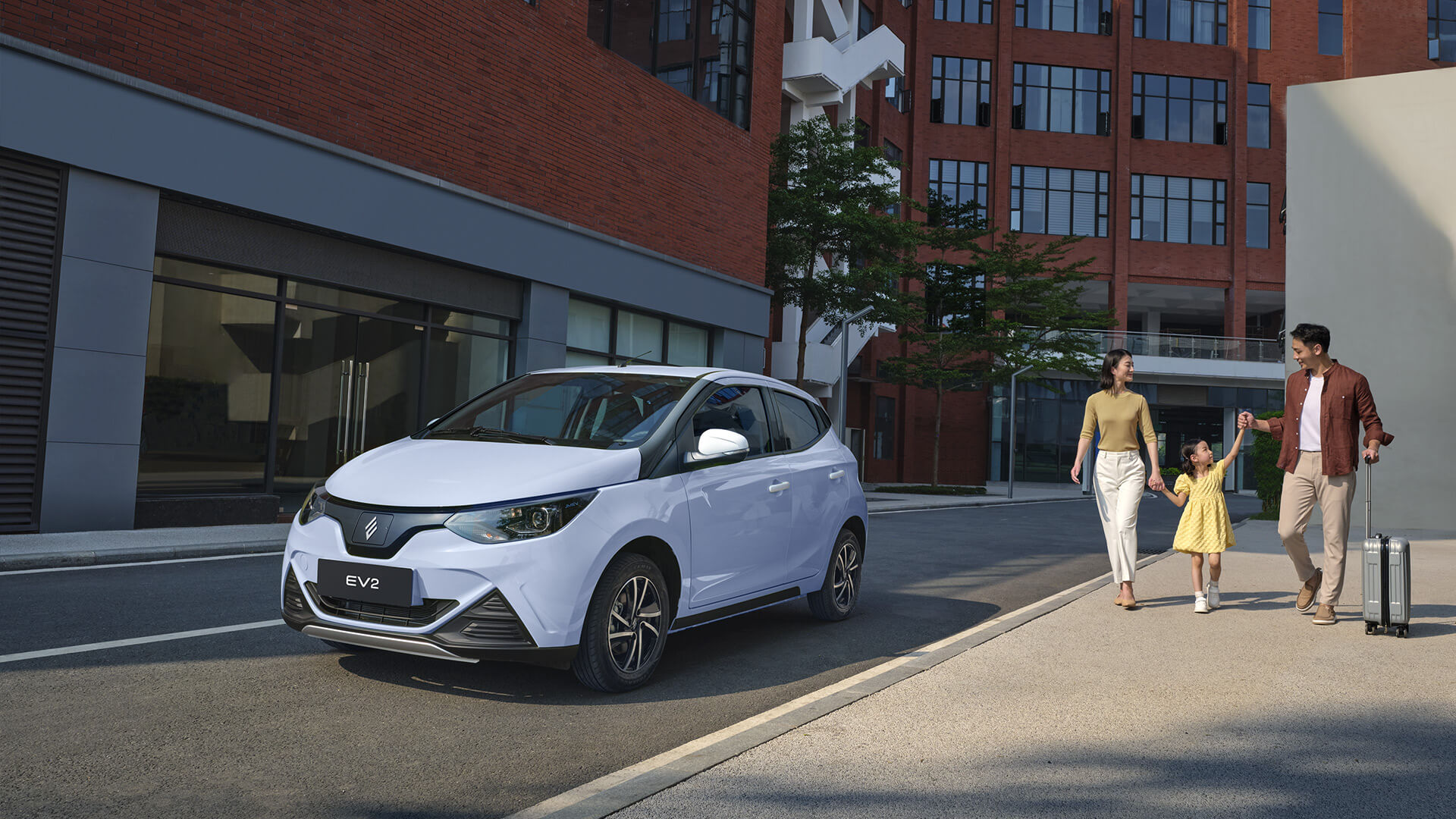
The initial production includes the BYD Dolphin Mini, currently the best-selling electric car in Brazil. It also includes the hybrids BYD Song Pro (GL/GS) and BYD King (GL/GS). According to company information, the factory will reach full production capacity by 2026, while gradually expanding its assembly lines. In this way, Brazil consolidates its position in the global electric mobility route, attracting investments, generating jobs, and strengthening its competitiveness in the automotive sector.
Investment and Economic Impact in Bahia
The investment of R$ 5.5 billion, announced in July 2023, enabled the modernization of the old Ford industrial hub, which closed in 2021. This decision restores Bahia’s prominence in the automotive industry and stimulates the local economy with new direct and indirect jobs. In addition, it boosts the production chain and contributes to regional development.
According to the Bahian government, about 1,500 workers currently make up the workforce at BYD in Camaçari. However, only 300 employees participated in the inauguration. Following criticism from the Sindicato dos Metalúrgicos de Camaçari, the company decided to allow the presence of other collaborators, who followed the event from outside.
Júlio Bonfim, a union leader, stated that “denying the worker the right to celebrate is an act of exclusion.” He emphasized that valuing professionals is essential for the company’s success and for strengthening the sector. Despite the controversy, BYD did not issue an official statement on the matter. However, the episode reignited discussions about the social role of foreign manufacturers and the importance of transparent dialogue with workers, as well as highlighting the need for more participatory management.
Labor Relations and Challenges Faced
The journey of BYD in Bahia has shown advancements and challenges since the project’s inception. During the construction phase, in March 2024, the Public Labor Ministry (MPT) initiated an investigation into conditions akin to slavery in outsourced contracts. Furthermore, there were complaints of age discrimination, alleging that experienced professionals were overlooked in favor of younger candidates.
In recent months, however, the relationship between the company and the union has evolved significantly. In September 2025, both parties approved a collective agreement that raised the minimum wage from R$ 1,950 to R$ 2,067, with retroactive effects to July and August. After three months, the amount will reach R$ 2,273 per month, according to records at MPT. This achievement reinforces the automaker’s commitment to dialogue, strengthens labor relations, and demonstrates the importance of collective bargaining for the advancement of the sector.
Thus, overcoming labor disputes highlights a new phase of dialogue, stability, and maturity in relations between the company and its employees.
Expectations and Projections for the Future
With operations underway, BYD aims to expand its activities in Brazil and increase the production of electrical components. Additionally, the company plans to establish research and technological training centers in partnership with Bahian universities by 2027, encouraging innovation, development, and the training of skilled labor.
According to President Lula, the inauguration represents “a new cycle of green reindustrialization in Brazil.” He stated that “Bahia is back to producing and generating quality jobs,” highlighting the positive impact of BYD on the national economy.
Thus, the event on October 9, 2025 symbolizes not only the advancement of BYD in the Latin American market, but also the repositioning of the Brazilian industry towards the global energy transition. This progress reinforces the country’s commitment to sustainable growth, innovation, and the consolidation of a cleaner and more competitive economy.





Seja o primeiro a reagir!