





 Portuguese
  English
  Spanish
  5 min of reading
  0 comments


The Chinese Automaker Seeks to Protect Its Reputation and Fights False Information with an Aggressive Approach on Social Media!
Recently, BYD, one of the largest electric vehicle manufacturers in the world, took a bold stance by suing 37 digital influencers in China for defamation, according to the site otempo.
In addition, the company placed another 126 social media accounts under investigation in an attempt to combat what it classifies as “fake news” that harm its image and reputation.
This action raises questions about the relationship between brands and influencers and the responsibility of both in the digital age.
-
The 2026 electric Vitara arrives in Brazil and proves that Suzuki is not leaving: 4×4 traction, 184 hp, 61 kWh LFP battery, 293 km range, R$ 259,000, and a trunk capacity of 224 L.
-
Hyundai has unveiled the Boulder, a square SUV with a body-on-frame design, 37-inch mud tires, and carriage-style doors that seems to be made to take on the Ford Bronco and the Scout Traveller in the United States.
-
Largest public charging network in Brazil: BYD reaches 125 fast chargers and accelerates national expansion of electric mobility.
-
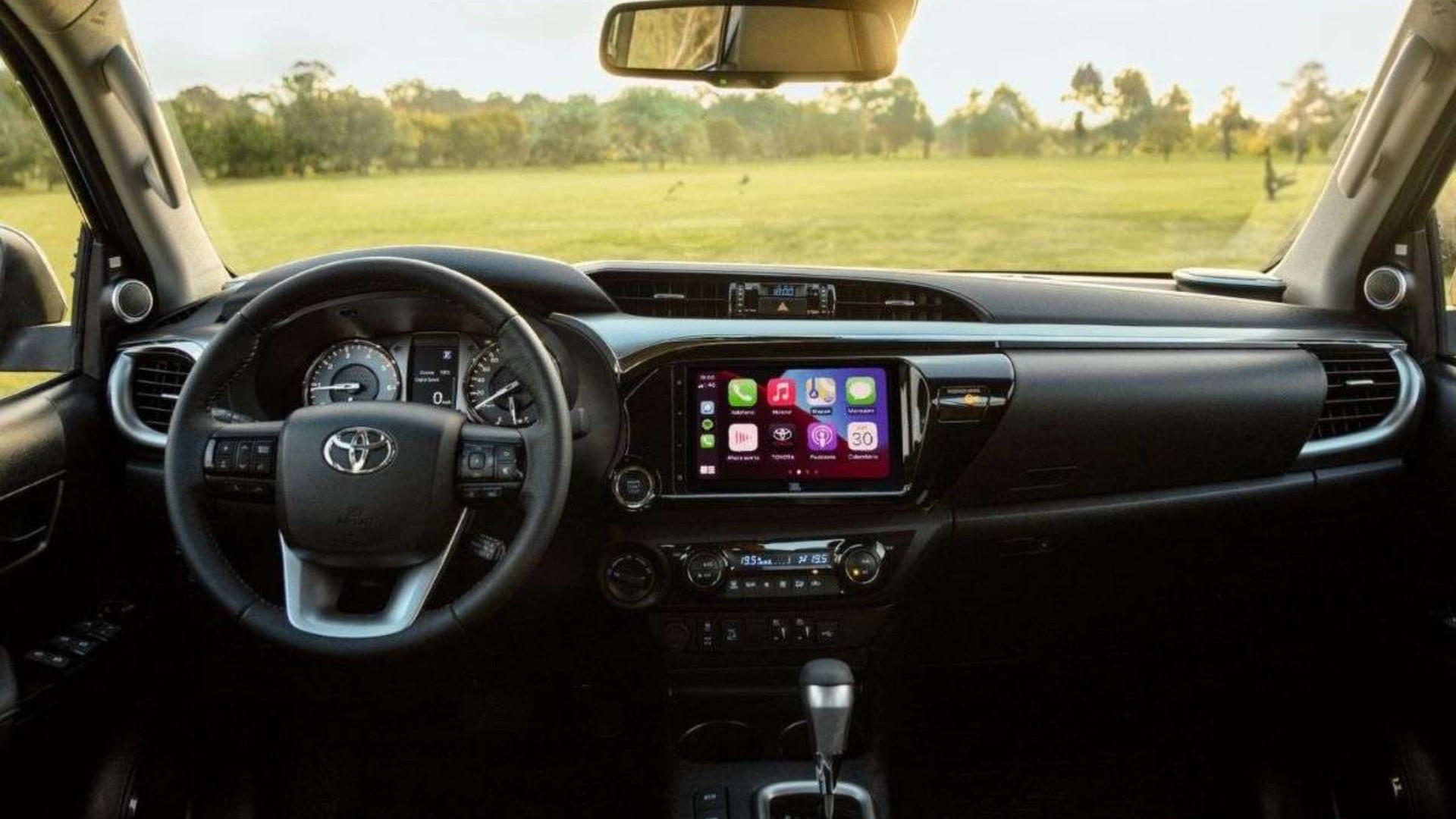
The Toyota Hilux is R$ 75.5 thousand cheaper and bets on the 2.8 turbodiesel engine with up to 204 hp and 50.9 kgfm to catch up with the VW Saveiro, which leads with 4,472 sales.

BYD’s Legal Offensive
The decision by BYD to file lawsuits is a reflection of the automaker’s increasing concern about the information circulating on social media.
The allegations that prompted the action include posts suggesting that the company is facing financial problems, such as the risk of bankruptcy, and questioning the quality and safety of its vehicles.
Unlike other automakers that typically respond to criticism with statements or adjustments to their products, BYD has opted for a more aggressive approach, taking the matter to court.
This shift in strategy is significant, especially in a market where brands are increasingly exposed to criticism and rumors.
Do you think this is an effective approach to dealing with misinformation, or could it end up generating more controversy for the brand?
Whistleblower Reward Program
To reinforce its strategy against fake news, BYD launched a whistleblower program that offers rewards ranging from US$ 7,000 to US$ 700,000 (approximately R$ 40,000 to R$ 4 million), depending on the severity and impact of the provided information.
Reports must be made through the “News Anti-Fraud Office,” an initiative created by the automaker to combine legal tactics with appeals for public collaboration.
This program indicates how companies are adapting to face the new dynamics of social media and the speed with which information can spread.
The financial reward may encourage individuals to report false information, but could this also lead to abuse or unfounded reports?
Reaction to Rumors and Criticism
The posts that triggered the legal offensive include allegations made by influencers on popular platforms in China, such as WeChat and Weibo.
Some of these posts suggest that BYD is experiencing financial difficulties and that its vehicles are not safe.
This is especially concerning in a sector where consumer trust is essential for sales success and building a solid brand.
The automaker also faced an accusation of allegedly paying influencers to disparage rival brands’ models.
BYD vehemently denies this allegation, stating that it is merely defending its reputation against malicious attacks.
This situation leads us to reflect on business ethics and social media. To what extent is it acceptable for brands to defend themselves against criticism, and how does this relate to freedom of expression?
Judicial Decisions in Favor of BYD
According to an official statement from the automaker, some of the lawsuits have already resulted in favorable decisions. Condemned influencers were ordered to pay damages ranging from 60,000 yuan (R$ 45,000) to 100,000 yuan (R$ 77,000), in addition to publicly retracting their statements.
Other cases are still ongoing, demonstrating that the company is willing to go to great lengths to protect its image.
In a statement posted on Weibo, BYD’s legal department described the received attacks as “organized, repeated, and malicious.”
Additionally, the company accused unidentified media outlets and public relations agencies of being behind these actions, complicating the situation further and raising questions about who is really trying to undermine the brand’s reputation.
Li Yunfei’s View on the Criticism
Li Yunfei, general manager of branding and public relations at BYD, stated that the automaker accepts constructive criticism, but does not tolerate unfounded or defamatory accusations.
This statement is important as it highlights the fine line that companies must walk between accepting feedback and defending themselves against unfair attacks.
BYD is archiving all published material as legal evidence, indicating that the company is preparing for a lengthy legal battle.
Trends Among Chinese Automakers
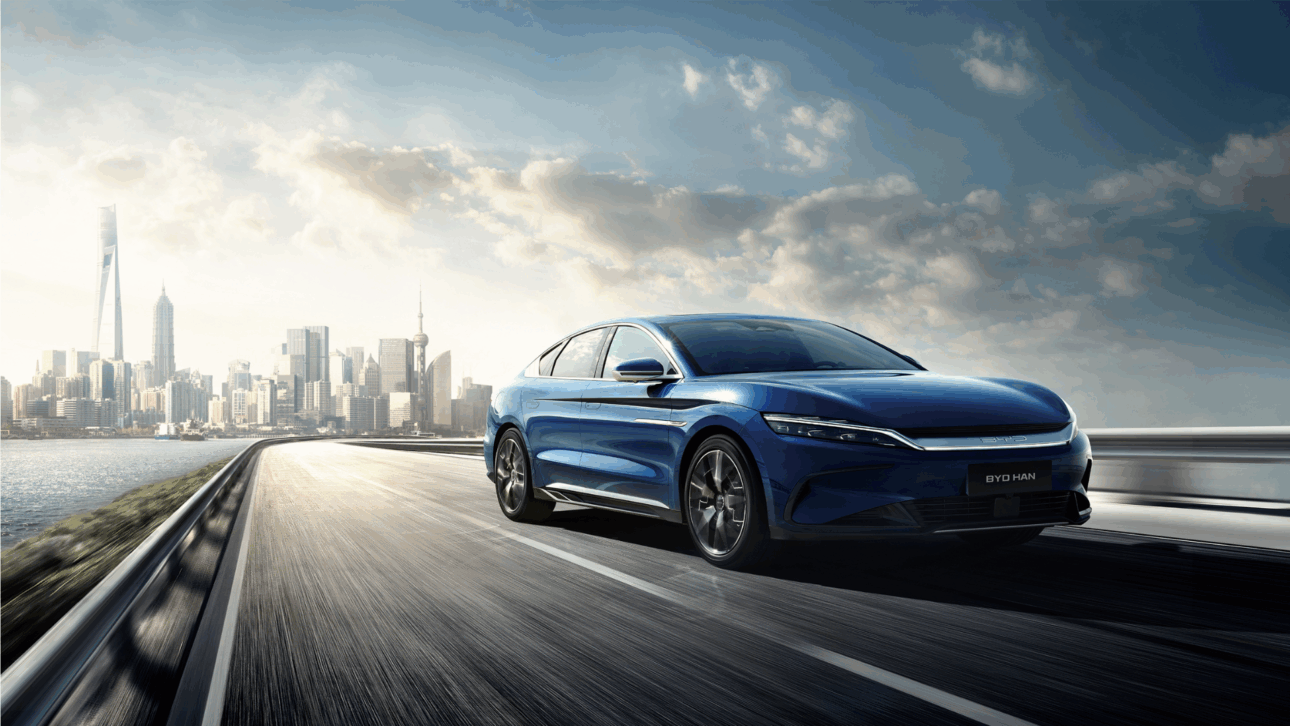
BYD’s stance reflects a growing trend among Chinese automakers, who are taking a more vigorous position to protect their brands on social media.
Recently, Avatr, another manufacturer in the sector, also sued an influencer for exaggerated claims about the aerodynamics of its vehicles, seeking US$ 1.4 million (R$ 7.7 million) in damages.
This movement indicates that automakers are increasingly aware of the impact social media can have on their operations and reputations.
Brands need to be concerned not only with the quality of their products but also with how they are perceived online.
In a world where information spreads rapidly, reputation can be built or destroyed in a matter of hours.
Do you believe that companies should invest more in social media monitoring and communication strategies to avoid reputation crises?
The Ethics of Social Media
The situation of BYD raises important questions about social media ethics and the role of influencers.
Often, opinions expressed online may be based on personal experiences or incomplete information, and this can significantly influence public perception of a brand.
Companies have the right to defend themselves against false information, but how can they ensure that this defense does not transform into censorship or an attempt to silence critical voices?
The discussion about freedom of expression and responsibility on social media is more relevant than ever, and BYD’s situation exemplifies this complexity.
The Future of BYD and the Role of Social Media
As BYD continues its fight against online defamation, it will be interesting to observe how this situation unfolds and if other automakers will follow suit.
The use of legal tactics to handle criticism may set a precedent that influences how brands communicate with the public and how they deal with misinformation.
Moreover, the way social media evolves and how influencers position themselves concerning brands may change.
What do you think the future holds for the relationship between brands and influencers?
Will companies become more aggressive in defending their reputations, or will there be a return to a more collaborative and open model?
This is a crucial moment to discuss how digital communication can affect brand image and, consequently, their survival in the market.
If you have thoughts or opinions on this matter, please feel free to leave a comment.
Your perspective is valuable and can contribute to a richer discussion about the complexities of the current landscape of social media and brands.





Seja o primeiro a reagir!