





 English
  Francês
  Alemão
  Italiano
  Japonês
  Norueguês
  Portuguese
  Spanish
  4 min of reading


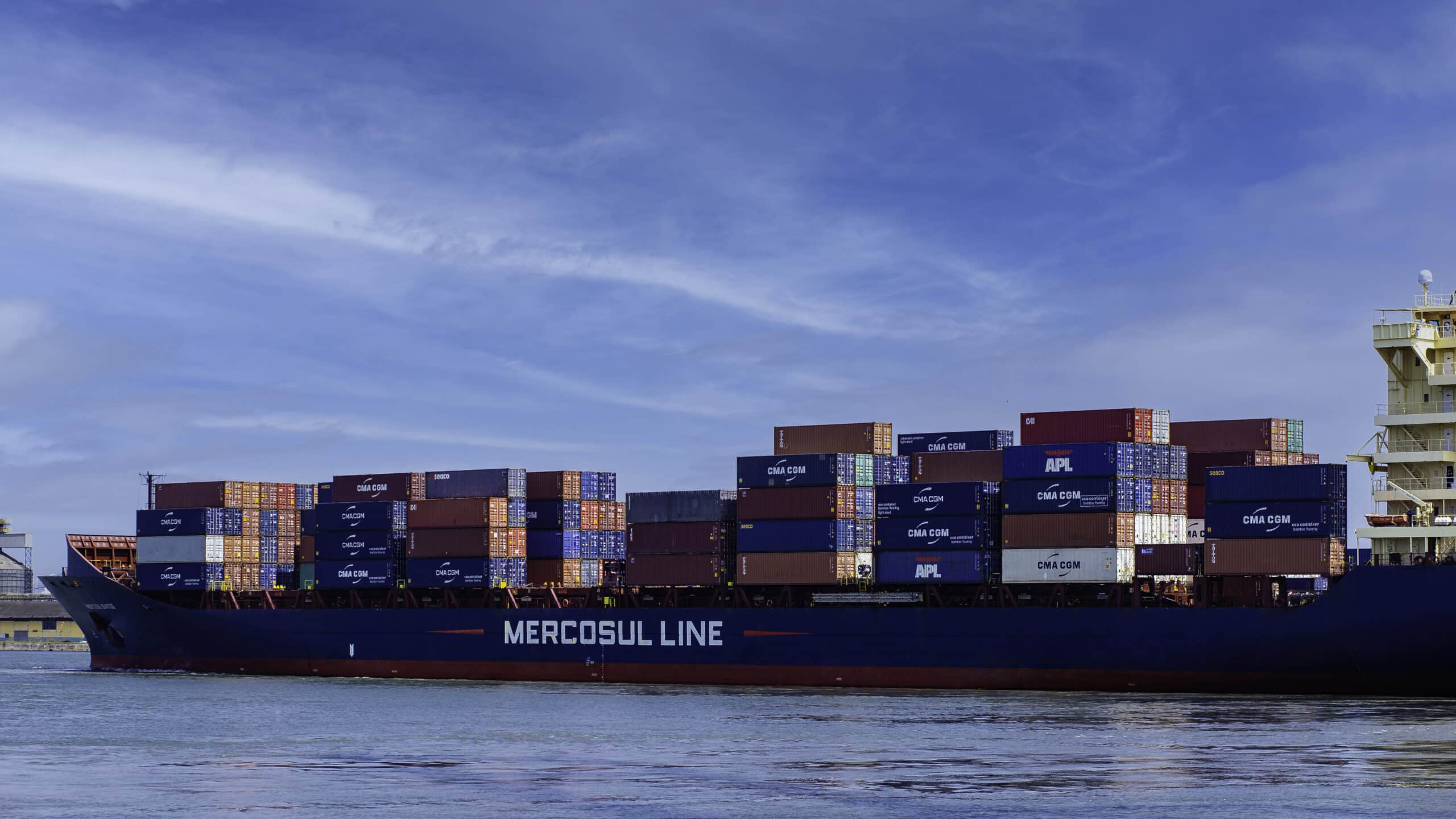
Maritime Transport Enables Cost Reduction in Logistics Due to Fewer Accidents and Cargo Security, as Well as Low Environmental Impact
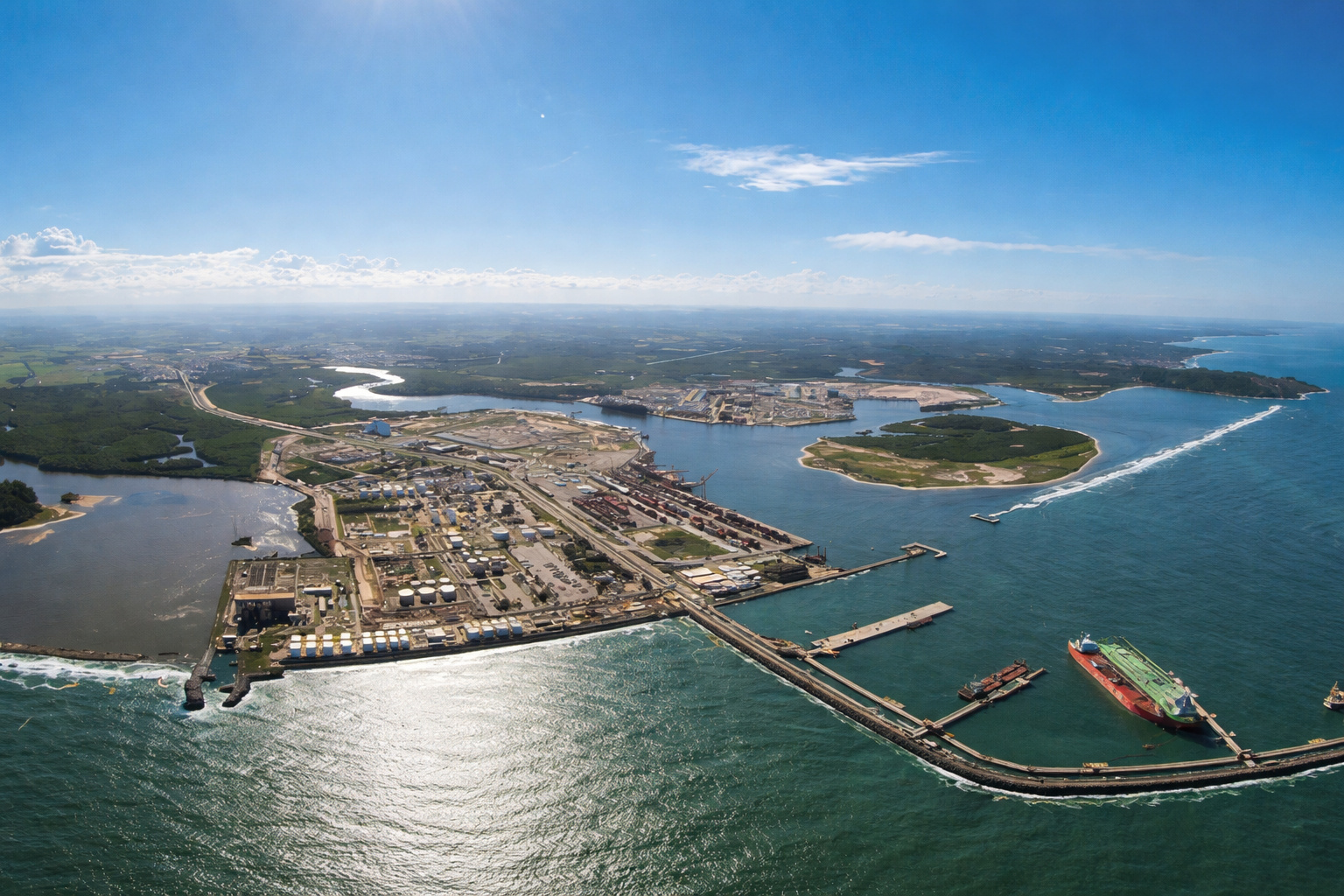
The logistics matrices in Brazil are evolving, and navigation is gaining more representation. With an expanding market, cabotage is growing at an average of double digits per year. This happens because Brazil is a country with a large number of rivers and an extensive coastline, with more than 14 port options served by cabotage. Additionally, about 80% of the Brazilian population and a large part of the industries are located within 200 km of the approximately 8,500 kilometers of coastal shoreline.
Read Also
- Severe Increase in Gasoline, Ethanol, and GNV Prices Affects Uber and 99 App Drivers and Rappi and iFood Delivery Workers Who Are Considering Leaving the Profession
- Company Offers 50 Remote and On-Site Job Vacancies in São Paulo and Rio Grande do Sul with Salaries Up to R$ 15 Thousand
- Ambev, the Largest Beverage Company in the World, Calls for Women to Apply for Remote, Hybrid, and On-Site Job Vacancies; Professionals from All Over Brazil Can Participate
- URGENT Recruitment Process Seeks Remote Job Vacancies in Different Areas; Entry-Level, Mid-Level, and Senior Professionals from Anywhere in the Country Can Participate
With more competitive prices, especially for distances starting from 1,200 km, cabotage proves to be a logistics option advantageous for companies of all sizes.
“In addition to enabling cost reduction in logistics due to fewer accidents and cargo security, transport also has a low environmental impact. When compared to other modes, it emits up to five times less CO2, the main responsible for the greenhouse effect,” stresses José Roberto Duque, CCO of Mercosul Line, a subsidiary of CMA CGM Group, a global leader in shipping and logistics that offers cabotage and integrated logistics services. “We are here to show customers the benefits and facilities of cabotage and how to utilize it to enhance their companies’ logistics results. Everyone is very welcome,” he adds.
-
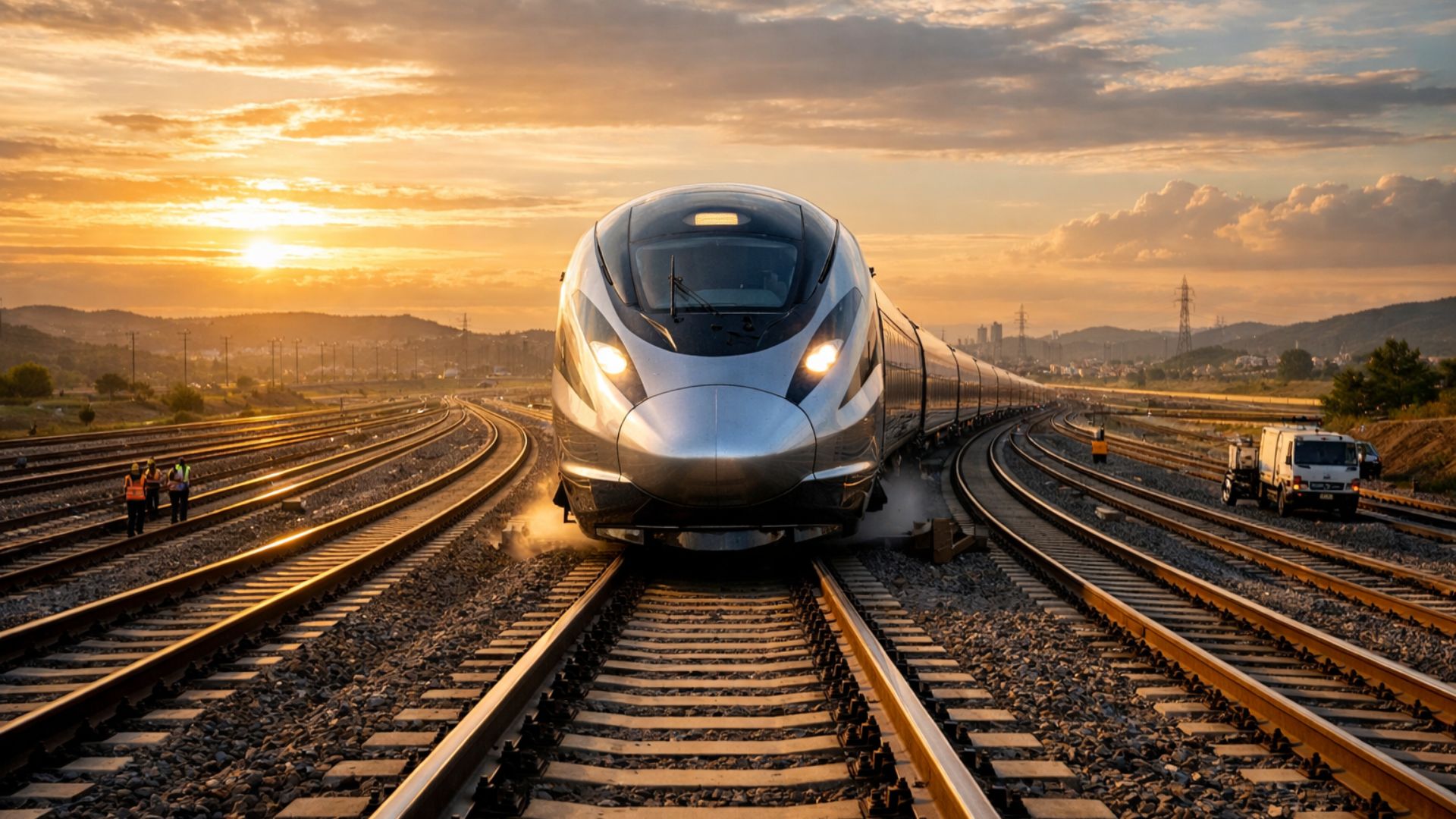
São Paulo surprises the world with a colossal railway network project that promises over 1,000 km of tracks, R$ 194 billion in investments, and 40 projects connecting the capital to the interior with fast and sustainable trains.
-
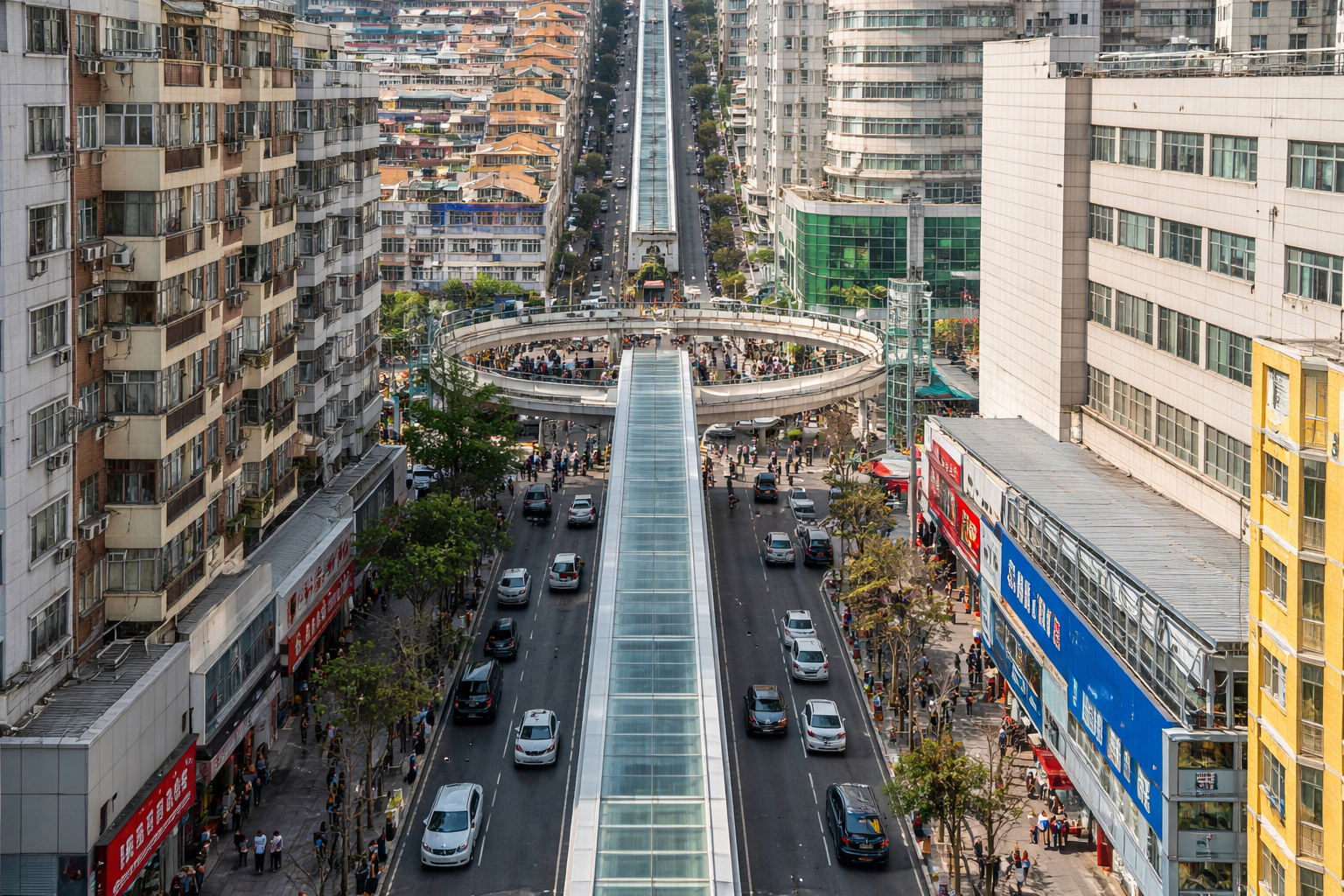
The world’s largest escalator, measuring 905 meters in China, reduces urban travel time from 1 hour to about 20 minutes and transforms mobility in mountainous regions with an engineering solution adapted to the terrain.
-
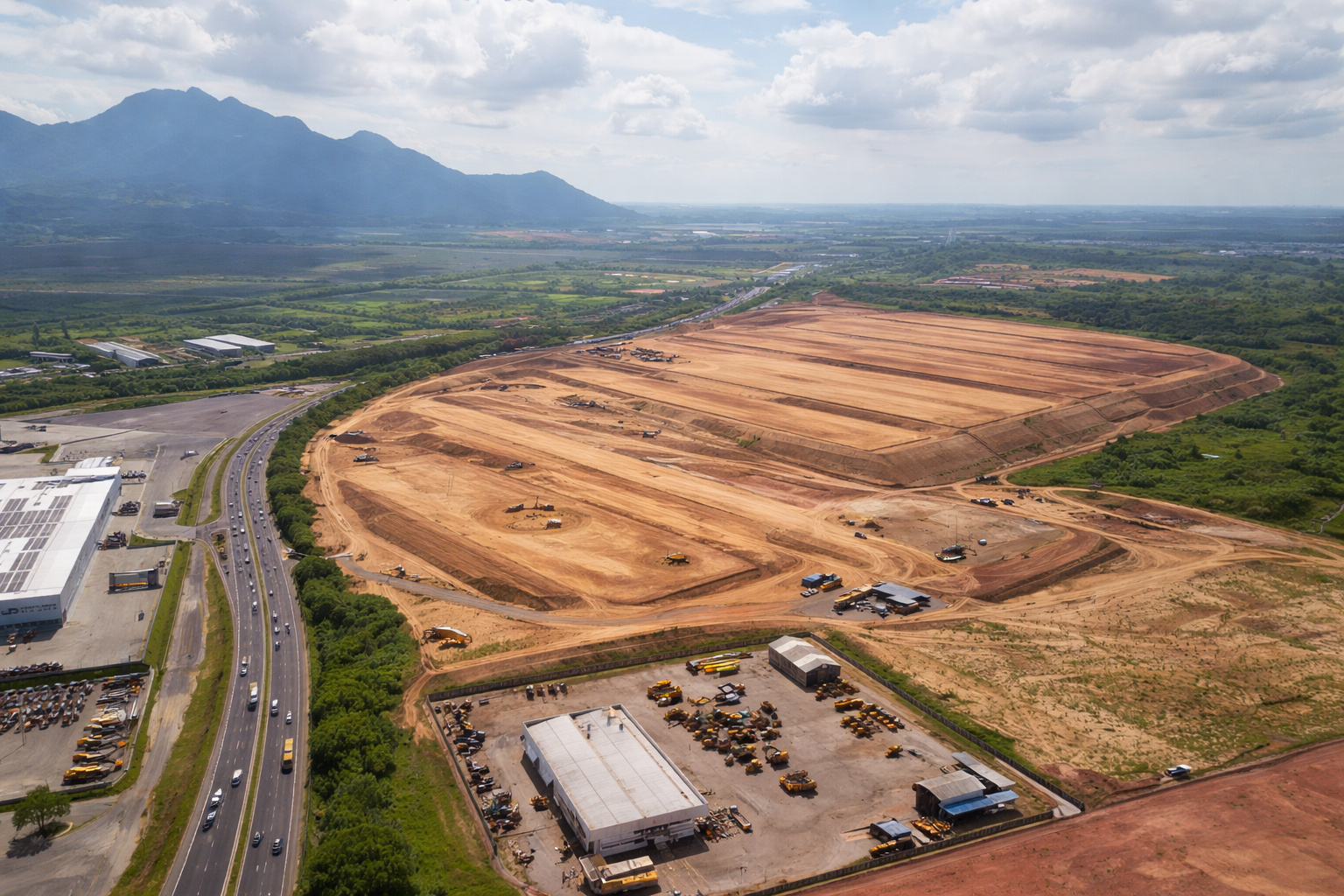
A R$ 300 million logistics giant is taking shape in Serra with over 100,000 m² and raises a question: how can this transform e-commerce and distribution in the state?
-
Could Uber Rides Lose Minimum Fare? Understand What’s Happening!


Integrated Logistics
With three lines of operation – BRACO, PLATA, and NEXCO, Mercosul Line serves over 1,000 cities, connecting regions from north to south of Brazil and also to Argentina and Uruguay. “As a success example, it is important to highlight the market in Manaus and its importance to the continent. This is where cabotage rapidly solidified and where we are the main local suppliers as well,” states Duque.
The way Mercosul Line enables the diversification of companies’ logistics chains generates gains by reducing risks for cargo and associated costs. “Today, most of our customers purchase the service with one door involved (origin/destination). The client seeks integrated logistics services (land + maritime), from the seller’s plant/factory to the buyer’s location. The fact that we have other companies in the CMA CGM Group with many years of experience in the field enables us to offer a wide range of customized options from end to end to our clients, and to provide new logistics and transportation solutions that are more efficient and increasingly respect the needs of both people and the planet, being at the heart of the CMA CGM Group’s ambition, represented by BETTER WAYS, our new signature,” says Duque.
Do You Know What Kind of Goods Are Transported by Container Ships During Cabotage? Find Out Now!
Cabotage, which is the transport by ships between seaports of the same country, is a competitive alternative for the industrial sector that needs to ship its production and reduce container logistics costs.
According to Angelo Baroncini, CEO of Norsul Shipping Company, the adoption of cabotage in the country is still timid.
“Today, cabotage transport accounts for about 10% to 12% of the transport matrix,” he explains. For him, a country with proportions like Brazil should have a better distribution in the transport matrix among maritime, rail, and road transport.
The Ports Administration of Paranaguá and Antonina (APPA) released official statistical data regarding the movement of goods in the first half of this year.
Corn exports have been standing out, mainly through cabotage navigation – transport between domestic ports. There are 39,432 tons accumulated this year (January to July 17), compared to 19,000 tons in the same period of 2002.
A large part of cabotage exports is destined for the northeastern states of Brazil. Due to lower tariffs, maritime transport of goods to northeastern states replaces road transport when it comes to long distances, thus justifying the movement of cargo by cabotage navigation.









Seja o primeiro a reagir!