





 Portuguese
  English
  Spanish
  5 min of reading
  11 comments


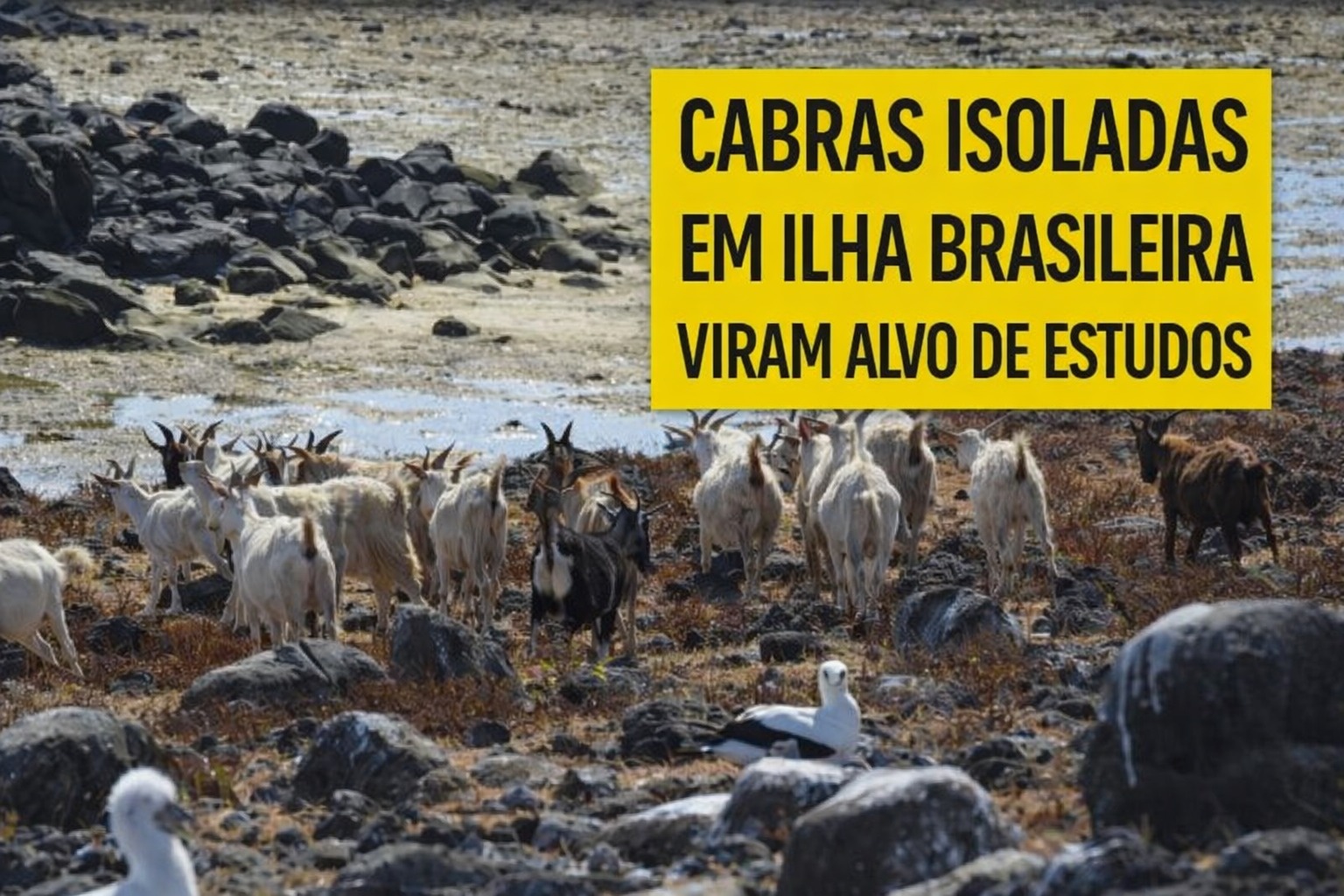


Research with Isolated Goats for Over Two Centuries in Abrolhos Aims to Identify Genetic Adaptation, Enhance Conservation, and Support Resilient Production Systems for Brazilian Semiarid Regions in Light of Increasing Climate Change Challenges in the Country
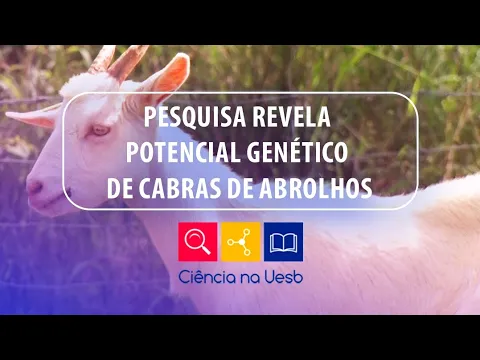
In August 2025, Canal Rural reported that 21 goats were transferred from Abrolhos, Bahia, to Uesb in Itapetinga for genetic characterization and productivity research, as the animals had been isolated for over two centuries in the region.
European navigators left the first specimens on the island during the colonial period for sustenance, reported Canal Rural in its coverage.
The animals reproduced without direct human interference for centuries, sparking scientific interest in genetic adaptation to water-restricted environments.
-
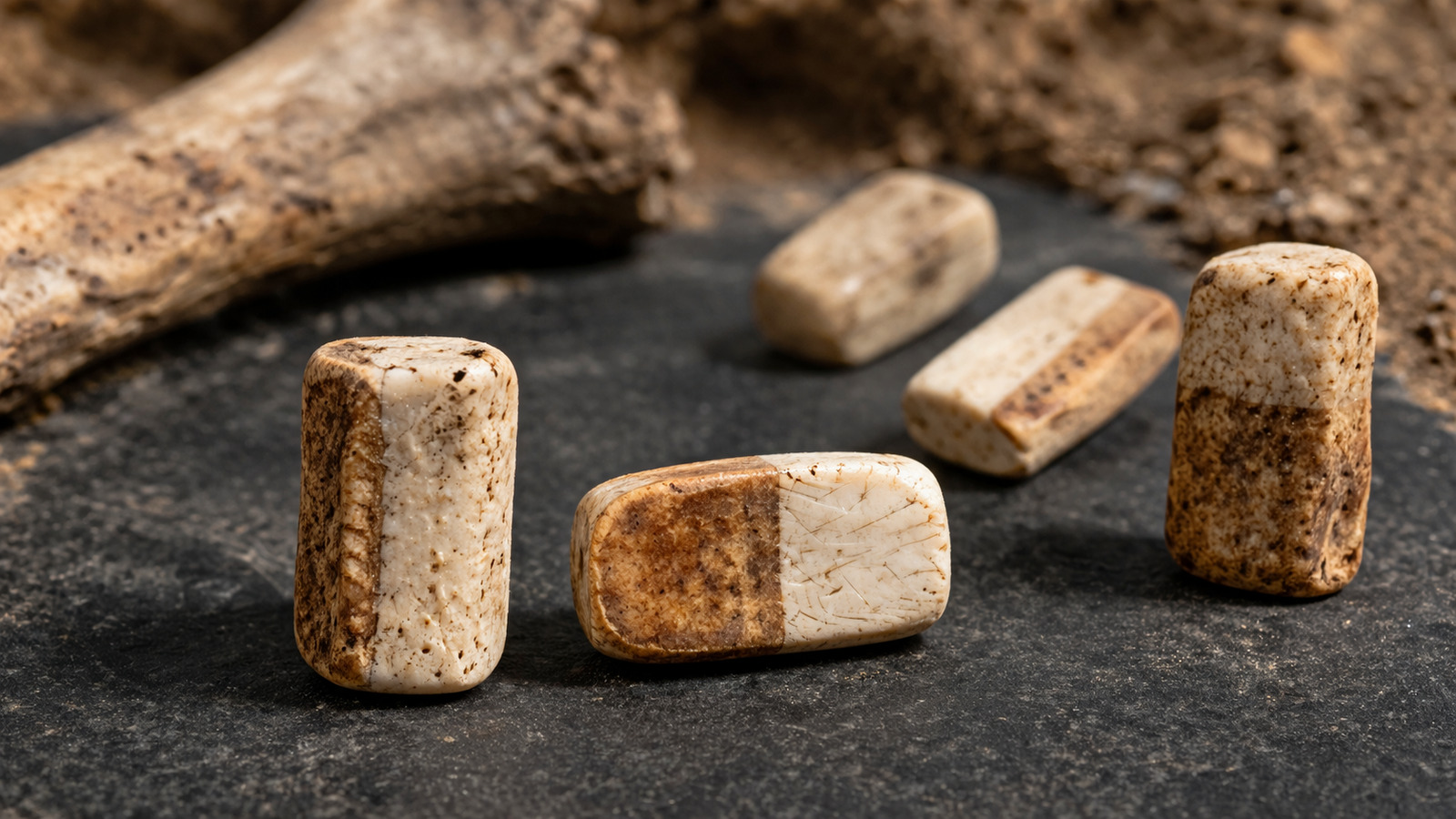
They seemed like common bones, but scientists were surprised to find a relic over 12,000 years old that dates back to before the Bronze Age.
-
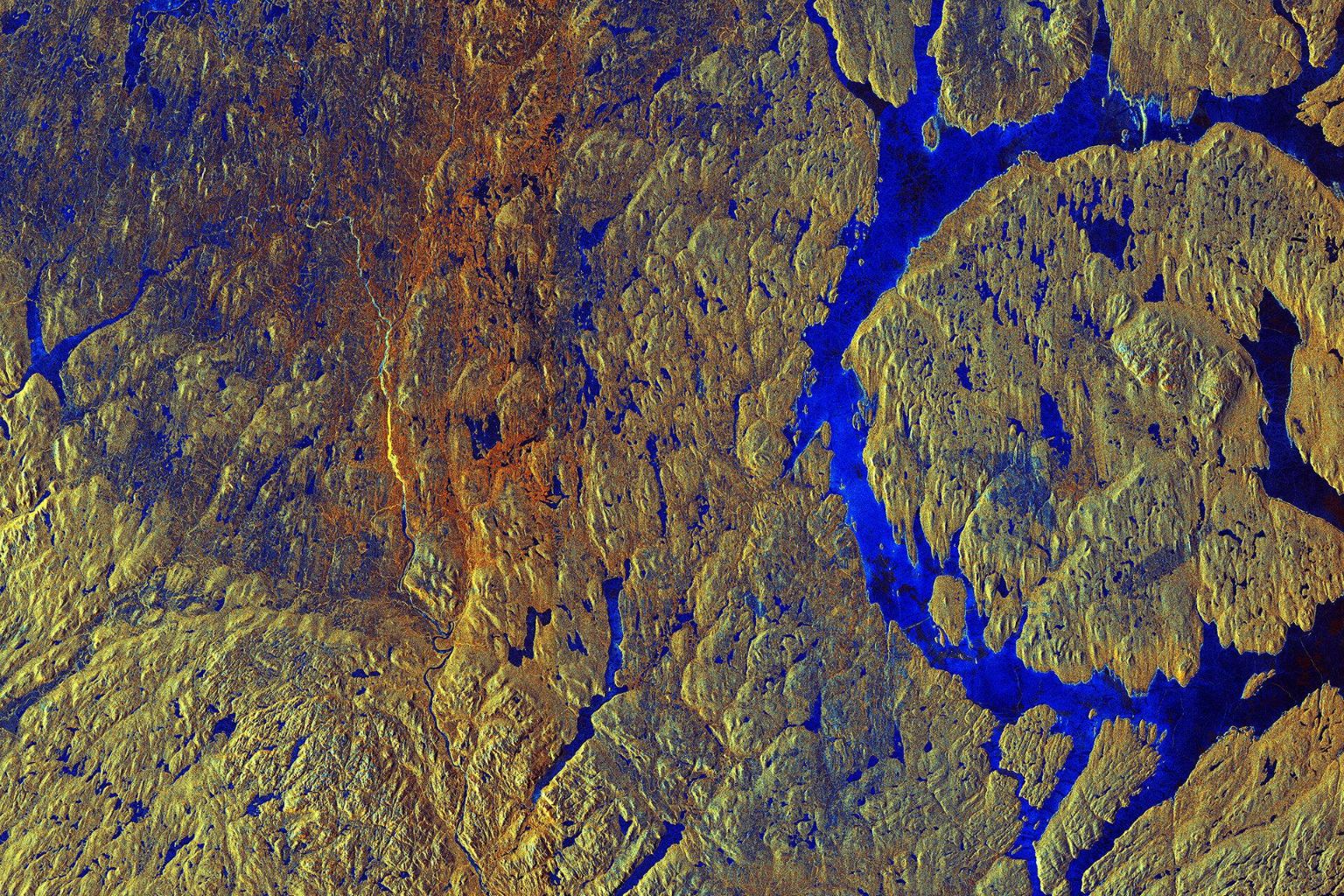
With an almost perfect ring of 70 km visible from space, known as the “Eye of Quebec” and over 100 km in length, the Manicouagan Crater in Canada reveals the colossal mark left by a giant asteroid and has become one of the most impressive formations ever identified on the Earth’s surface.
-
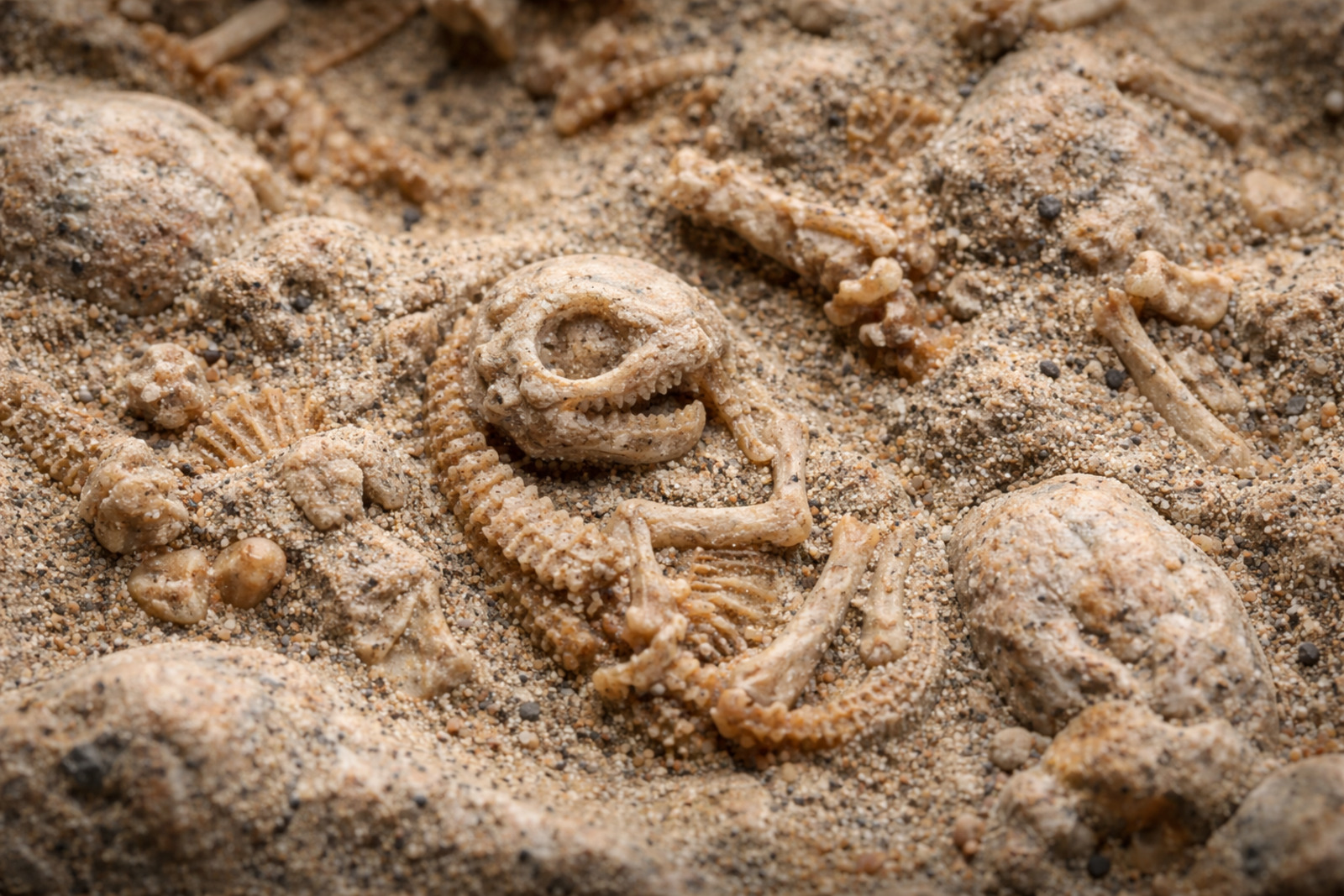
Scientists have found in China dinosaur embryos dating back 190 million years in various stages of development, and the discovery still preserves traces of extremely rare proteins in the bones, something that could change what is known about life before hatching.
-
The CEO of Honor in Spain says that smartphones will change with AI, foldables, and even robot phones; the component crisis is making cheap models more expensive in 2026 and shifting the focus to premium.

Potential for the Semiarid
Ronaldo Vasconcelos, a professor of Animal Science at Uesb, explained that the isolation favored specific characteristics related to survival in highly adverse climatic conditions.
According to Vasconcelos in the Canal Rural report, these discoveries could contribute to the development of goat farming in various semiarid regions of the country.
Upon arriving on campus, the goats began a quarantine period to ensure safe adaptation and guarantee all necessary sanitary precautions.
The isolation is vital as the animals lack immune resistance against ticks or common worms in continental herds, stated Ronaldo Vasconcelos.

Partnerships and Conservation
Professor Dimas Oliveira from Uesb emphasized that the study generates relevant information for production systems in areas with severe climatic limitations.
Embrapa Genetic Resources and Biotechnology works on genetic analysis and conservation strategies in direct partnership with the state university in Bahia.
Environmental Impact and Management
The removal of the goats was motivated by environmental concerns, as their presence caused impacts on the soil and on vegetation critical for birds in Abrolhos.
Different institutions facilitated the removal, including ICMBio, the Brazilian Navy, Adab, Embrapa, and Uesb itself, reported the channel.
During capture, the animals were given individual electronic identification and had blood samples collected for essential routine laboratory analyses.
These data are crucial for determining the degree of genetic uniqueness of the population that inhabited the isolated archipelago on the southern coast.
Future of Scientific Research
If genetic distinction is confirmed, researchers intend to advance to a conservation plan with controlled expansion of the herd and biological storage.
There is a future possibility of providing genetic material to farmers facing climatic challenges similar to those experienced on Abrolhos Island.
With information from Canal Rural.
You May Also Like: Thousands of Sheep Were Taken to This Island, the Promising Plan Went Wrong, and All Had to Be Eliminated: the Project That Promised Big Profits from Campbell Island Brought More Headaches Than Benefits

The agricultural journey of Campbell Island began in 1895 and advanced for decades until it was completely abandoned in 1931, because unstable maritime transport and the global recession made the continuation of the activity unfeasible. The grazing concession passed through the hands of several tenants and faced successive difficulties.
Additionally, the island had already been used since 1894 for cultivation, seal and whale hunting, and served as a strategic point for coastal defense and meteorological observations. This set of activities shaped the first human cycle in the territory.
In 1895, about 400 sheep were introduced into the remote landscape. The isolation was extreme and made it difficult to find workers willing to stay there for long periods.
A few years later, shepherds from the Shetland Islands in northern Scotland were hired to ensure the farm’s operation.
The operation, however, began to lose momentum in the 1920s. The number of ships arriving at Campbell Island declined, making it harder to receive basic supplies.
This limitation affected the daily life of the workers and reduced the prospects for the continuity of production.
In 1927, approximately 5,000 sheep were released into the territory. The measure aimed to expand the herd and maintain the viability of breeding.
But prices for meat and sheep plunged shortly thereafter. The crisis hit the tenant John Warren hard, who abandoned the island in 1931, leaving it in a state of misery, along with a large contingent of sheep already without human management.
The complete history of agricultural operations was never fully documented. However, the diary of Alfred Austin, written daily between November 1919 and November 1921, provides a rare glimpse into the breeding routine in an oceanic environment isolated from continuous colonization.
Wild Sheep and the Growing Environmental Impact
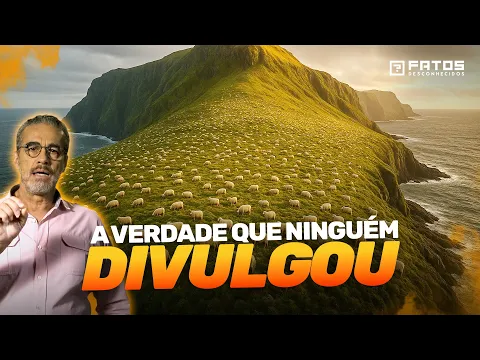
With the departure of the last workers, the sheep remained on the island and began to live completely wild.
Estimates suggest that the population may have reached between 7,000 and 8,000 animals by around 1913, which heavily pressured the native vegetation in the following years.
The intensity of grazing accelerated environmental degradation because the local flora was not adapted to the impact of exotic mammals. The loss of vegetation cover made the area sensitive and more prone to lasting damage.
In 1954, Campbell Island was officially declared a nature reserve. The status marked an environmental protection turning point.
Starting in 1970, a program to eradicate wild sheep was initiated. Fences were erected in 1970 and 1984 to divide the territory and organize the removal gradually.
Approximately 7,000 animals were culled throughout the stages, until the final completion in 1992.
The goal was to restore the subantarctic ecosystem of the island. Therefore, the removal of the sheep aimed to protect fragile flora, fauna, and habitats.
Recovery began to manifest with the increase of native plants, such as macroforbas and grasses.
The saga of the sheep on Campbell Island illustrates how agricultural practices in remote environments can lead to widespread and prolonged impacts.
Moreover, it highlights the challenge of rebuilding an ecosystem after decades of intense environmental pressure.
With information from Doc.govt.nz, Wikipedia, and other sources.






Os interessados no assunto devem o sensacional livro A CABRA, de autoria do Engenheiro Agrônomo da Seção de Fomento do Ceará (Ministério da Agricultura), José Aristóbulo de Castro. Esse livro pode ser comprado pela Internet. Foi editado pela Livraria Freitas Bastos, do Rio de Janeiro.
Luciano S. Pinheiro, MD
PhD
Professor Emérito da Universidade Federal do Ceará
Membro Titular da Academia Cearense de Medicina
Fortaleza, 28 de dezembro de 2025.
Interesting information suitable for human ecology subject.
What jackasses. Maybe we should save them and put y’all there to experiment on.