





 Portuguese
  English
  Spanish
  5 min of reading
  0 comments


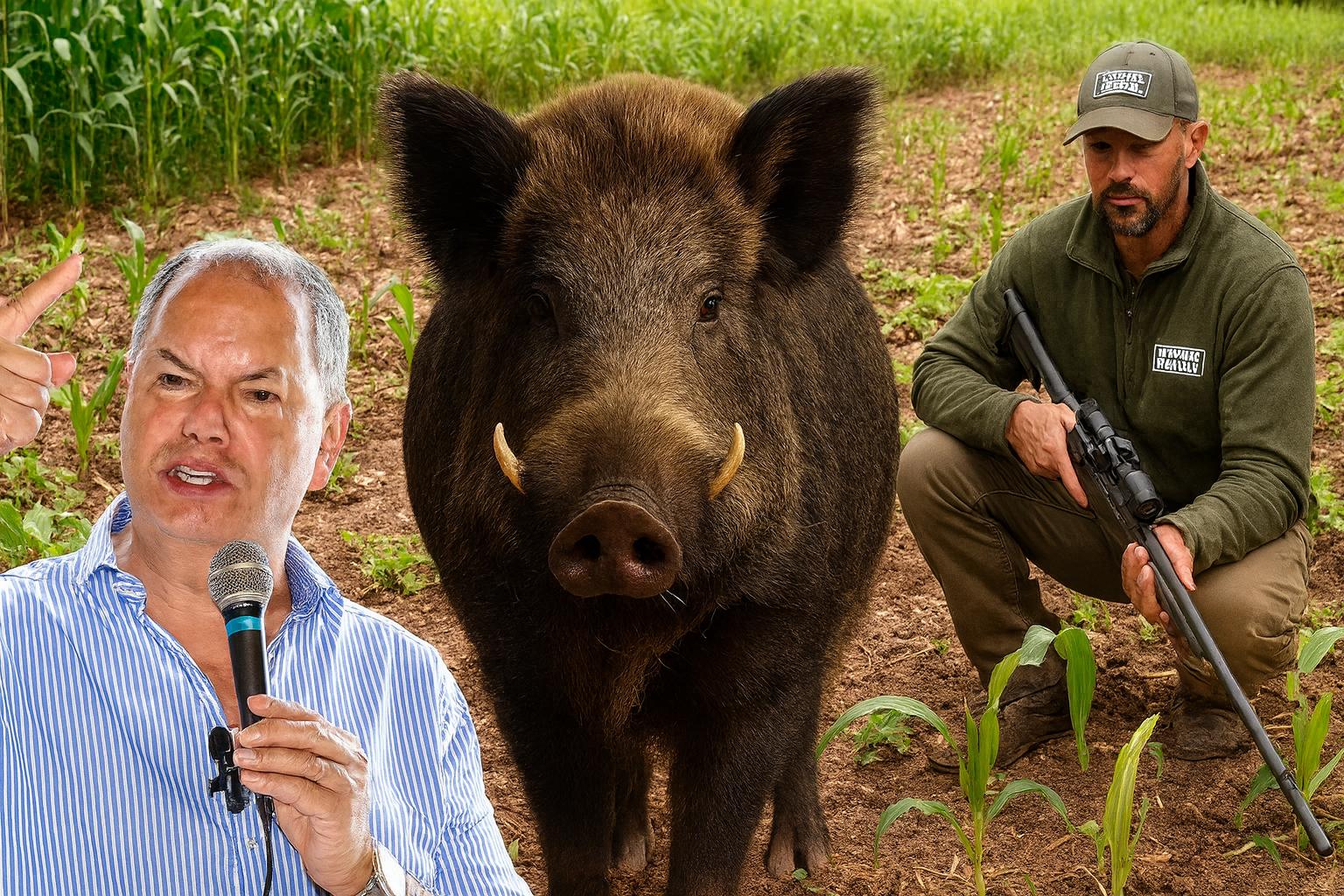
Deputy Proposes Taking Control of Wild Boars from Ibama and Paying Hunters to Contain Invasive Pest That Is Already Devastating Crops and Threatening Brazil’s Sanitary Status.
The European wild boar, irregularly introduced to Brazil decades ago, has ceased to be merely an exotic curiosity and has become one of the greatest environmental and economic threats to the country. Spread across various states, these animals have already caused millions in damages to agriculture, destroying entire crops, degrading soil, contaminating springs, and posing sanitary risks to national livestock.
According to specialists, in addition to attacking corn, soybean, and pasture crops, wild boars are potential transmitters of diseases such as classical swine fever and foot-and-mouth disease, which could compromise Brazil’s sanitary status — considered free of these diseases by the World Organisation for Animal Health (OIE).
The Proposal by Deputy Alceu Moreira
Given this scenario, federal deputy Alceu Moreira (MDB-RS) presented in 2025 the Bill 4253/2025, which proposes taking exclusive control of the management of wild boars away from Ibama.
-
Santa Catarina harvested 7.85 million tons of grains and exported 2 million tons of meat in 2025: a growth of almost 6% in the food industry, which is four times higher than the national average and drives the entire Brazil.

-
The expansion of greenhouses in southern Canada has become so intense that it has changed the appearance of the soil and even the nighttime glow of the region, transforming Ontario into one of the most visible agricultural hubs in North America from space.

-
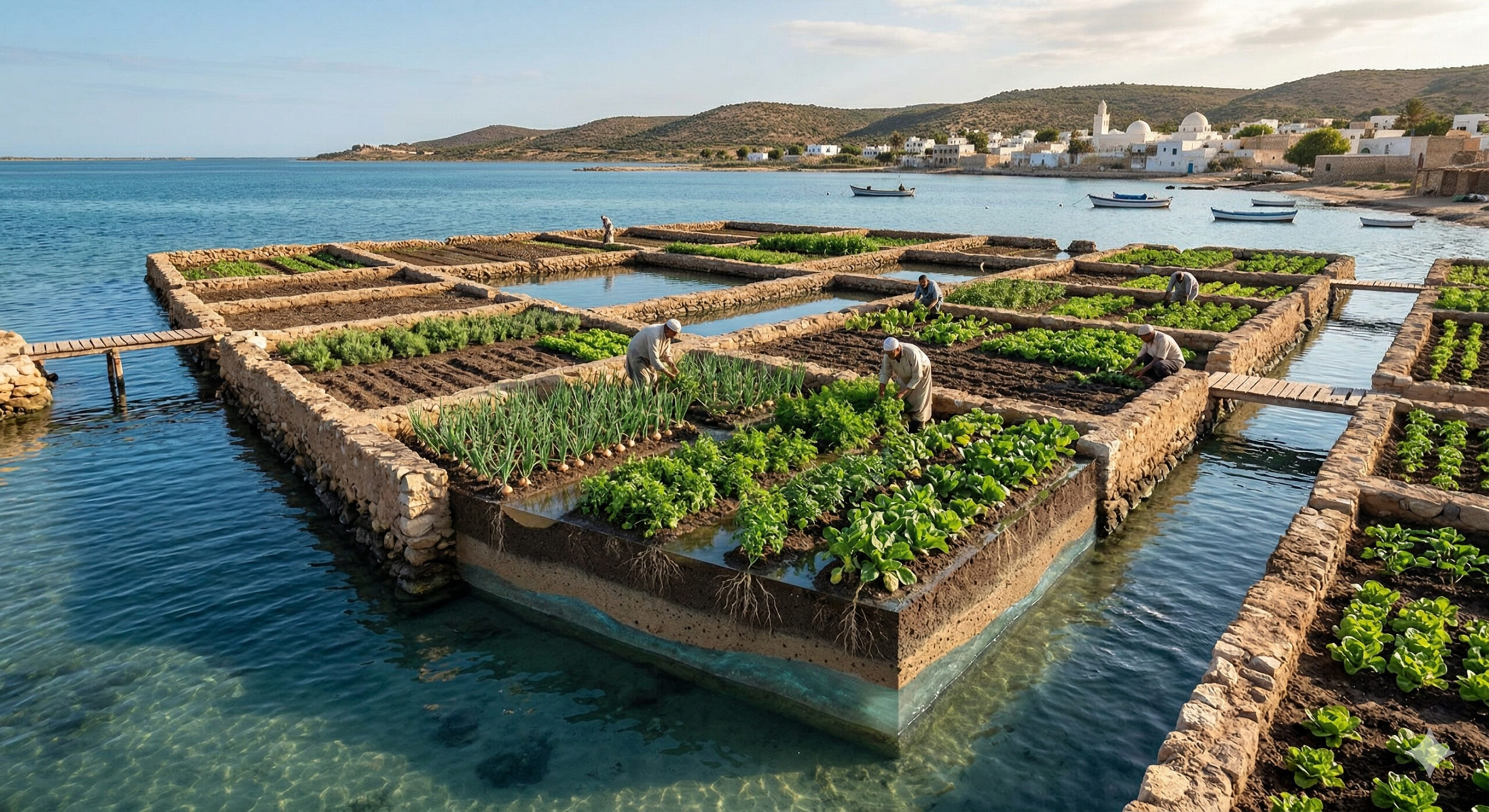
Almost nobody imagines it, but farmers in Tunisia grow food in the sand and make the roots drink fresh water that floats on top of seawater in an agricultural system considered unique in the world.
-
More than 20,000 km² of wheat fields form nearly perfect lines and geometric shapes in Montana, creating an agricultural pattern so symmetrical that the landscape looks like an abstract artwork visible from space.


The idea is to decentralize responsibility, transferring management to states and municipalities, and create mechanisms for bonuses for accredited hunters, turning controlled hunting into an official containment strategy.
For the congressman, the current model is insufficient and bureaucratic: even with thousands of registered hunters, the wild boar population continues to grow uncontrollably.
“We need to reward hunters and decentralize management. It is not possible for a pest that already threatens our agriculture and food security to continue being managed from Brasília,” Moreira stated during the project presentation.
Why Take Control Away from Ibama
The central argument is that Ibama cannot alone monitor and contain the species. Currently, hunting wild boars is only allowed for hunters authorized by the agency, subject to registration and proof of appropriate equipment.
But reality in the field shows that the number of animals hunted is much lower than the natural reproduction of the species.


In 2024, about 500 thousand wild boars were hunted by accredited hunters. Still, estimates indicate that to balance the population and reduce environmental and economic impacts, it would be necessary to hunt more than 1 million animals per year.
For supporters of the project, states and municipalities are better equipped to organize regional actions, with clear goals and direct support to farmers. Additionally, financial incentives for hunters would be a way to turn hunting into a structured public policy.
Bonuses for Hunters: How It Would Work
The most controversial point of the project is the proposal for bonuses for hunters. The idea is to create a system where each animal hunted could generate a monetary value, subsidized by public authorities or agricultural incentive funds.
This model already exists in other countries, such as the United States, where controlled hunting of invasive species is encouraged as an environmental preservation tool. In Brazil, the proposal divides opinions:
- Supporters argue that it is the only way to contain the pest’s advance since wild boars have no natural predators in the country.
- Critics warn about the risk of turning hunting into an unchecked commercial activity, even encouraging clandestine breeding to profit from the rewards.
The Economic Impact of the Wild Boar Plague
The damage caused by wild boars to Brazilian agribusiness is already classified as millions. Corn and soybean producers report entire crops devastated overnight, in addition to attacks on pastures, gardens, and small rural properties.
Studies by Embrapa indicate that, in some regions, wild boars can consume up to 30% of a crop, compromising the producer’s income and increasing production costs.
The environmental degradation is another concerning factor: these animals turn over the soil in search of food, causing erosion, siltation of rivers, and destruction of permanent preservation areas.
The Sanitary Risk and the Warning from the Livestock Sector
Beyond agricultural losses, the wild boar represents a sanitary threat. They can carry viruses and bacteria that endanger not only livestock but also human health.
The major concern is the possibility of transmitting classical swine fever or foot-and-mouth disease, diseases that could trigger a true collapse in Brazilian exports of pork and beef.
Maintaining the status of a country free from these diseases is a requirement of major purchasing markets, and any outbreak could generate billions in losses to foreign trade.
The Controversy: Decentralize or Strengthen Ibama?
While Deputy Alceu Moreira advocates for decentralization, environmental specialists warn that taking control away from Ibama could further weaken monitoring.
They point out that although the agency has difficulties, it is the one that establishes technical criteria to ensure that management is done safely, avoiding mistreatment and risks to the environment.
On the other hand, agribusiness representatives argue that excessive bureaucracy prevents quick and effective actions.
For them, the wild boar plague can no longer be treated solely as an environmental issue — it is a national economic and sanitary threat.
What Is at Stake
The project by Alceu Moreira rekindles a debate that opposes environmentalists, rural producers, veterinarians, and public health specialists. The central question is: how to contain an invasive pest that is already consolidated in national territory?
Whether with the current model, controlled by Ibama, or with decentralization to states and municipalities with bonuses for hunters, the fact is that Brazil needs to act quickly. Each year without effective control means thousands of lost crops, risk to livestock, and billion-dollar losses to the economy.
The advance of wild boars in Brazil is a problem that can no longer be ignored. The proposal by Alceu Moreira may be controversial, but it brings an urgent discussion to the forefront: what is the best way to contain one of the worst invasive species in the world?
Whatever the answer, one thing is certain: wild boars are winning the battle against farmers and the State. And without bolder measures, the cost of this invasion will be borne by society as a whole — whether in the plate, in the pocket, or in the export of Brazilian meat.









Seja o primeiro a reagir!