





 Portuguese
  English
  Spanish
  3 min of reading
  0 comments


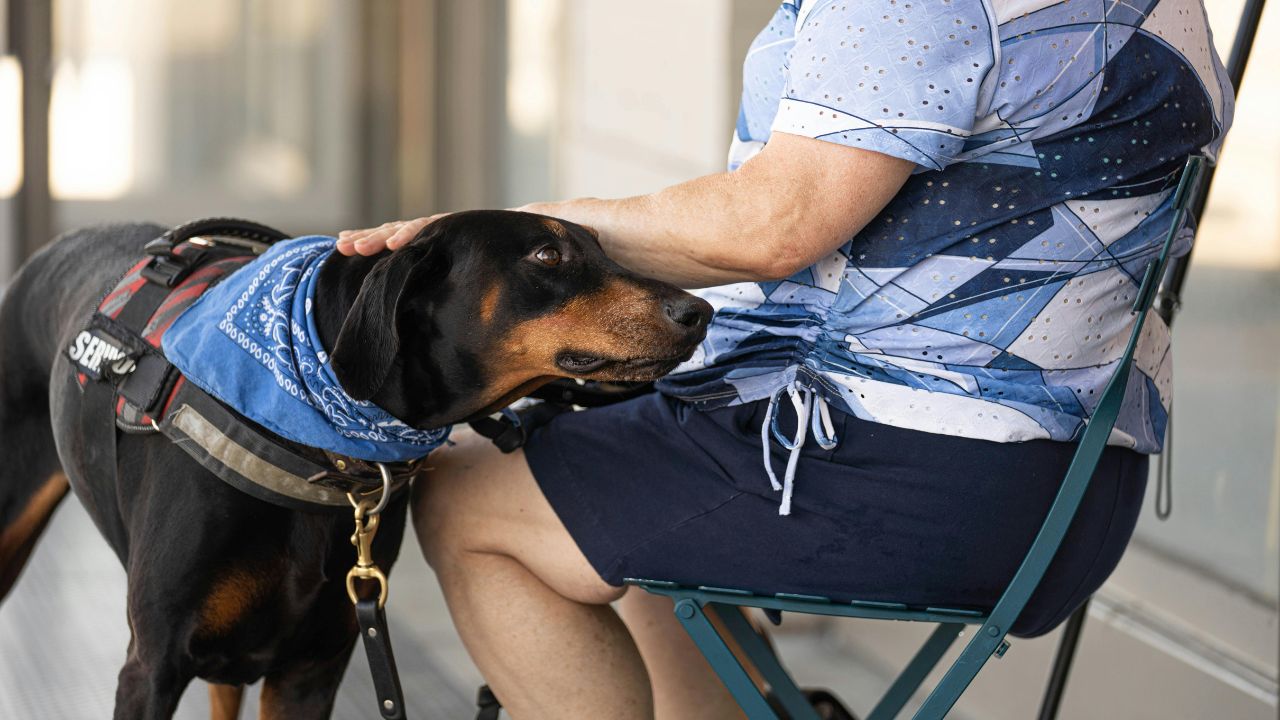
Service Dogs Are Allies in Diabetes Management. Discover How They Detect Changes in Blood Sugar and Prevent Dangerous Crises.
Trained dogs are helping people with diabetes to avoid dangerous crises. Through their highly sensitive sense of smell, these service dogs can identify chemical changes in their owner’s body about 15 to 20 minutes before the first signs of a blood sugar crisis.
The role of these animals can occur anywhere, anytime, whether at home, work, or even during sleep — which makes their role even more vital in the routine of those living with the disease.
The early warning provided by service dogs is possible because they undergo rigorous and specific training.
-
With around 6,000 residents on a single 9 km street, a village in Poland maintains a strong sense of community, cultivates strawberries and potatoes, and becomes the target of a false image created by artificial intelligence.

-
Sleeping at different times each day can be a bomb for your heart and even double your risk of having a heart attack.

-
Without help and without heavy machinery, a woman builds a house from scratch with stone, wood, and cement, erects a chimney, creates a complete leisure area, and transforms an empty lot into her dream home.

-
Couple transforms abandoned house after years of being closed; residence was overgrown with weeds, had a green pool, and a deteriorated structure in the interior of Rio de Janeiro.


The ability to detect a diabetes crisis is not innate; it is developed through techniques based on odor, positive reinforcement, and close companionship.
Moreover, the use of these animals is growing in Brazil, especially among type 1 diabetes patients who frequently experience hypoglycemia or hyperglycemia.
How Do Service Dogs Identify Diabetes Crises?
During a blood sugar crisis, the human body releases volatile organic compounds through sweat, saliva, or breath. These compounds create what specialists call a “scent signature,” which is imperceptible to humans but easily detected by dogs.
Professor Bruno Benetti Torres from the Federal University of Goiás explains:
“These changes create a distinct chemical ‘scent signature’ that is imperceptible to humans but highly detectable by dogs. The dog uses its extraordinarily keen sense of smell, which is thousands of times more sensitive than that of humans.”
These dogs are able to sense changes before electronic sensors even detect them. They then alert their owner with specific actions such as nudging with their nose, barking, or changes in behavior.
The Training of a Diabetes Alert Dog
The training process for a service dog specialized in diabetes takes five to eight months. The selection process begins in puppyhood and includes criteria based on behavior, empathy, and focus capacity.
Renata Boragini Rodrigues, founder of Service Dog Brasil, explains that the dogs go through different stages:
- Associate the odor of crises (through sweat and saliva samples) with a warning reaction;
- Learn to alert the owner clearly;
- Perform these alerts in various environments, such as at home, in the car, or at work.
The Signals Service Dogs Use to Alert
Service dogs learn to emit specific and reliable alerts to indicate that something is wrong with the blood sugar. The most common signals include:
- Touching the owner with their paw or nose;
- Holding a specific object in their mouth;
- Sitting in front of the owner, with a fixed gaze;
- In severe cases, barking persistently.
These behaviors are taught in a standardized way and tested in real situations before the dog goes to live with its owner.
A Complete Change in the Routine of Those Living with Diabetes
Financial manager Raphaelle Almada Pinheiro explains how her life changed with the arrival of her service dog:
“I neglected my medication, and he detected that my blood sugar was out of control. He began to get my attention more insistently than usual. If I had been alone, the consequences would have been much worse.”
She explains that she now feels safer to work, travel, and socialize, thanks to the constant monitoring of her dog. Other accounts point to situations where the animals managed to prevent even a coma by alerting others when the owner was unable to react.
Service Dogs Also Help with Other Conditions
Although the focus here is on diabetes, it is worth noting that service dogs can also be trained to assist with other health conditions. This includes:
- Epilepsy;
- Post-Traumatic Stress Disorder;
- Autism;
- Generalized Anxiety Disorder.
These animals are true allies of health, offering emotional and functional support to people with different needs.









Seja o primeiro a reagir!