





 Portuguese
  English
  Spanish
  3 min of reading
  0 comments


The National Production Faces Droughts, Decreased Rainfall, and New European Union Requirements That Could Change the Global Coffee Market
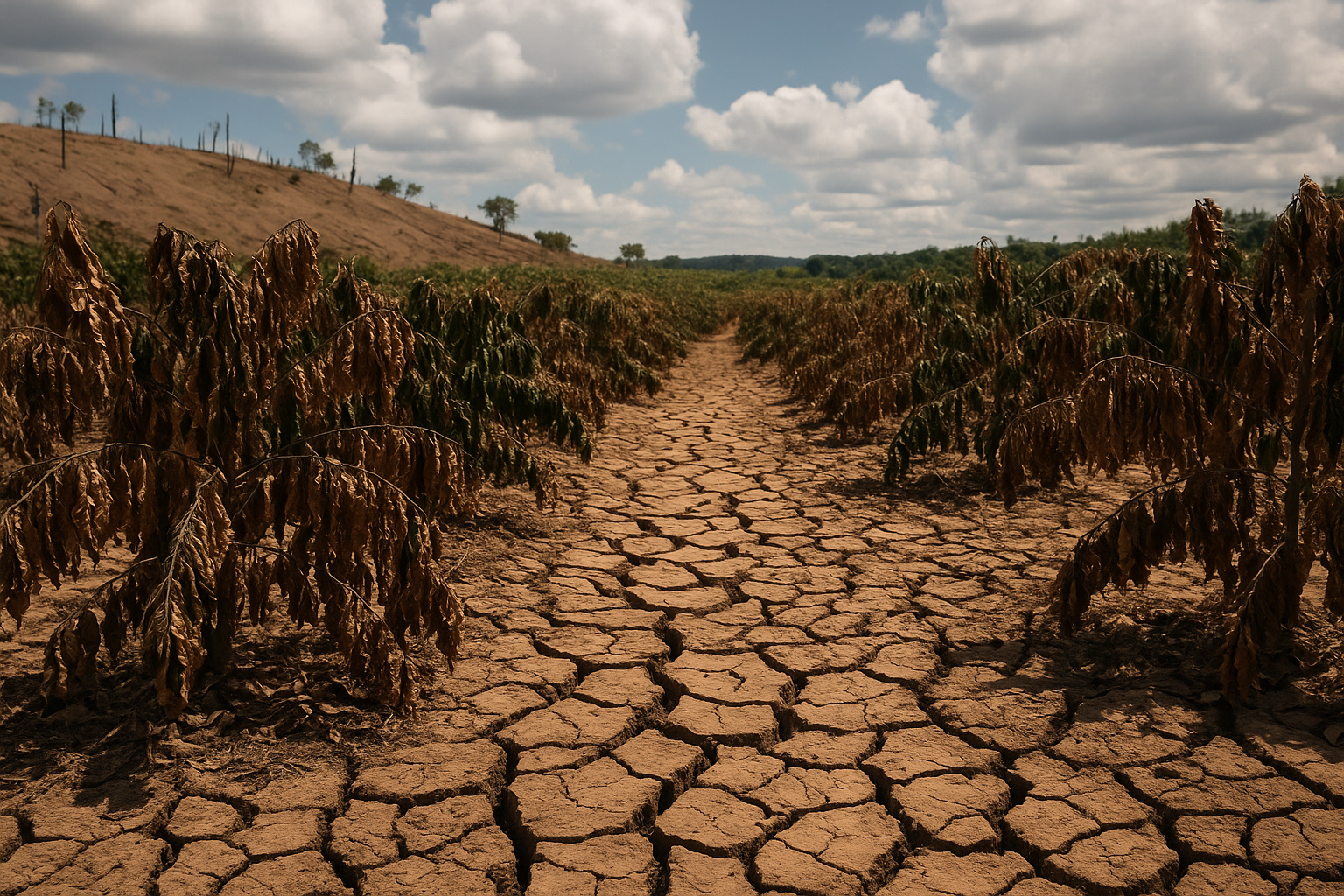
The Brazil, responsible for about one-third of the world’s coffee, is experiencing one of the most delicate moments in its agricultural history.
Environmental degradation in the main producing regions of the Southeast, along with intensified droughts, threatens the productive base of the sector.
Additionally, this segment supports millions of families and generates billions of reais in exports, making the crisis even more concerning.
Production Under Environmental and Climatic Pressure
According to a report released on October 22, 2025, by the NGO Coffee Watch, deforestation in Brazilian coffee-growing areas has already exceeded 737 thousand hectares since 2002. At the same time, the impact is primarily concentrated in the Cerrado and Atlantic Forest biomes, where agricultural expansion is rapidly advancing.
As forests were removed to make way for plantations, rainfall diminished and the soil lost moisture, which, in turn, resulted in decreased productivity and rising coffee prices.
Furthermore, researchers from NASA confirmed, through the SMAP mission, a drop of up to 25% in soil moisture in the coffee-growing areas of Minas Gerais and Espírito Santo.
As a direct consequence, the rainfall cycle no longer coincided with the flowering and maturation periods of the beans, making harvests increasingly unpredictable. As a result, production costs rose and farmers’ profitability decreased.
Longevity Breakfast: Typical Meal from Costa Rica Recognized as the Healthiest in the World
ARTICLE CONTINUES BELOWSee also
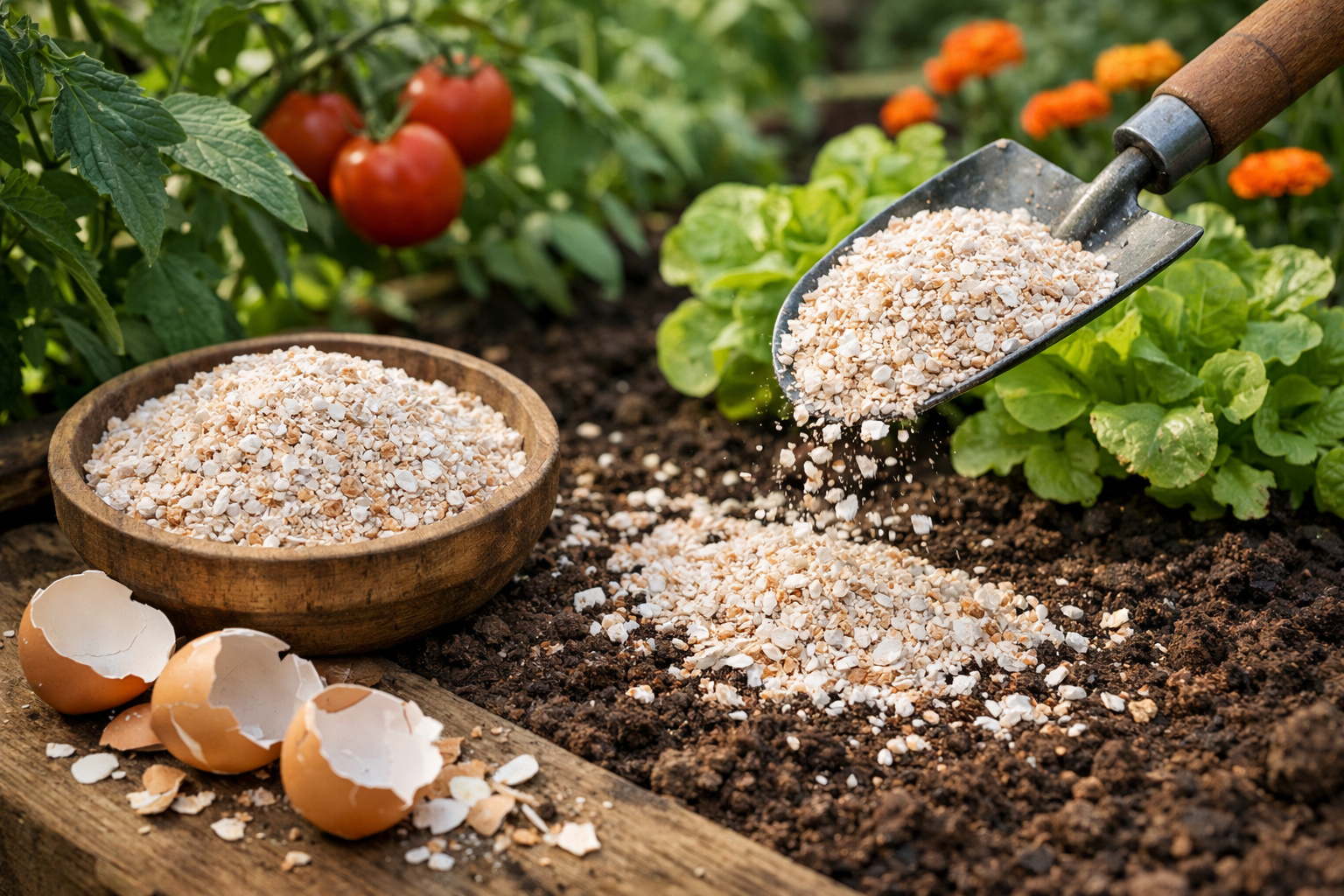
The eggshell that almost everyone throws away is made up of about 95% calcium carbonate and can help enrich the soil when crushed, slowly releasing nutrients and being reused in home gardens and vegetable patches.
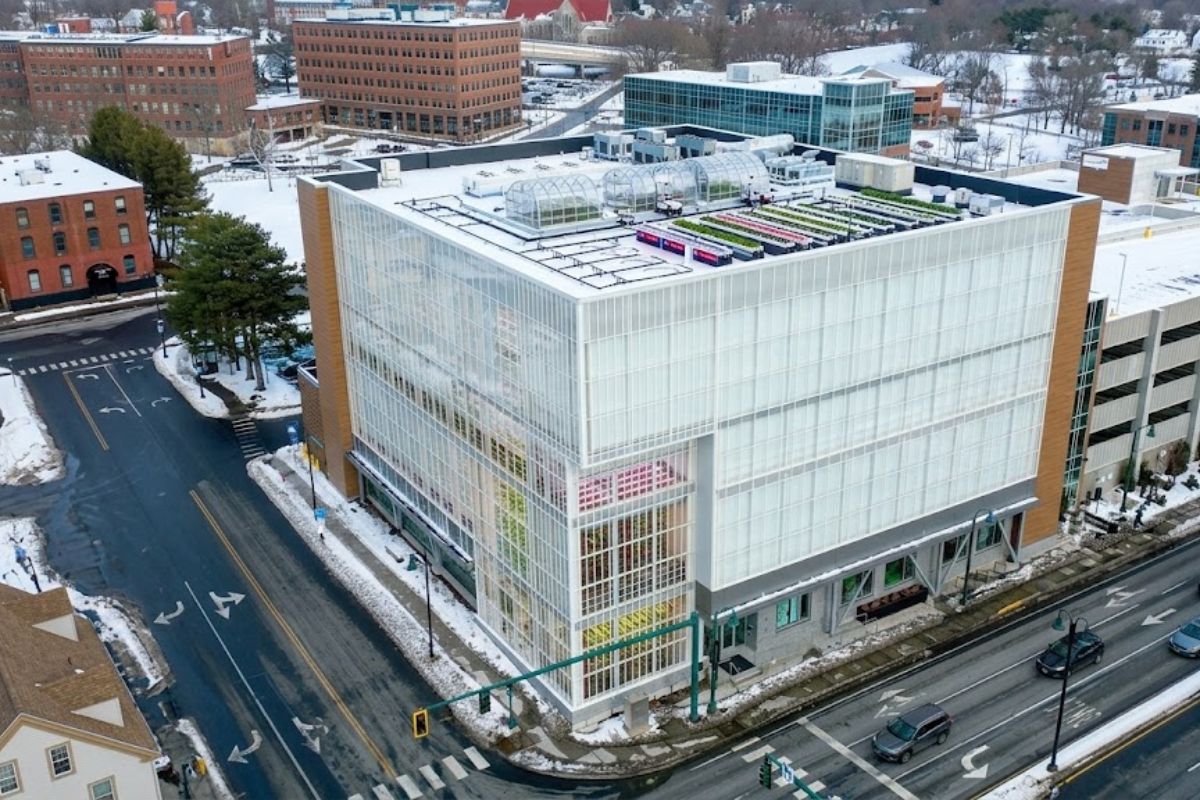
This farm in the United States does not use sunlight, does not use soil, and produces 500 times more food per square meter than traditional agriculture: the secret lies in 42,000 LEDs, hydroponics, and a system that recycles even the heat from the lamps.
The water that almost everyone throws away after cooking potatoes carries nutrients released during the preparation and can be reused to help in the development of plants when used correctly at the base of gardens and pots, at no additional cost and without changing the routine.

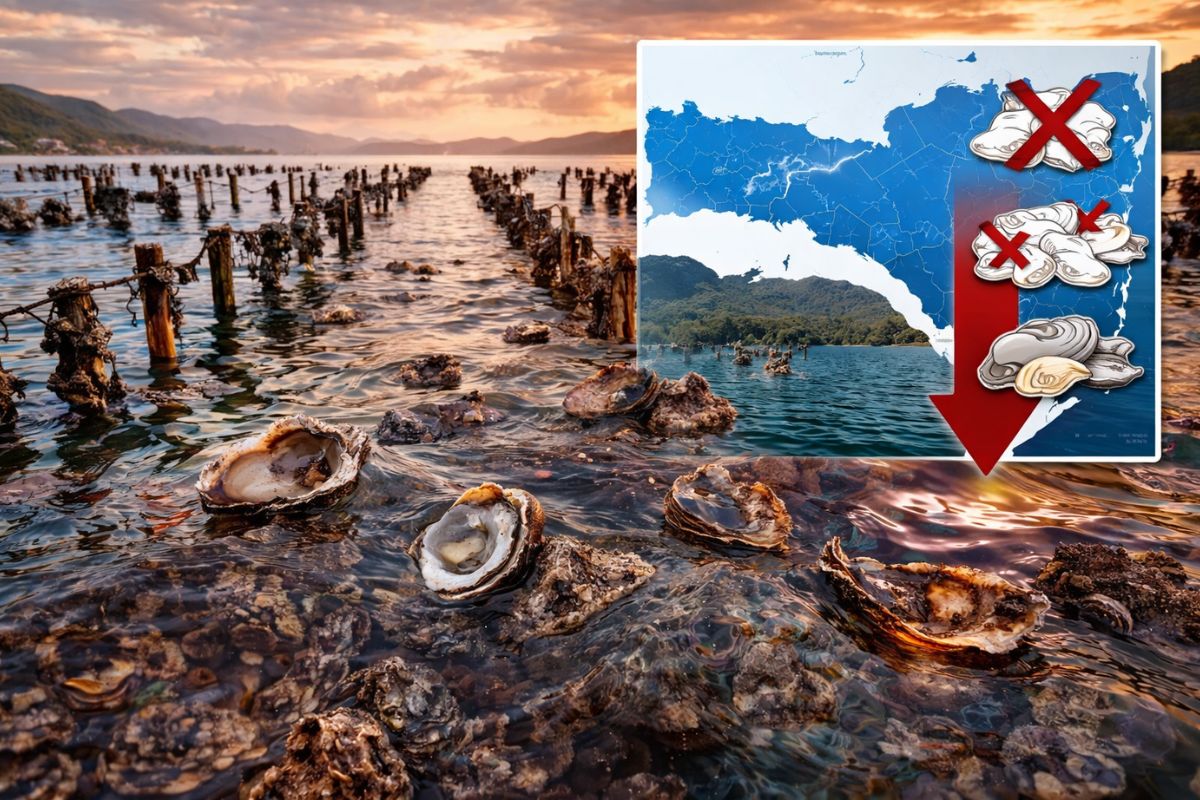
The sea water temperature rose from 28 to 34 degrees in Santa Catarina and killed up to 90% of the oysters: producers who planted over 1 million seeds lost practically everything and say that if it happens again, production is doomed to end.
Increasing Impacts and Risks by 2050
The NGO Coffee Watch warns that, if the current pattern continues, extreme coffee prices may become routine by 2050.
Thus, the report emphasizes that deforestation for expanding cultivation is killing the rainfall, which is essential for the crops. Since the drought of 2014, considered a turning point for the sector, droughts have become almost annual, harming the soil and reducing crop yields.
Consequently, these constant droughts hinder the natural recovery of the soil and compromise the quality of the beans.
Additionally, a study published in 2025 by the journal Climatic Change estimates that arabica production in Minas Gerais may drop by 13% in the coming decades. This occurs because the rainfall regime is collapsing, which further aggravates the climatic effects on the crop.

International Pressure and Challenges in the European Market
The environmental issue is therefore combined with a commercial clash.
In 2023, the European Union approved a law requiring proof that products such as coffee, cocoa, and soy do not come from deforested areas.
Brazil, in turn, considered the measure unilateral and punitive, arguing that it ignores national legislation and increases export costs.
Nonetheless, the European bloc, which is the largest coffee consumer in the world, continues to implement the rules.
This legislation requires producers and exporters to provide geolocation data of the farms. Therefore, the new system imposes an additional challenge for the Brazilian sector, already pressured by climate changes and the need for transparency in production chains.
Meanwhile, cooperatives and exporters are seeking to adapt, investing in certifications and traceability.
The Future of the World’s Largest Coffee Power
Experts warn that the resilience of arabica coffee is limited in the face of climatic variations. Additionally, the current model of agricultural expansion is becoming unsustainable as it destroys the natural resources that sustain the crop itself.
The forests, which previously ensured the balance of rainfall and protected the soil, are being replaced by vulnerable monocultures.
According to Coffee Watch, the destruction of forests compromises the microclimate necessary for cultivation, creating a vicious cycle of deforestation, drought, and loss of productivity.
In 2024 and 2025, the scarcity of rain raised global prices, foreshadowing what could become a permanent pattern. Therefore, experts assert that it is urgent to change the production model to avoid the collapse of the country’s main crop.
If nothing changes, the environmental base supporting Brazilian coffee production may disappear. Thus, the country will need to adopt more sustainable agricultural policies and increase reforestation in strategic areas.
Only then can Brazil ensure the future of its coffee and preserve its global leadership position.









Seja o primeiro a reagir!